Cavitation body slimming is gaining popularity among those seeking effective fat loss solutions. This technique utilizes ultrasound waves to target fat cells. Many individuals wonder, "does cavitation body slimming actually destroy fat cells?" Understanding its impact is vital.
While cavitation appears promising, results can vary. Some users report significant changes, while others see minimal effects. This discrepancy raises questions regarding its effectiveness and the role of lifestyle factors. For optimal results, individuals must maintain a healthy diet and regular exercise.
As scientific research evolves, some studies support the fat-destroying claims of cavitation. Experts emphasize that while cavitation can aid in fat reduction, it's not a magic solution. Frequent sessions may be necessary, and results can take time. Engaging with professionals in the field can provide insights and realistic expectations for those considering this treatment.
What is Cavitation and How Does It Work for Body Slimming?
Cavitation is a revolutionary technique for body slimming. It utilizes ultrasonic waves to create bubbles in fat cells, effectively breaking them apart. The process is painless and non-invasive. Many clinics offer this treatment as a way to target specific areas of fat. It's essential to understand how cavitation works to appreciate its effectiveness in body sculpting.
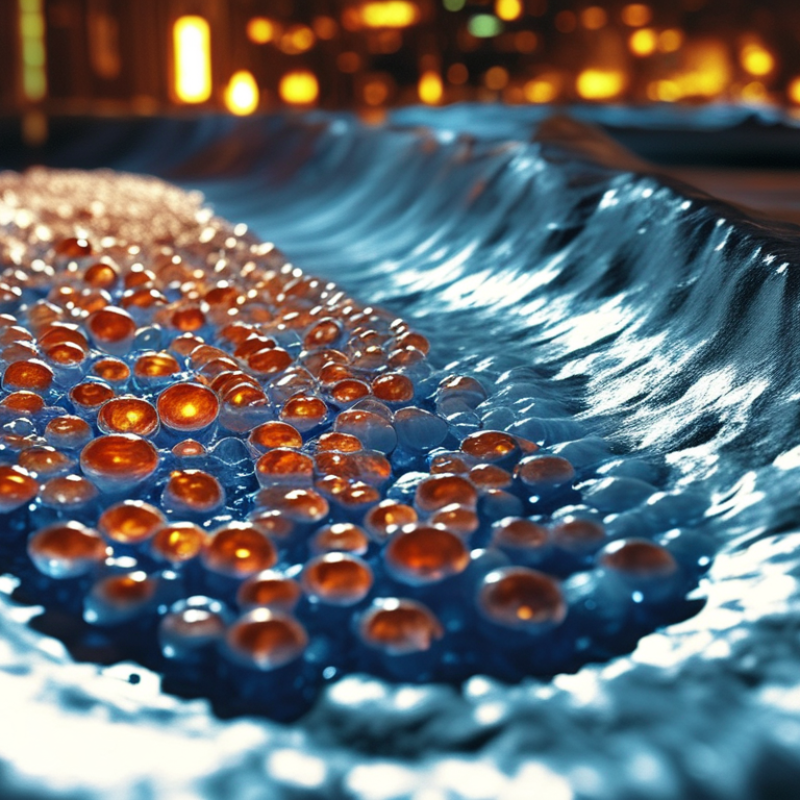
During the procedure, ultrasound waves penetrate the skin and reach fat deposits. These waves cause microscopic bubbles to form in the fat cells. As the bubbles grow, they implode, leading to the destruction of fat cells. The body then naturally eliminates the released fat through the lymphatic system. This method can yield noticeable results in just a few sessions, though individual outcomes may vary.
While many report positive changes, it's vital to keep expectations realistic. Results can differ based on factors like body type and lifestyle. Some individuals may experience temporary swelling or bruising. A healthy diet and regular exercise are still important for maintaining results. Cavitation should complement, not replace, a balanced lifestyle.
The Science Behind Fat Cell Destruction and Cavitation Techniques
Cavitation is a fascinating technique used in body slimming and fat cell destruction. Understanding the science behind it is essential. At its core, cavitation creates bubbles in a liquid, which can expand and collapse rapidly. This process produces shock waves, targeting fat cells without harming surrounding tissues. These fat cells then break down and are naturally eliminated by the body.
Research shows that ultrasonic waves penetrate deep into the skin, affecting subcutaneous fat. It's a non-invasive method, providing a safer alternative to surgical procedures. While results can be significant, not everyone experiences the same outcomes. Factors like individual metabolism and lifestyle play crucial roles. Regular exercise and a balanced diet can enhance efficacy.
Cavitation techniques can also evoke mixed feelings. Some users report discomfort during sessions. Others may not see immediate changes, leading to frustration. Success often requires patience and commitment. Understanding that this method is not a magic solution is vital for many. Each person’s journey in fat reduction may differ, emphasizing the need for realistic expectations.
Benefits of Cavitation in Body Contouring and Weight Loss
Cavitation technology offers significant benefits for body contouring and weight loss. This non-invasive procedure targets stubborn fat cells without needing surgery. According to a study published in the "Journal of Cosmetic and Laser Therapy," patients can experience up to 3.5 cm reductions in waist circumference after multiple cavitation sessions. Such statistics highlight its effectiveness, making it appealing for those struggling with weight loss.
One clear advantage of cavitation is its ability to break down fat cells. When ultrasound waves penetrate the skin, they create bubbles that expand and burst. This process helps disrupt fat cell membranes, leading to the release of stored fatty acids. A report from the American Society of Aesthetic Plastic Surgery indicated a rising demand for non-invasive fat reduction procedures, with cavitation being at the forefront.
While cavitation can yield impressive results, it's essential to approach it with realistic expectations. Some clients may not see immediate changes. Factors like diet and lifestyle greatly influence results. Ensuring a balanced diet and regular exercise can enhance the effects of cavitation. Moreover, the experience varies for individuals, meaning some might need multiple treatments to notice significant alterations. This highlights the importance of personalized care and planning.
Potential Side Effects and Considerations of Cavitation Treatments
Cavitation treatments have gained popularity for body slimming. However, potential side effects are essential to consider. These non-invasive procedures use ultrasound waves to break down fat cells. While many experience positive outcomes, some side effects can arise.
Skin sensitivity may occur after treatment. Redness or swelling can last a few hours to a few days. A 2023 industry report noted that approximately 15% of patients reported temporary side effects. Bruising is also possible, especially if the treatment is aggressive.
Client expectations should be realistically managed. Some individuals did not see immediate results. This highlights the importance of post-treatment care and a healthy lifestyle. Staying hydrated and maintaining a balanced diet can enhance results. Always consult with licensed professionals to ensure safety and efficacy. The risks may be minimal, but awareness is crucial for informed decision-making.
Comparing Cavitation with Other Body Slimming Methods and Technologies
Cavitation is a popular body slimming method that uses ultrasound technology. It targets fat cells, causing them to break down. This non-invasive approach attracts many individuals. However, it's essential to compare it with other slimming methods to understand its position.
Other techniques, like liposuction, are invasive. They require anesthesia and have longer recovery times. In contrast, cavitation does not involve surgical risks. Many patients appreciate this aspect. Yet, results can vary. Some may experience minimal fat reduction, while others see significant changes. Over time, repeated sessions may be necessary.
Cryolipolysis is another option. It freezes fat cells, leading to their natural disposal. While effective for some, others find discomfort during the process. Unlike cavitation, cryolipolysis may take longer to show results. It’s crucial to assess personal preferences and health conditions. Each method has pros and cons. Making an informed choice is vital for achieving desired body goals.
FAQS
: Cavitation technology is a non-invasive procedure that targets stubborn fat cells without surgery.
Patients may experience up to 3.5 cm reductions in waist size after several sessions.
Yes, side effects include skin sensitivity, redness, swelling, and possible bruising after treatment.
Results vary; some may need multiple sessions to notice significant changes.
Absolutely! A balanced diet and regular exercise can enhance the effectiveness of cavitation.
Yes, cavitation is non-invasive and has fewer risks compared to surgical options like liposuction.
Clients may not see immediate results, and post-treatment care is important for optimal outcomes.
Cryolipolysis freezes fat cells but may take longer to show results and can be uncomfortable for some.
Conclusion
Cavitation body slimming is an innovative technique that utilizes sound wave technology to target and destroy fat cells in the body. This non-invasive procedure works by creating bubbles in the adipose tissue, which subsequently implode and break down fat cells, leading to their destruction. The science behind this method relies on the principles of cavitation, effectively allowing for body contouring and weight loss.
Many individuals are curious, "does cavitation body slimming actually destroy fat cells?" Research indicates that it can indeed lead to a reduction in fat volume, making it a popular choice for those seeking a slimmer appearance. While benefits include targeted fat reduction and improved body shape, it is also essential to consider potential side effects, which can range from mild bruising to temporary discomfort. When compared to other body slimming methods, cavitation stands out due to its non-invasive nature and minimal recovery time, but individuals should always consult health professionals to ensure it's the right choice for their needs.

 Durova Beauty