A brighter smile can feel fresh, but the first two days require careful choices. This guide explains what foods to avoid after a teeth whitening treatment, without treating every recommendation as absolute. Whitening temporarily increases tooth sensitivity and may make recently treated enamel more vulnerable to pigments and acids.
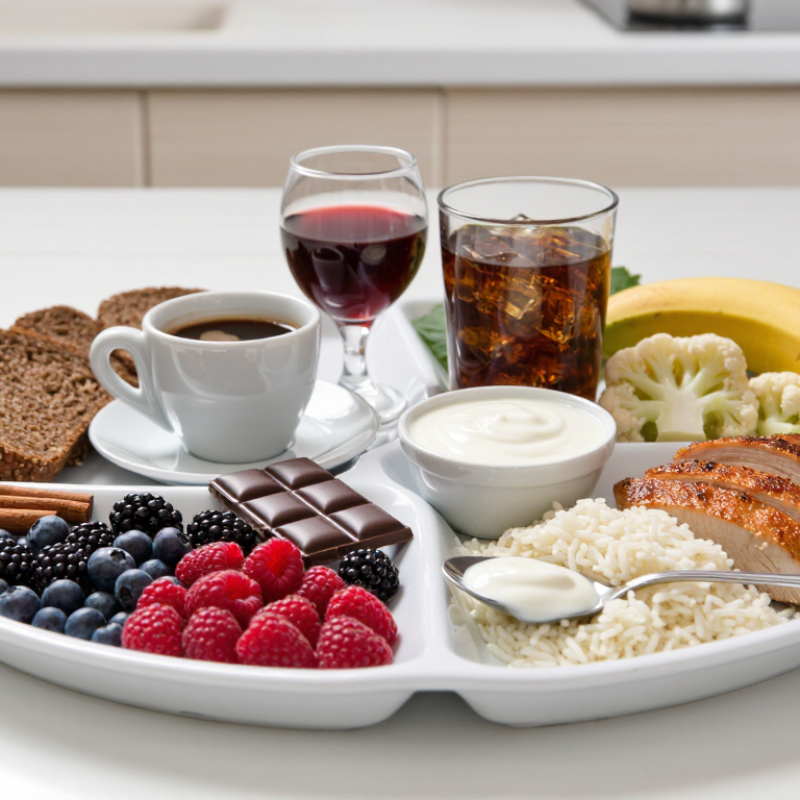
The American Dental Association advises limiting highly pigmented foods and drinks after whitening. Coffee, black tea, red wine, cola, tomato sauce, curry, soy sauce, berries, and dark chocolate deserve attention. Think of a white cotton shirt. Spilled coffee leaves a visible mark quickly. Dr. Nigel Carter OBE, chief executive of the Oral Health Foundation, offers a practical rule: “If it can stain a white shirt, it can stain your teeth.” The comparison is simple, but not perfect.
Timing matters. Many dental professionals recommend choosing lighter foods for 24 to 48 hours, including yogurt, rice, chicken, bananas, and cauliflower. Citrus fruit, vinegar, carbonated drinks, and very hot foods may also worsen sensitivity. A 2022 World Health Organization oral-health report estimated that oral diseases affect nearly 3.5 billion people worldwide, reminding readers that cosmetic care still depends on basic dental health. Evidence about post-whitening diets remains limited, however. Not every stain produces the same result, and individual treatment methods differ. A 2024 review in the Journal of Dentistry also emphasized that whitening sensitivity varies by product and patient. Your dentist’s instructions should therefore override generic internet lists, especially when sensitivity lasts beyond two days.
Why Food Choices Matter After Teeth Whitening
Why Food Choices Matter After Teeth Whitening
After teeth whitening, enamel may become temporarily more sensitive and vulnerable to staining. Dental professionals often recommend avoiding dark, acidic, or strongly colored foods for 24 to 48 hours. Coffee, black tea, red wine, cola, berries, tomato sauce, curry, and soy-based sauces can leave visible pigments on freshly whitened teeth. Acidic foods may also increase discomfort, especially when enamel is already sensitive.
Choose pale, mild foods instead, such as plain yogurt, rice, bananas, eggs, chicken, and steamed cauliflower. Drink water after eating. Avoid very hot or icy foods if your teeth react sharply. Small details matter. A dark sauce can stain more than expected, even when used in a small amount. Strawberries seem harmless, but their color and acidity may still irritate sensitive teeth.
A common mistake is returning to normal eating too quickly. I once assumed one cup of coffee could not matter, but repeated exposure is the real problem. If coffee is unavoidable, drink it promptly rather than sipping for an hour, then rinse with water. Do not brush immediately after acidic foods; wait about 30 minutes to protect softened enamel. Whitening results vary, and sensitivity that lasts several days deserves advice from a dentist. Personal habits matter too, so a food diary can reveal which choices cause discomfort or new staining.
The 10 Foods and Drinks to Avoid After Treatment
After teeth whitening, enamel can feel temporarily more porous and sensitive. Dentists commonly recommend avoiding dark or acidic foods for 24–48 hours.
A clinical review in the Journal of Dentistry reported whitening-related sensitivity in approximately 15–80% of patients, depending on the treatment method.
The range is wide.
During this period, avoid coffee, black tea, red wine, cola, dark grape juice, berries, tomato sauce, curry, soy sauce, and beetroot. These foods contain strong pigments that may settle on recently treated teeth. Acidic drinks can also increase discomfort.
Keep meals pale and mild:
water, milk, rice, plain chicken, and non-colored vegetables are practical choices.
After permitted drinks:
Use a straw for permitted drinks, and rinse with water afterward.
Do not brush aggressively immediately after acidic foods. The American Dental Association advises reducing frequent exposure to dietary acids because they can contribute to enamel erosion.
Evidence is less certain for every individual food, and personal sensitivity varies. I would not treat the “white diet” as a permanent rule.
If sharp pain continues beyond two days, contact a dental professional.
How Long to Avoid Staining Foods After Whitening
How Long to Avoid Staining Foods After Whitening
After teeth whitening, the first 48 hours deserve the most care. During this period, pigments may cling more easily to the tooth surface. Most dental professionals recommend avoiding coffee, black tea, red wine, cola, berries, tomato sauce, curry, soy sauce, balsamic vinegar, and dark chocolate. These foods can darken freshly whitened teeth. The two-day rule helps, but it is not magic. Some people need longer.
If your dentist gives different instructions, follow them. At-home whitening trays may require avoiding staining foods throughout treatment, not only afterward. Sensitivity can also influence your choices. Cold drinks, citrus, and very hot meals may cause sharp discomfort. Choose water, milk, plain yogurt, rice, chicken, cauliflower, or peeled apples instead. Keep it simple. Rinse with water after eating. Do not brush immediately after acidic foods; wait about 30 minutes. A straw may reduce contact with beverages, but it cannot prevent staining completely.
After 48 hours, gradually reintroduce darker foods and check your shade in natural daylight. If coffee is part of your routine, drink it with a meal and rinse afterward. Frequent snacking can repeatedly expose teeth to pigments. Whitening results also depend on enamel, existing restorations, and daily habits. That detail is often overlooked. Persistent pain, uneven whitening, or gum irritation deserves professional advice. Whitening should not replace regular dental care.
Whitening-Friendly Foods to Choose Instead
After teeth whitening, a pale plate can help protect your results. Choose foods with little color and low acidity during the first 24 to 48 hours, or follow your dentist’s specific advice.
Plain yogurt, milk, and soft cheese are gentle choices. They provide calcium without staining enamel. Eggs, skinless chicken, and white fish also work well. Keep seasonings light. Steamed cauliflower, peeled potatoes, white rice, and plain pasta can make satisfying meals. Water should be your main drink, especially after eating.
Keep it simple.
I often suggest a small meal of scrambled eggs, rice, and steamed cauliflower for sensitive teeth. It feels ordinary, but comfort matters after treatment. Avoid very hot or cold foods if your teeth react. A straw may reduce contact with some drinks, though it cannot make acidic beverages harmless.
Some “healthy” choices need thought. Tomato sauce, berries, curry, coffee, tea, and dark soft drinks can stain freshly whitened teeth. Citrus fruit may also increase sensitivity because of its acidity. A practical mistake is returning to normal eating too quickly. Whitening results vary, and enamel is not perfectly predictable. If sharp pain continues, contact a dental professional rather than ignoring it.
How to Safely Resume Your Normal Diet
10 Best Foods to Avoid After a Teeth Whitening Treatment?
How to Safely Resume Your Normal Diet
The first 48 hours deserve extra care. Whitening can temporarily increase enamel sensitivity, especially to hot, cold, sweet, or acidic foods. A clinical review reported sensitivity rates ranging from about 15% to 78%, depending on the whitening method and concentration. Your dentist’s instructions should guide your choices.
Avoid coffee, black tea, cola, red wine, curry, tomato sauce, berries, soy sauce, beetroot, and dark chocolate. These foods contain strong pigments or acids. They may irritate sensitive teeth or stain the freshly treated surface. Choose lukewarm water, plain yogurt, rice, bananas, eggs, and lightly seasoned chicken instead. Keep meals simple.
After two days, reintroduce one food at a time. Rinse with water after colored drinks, but wait about 30 minutes before brushing. Acid temporarily softens enamel, and immediate brushing may increase wear. Use a soft toothbrush and fluoride toothpaste. If sharp pain continues beyond 48 hours, contact a dental professional.
There is no universal “white diet” rule. Evidence remains limited. I would not treat avoidance lists as law, especially when your treatment differs from someone else’s. One small mistake usually does not ruin whitening. Repeated exposure can.
10 Best Foods to Avoid After a Teeth Whitening Treatment? - How to Safely Resume Your Normal Diet
| No. |
Food or Drink to Limit |
Why It May Be a Problem |
Suggested Avoidance Period |
Safer Choice or Tip |
| 1 |
Coffee |
Dark pigments can attach to enamel, while heat may increase temporary sensitivity. |
Preferably 24–48 hours, or as directed by your dental professional. |
Choose water or a pale, non-acidic drink. Do not sip staining drinks for long periods. |
| 2 |
Black Tea |
Tea contains chromogens and tannins that may contribute to surface discoloration. |
Limit for 24–48 hours. |
Select a light-colored herbal infusion that is not acidic, and rinse with water afterward. |
| 3 |
Red Wine |
Its dark pigments, tannins, and acidity may increase the chance of staining and sensitivity. |
Avoid for at least 24–48 hours. |
Choose water during the initial recovery period. |
| 4 |
Cola and Dark Soft Drinks |
Dark coloring and acidity may promote staining and enamel sensitivity. |
Avoid for 24–48 hours and limit afterward. |
Water is the best option. If consumed later, use a straw when appropriate and rinse with water. |
| 5 |
Berries with Dark Pigments |
Deeply colored berries may leave pigments on the tooth surface; some are also acidic. |
Limit for 24–48 hours. |
Choose lighter-colored fruits, such as bananas or peeled apples, during this period. |
| 6 |
Tomato Sauce |
Its red color may stain, and its acidity can aggravate temporary sensitivity. |
Avoid or reduce for 24–48 hours. |
Use a pale, non-acidic sauce and rinse your mouth with water after eating. |
| 7 |
Curry and Strongly Colored Spices |
Pigments in dark yellow, orange, or red spices may contribute to surface staining. |
Limit for 24–48 hours. |
Choose lightly seasoned meals with pale ingredients during the first day or two. |
| 8 |
Soy Sauce and Balsamic Vinegar |
Their dark color can stain, and vinegar-based products are acidic. |
Avoid or use sparingly for 24–48 hours. |
Try a small amount of a light-colored dressing and rinse with water afterward. |
| 9 |
Citrus Fruits and Acidic Juices |
Acid may irritate sensitive teeth and temporarily soften the enamel surface. |
Avoid if sensitivity is present; otherwise limit for 24–48 hours. |
Choose water or a non-acidic drink. Wait before brushing after acidic foods. |
| 10 |
Dark Chocolate |
Cocoa pigments may contribute to discoloration, especially soon after whitening. |
Limit for 24–48 hours. |
Choose a lighter-colored, low-sugar alternative and drink water afterward. |
Safe Diet-Resumption Guide:
Most people can gradually return to their usual diet after 24–48 hours, provided sensitivity has settled. Continue limiting heavily pigmented or acidic items if discomfort remains, rinse with water after eating, and follow the specific instructions provided by your dental professional.
Conclusion
After a teeth whitening treatment, your enamel may be more sensitive and vulnerable to staining, making food choices especially important. This guide explains what foods to avoid after a teeth whitening treatment, including coffee, tea, red wine, cola, dark fruit juices, tomato-based sauces, berries, soy sauce, curry, and deeply colored sweets. These foods and drinks can leave pigments on freshly whitened teeth or increase discomfort, so avoiding them can help preserve a brighter smile.
Most people should limit strongly colored and acidic items for about 24 to 48 hours, depending on their dentist’s advice. During this period, choose light-colored, gentle options such as water, milk, plain yogurt, rice, pasta with cream-based sauce, bananas, and grilled chicken. When returning to a normal diet, reintroduce staining foods gradually, rinse with water afterward, and maintain regular brushing and flossing. If sensitivity or discoloration continues, consult a dental professional for personalized guidance.

 Durova Beauty