Microneedling creates hundreds of tiny channels in the skin, leaving the surface warm, pink, and unusually reactive. That temporary vulnerability makes many readers ask, “can you use vitamin c serum after microneedling?” The answer depends on timing, formula strength, skin sensitivity, and professional aftercare instructions. There is no single rule for every face.
Microneedling expert Dr. Lance Setterfield describes the treatment simply: “Microneedling is a controlled injury to the skin.” That phrase matters. Vitamin C can support a healthy skincare routine, but concentrated L-ascorbic acid may sting freshly treated skin. Fragrance, alcohol, low pH, and extra exfoliating ingredients can increase discomfort. Even a familiar serum may feel harsh after the appointment.
Timing is the difficult part.
A cautious approach usually means following your provider’s instructions and choosing bland, gentle products during early recovery. Some clinicians recommend waiting until the skin barrier feels settled, while others may approve specific professional formulations immediately after treatment. Product quality also matters. A sterile, clinic-approved product is not the same as a household serum opened beside a bathroom sink.
Watch for worsening redness, swelling, burning, or unusual discharge. Those signs deserve prompt medical advice. This guide will compare expert recommendations, common vitamin C formulas, recovery timelines, and mistakes that can delay healing. It will also question a tempting assumption: stronger skincare is not always better skincare. When in doubt, pause the serum and ask the treating professional who examined your skin.
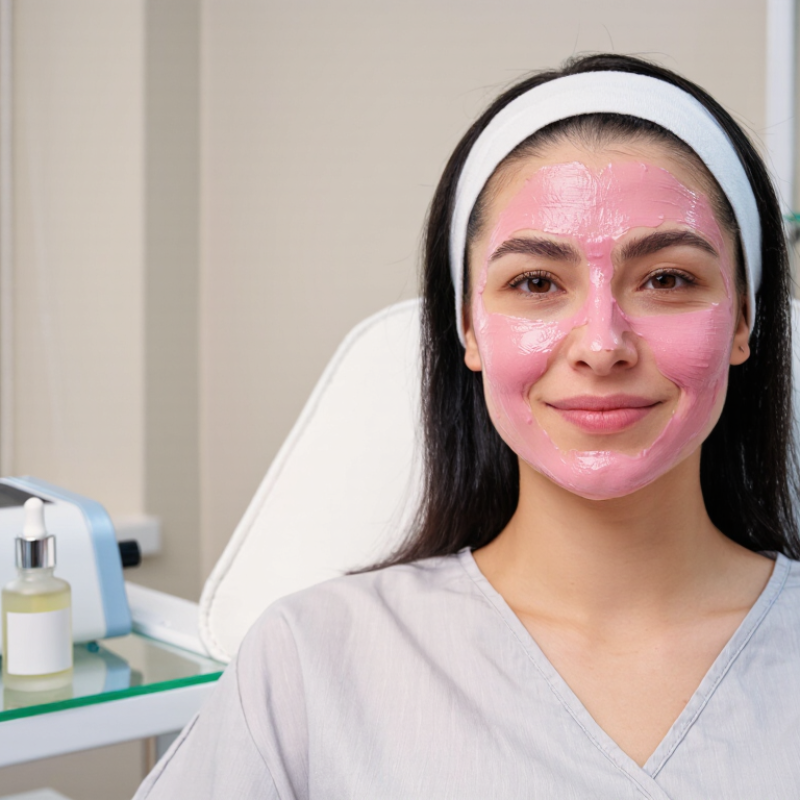
Microneedling creates controlled micro-injuries in the skin with fine, sterile needles. These tiny channels can stimulate collagen production during the healing process. The skin may look pink, tight, or slightly swollen afterward. Some people notice mild dryness or pinpoint bleeding, depending on needle depth and skin sensitivity.
The treatment also temporarily weakens the skin barrier. Water escapes more easily, while irritating ingredients can penetrate deeper than usual. Vitamin C serum may sting after microneedling, especially if it contains pure ascorbic acid or a low-pH formula. Waiting until the skin feels calm is often safer. A licensed professional can recommend the right timing for your skin and treatment depth. It is easy to assume that stronger products create faster results. That assumption is not always correct.
Tips: Keep the area clean and touch it gently. Use a simple, fragrance-free moisturizer and broad-spectrum sunscreen after treatment. Avoid exfoliating acids, retinoids, essential oils, and heavy makeup for the period advised by your practitioner. Do not microneedle over active acne, open wounds, or suspected skin infections. If burning, swelling, pus, or worsening redness appears, seek medical advice promptly. A small amount of discomfort can be expected. Persistent irritation should not be ignored.
Microneedling creates tiny channels through the skin’s outer barrier. That can make vitamin C serum feel unusually sharp. Burning, redness, watering, or tightness may follow, especially with acidic formulas. The American Academy of Dermatology notes that redness and swelling can last several days after treatment. The U.S. Food and Drug Administration also lists irritation, bleeding, infection, and pigment changes among possible microneedling risks.
The problem is not vitamin C alone. Freshly treated skin has reduced protection against ingredients, microbes, and friction. A review in Indian Dermatology Online Journal reported that topical vitamin C commonly performs within an 8–20% concentration range. Higher strengths may increase irritation without providing extra benefit. That detail matters when skin feels raw. More is not automatically better.
Many dermatology professionals recommend waiting until visible redness, heat, and tenderness settle before restarting vitamin C. This timing varies. It may take 24–72 hours, or longer after deeper treatment. Use the clinic’s instructions instead of copying an online routine. Apply a bland moisturizer, avoid fragrance, and protect the area from sunlight. Patch testing is sensible, though imperfect. I would not interpret temporary glow as proof of healing. The evidence around immediate post-microneedling vitamin C use remains limited, so caution is more reliable than speed.
When It Is Safe to Use Vitamin C Serum After Microneedling
Microneedling leaves temporary microchannels in the skin. Redness, warmth, and tightness commonly last one to three days, according to clinical reviews published in Dermatologic Surgery. During this period, vitamin C serum may sting sharply, especially formulas containing low-pH L-ascorbic acid. More absorption is not always better.
Many dermatology aftercare protocols recommend waiting at least 24 to 72 hours before applying active ingredients. The safer point is when the skin no longer feels hot, swollen, tender, or unusually dry. Use a bland cleanser, a fragrance-free moisturizer, and broad-spectrum SPF during recovery. Keep it simple. The American Academy of Dermatology also advises avoiding irritating products after procedures.
A cautious return can begin with a small patch near the jawline. Apply a thin layer every other morning, not immediately after cleansing aggressively. Stop if burning lasts beyond a few minutes, or if redness increases. A 2021 systematic review noted that microneedling protocols and recovery times vary considerably, so one universal schedule is unreliable. I would not treat 24 hours as a finish line. Skin response matters more than the clock. People with eczema, active acne, cold sores, or prolonged irritation should ask a qualified medical professional before restarting vitamin C.
| No. | Question or Safety Factor | Evidence-Based Guidance | Typical Timing | Practical Action |
|---|---|---|---|---|
| 1 | Can vitamin C be applied immediately? | It is generally best to avoid vitamin C immediately after microneedling because the skin barrier is temporarily disrupted and the product may sting or cause irritation. | Immediately after treatment | Use only the post-procedure product recommended by the qualified professional who performed the treatment. |
| 2 | When is vitamin C commonly reconsidered? | Many people wait until visible redness, heat, tenderness, peeling, and sensitivity have settled before restarting active skincare. | Often about 3–7 days | Follow the treating clinician’s instructions; deeper treatments may require a longer recovery period. |
| 3 | Does treatment depth affect the waiting period? | Yes. More intensive microneedling can produce greater inflammation and a longer barrier-repair period than superficial cosmetic needling. | Longer than 3–7 days when needed | Do not restart vitamin C based only on a calendar date; assess whether the skin is fully comfortable and intact. |
| 4 | Which symptoms suggest waiting longer? | Persistent burning, marked redness, swelling, crusting, open areas, unusual pain, or active peeling indicate that the skin may not be ready for an active serum. | Until symptoms resolve | Pause vitamin C and contact a healthcare professional if symptoms are severe, worsening, or prolonged. |
| 5 | Is every vitamin C serum equally irritating? | No. Formulation, concentration, acidity, added exfoliating ingredients, fragrance, and preservatives can affect tolerability. | After barrier recovery | Choose a simple, fragrance-free formula and avoid products that combine vitamin C with several other strong actives. |
| 6 | How should vitamin C be reintroduced? | A gradual restart reduces the chance of irritation after the skin barrier has recovered. | Start once daily or every other day | Apply a small amount to clean, dry skin, monitor for 24 hours, and stop if burning or persistent redness develops. |
| 7 | Should exfoliating acids and retinoids be used at the same time? | Combining multiple active ingredients soon after microneedling can increase irritation and should generally be avoided during recovery. | Until the skin is fully calm | Reintroduce one active product at a time instead of using vitamin C, exfoliating acids, and retinoids together. |
| 8 | What supportive skincare is usually appropriate? | Gentle cleansing, a bland moisturizer, and broad-spectrum sun protection are commonly used to support recovery. | During the recovery period | Avoid scrubs, picking, excessive heat, and other products that cause stinging; use sunscreen as directed after treatment. |
| 9 | Is a patch test useful before restarting? | Yes. A patch test can help identify irritation or allergy, although it cannot guarantee that the product will be tolerated on the entire face. | Before full-face use | Test a small area on intact skin and wait at least 24 hours before broader application. |
| 10 | When should professional advice be obtained? | Medical advice is appropriate for signs of infection, severe swelling, blistering, pus, spreading redness, significant pain, or a delayed reaction. | As soon as concerning symptoms appear | Contact the treatment provider or a qualified healthcare professional instead of applying more active skincare. |
General guidance only: the safest restart time depends on treatment depth, skin condition, product formulation, and the aftercare instructions provided by a qualified professional.
Reintroducing vitamin C serum after microneedling requires patience. Freshly treated skin may feel warm, tight, or rough for several days. Do not apply vitamin C while pinpoint bleeding, swelling, or open channels remain. Follow your licensed provider’s aftercare instructions, especially after deeper treatments.
Keep the routine gentle at first. For the first 24 to 72 hours, use only a mild cleanser, bland moisturizer, and broad-spectrum sunscreen when permitted. Avoid exfoliating acids, retinoids, fragrance, and hot water. Skin recovery varies. Mine may not match yours.
When the skin feels calm, patch test the serum near the jawline. Wait 24 hours. If there is no burning, rash, or unusual redness, apply a small amount every other morning. Use clean, dry hands and avoid rubbing the treated areas. Begin with a lower-strength formula, if available. A brief tingle can occur, but sharp stinging is a warning.
After several applications, increase frequency slowly if your skin remains comfortable. Stop if irritation develops, then return to basic care. Vitamin C is not a race. I would reassess the plan after each use, because even familiar products can behave differently after microneedling. Seek medical advice for worsening pain, pus, spreading redness, or persistent swelling.
After microneedling, freshly treated skin can feel warm, tight, and unusually sensitive. Tiny channels may remain open briefly. Vitamin C serum, especially acidic formulas, can sting and increase visible redness. Many dermatology professionals suggest waiting until the skin barrier recovers, often for several days. Timing depends on needle depth, skin condition, and clinical instructions. Generic advice can fail here.
Use lukewarm water and a fragrance-free, non-foaming cleanser. Pat your face dry with a clean, soft towel. A bland moisturizer containing ceramides or glycerin may ease tightness without adding strong actives. During the first day, keep your hands away from the treatment area. Change your pillowcase, too. Avoid retinoids, exfoliating acids, scrubs, essential oils, and heavily fragranced products. These may intensify irritation while the skin repairs itself. A cool compress can help. Do not place ice directly on the skin.
When the skin feels comfortable and looks closed, apply broad-spectrum SPF 30 or higher, following your practitioner’s advice. Reintroduce products one at a time. Use a small amount first. Stop if burning or persistent redness develops. If swelling, blistering, pus, or worsening pain appears, contact a qualified healthcare professional. I once assumed “soothing” meant any calming product, but that is not always true. Simple formulas are usually safer, although individual reactions still vary. Patience matters more than a crowded routine.
Common aftercare guidance recommends prioritizing gentle, fragrance-free products during healing. Vitamin C, exfoliating acids, and retinoids are often paused for several days because freshly treated skin can sting or become irritated. Always follow your clinician’s instructions.
Illustrative minimum reintroduction windows commonly used in post-microneedling skincare guidance; individual recovery may vary. “Day 0” means immediately after treatment only when approved by a qualified professional.
Wait at least 24 to 72 hours. Use it only when heat, swelling, tenderness, and unusual dryness have settled. The clock is not perfect.
No. Hot, tight skin may still have temporary microchannels. Vitamin C can sting sharply during this stage. Keep the routine gentle.
Use a mild cleanser, fragrance-free moisturizer, and broad-spectrum sunscreen when permitted. Avoid hot water, scrubbing, fragrance, exfoliating acids, and retinoids.
Patch test a small area near your jawline. Wait 24 hours. If no rash, burning, or unusual redness appears, apply a thin layer every other morning.
A lower-strength formula may be easier to tolerate. Apply it with clean, dry hands. Do not rub freshly treated areas.
Brief, mild tingling can happen. Sharp stinging is a warning. Stop if burning lasts more than a few minutes or redness increases.
Stop if irritation, worsening redness, swelling, or tenderness develops. Return to basic care. Your skin may react differently after treatment.
Ask a qualified medical professional if you have eczema, active acne, cold sores, or prolonged irritation. Seek help for pus, spreading redness, worsening pain, or persistent swelling.
No. Increase frequency slowly after several comfortable applications. Vitamin C is not a race. I might still be too cautious, but gradual use is safer.
After microneedling, the skin enters a temporary healing phase. The tiny channels created during the treatment can make the skin more sensitive, dry, and vulnerable to irritation. Because vitamin C serum may be acidic, concentrated, or formulated with additional active ingredients, applying it too soon can cause stinging, redness, dryness, or discomfort. This is why many people ask, “can you use vitamin c serum after microneedling?”
In general, it is safer to wait until the skin barrier has recovered and there is no ongoing redness, tenderness, peeling, or sensitivity. The exact timing depends on the treatment depth and individual healing process. When reintroducing vitamin C, begin with a small amount on clean, dry skin, use it infrequently, and stop if irritation occurs. During the healing period, choose gentle, fragrance-free skincare focused on hydration and barrier support, while avoiding harsh exfoliants and other strong active ingredients. Use sun protection consistently, since freshly treated skin may be more sensitive to environmental exposure.
