When it comes to laser tattoo removal, many clients often wonder, "how many sessions for complete laser tattoo removal?" The process can vary widely depending on several factors. These factors include the size, color, and age of the tattoo. Each case is unique, requiring a personalized approach for effective removal.
Typically, clients may need anywhere from 5 to 15 sessions to see significant results. This timeline can feel daunting. However, understanding the intricacies can lead to a more empowered experience. It's essential to work with experienced professionals who use advanced technology. This expertise can significantly influence the outcome and efficiency of the removal process.
While the journey to complete tattoo removal may seem long, patience is crucial. Some tattoos respond quicker than others. With proper care and commitment, successful results are achievable. Reflecting on the reasons behind your tattoo can also provide meaningful insight during this transformative process.
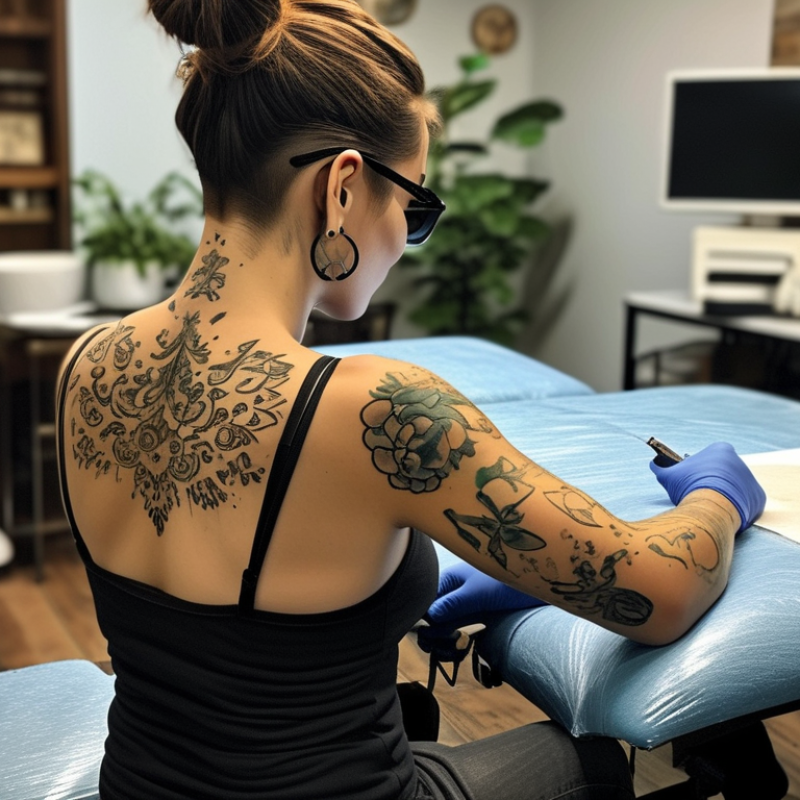
When considering laser tattoo removal, several factors can influence the number of sessions needed. Skin type plays a significant role. For instance, lighter skin tones often require fewer sessions compared to darker skin. This is due to the contrast between the ink and skin color, which affects the laser's effectiveness. According to industry studies, clients with darker skin may require 30% more sessions to achieve optimal results.
The type of ink used in the tattoo also impacts removal. Black ink is generally the easiest to remove, while colors like green and yellow can be more stubborn. A report from the American Society for Aesthetic Plastic Surgery indicates that multi-colored tattoos could require up to 50% more treatments than single-color tattoos. Each session can potentially take 8 to 12 weeks apart for proper healing, complicating the timeline.
The size of the tattoo is another important aspect. Large tattoos often necessitate more sessions compared to smaller ones. If a client is seeking complete removal of an extensive design, they might find themselves in for a longer journey. Some individuals may also experience unexpected reactions to the laser, causing further delays and additional treatments. Understanding these nuances is vital for setting realistic expectations during the removal process.
The chart below illustrates the average number of sessions required for complete laser tattoo removal based on tattoo size and color. It shows that larger tattoos and those with darker colors tend to require more sessions for effective removal.
Tattoo removal is a common concern. The number of sessions needed varies based on the ink color. Studies show that darker inks, like black and blue, tend to fade more efficiently. Data indicates that black ink may require as few as 5 to 8 sessions for complete removal.
In contrast, brighter colors can be more challenging. For instance, green ink often requires an estimated 10 to 12 sessions. Yellow and light colors pose even greater difficulties, as they may necessitate up to 15 sessions or more. Each session targets specific wavelengths of light, which penetrate the skin differently, affecting removal efficiency.
It's important to note that factors like skin type and tattoo placement can influence the outcomes. A tattoo's depth and age also play critical roles. Not every session guarantees significant fading. Patients may need to manage expectations, as complete removal takes time and multiple visits. Overall, finding an experienced provider will improve the chances of successful outcomes.
When considering laser tattoo removal, the size and detail of the tattoo play crucial roles in determining the number of sessions needed. A small, simple tattoo may require fewer sessions than a larger and more intricate design. For instance, a delicate flower may fade significantly after just a couple of treatments, while a detailed sleeve can take many more sessions to achieve complete removal.
Detail matters significantly. Tattoos with intricate designs often require more targeted energy to break down the ink. Areas with shading or vibrant colors can complicate the process. Each session peels back layers of ink, but it is not always linear. Sometimes the ink might not react as expected, leading to uncertainty about the final outcome. It's essential for clients to have realistic expectations.
Proper assessment by a qualified professional is critical. They can evaluate the tattoo's specifics and suggest a tailored approach. This process emphasizes the importance of individual experiences and outcomes. Each tattoo is unique, and so is the removal journey.
Patience is necessary, as results can vary widely between individuals, depending on skin type and tattoo characteristics.
Understanding the laser technology used in tattoo removal can shed light on the process. Tattoo removal typically employs Q-switched lasers, which release energy in short bursts. These lasers target the pigment in the tattoo ink. The energy breaks the ink into smaller particles, allowing the body to absorb them naturally.
Patients might experience some discomfort during the treatment, and outcomes can vary. Factors such as skin type and tattoo color play a significant role. Darker inks often respond better to laser treatments compared to lighter colors. Multiple sessions are usually needed for complete removal, which can be both a time and financial investment. It's essential to consult with professionals who specialize in laser technology to gauge individual needs and expectations.
Many patients are surprised by the healing process. After each session, the skin requires care and monitoring. Swelling and redness are common, and some even worry about scarring. While laser technology is effective, some imperfections may remain after treatment. Understanding these realities can help in setting realistic goals.
| Tattoo Size | Average Sessions Needed | Laser Type | Time Between Sessions |
|---|---|---|---|
| Small (1-2 inches) | 3-5 sessions | Q-switched Nd:YAG | 6-8 weeks |
| Medium (3-5 inches) | 5-8 sessions | Picosecond Laser | 8-10 weeks |
| Large (6+ inches) | 8-12 sessions | Q-switched Ruby | 10-12 weeks |
| Complex (Multi-color) | 10-15 sessions | Different Laser Types | 12+ weeks |
Post-session care is crucial in the journey of laser tattoo removal. After each session, the skin needs special attention. Proper care helps minimize discomfort and promotes healing. Moisture can soothe the treated area. Using a gentle, fragrance-free moisturizer is advisable. Avoiding sun exposure is critical. UV rays can irritate the skin, leading to unwanted complications.
Monitoring the treated skin is essential. Look for any signs of infection or unusual reactions. If redness persists or swelling increases, consult a professional. Some people may experience scabbing or peeling, which is a normal part of the healing process. However, resist the urge to pick at these areas. Picking can lead to scarring or even infection.
Hydration plays a role too. Drink plenty of water to aid the body's healing process. Nutrition matters as well; a balanced diet supports skin health. Reflecting on your care routine can help refine your approach. Each person's skin reacts differently, making it vital to adjust care according to individual needs. Track your progress over time. Understanding the healing journey can enhance your overall experience.
: The number of sessions varies. Factors include skin type, ink color, and tattoo size.
Yes, lighter skin usually needs fewer sessions. Darker skin may require about 30% more sessions.
Colors like green and yellow are more stubborn. Black ink is generally the easiest to remove.
Larger tattoos often need more sessions. Smaller tattoos typically require fewer treatments.
Moisturize the area and avoid sun exposure. Proper care promotes healing and reduces discomfort.
Check for signs of infection or unusual reactions. Persistent redness or swelling requires professional advice.
No, resist picking at scabs. Picking can lead to scarring and infections.
Drinking water aids the healing process. Nutrition also plays a role in skin health.
No, each person's skin reacts differently. Adjust care based on individual needs and experiences.
Track your progress and adjust your care routine. Understanding healing can enhance your experience.
When considering how many sessions for complete laser tattoo removal, several factors come into play. The type of ink used in the tattoo significantly affects the number of treatments required, with lighter colors often being easier to remove than darker shades. Additionally, the size and intricate details of the tattoo can also influence the overall treatment plan.
Understanding the laser technology employed in tattoo removal is crucial, as different lasers target various ink types and skin conditions, impacting the effectiveness of the procedure. Post-session care is another essential aspect that can enhance treatment success, as proper aftercare can lead to less scarring and better results. Overall, a personalized assessment by a professional is vital to determine the exact number of sessions required for optimal tattoo removal.
