How Long Do Teeth Whitening Results Last 7 Best Tips?

Time:2026-09-16 Author:Henry
0%

A brighter smile can look permanent in a bathroom mirror, but whitening results gradually change. The key question is: how long do the results of teeth whitening last? The honest answer depends on the whitening method, enamel condition, diet, oral hygiene, and personal habits. The American Dental Association explains that whitening does not remove every type of discoloration, especially stains caused by aging, medication, or dental restorations. That detail is often overlooked.

Clinical evidence gives a practical range. A review in the Journal of Dentistry found that professional bleaching can remain effective for months or years, although color rebound commonly occurs after treatment. The American Dental Association also recommends professional evaluation before whitening, particularly for people with cavities, gum disease, sensitivity, or crowns. Coffee leaves a visible film on a white ceramic cup. Teeth can behave similarly.

Dr. Van B. Haywood, a leading researcher in tooth bleaching, described whitening as “not a one-time event, but a lifelong process.” His statement reflects real patient experience: brightness fades slowly, not overnight. Some people maintain results for one to three years. Others notice darker shades within several months. That difference matters. A 2023 market report from Grand View Research shows continued growth in professional and home whitening demand, yet popularity does not guarantee lasting results. This guide examines seven evidence-informed tips, including stain control, safe touch-ups, and realistic maintenance. One limitation remains: whitening research uses different products and follow-up periods, making exact predictions imperfect. Still, careful habits can help preserve a cleaner, brighter smile for longer.
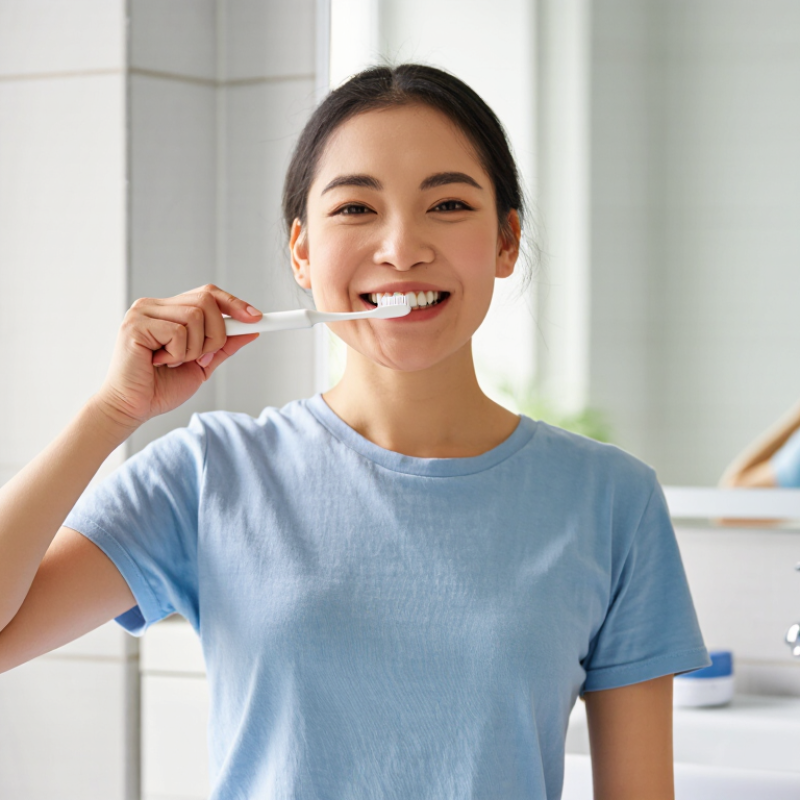
How Long Do Teeth Whitening Results Last 7 Best Tips?

What Determines How Long Teeth Whitening Results Last

How Long Do Teeth Whitening Results Last? 7 Best Tips

What Determines How Long Teeth Whitening Results Last

Teeth whitening results commonly last several months to a few years. The exact duration depends on your enamel, diet, oral hygiene, and whitening method. Professional treatment often produces more predictable results than unsupervised home use. However, no method permanently blocks new stains.

Your daily habits matter greatly. Coffee, tea, cola, red wine, and tobacco can darken teeth faster. Frequent sipping keeps staining liquids against the enamel for longer. Rinsing with water after these drinks may reduce residue. Brushing twice daily and cleaning between teeth also helps preserve brightness. Do not brush immediately after acidic drinks. Wait about 30 minutes.

The original tooth color and stain type also influence durability. Yellow surface stains may respond well, while deep medication-related or developmental discoloration can be harder to change. Fillings, crowns, and veneers do not whiten like natural enamel. This detail is often overlooked. A dental examination can identify decay, gum problems, enamel wear, or sensitivity before treatment. Those issues may affect comfort and the final appearance.

Maintenance can extend the effect, but more whitening is not always better. Follow the product instructions and avoid repeating treatment too soon. Sensitivity is a warning, not a challenge. Results may also appear less dramatic because people gradually adjust to their new shade. That is easy to miss. A realistic shade goal, regular dental care, and fewer staining habits usually matter more than aggressive touch-ups.

Typical Timelines for Professional and At-Home Whitening

Professional whitening usually shows a brighter change within one dental visit. Many dentists quote approximately one to three years of noticeable improvement. However, this range is not a guarantee. Coffee, tea, red wine, smoking, enamel age, and oral hygiene can shorten it. Results fade.

At-home whitening often develops more gradually. A Cochrane review covering 28 studies and 1,123 participants found that home bleaching can improve tooth color, but the evidence quality was low or very low. Long-term durability also remained uncertain. Real life is messier. A practical maintenance window is often six to twelve months, though some people need earlier touch-ups. A dental examination should come first, especially with cavities, gum inflammation, crowns, or veneers. Professional guidance reduces the risk of uneven color and severe sensitivity.

Seven habits can extend the result: follow the prescribed wear time, avoid staining drinks for 48 hours after treatment, rinse after coffee, use a soft toothbrush, clean between teeth, attend regular dental visits, and stop whitening when sensitivity begins. Use moderation. Whitening does not change the color of restorations. One imperfect detail matters: published studies often measure shade changes for limited periods, so online claims about permanent results deserve caution.

Daily Habits That Can Fade Whitening Results

Whitening rarely fades overnight. Daily exposure usually does the damage slowly. Coffee, tea, red wine, cola, and tobacco can darken the outer enamel. The American Dental Association identifies these habits as common contributors to tooth staining. Protect your shade by rinsing with water after dark drinks, using a straw for iced beverages, and limiting long sipping sessions. Brush twice daily with fluoride toothpaste, then clean between teeth once daily. Plaque can hold pigments against the enamel. Wait about 30 minutes after acidic drinks before brushing. Enamel is softer then. Gentle pressure matters more than aggressive scrubbing.

A 2018 Cochrane review examined 71 studies involving 3,038 participants. It found limited evidence about long-term whitening stability and reported sensitivity as a frequent concern. That uncertainty matters. Results differ with enamel condition, diet, and the whitening method. Schedule dental checkups, especially when one tooth changes color. A professional can check decay, gum disease, or an old filling before further whitening. Avoid repeatedly whitening whenever the shade looks slightly dull. I still miss an occasional rinse. Perfect routines are unrealistic. Aim for consistency instead. Track your habits for two weeks, noting dark drinks, smoking exposure, brushing timing, and sensitivity. Small changes often protect the result longer than stronger treatments.

How Long Do Teeth Whitening Results Last? 7 Daily Habits That Can Fade Results

Professional or at-home whitening results commonly last about 6–24 months. The estimate varies with diet, tobacco use, oral hygiene, and the type of whitening treatment. Frequent exposure to staining foods and drinks can make fading noticeable sooner.

The chart shows approximate time until noticeable fading under common lifestyle patterns; individual results vary.

Seven Practical Tips to Keep Teeth Whiter Longer

Teeth whitening results often last six months to two years, depending on diet, enamel, and oral habits. The shade may fade gradually, not suddenly. A dental professional should check cavities, gum irritation, and existing restorations before treatment. Whitening cannot change crowns or fillings.

Tip 1: Brush gently twice daily with fluoride toothpaste. Avoid aggressive scrubbing, which may irritate gums and wear enamel.

Tip 2: Rinse with water after coffee, tea, red wine, or dark berries. Waiting about thirty minutes before brushing may protect softened enamel.

Tip 3: Use a straw for iced drinks when practical. It reduces contact with front teeth, though it is not perfect.

Tip 4: Keep regular dental cleanings. Surface stains can build around the gumline despite careful brushing.

Tip 5: Do not overuse whitening products. More treatment may cause sensitivity without creating a brighter, healthier smile.

Tip 6: Follow the recommended contact time exactly. Longer is not automatically better.

Tip 7: Keep a simple touch-up schedule advised by a dental professional, rather than whitening whenever your teeth look slightly darker. Some people need less maintenance than expected.

I once assumed avoiding coffee alone would preserve whiteness. It did not. Daily brushing technique, acidic snacks, and missed cleanings mattered more than I noticed. Persistent sensitivity or uneven color deserves professional advice, not repeated home treatment.

When to Consider a Safe Whitening Touch-Up

How Long Do Teeth Whitening Results Last 7 Best Tips?

Whitening results commonly last six months to three years, depending on diet, hygiene, enamel, and the original treatment. A safe touch-up may be reasonable when your smile looks noticeably darker than it did after treatment. Small changes matter.

Consult a qualified dental professional before repeating whitening. They should check for cavities, gum irritation, enamel wear, and exposed tooth roots. Whitening can worsen sensitivity when these problems remain untreated. Dental fillings, crowns, and veneers will not lighten like natural teeth. This detail is easy to overlook.

A touch-up should follow the product instructions and professional advice, not impatience. Shorter exposure does not always mean safer results. Stop if you feel sharp pain, burning gums, or unusual sensitivity. Use a soft toothbrush, limit frequent coffee and dark sauces, and rinse with water after staining drinks. Avoid whitening immediately after dental treatment unless your dentist approves it.

In practice, people often touch up too early because lighting makes teeth appear darker. Waiting can be wiser. I once assumed a yearly schedule suited everyone, but enamel and habits vary greatly. A dental review is especially important if discoloration appears suddenly or affects only one tooth. Photographs taken in similar lighting can help you judge gradual changes more reliably.

FAQS

How long do teeth whitening results usually last?

Results commonly last six months to three years. Diet, enamel condition, hygiene, and treatment type affect the duration. Fading is usually gradual.

Which daily drinks can darken whitened teeth?

Coffee, tea, red wine, cola, and dark berry drinks can stain outer enamel. Rinse with water afterward. Small habits matter.

Should I brush immediately after drinking something acidic?

No. Wait about thirty minutes before brushing. Acid can temporarily soften enamel, making immediate brushing less comfortable.

How can I brush without damaging my teeth?

Brush twice daily with fluoride toothpaste and gentle pressure. Aggressive scrubbing may irritate gums and wear enamel. Soft movements work better.

Can a straw help preserve whitening results?

A straw may reduce contact between iced drinks and front teeth. It is helpful, but not perfect. Rinsing still matters.

When is a whitening touch-up reasonable?

Consider one when your smile looks noticeably darker than after treatment. Get professional advice first, especially with sensitivity or gum irritation.

Can fillings, crowns, or veneers become whiter?

No. Whitening changes natural teeth, not most restorations. Uneven color may become more visible after treatment.

What symptoms mean I should stop whitening?

Stop if you feel sharp pain, burning gums, or unusual sensitivity. A dental professional should check cavities, enamel wear, or exposed roots.

How can I judge whether my teeth are actually fading?

Take photographs in similar lighting every few weeks. Indoor lighting can mislead you. I sometimes forget to rinse, too. Consistency is more realistic than perfection.

Conclusion

How long do the results of teeth whitening last depends on the whitening method, the original shade of your teeth, enamel condition, and daily habits. Professional treatments may provide noticeable brightness for several months to a few years, while at-home methods often produce more gradual and shorter-lasting results. Coffee, tea, red wine, tobacco, dark sauces, and inconsistent oral hygiene can cause stains to return sooner.

To keep teeth whiter for longer, brush twice daily with a gentle fluoride toothpaste, floss regularly, rinse after staining foods and drinks, use a straw when appropriate, limit heavily pigmented beverages, avoid smoking, and schedule routine dental cleanings. Good hydration can also help wash away residue. If discoloration gradually returns, a dental professional can recommend a safe whitening touch-up based on your oral health. Avoid excessive whitening, as overuse may increase sensitivity or irritate the gums.

Henry

Henry

Henry is a dedicated marketing professional with a profound expertise in the company's offerings. With years of experience in the industry, he possesses an impressive understanding of the market dynamics and consumer behaviors that drive success. Henry is committed to sharing his insights through......