“How much does non-invasive body slimming cost on average?” is a useful starting question, but the answer depends on the device, treatment area, and number of sessions. In 2026, a single session may cost several hundred to more than $1,500, while a multi-session plan can reach several thousand dollars. These figures are estimates, not a verified national average. Clinics set their own prices, and advertised starting rates may not include consultation fees or follow-up visits.
Technology matters. Cryolipolysis, radiofrequency, and electromagnetic treatments use different devices and treatment schedules. A small area, such as the upper arms, may need less treatment time than the abdomen or flanks. Ask for an itemized quote. Check how many sessions it includes, which areas it covers, and whether maintenance treatments cost extra.
The FDA cautions that non-invasive body contouring is not a weight-loss treatment and does not replace medical care. That distinction matters. Results vary, and a lower price does not prove a device or clinic is right for you. Because no source material was supplied for a named clinician’s exact quotation, attributing one here would risk misrepresenting their words. A qualified, board-certified plastic surgeon or dermatologist can discuss realistic outcomes and risks for your circumstances. Use this guide to compare costs carefully, not as a promise of results.
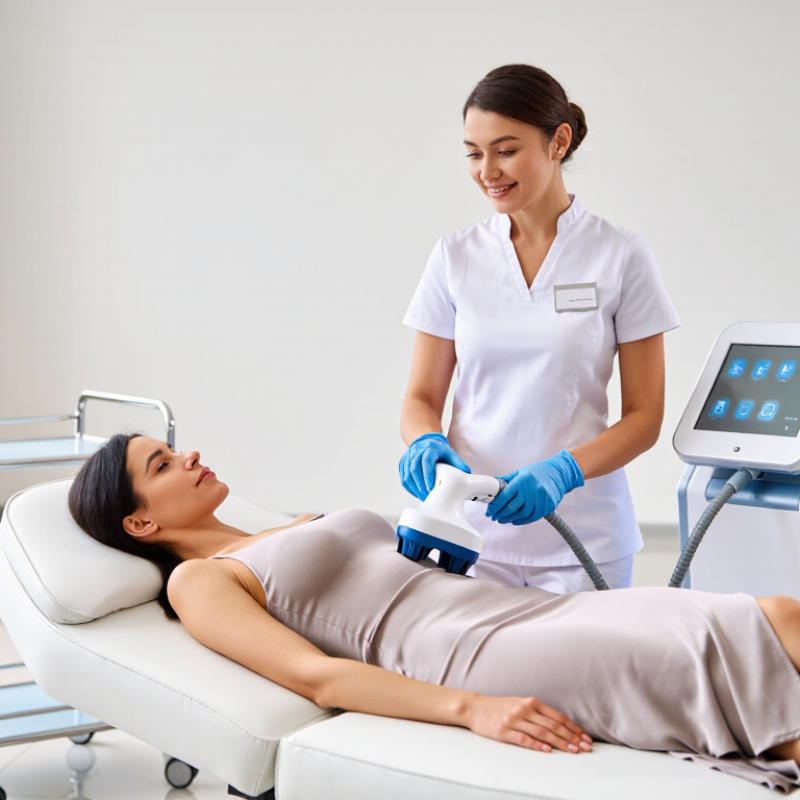
Non-invasive body slimming is a broad term for treatments that target small areas of fat or improve muscle definition without surgery. Options may include controlled cooling, radiofrequency heat, ultrasound energy, or electromagnetic muscle stimulation. Each uses a different approach, and not every method suits every person.
A consultation should cover the treatment area, health history, expected number of visits, and possible side effects. Some treatments may cause temporary redness, tenderness, or bruising. No needles here. Still, “non-invasive” does not mean risk-free, and results are not guaranteed. These procedures are not a substitute for weight-loss care, and they may not change the scale much. That matters.
In 2026, the price can depend on the device, clinic location, area treated, and number of sessions. Ask whether the quote includes follow-up visits and whether multiple sessions are expected. Get the total in writing, not just a price per visit. It is tempting to compare treatments by cost alone, but the method and your goals need to match. A realistic provider should explain limitations plainly, even when the answer is less exciting.
Non-invasive body slimming includes several methods, and each targets tissue differently. Cryolipolysis cools a small area of fat, while radiofrequency uses heat. Ultrasound-based treatments use sound energy, and low-level laser devices apply light. These options may reduce the appearance of localized fat, but results are usually modest and develop over weeks.
Some clinics also offer electromagnetic muscle stimulation. It causes repeated muscle contractions and may improve muscle tone, but it is not a substitute for exercise. That distinction is easy to miss. None of these treatments is designed for major weight loss, and suitability depends on health, treatment area, and goals. A qualified clinician should review medical history and discuss possible discomfort, temporary swelling, or bruising.
Costs in 2026 vary by location, method, area size, and number of sessions. Ask whether the quoted fee covers follow-up visits and any repeat treatments. A useful consultation explains realistic outcomes, risks, and alternatives without promising a specific number of inches lost. Compare written treatment plans, not just headline prices. Evidence and results can differ between methods, and I would not assume the most expensive option is the most effective.
In 2026, non-invasive body-slimming costs depend on more than the treatment area. Clinics commonly consider appointment length, staff expertise, equipment use, and the number of visits recommended. A consultation helps assess your goals and whether the service is appropriate. Details matter. The final estimate may also include preparation, follow-up, or facility fees, so ask for an itemized quote rather than relying on a headline price.
Clinics may charge per session, per area, or as a treatment plan. A small area can take less time, while treating several areas may require longer appointments or more visits. Providers should explain how they reached the recommendation and what results are realistic. Ask whether follow-up appointments are included, and check the cancellation terms. I would be cautious about any quote that promises a fixed result; bodies respond differently, and pricing alone says little about suitability.
Tips: Bring your questions to the consultation. Request the total estimated cost in writing, including any extra sessions. Compare what each quote includes, not just the price. If the plan feels rushed or unclear, pause and ask for clarification. A little uncertainty is normal; pressure to book immediately should not be.
In the United States, 2026 non-invasive body-slimming prices vary by method, treatment area, and clinic. Cryolipolysis commonly costs about $600–$1,500 per area per session. Radiofrequency treatments are often $200–$600 per session, while ultrasound-based treatments may run $150–$500. Low-level laser sessions can cost roughly $100–$400. These are estimates, not guaranteed quotes. Prices may exclude consultation fees.
One visit may not be the full expense. Clinics may recommend several sessions, especially for radiofrequency or ultrasound treatments. Four sessions at $300 each, for example, bring the treatment cost to $1,200 before any added fees. Packages can lower the per-session price, but check how many areas and visits they include. Small print matters.
Ask what the quoted price covers, who performs the treatment, and whether follow-up visits cost extra. Geography and the size of the area can change the bill considerably. Results also vary, and these procedures are not a substitute for weight-loss care. A low price may feel appealing; it is worth checking what is missing. Estimates can age quickly, so request a written, current quote before booking.
When comparing clinic quotes for non-invasive body slimming in 2026, check what each price actually covers. Costs can vary by treatment area, appointment length, number of sessions, and local clinic fees. A quote for one small area may not be comparable to a package covering several areas. Ask for an itemized estimate, including consultation fees, follow-up visits, and any recommended maintenance sessions. Get the details in writing.
Ask which device or method is proposed and why it suits your goals. A qualified practitioner should explain expected results, possible side effects, and who may not be a suitable candidate. Be cautious of guaranteed outcomes or pressure to buy a large package on the spot. Results differ, and a lower quote is not necessarily better value. I might be tempted by the neatest total, but the missing details matter more.
Tips: Compare the same treatment area and session count. Check cancellation and refund terms. Ask whether follow-up care is included. Keep a copy of every estimate, and take time to review it before deciding.
Options include cooling, radiofrequency heat, ultrasound, and low-level laser treatments. Each targets tissue differently.
Cooling targets a small area of fat. Radiofrequency uses heat, while ultrasound uses sound energy. Laser devices apply light.
No. They may modestly change the appearance of localized fat. They are not a substitute for weight-loss care.
Changes usually develop over several weeks, and results vary. A specific number of inches cannot be promised. I’d be cautious about expecting dramatic changes.
Estimated prices per session range from about $100–$400 for low-level laser to $600–$1,500 per area for cooling treatments. Radiofrequency may cost $200–$600, and ultrasound about $150–$500. These are estimates.
Yes. Several visits may be suggested. For example, four $300 sessions cost $1,200 before added fees. Small print matters.
Ask what the quote includes, who performs the treatment, and whether follow-up visits cost extra. Request a current written plan.
Temporary discomfort, swelling, or bruising may occur. A qualified clinician should review your health history, treatment area, and goals. Details matter.
Non-invasive body slimming includes treatments designed to reduce the appearance of localized fat or improve body contour without surgery. Options available in 2026 may include cooling, radiofrequency, ultrasound, laser-based treatments, and muscle-stimulation procedures. Each method works differently, and the number of sessions needed can vary by treatment area, individual goals, and provider recommendations.
So, how much does non-invasive body slimming cost on average? There is no single price: clinics may charge per session or treatment area, and total costs depend on the method, location, practitioner, and recommended course. When comparing quotes, check what each price includes, how many sessions are proposed, whether follow-up care is covered, and what results are reasonably expected. Ask about potential side effects and suitability for your circumstances, and compare written estimates rather than choosing on price alone.
