A professional cavitation machine uses controlled ultrasound energy in non-invasive aesthetic treatments. It is commonly selected by clinics and trained practitioners for body-contouring services. However, the equipment is not a shortcut to weight loss. Results may vary with the client’s body composition, treatment plan, and lifestyle.
The real question is how to choose the right professional cavitation machine for your practice. Begin with verifiable specifications, including operating frequencies, adjustable intensity, handpiece design, and treatment controls. A clear digital display helps practitioners monitor settings beside the treatment bed. Reliable cooling, comfortable grips, and replaceable accessories can also improve daily workflow. Do not judge quality by appearance alone. A polished touchscreen proves very little.
Professional buyers should examine manufacturer documentation, independent testing, warranty coverage, and local compliance requirements. Training support matters, especially when staff must recognize contraindications and manage client expectations. Ask whether the supplier provides safety guidance, maintenance instructions, and responsive technical service. Real clinical experience often reveals weaknesses that brochures hide.
Evidence matters more than dramatic promises. A responsible provider explains that outcomes are usually gradual and may require multiple sessions. Some marketing claims sound convincing but remain poorly supported. That deserves careful review. This guide explores the technology, essential specifications, safety considerations, and ownership costs that shape a practical purchasing decision. A suitable machine should support consistent care, not encourage exaggerated results.
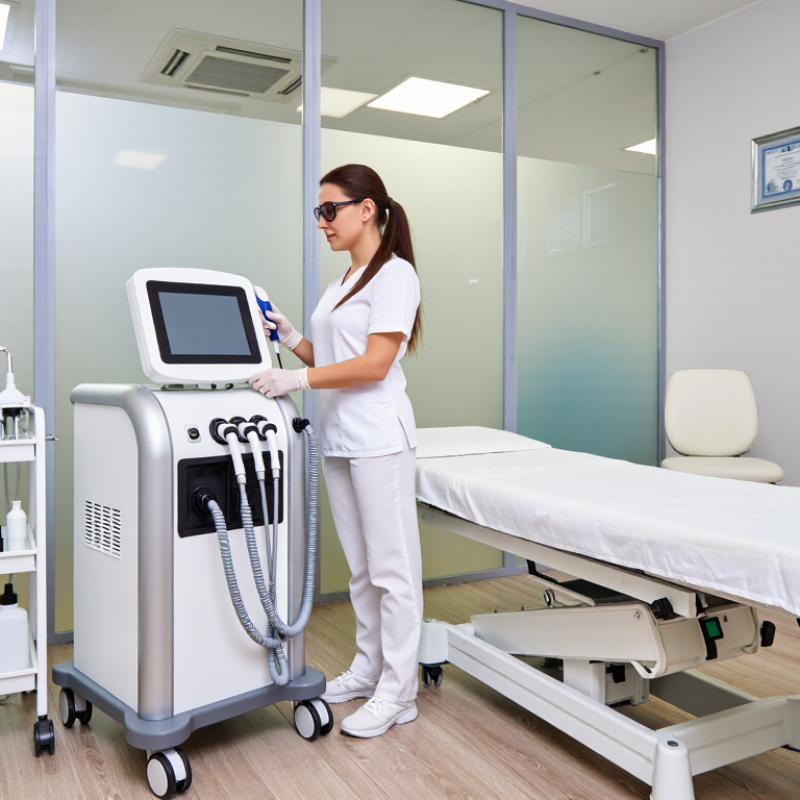
A professional cavitation machine is an aesthetic device designed for noninvasive body-contouring treatments. It uses controlled ultrasound energy through a specialized handpiece. The energy targets localized fatty tissue beneath the skin. It is not a weight-loss machine. The intended result is usually a modest improvement in body shape after suitable sessions. Results can differ because skin condition, lifestyle, and treatment settings all matter.
A reliable professional system should offer stable energy output, adjustable parameters, clear displays, and an ergonomic handpiece. It should also include detailed operating instructions and safety information. A qualified practitioner should assess medical history before treatment. Certain conditions, implanted devices, pregnancy, or damaged skin may require avoiding the procedure. During treatment, the operator normally applies conductive gel and moves the handpiece continuously across the selected area. Small details matter. The process is not automatic.
Choosing one requires more than comparing power numbers. Look for documented testing, traceable maintenance records, and responsive technical support. Ask how the device controls treatment time, intensity, and skin contact. A trained operator should explain realistic outcomes and possible temporary effects, such as redness or tenderness. No device guarantees permanent change. That limitation matters.
A machine may look impressive but still feel awkward during a long appointment. This is an easy point to overlook. Practical handling, consistent calibration, and honest client communication often matter more than a crowded feature list.
A professional cavitation machine uses controlled ultrasound to influence fatty tissue beneath the skin. During treatment, a trained practitioner applies conductive gel and moves the handpiece slowly across a selected area. The device sends low-frequency sound waves into the tissue. These waves create rapid pressure changes in the surrounding fluid. Under suitable conditions, tiny bubbles may form and collapse near fat-cell membranes. This process can disturb the membranes and release stored fatty components.
The body then processes these materials through normal metabolic and lymphatic pathways. The result is intended to be localized body contouring, not general weight loss. Treatment usually feels warm, with mild tingling or vibration. Some people notice temporary redness. Settings matter greatly. Frequency, intensity, contact time, and handpiece movement can change the experience and the outcome. A professional operator should measure the area, review medical history, and follow the device’s approved instructions.
The science is not perfectly settled. Results may vary between individuals, and marketing claims can sound stronger than clinical evidence. I would not promise permanent fat reduction after one session. A suitable machine should display clear technical specifications, safety controls, maintenance records, and operator guidance. It should also support consistent energy delivery, rather than relying on impressive appearance alone. People with certain medical conditions, implanted devices, pregnancy, or unexplained skin problems may need to avoid treatment or obtain medical advice first. Calibration is easy to overlook. It should not be.
Ultrasonic cavitation machines use low-frequency sound waves to create alternating pressure changes in a liquid medium. The chart shows how frequency affects the calculated wavelength in water.
Wavelength is calculated using the speed of sound in water, approximately 1,480 m/s, with the formula wavelength = speed ÷ frequency. Lower frequencies produce longer wavelengths, while higher frequencies produce shorter wavelengths. Actual cavitation performance also depends on acoustic power, treatment medium, temperature, applicator design, and operating conditions.
A professional cavitation machine is defined by controlled energy, not a glossy screen. In practice, a stable ultrasound frequency, calibrated output, and even energy delivery matter most. The handpiece should feel balanced during repeated treatments. It should also include adjustable timers, temperature monitoring, emergency shutoff, and clear treatment records. Small details protect consistency.
Independent data supports careful equipment selection. Grand View Research reported that the global non-invasive body contouring market could grow at a double-digit annual rate through 2030. That growth increases the need for measurable performance, not exaggerated claims. A professional unit should provide documented specifications, electrical safety testing, and maintenance guidance. Compliance with relevant medical-device quality systems, such as ISO 13485, is also a useful reliability signal. Marketing language alone is not evidence.
Look for closed-loop controls, replaceable applicators, and software that records intensity and duration. Ask how often calibration is required. Ask who services the machine. The answers may be revealing. The U.S. Food and Drug Administration states that non-invasive body contouring is not a treatment for obesity or a method of weight loss. Therefore, responsible operators need informed consent, realistic screening, and trained supervision. Some devices still provide limited clinical data. That gap deserves attention, even when the hardware appears advanced.
Choosing a professional cavitation machine starts with clinical purpose, not appearance. Decide whether your practice needs ultrasound cavitation alone or a combined system with radiofrequency or vacuum functions. A 2023 ISAPS Global Survey reported approximately 1.08 million non-surgical fat-reduction procedures worldwide. Demand exists, but popularity does not prove equal effectiveness.
Check the machine’s operating frequency, measured energy output, applicator size, and cooling performance. Ask for calibration records and independent safety testing. Clear controls matter when gloves are wet and treatment time is limited. Training is essential. The FDA states that non-invasive body contouring does not treat obesity or create weight loss. Therefore, patient screening and realistic consent should guide every session. Avoid devices with vague specifications or impressive promises.
Look closely at workflow. Can the handpiece reach curved areas without forcing the operator’s wrist? Are treatment logs easy to complete? Does the supplier provide maintenance support, contraindication guidance, and replacement parts? A low purchase price may become expensive after repeated downtime. I would also review published clinical evidence, not only sales brochures. Current research on ultrasound cavitation remains uneven, with different frequencies, protocols, and outcome measures. That uncertainty deserves honest discussion. The best machine is the one your trained team can operate consistently, document carefully, and use within local professional requirements.
| Selection Dimension | What to Check | Practical Benchmark or Typical Range | Why It Matters in Practice |
|---|---|---|---|
| Technology Type | Confirm whether the unit uses low-frequency ultrasound cavitation, radiofrequency, vacuum, LED, or a combination of technologies. | A professional system may include one or more treatment modalities, but each handpiece should have clearly stated operating parameters. | Different technologies have different purposes, contraindications, training requirements, and evidence profiles. |
| Ultrasound Frequency | Check the actual frequency of the cavitation handpiece rather than relying only on the word “cavitation.” | Common aesthetic systems are often specified around 25–40 kHz; the exact frequency depends on the applicator and intended use. | Frequency affects the acoustic behavior of the applicator and should match the manufacturer’s treatment protocol. |
| Output and Intensity Control | Look for adjustable intensity, treatment timers, and clearly displayed operating settings. | Prefer multiple intensity levels and timer settings that can be adjusted for body area, tissue response, and practitioner experience. | Controlled adjustment supports consistent treatments and helps reduce the risk of excessive exposure. |
| Handpiece Design | Assess applicator shape, treatment surface, cable flexibility, weight, and grip comfort. | The handpiece should be comfortable for repeated use, easy to disinfect, and suitable for the body areas treated by the practice. | Ergonomic equipment improves practitioner control and reduces fatigue during multiple appointments. |
| Radiofrequency Function | If included, verify RF frequency, polarity, electrode configuration, power control, and temperature monitoring. | A device may use monopolar, bipolar, or multipolar RF; specifications should state the configuration and operating range. | RF treatment depends on controlled heating, so accurate monitoring and clear operating instructions are important. |
| Vacuum Function | Check whether vacuum strength is adjustable and whether the system includes pressure release or emergency stop controls. | Choose a unit with several suction levels, stable pressure control, and applicators appropriate for the treatment area. | Adjustable suction helps accommodate different tissue conditions and improves treatment comfort. |
| Cooling and Temperature Monitoring | For RF or heat-producing functions, check for real-time temperature display, automatic shutoff, and over-temperature protection. | The system should provide documented temperature guidance and safety limits for each treatment mode. | Temperature control is essential for comfort, repeatability, and reducing the risk of unwanted thermal injury. |
| Safety Features | Review emergency stop controls, fault alerts, treatment timers, electrical protection, and automatic shutdown functions. | Safety controls should be easy to access, clearly labeled, and described in the user manual. | Built-in safeguards support safer operation and help standardize treatment procedures. |
| User Interface | Evaluate display readability, parameter visibility, language options, preset protocols, and access controls. | A clear touchscreen or control panel should show the active mode, intensity, time, and relevant safety information. | Simple controls reduce setup errors and make staff training easier. |
| Electrical Requirements | Check rated voltage, frequency, power consumption, plug type, grounding requirements, and applicable electrical protection. | The electrical rating must match the clinic’s local supply; many professional systems are designed for standard single-phase clinical power. | Correct electrical compatibility supports reliable operation and reduces installation risks. |
| Treatment Timer | Confirm that each mode has an adjustable timer and that the remaining treatment time is visible. | A timer range of approximately 1–60 minutes is common for multi-function aesthetic equipment, but protocols determine actual session times. | Timers improve consistency and help prevent unintended over-treatment. |
| Cleaning and Hygiene | Check whether contact surfaces are smooth, detachable where appropriate, and compatible with approved disinfectants. | Handpieces should be cleaned and disinfected between clients according to the manufacturer’s instructions. | Good hygiene design supports infection-control procedures and reduces equipment downtime. |
| Documentation and Training | Request a complete manual, contraindication list, maintenance schedule, treatment protocols, and operator training materials. | Documentation should identify intended use, operating parameters, warnings, cleaning procedures, and troubleshooting steps. | Proper training is necessary because cavitation and combination treatments are not suitable for every client. |
| Regulatory Compliance | Verify the device’s classification, intended use, conformity documentation, and local registration requirements. | Requirements vary by country and by whether the device is marketed for cosmetic, medical, or therapeutic use. | Compliance protects the practice and helps ensure that marketing claims and clinical use are appropriate. |
| Service and Maintenance | Review warranty coverage, repair procedures, replacement handpieces, calibration requirements, and technical support availability. | Choose equipment with documented preventive-maintenance intervals and accessible replacement parts. | Reliable service reduces interruptions and helps maintain consistent output over time. |
| Practice Fit | Consider treatment goals, available room space, client volume, staff qualifications, and expected return on investment. | Select only the functions that correspond to services the practice can safely deliver and properly support. | The most suitable machine is not necessarily the one with the most features; it is the one that fits the practice’s workflow and scope. |
Note: Specifications and treatment parameters vary by device and jurisdiction. Professional operators should follow the applicable regulations, manufacturer instructions, contraindications, and client-screening procedures.
A professional cavitation machine uses controlled ultrasonic energy for noninvasive body-care treatments. Choosing one requires more than comparing power ratings. Look for clear controls, adjustable settings, stable handpieces, readable instructions, and documented electrical safety testing. Ask whether qualified training and technical support are available. A low price can hide expensive maintenance problems.
Before each session, inspect the cable, applicator, and housing for cracks or loose parts. Clean contact surfaces with an approved disinfectant, then allow them to dry completely. Screen the client carefully and ask about pregnancy, implanted electronic devices, active skin problems, or relevant medical conditions. Refer uncertain cases to a qualified healthcare professional. Never treat broken, infected, or irritated skin. Follow the manual’s limits for treatment areas, intensity, movement, and duration. Use suitable coupling gel, keep the applicator moving, and stop immediately if the client feels sharp pain, unusual heat, dizziness, or numbness.
After treatment, disconnect the machine safely and wipe the applicator without immersing it. Store cables loosely, away from moisture and direct sunlight. Record sessions, cleaning, faults, and servicing dates. Regular calibration matters. Even experienced operators can rush when a schedule is full. That is a weakness, not a harmless shortcut. If the device makes an abnormal sound, overheats, or gives inconsistent output, remove it from service and seek professional inspection. Never repair internal electronics without proper authorization.
It sends controlled, low-frequency ultrasound into fatty tissue beneath the skin. Rapid pressure changes may create tiny bubbles in surrounding fluid. These bubbles can disturb fat-cell membranes under suitable conditions. The body then processes released materials through normal metabolic and lymphatic pathways.
No. It is intended for localized body contouring, not general weight loss. Results may appear around selected areas, such as the abdomen or thighs. One session should not be described as permanent fat reduction. Claims can sound stronger than the evidence.
Most people report warmth, mild tingling, or gentle vibration. Temporary redness may occur afterward. Sharp pain is not an expected sensation. Stop treatment if unusual heat, dizziness, numbness, or pain develops.
Stable ultrasound frequency and calibrated output matter more than a glossy screen. Useful features include adjustable timers, temperature monitoring, and emergency shutoff. A balanced handpiece helps maintain steady movement across the skin. Clear treatment records improve consistency.
Check technical specifications, electrical safety testing, maintenance guidance, and operator instructions. Ask how often calibration is required. Ask who services the device. The answers may reveal weaknesses. Documented performance matters more than impressive appearance.
People who are pregnant, have implanted electronic devices, or report unexplained skin problems need careful screening. Active, broken, infected, or irritated skin should not be treated. Relevant medical conditions may require advice from a qualified healthcare professional. Uncertainty should not be ignored.
Inspect the cable, applicator, and housing before every session. Apply suitable coupling gel and keep the applicator moving. Follow the manual’s limits for intensity, treatment area, and duration. Stop immediately when the client reports sharp pain or unusual heat.
Clean contact surfaces with an approved disinfectant, then let them dry completely. Wipe the applicator without immersing it in liquid. Store cables loosely, away from moisture and direct sunlight. Record cleaning, faults, servicing, and treatment details. Calibration is easy to overlook. It should not be.
A professional cavitation machine is an aesthetic device designed to support noninvasive body-contouring treatments by using controlled ultrasonic energy. The sound waves act on the targeted area, helping disrupt the appearance of localized fat deposits so the body can gradually process them through its natural systems. A professional model should offer stable energy output, adjustable intensity and frequency settings, clear controls, ergonomic handpieces, safety monitoring, and reliable temperature management. These features allow practitioners to tailor treatments to different body areas while maintaining consistent performance and client comfort.
When considering how to choose the right professional cavitation machine, evaluate its operating modes, treatment parameters, build quality, ease of cleaning, user training requirements, and technical support. It is also important to follow the manufacturer’s instructions, screen clients carefully, protect the skin, and avoid treating unsuitable areas or individuals with relevant medical concerns. Regular inspection, cleaning, proper storage, and scheduled servicing help maintain safe and effective operation. A thoughtful combination of features, staff training, and responsible maintenance is essential for achieving dependable treatment results.
