Teeth whitening is a common desire among those with braces. Patients often wonder, "can you use teeth whitening strips with braces?" According to a study published in the American Journal of Orthodontics, approximately 70% of teens undergo orthodontic treatment, leading to an increase in aesthetic concerns, including tooth discoloration. Dr. Sarah Lawson, a renowned orthodontist, states, "Whitening strips can leave uneven results on teeth when braces are involved."
Using whitening strips while wearing braces can pose unique challenges. The brackets and wires can block direct contact between the strips and your teeth, potentially leading to spotting. Additionally, long-term wear of braces complicates even distribution of the whitening agents. As a result, it raises the question of safety and efficacy.
Patients should approach this with caution. It's important to consult an orthodontist before starting any whitening treatment. Professional advice ensures that you're making a decision that won't compromise your dental care journey. Understanding the limitations of at-home whitening solutions is crucial for achieving the best results during orthodontic treatment.
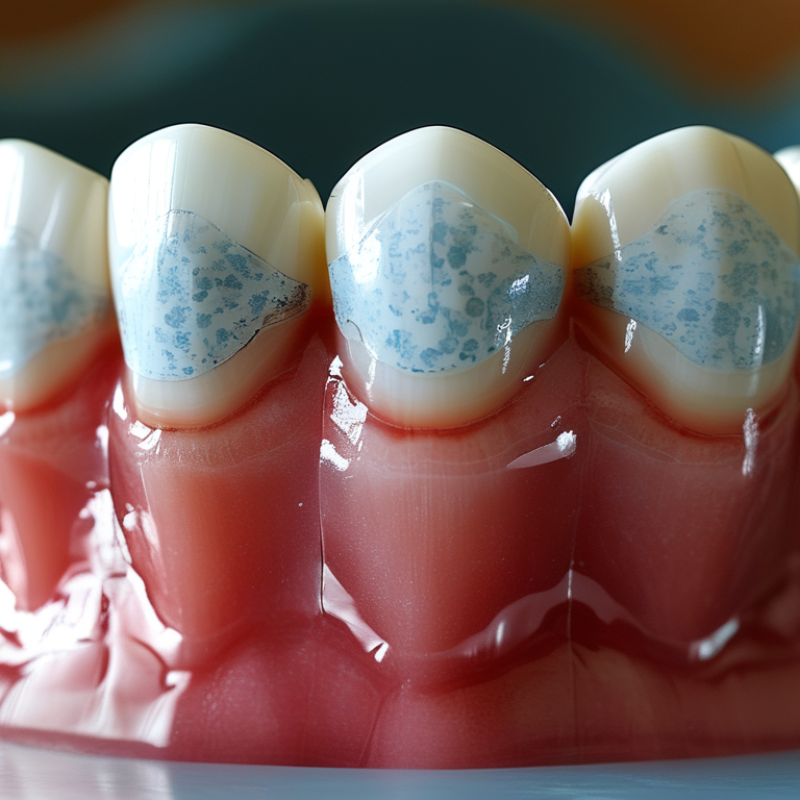
Teeth whitening strips are popular for achieving a brighter smile. However, their ingredients can be a concern for those with braces. Most strips contain hydrogen peroxide or carbamide peroxide, which can effectively lighten teeth. Yet, these ingredients may not differentiate between your natural teeth and the enamel around braces.
A study published in the "Journal of Dentistry" highlighted that whitening agents can lead to uneven coloring when aligned with braces. Users often find that, post-treatment, their teeth may look discolored or stained around brackets. This is crucial for anyone considering whitening while wearing braces.
Tips: Always consult your orthodontist before using any whitening treatments. They can suggest safe alternatives that won't harm your braces. Consider waiting until your braces are removed for the best results. Maintaining good oral hygiene is essential. It helps prevent discoloration and enhances your overall smile.
Using teeth whitening strips while wearing braces can be risky. Consulting your orthodontist before starting is essential. They are experts in dental care and can provide personalized advice. Whitening strips may not only affect the brace brackets but can also cause uneven whitening. A report by the American Association of Orthodontists highlights that patients with braces should approach whitening cautiously.
The risks include irritation of gums or teeth sensitivity. Some whitening agents may also weaken the glue holding braces in place. Before applying any product, your orthodontist can evaluate your dental health. They can suggest safe products or alternatives tailored to your needs.
**Tips:** Ensure proper oral hygiene before using strips. Brush and floss to remove debris. Follow the usage instructions strictly. If you experience discomfort, stop use immediately. Keeping an open line of communication with your orthodontist is vital. Regular dental check-ups will help monitor your progress and address any concerns. Your journey to a whiter smile should always prioritize safety and health.
| Step | Action | Notes |
|---|---|---|
| 1 | Consult your orthodontist | Ensure that whitening strips are suitable for your braces. |
| 2 | Choose the right whitening strips | Opt for strips specifically designed for braces. |
| 3 | Follow the application instructions | Apply as per the user manual provided with the strips. |
| 4 | Monitor for sensitivity | Stop using if you experience excessive sensitivity. |
| 5 | Maintain oral hygiene | Brush and floss regularly for best results. |
Using teeth whitening strips with braces can be challenging but possible with proper care. The American Dental Association notes that white spots can develop on teeth when braces are removed, often due to uneven staining. Therefore, it is important to approach whitening carefully to avoid uneven results.
Before applying whitening strips, ensure your braces are clean. Brush and floss thoroughly. This helps in avoiding trapped debris that may lead to gum irritation. When placing the strips, align them carefully to cover the teeth without placing them on the brackets or wires. A 2022 report highlighted that nearly 30% of orthodontic patients experienced discomfort when whitening improperly. Monitor your wear time closely. Overusing these products can increase tooth sensitivity and lead to gum irritation.
Afterward, rinse your mouth with water. This helps to wash away any residual whitening agents. Many users report an uneven color after using strips with braces. If you notice significant discoloration or sensitivity, consult your orthodontist. In some instances, professional whitening treatments may be a safer and more effective alternative.
Using teeth whitening strips can be challenging for individuals with braces. To ensure safety and effectiveness, there are several best practices to follow. Begin by consulting with your orthodontist before starting any whitening process. They can provide personalized advice based on your dental needs. Not all whitening strips are suitable for use with braces. Some may not adhere well, reducing their effectiveness.
If you proceed, apply the strips carefully. Make sure the strips do not cover the brackets or wires. This can prevent uneven whitening and might irritate your gums. Keep the strips on for the recommended time and avoid using them too frequently. Overuse can lead to tooth sensitivity, especially when braces are involved.
Remember, achieving a bright smile while wearing braces may require patience. The whitening process might not yield immediate results. It’s essential to monitor your teeth for any changes during treatment. If you experience discomfort or excessive sensitivity, pause the use of strips. Ultimately, your goal should be to maintain oral health while enhancing your smile safely.
This chart shows the effectiveness of various teeth whitening methods among individuals with braces, focusing on their perceived satisfaction after using the products. The data reflects a survey of individuals using braces and comparing different whitening methods.
Teeth whitening can be challenging for those with braces. Traditional whitening strips may not work effectively. They don't reach all the areas around the brackets. However, there are alternative methods to achieve a brighter smile while wearing braces.
One option is to use professional whitening treatments. Dentists can provide safe whitening solutions tailored for braces wearers. According to the American Dental Association, professional treatments can lighten teeth by several shades without damaging braces. Another option is to use whitening toothpaste. It contains mild abrasives that can help remove surface stains, though the results might take longer.
Tips: Always consult with an orthodontist before trying any whitening method. They are the best source of guidance for your specific situation. Regular dental cleanings are also essential. They can help maintain brightness and health during your orthodontic treatment.
Maintaining good oral hygiene is crucial. Brush and floss diligently around brackets and wires. This routine can help prevent stains from forming. If you're unsure about a product, conduct a patch test or seek professional advice. A well-informed approach can lead to an effective and safe whitening experience.
) Yes, but it’s challenging. Consult your orthodontist before starting.(Q) What ingredients do whitening strips typically contain? (A) Most contain hydrogen peroxide or carbamide peroxide. These lighten teeth effectively. (Q) Will whitening strips cause uneven coloring with braces? (A) Yes, whitening agents can lead to uneven tones. This happens around brackets.(Q) What should I do before applying whitening strips? (A) Clean your braces thoroughly. Brush and floss to avoid trapped debris.(Q) How can I apply whitening strips safely? (A) Align strips carefully. Avoid covering brackets or wires.(Q) What happens if I use strips too often? (A) Overuse can increase sensitivity and lead to gum irritation. (Q) How do I rinse after using whitening strips? (A) Rinse your mouth with water to remove any residual agents.(Q) What if I notice significant discoloration after using strips? (A) Consult your orthodontist. Professional whitening may be a better option.(Q) Are there risks when using whitening strips with braces? (A) Yes, there’s a risk of uneven whitening and discomfort. (Q) What’s the best approach to teeth whitening with braces? (A) Be patient and focus on oral health. Monitor any changes during treatment.
Using teeth whitening strips with braces requires careful consideration to ensure safety and effectiveness. It is important to first understand the ingredients in whitening strips and how they might interact with braces. Consulting your orthodontist is essential before beginning any whitening treatment, as they can provide personalized advice based on your specific dental situation.
Once you have the green light from your orthodontist, applying whitening strips can begin. Following a step-by-step guide will help you achieve the best results while minimizing potential risks. Best practices include ensuring that the strips are applied properly and adhering to usage guidelines strictly. Additionally, there are alternative teeth whitening methods available for those with braces, which can be explored if traditional strips pose challenges. Ultimately, the question, "can you use teeth whitening strips with braces," is best answered with caution and professional guidance.
