Teeth whitening products are popular for brightening smiles. However, many users report increased sensitivity afterward. An expert in dentistry, Dr. Emily Carter, noted, "Many patients experience sensitivity after whitening due to the ingredients used." This raises an essential question: why do teeth get sensitive after using whitening products?
The primary reason involves the active ingredients. Most whitening products contain hydrogen peroxide or carbamide peroxide. These compounds penetrate the enamel and reach the nerves inside the teeth. This exposure can lead to discomfort in sensitive individuals. Additionally, existing microfractures in the enamel can exacerbate the sensitivity.
It's crucial to understand personal dental health before starting a whitening regimen. Some people may find the process too uncomfortable. Others might not experience any issues at all. Therefore, consulting with a dental professional is wise. Sharing experiences and seeking advice can help navigate the nuances of this popular treatment.
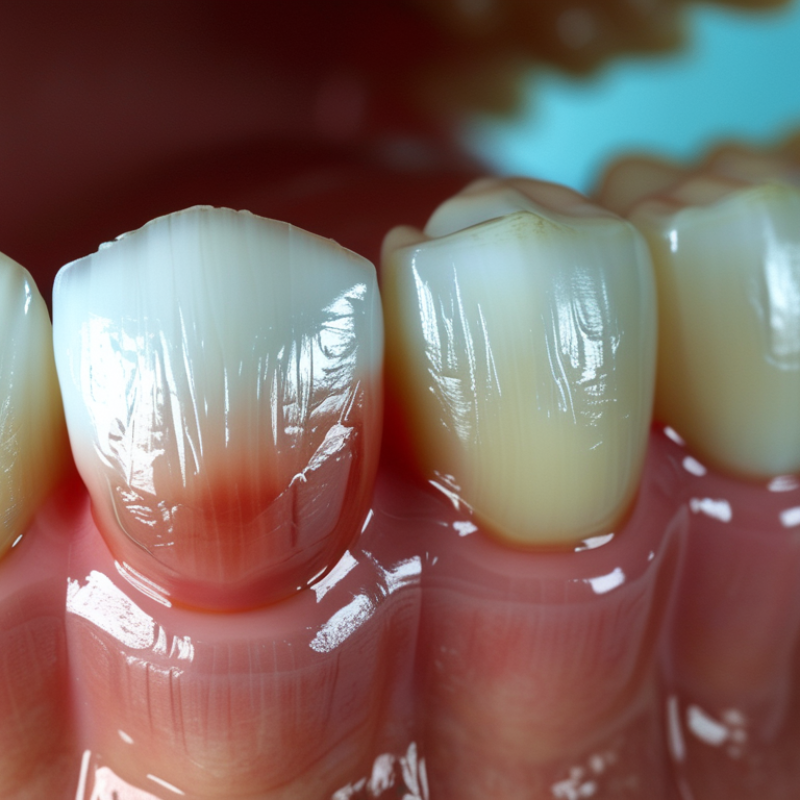
Dental sensitivity is a common experience after whitening treatments. Many people report discomfort when consuming hot or cold foods. This can be surprising, especially if you’re looking for a brighter smile.
The primary cause of sensitivity is the whitening agents used in these treatments. They penetrate the enamel and dentin layers of the teeth. This process can temporarily irritate the nerves inside the teeth. It’s important to understand that not everyone experiences the same level of sensitivity. Some individuals may find the discomfort mild, while others feel significant pain.
Additionally, pre-existing dental issues can exacerbate sensitivity. If you have cavities or gum recession, whitening may increase your discomfort. Using products meant for sensitive teeth can help mitigate these effects. Consider adjusting the frequency of your treatments, too. Longer intervals between sessions may allow your teeth to recover. Tracking your sensitivity can help you find a comfortable balance.
Tooth sensitivity after using whitening products is a common issue. Understanding this phenomenon requires knowledge of tooth structure and the chemical processes involved. When whitening agents penetrate the enamel, they can affect the dentin layer underneath. This layer contains tiny tubules that connect to nerve endings. When the enamel is compromised, these nerve endings can become exposed, leading to sensitivity.
Many people experience a brief discomfort after whitening. This discomfort might manifest as sharp pain when consuming hot or cold foods. The severity of sensitivity varies among individuals. Some may find it tolerable, while others experience significant discomfort. Factors like the concentration of the whitening agent and duration of application can influence the degree of sensitivity.
After whitening, proper dental care is essential. Using desensitizing toothpaste can help alleviate some discomfort. However, if sensitivity persists, consulting a dental professional is crucial. They can evaluate the underlying causes and recommend appropriate treatments. It’s also important to reflect on personal dental health and habits. Adjusting them can lead to better results and minimize sensitivity in the future.
| Factor | Description | Sensitivity Level | Duration of Sensitivity |
|---|---|---|---|
| Hydrogen Peroxide | Common whitening agent that can penetrate enamel and irritate the nerve endings. | Moderate | 1-3 days |
| Whitening Strips | Applications that may cause uneven exposure, leading to heightened sensitivity in some areas. | Low to Moderate | Up to 1 week |
| Pre-existing Dental Issues | Cavities or gum disease can be exacerbated by whitening products, causing increased sensitivity. | Severe | Varies |
| Overuse of Products | Frequent use of high-concentration products can lead to enamel erosion and prolonged sensitivity. | High | Days to weeks |
| Post-Whitening Care | Using desensitizing toothpaste can help mitigate sensitivity after whitening treatments. | Variable | Depends on individual response |
Whitening products often contain ingredients that can lead to tooth sensitivity. Hydrogen peroxide and carbamide peroxide are common bleaching agents. These compounds penetrate enamel and reach the underlying dentin, where nerves are located. This can result in heightened sensitivity.
Potassium nitrate is another ingredient frequently used in these products. It works to block nerve signals, helping with sensitivity. However, not everyone responds well to this component. Some might find their sensitivity increases after using whitening products. The concentration of these ingredients is crucial. Higher concentrations can amplify discomfort.
Here are a few tips to manage sensitivity. Consider using a toothpaste formulated for sensitive teeth. These products can help alleviate discomfort during and after whitening. It's wise to limit the frequency of whitening sessions. Giving your teeth time to recover can reduce sensitivity. Always consult with a dental professional before starting any whitening treatment. Their guidance can help you choose the right product tailored to your needs.
Teeth sensitivity after using whitening products is common, affecting about 30-50% of individuals. This discomfort primarily arises from several factors. The composition of whitening agents, especially hydrogen peroxide or carbamide peroxide, can temporarily weaken tooth enamel. This weakening allows stimuli to penetrate more easily, leading to sensitivity.
Research highlights that individuals with thinner enamel experience heightened sensitivity. A study published in the Journal of Dentistry indicates that 60% of patients with enamel erosion reported increased sensitivity after whitening treatments. Additionally, personal habits, such as brushing too hard or consuming acidic foods, can exacerbate this issue post-whitening.
Moreover, pre-existing dental conditions play a significant role. Untreated cavities or gum recession can lead to amplified sensitivity when whitening agents are applied. As a result, patients should consult with dental professionals before starting any whitening regimen. Understanding these factors is crucial for minimizing discomfort and achieving a healthier smile.
Tooth sensitivity after using whitening products is common. Many people experience discomfort as a result of the active ingredients in these products. Whitening agents can penetrate the enamel and reach the nerves inside the teeth. This often leads to short bursts of pain or sensitivity to hot and cold.
To manage this sensitivity, it’s essential to take specific steps. Using a toothpaste designed for sensitive teeth can help alleviate discomfort. These types of toothpaste contain compounds that block pain signals and provide relief. Additionally, limiting the consumption of acidic foods and drinks during this time can be beneficial. Acids can further aggravate sensitivity and create more discomfort.
Maintaining a consistent oral care routine is vital. Rinsing with a fluoride mouthwash can strengthen enamel. Similarly, scheduling regular dental check-ups ensures your teeth remain healthy throughout the whitening process. If discomfort persists, it is wise to consult with a dental professional. They can offer personalized advice and determine if a different approach to whitening is needed.
: Tooth sensitivity occurs when whitening agents penetrate enamel and expose nerves in the dentin layer beneath.
Many experience sharp pain with hot or cold foods. Sensitivity can vary from mild to severe.
The concentration of whitening agents and application duration can significantly affect sensitivity levels experienced.
Using desensitizing toothpaste can help. Limiting acidic foods and drinks is also beneficial for managing discomfort.
Consult a dental professional. They can evaluate your condition and suggest appropriate treatments or products.
No, different products have varying ingredients and concentrations, which affect sensitivity levels for each person.
Use products designed for sensitive teeth and limit whitening sessions, allowing time for recovery between treatments.
Yes, ingredients like hydrogen peroxide or high concentrations of whitening agents can increase discomfort for some users.
A consistent routine helps strengthen enamel and may reduce sensitivity. Regular dental check-ups support ongoing dental health.
Potassium nitrate can block nerve signals, but it may not work for everyone and could even intensify sensitivity in some cases.
Teeth sensitivity after using whitening products is a common concern for many individuals seeking a brighter smile. Understanding why this sensitivity occurs requires exploring the science behind tooth sensitivity and the common ingredients found in whitening products. Ingredients like hydrogen peroxide and carbamide peroxide, while effective in removing stains, can lead to increased sensitivity by penetrating the enamel and irritating the nerves within the teeth.
Additionally, factors such as the concentration of whitening agents, the duration of exposure, and individual dental health can influence sensitivity levels post-whitening. To manage and reduce discomfort, it is advisable to use desensitizing toothpaste, limit the frequency of whitening treatments, and consult a dental professional for personalized recommendations. In summary, addressing the question of "why do teeth get sensitive after using whitening products" involves a blend of scientific understanding and practical management strategies.
