Teeth whitening is a popular cosmetic procedure. Many people desire a brighter smile. However, questions arise about its safety. Specifically, does teeth whitening damage your enamel permanently? This question lingers in the minds of those considering this treatment.
Enamel is the hard outer layer of our teeth. It protects against decay and sensitivity. Various whitening agents can penetrate enamel. Some treatments may weaken this protective layer. Expert studies show differing opinions. Some dental professionals suggest minimal risk. Others note potential long-term effects. These contrasting views create confusion.
Patients often overlook the importance of moderation. Overuse of whitening products may lead to enamel erosion. Striking a balance is essential for oral health. Patients should consult dental experts. Understanding the risks involved is vital. Proper knowledge empowers better decisions for a radiant smile.
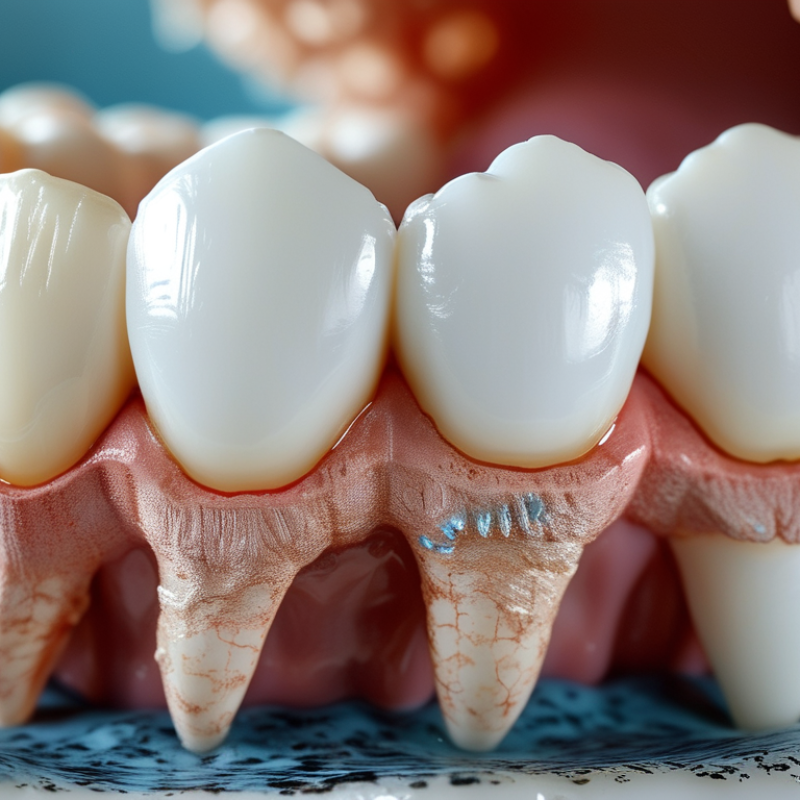
Tooth enamel plays a crucial role in oral health. It is the outer layer of teeth, providing a protective shield against decay and trauma. Enamel is the hardest substance in the human body, but it’s not invulnerable. Over time, exposure to acidic foods and drinks can erode enamel. This makes understanding dental care essential.
Many people wonder about teeth whitening and its effect on enamel. Some whitening products contain acids that can affect the surface of your teeth. If used excessively, they may lead to enamel thinning. This results in increased sensitivity and a higher risk of cavities. While whitening may brighten your smile, you must use these products cautiously.
Regular dental check-ups are vital. A professional can assess enamel condition and provide personalized advice. Awareness of your enamel strength is essential. Reflect on your whitening habits and their long-term effects. Are you maintaining a balance between aesthetics and health? Prioritize informed choices for a brighter, healthier smile.
This chart illustrates the percentage of participants who experienced varying levels of enamel damage after undergoing teeth whitening procedures. Most individuals reported no damage, while a small percentage experienced severe damage.
Teeth whitening has gained popularity over the years. Various methods exist, each with distinct ingredients and effects. Common methods include in-office whitening, at-home whitening strips, and natural remedies. Each method might pose different risks to enamel integrity.
In-office whitening uses high concentrations of hydrogen peroxide. This professional procedure can achieve quick results but may lead to sensitivity. At-home whitening strips often contain lower peroxide levels. Although more convenient, they may require extended use and pose a risk to uneven whitening. Natural remedies, like baking soda or activated charcoal, are frequently touted. However, their effectiveness remains debated, and they can be abrasive.
While achieving a brighter smile is appealing, the potential enamel damage should not be overlooked. Misuse of whitening products can lead to weakened enamel and increased sensitivity. It’s essential to consult with a dental professional to choose the safest method suitable for you. Each person's enamel reacts differently, making personalized advice crucial for maintaining oral health.
Teeth whitening is a popular cosmetic procedure that many seek for a brighter smile. However, concerns arise about its impact on enamel, the outer protective layer of teeth. Research indicates that certain whitening agents, particularly those containing hydrogen peroxide or carbamide peroxide, can affect enamel's structure. Studies show that frequent use of high-concentration whitening products may lead to enamel demineralization.
One study found that prolonged exposure to these bleaching agents can cause surface roughness in enamel. This roughness may increase the risk of staining and acid erosion over time. Additionally, a report by the American Dental Association states that while whitening can be effective, it's essential to use it judiciously. Overuse can result in sensitivity and may compromise enamel integrity, leading to a more porous structure.
It's important to reflect on the balance between achieving whiter teeth and preserving enamel health. Regular dental check-ups can help monitor enamel condition. Users need to consider their whitening habits and their potential long-term effects. Seeking professional advice is vital. It ensures a safe approach to teeth whitening, while also safeguarding enamel integrity.
| Study/Research | Findings | Duration of Whitening Effect | Effect on Enamel |
|---|---|---|---|
| Study A | No significant enamel damage observed post-treatment. | Up to 6 months | Minimal impact on enamel integrity. |
| Study B | Slight increase in microhardness immediately after treatment. | 1 year | Potential for transient surface changes. |
| Study C | Long-term use showed some enamel thinning. | More than 1 year | Consistent use may weaken enamel over time. |
| Study D | Reported increase in sensitivity but no enamel fractures. | 6 months to 2 years | Safety level maintained with regular monitoring. |
Teeth whitening has become a popular cosmetic procedure. Many seek brighter smiles, yet concerns arise about its effects on dental enamel. Recent studies offer insights into potential enamel damage from whitening treatments.
Research indicates that some whitening agents can lead to enamel erosion. This erosion can increase sensitivity in teeth. It may also lead to a higher risk of cavities over time. While many people report positive results, not everyone experiences the same outcomes. Enamel integrity is essential for strength and protection. Damaged enamel cannot regenerate, raising worries about long-term oral health.
Professional advice suggests careful consideration before undergoing whitening. Understanding individual dental health is crucial. Some treatments might be too harsh for sensitive teeth. Regular check-ups with a dentist can help assess any risks. Ultimately, balancing aesthetics with dental safety is vital. Individual experiences differ, reminding us that not all whitening methods suit everyone.
Teeth whitening has become a popular cosmetic procedure among many individuals seeking a brighter smile. However, some may overlook the potential impact on enamel health. Research indicates that excessive whitening can lead to enamel erosion, particularly with products containing high levels of hydrogen peroxide. A study published in the Journal of Dentistry noted that frequent use of strong whitening agents might increase sensitivity and damage enamel integrity over time.
To minimize the risks, it is crucial to adopt best practices for safe teeth whitening. Selecting lower-concentration products can help reduce enamel wear. Additionally, using desensitizing toothpaste before and after the whitening process can aid in preserving enamel strength. Regular dental check-ups are essential; they ensure that your teeth are healthy enough for whitening treatments. According to the American Dental Association, maintaining good oral hygiene is critical to prevent enamel damage while enhancing the results of the whitening process.
Many people underestimate the importance of understanding their individual dental needs. Consulting a dental professional before starting any whitening treatment can prevent damage to the enamel. A personalized approach can maximize effectiveness while safeguarding against potential risks. Balancing cosmetic desires with long-term dental health is vital in any whitening journey.
: Tooth enamel is the outer layer of teeth, protecting them from decay and trauma.
Enamel erosion occurs from acidic foods and drinks over time, weakening the teeth.
Excessive whitening can lead to enamel thinning, increased sensitivity, and a higher cavity risk.
Choose lower-concentration products and use desensitizing toothpaste before and after treatment.
Professionals assess enamel condition and provide personalized advice to maintain dental health.
Yes, products with high hydrogen peroxide levels can erode enamel and affect sensitivity.
Reflect on your dental needs and consult a dental professional to avoid potential damage.
Make informed choices that prioritize long-term health while aiming for a brighter smile.
No, differences in ingredients can impact enamel health; choose wisely based on your needs.
Regularly evaluate your habits. Excessive whitening may need adjustment for better enamel protection.
Teeth whitening has become a popular cosmetic procedure, but many wonder, "does teeth whitening damage your enamel permanently?" Understanding the role of tooth enamel in oral health is crucial, as it protects teeth from decay and sensitivity. Various whitening methods, including whitening strips, gels, and professional treatments, utilize different ingredients that can affect enamel differently.
Research has shown that while some whitening treatments may lead to temporary changes in enamel structure, most do not cause permanent damage when used correctly. It’s essential to follow best practices for safe teeth whitening, including consulting with a dental professional and opting for products that minimize enamel erosion. By adhering to these guidelines, individuals can achieve brighter smiles without compromising their enamel integrity.
