Can I Use IPL on My Face Every Day 7 Safety Tips?

Time:2026-10-24 Author:Amelia
0%

Can I use an IPL device on my face every day? The honest answer is usually no. Home IPL devices create controlled light pulses that target melanin in hair follicles or uneven pigmentation. Facial skin is thinner, more sensitive, and closer to the eyes. Daily exposure may cause redness, swelling, dryness, blistering, or darker pigmentation. Sometimes, irritation appears hours later.

The American Academy of Dermatology advises following professional guidance before using light-based hair-removal devices. The U.S. Food and Drug Administration also requires users to follow each device’s intended-use instructions. A 2024 Grand View Research report shows continued growth in the home-use IPL and light-based beauty-device market. More devices do not mean more frequent treatment is safer. That part is easy to forget.

Board-certified dermatologist Dr. Hadley King explains, “At-home devices are less powerful than professional devices, but they still require careful use.” Her point matters. Lower energy can still affect sensitive facial tissue, especially after exfoliation, sun exposure, or retinoid use. Manufacturer schedules commonly recommend waiting several days between facial treatments, but timing varies by device and skin type. Treating every day may also provide little extra benefit because hair grows in cycles, not all at once.

This guide examines seven practical safety tips. It covers patch testing, eye protection, skin-tone limitations, medication concerns, and warning signs. A small test area near the jaw can reveal irritation before full-face use. Stop if burning continues. Seek medical advice if blistering, severe swelling, or lasting discoloration develops. Before asking, “can i use an ipl device on my face every day,” check the manual, your skin’s response, and a qualified clinician’s advice.
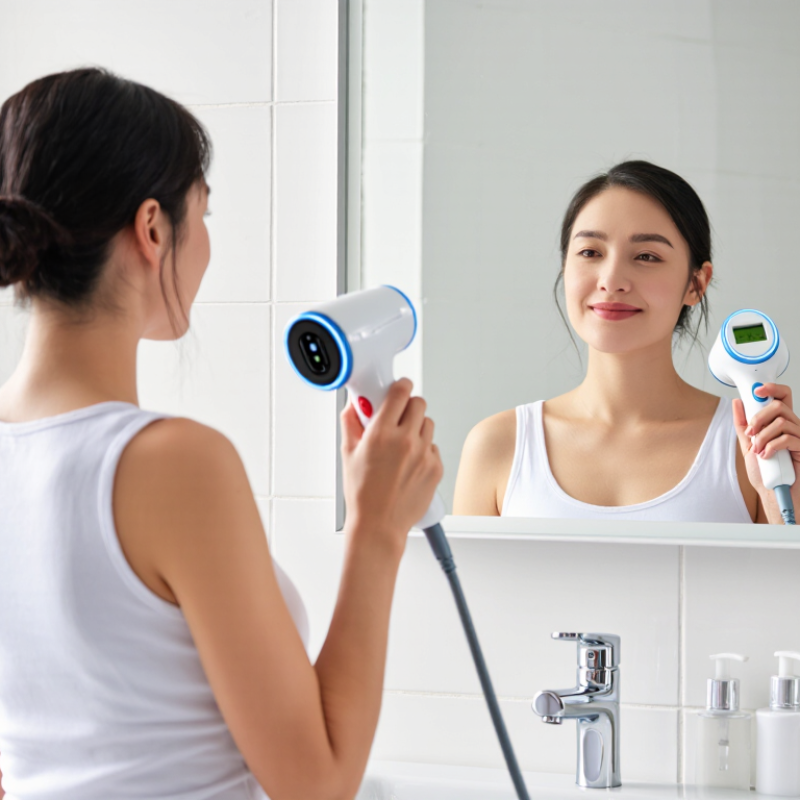
Can I Use IPL on My Face Every Day 7 Safety Tips?

How IPL Works on Facial Skin

IPL, or intense pulsed light, sends broad-spectrum light into facial skin. Melanin in hair absorbs the light and changes it into heat. That heat can weaken the follicle and reduce future growth. The process is not instant. Hair grows in cycles, so treated hairs respond differently.

IPL may also target hemoglobin in visible redness. However, facial skin is delicate and less forgiving than leg skin. Daily use is not recommended. Skin needs time to recover between sessions. Follow the device instructions or a qualified dermatologist’s plan. Never skip a patch test. Use clean, dry skin, and protect your eyes carefully.

Avoid IPL on recently tanned or sunburned skin. Extra melanin can absorb more heat, increasing burn or dark-spot risks. Check medicines and skincare products that may increase light sensitivity. Stop after severe pain, blistering, swelling, or lasting redness. Seek medical advice when needed. Darker skin tones require particular caution and professional suitability checks. It is tempting to believe stronger light brings faster results. That assumption can backfire. Even careful guidance has limits, because skin reacts differently.

Can I Use IPL on My Face Every Day? 7 Safety Tips

IPL is not designed for daily facial use. Light energy targets pigment and can temporarily stress the skin, so adequate recovery time is essential.

The timing shown represents commonly used conservative safety intervals: allow about 14–28 days between facial IPL sessions, avoid intentional tanning before and after treatment, wait at least 24–48 hours after a patch test before treating a larger area, and pause potentially irritating products according to a clinician or device instructions. Daily IPL is not recommended. Always follow the specific instructions for your device and seek professional advice if you have darker skin, active irritation, or photosensitivity.

Can You Use IPL on Your Face Every Day?

Can you use IPL on your face every day? Usually, no. Facial IPL needs recovery time between sessions. Light targets pigment or hair follicles, and repeated exposure can irritate skin. Most home devices recommend waiting several days or longer. The correct interval depends on the device, treatment goal, skin tone, and sensitivity. Read the instructions carefully, even if the routine seems simple. A dermatologist can offer safer guidance for melasma, rosacea, acne medication, or recently tanned skin.

Tips: Start with clean, dry skin and use the lowest comfortable setting. Patch-test a small area first. Wait 24 to 48 hours before treating the full face. Wear recommended eye protection. Never flash over eyelids, lips, moles, or broken skin. Mild warmth can happen. Persistent pain cannot be ignored. Stop if burning, swelling, blistering, or unusual darkening appears.

In practice, consistency matters more than intensity. A common mistake is increasing the setting after slow results. That choice can leave redness for days. Give your skin time to settle, and record each session with notes or photos. Avoid exfoliating acids, retinoids, waxing, or strong heat around treatment unless a qualified professional approves them. Apply broad-spectrum sunscreen daily, because treated skin may react more strongly to sunlight.

Recommended Treatment Intervals for Facial IPL

Can I Use IPL on My Face Every Day? No. Facial IPL needs recovery time, and daily flashes can irritate the skin without improving results. Professional protocols commonly schedule treatments every three to six weeks. Hair-focused sessions often follow the growth cycle, while pigmentation or redness treatments may use intervals of four weeks or longer. The American Academy of Dermatology Association reports that many patients need six or more hair-removal sessions, not daily treatment.

Follow seven practical safeguards: check the device’s instructions, complete a patch test, use protective eyewear, avoid recently tanned skin, reduce strong exfoliants before treatment, moisturize afterward, and stop if blistering or severe pain appears. A 2023 review in Lasers in Medical Science also describes temporary redness, swelling, and pigment changes as recognized IPL reactions. Darker or recently tanned skin may face a higher burn risk.

Timing still needs judgment. Facial skin can look calm while deeper irritation develops. I would rather miss a session than shorten the interval carelessly. Avoid treating active acne wounds, cold sores, or unexplained rashes. Ask a qualified dermatologist before treatment if you use photosensitizing medicine or have a history of pigment changes. Keep a simple treatment log: date, energy setting, redness duration, and any delayed reaction. This record helps reveal whether four weeks is suitable, or whether your skin needs longer recovery. Guidance from the American Academy of Dermatology and published clinical reviews should outweigh online schedules.

Seven Safety Tips for At-Home Facial IPL

Can I Use IPL on My Face Every Day? Seven Safety Tips for At-Home Facial IPL

Daily facial IPL is not a safe shortcut. Most at-home devices need several days between sessions, often one to two weeks, according to their instructions. Hair grows in cycles, so repeated daily flashes cannot treat every follicle. A review in Lasers in Medical Science reported that home light-based treatments usually cause temporary redness, warmth, or swelling, but incorrect use can produce burns or pigment changes. Skin tone, hair color, medication, and device strength all matter.

Tip 1: Read the manual carefully. Tip 2: Perform a patch test on your jawline and wait 24 to 48 hours. Tip 3: Use clean, dry skin without perfume, oils, or makeup. Tip 4: Avoid freshly tanned skin, tanning beds, and self-tanner. Darker skin may absorb more light and needs extra caution. Tip 5: Never flash over the eyes, lips, moles, tattoos, or irritated skin. Tip 6: Wear the recommended eye protection. Tip 7: Stop after sharp pain, blistering, crusting, or lasting discoloration, and seek qualified medical advice.

A 2023 review in the Journal of Cosmetic Dermatology emphasized screening and consistent settings as key safety factors for light-based hair reduction. I would not treat daily use as harmless, even when redness disappears quickly. A cooling compress may soothe mild warmth. Sunscreen remains essential after treatment, because recently exposed facial skin can react more easily to sunlight.

Can I Use IPL on My Face Every Day 7 Safety Tips? - Seven Safety Tips for At-Home Facial IPL
Tip Safety Dimension Recommended Practice Why It Matters Timing or Frequency Stop or Seek Medical Advice If
1 Do not use IPL every day Use facial IPL only at the interval stated in the device instructions. Do not add extra sessions because daily treatment does not generally improve results and may increase skin irritation. IPL produces heat in the hair follicle and the surrounding skin needs time to recover. Repeated exposure too soon can contribute to redness, burns, swelling, or changes in skin color. Follow the manufacturer’s treatment schedule; many home devices use spaced sessions rather than daily treatment. Redness lasts longer than about 24–48 hours, or the skin develops increasing pain, blistering, crusting, or marked swelling.
2 Perform a patch test Test a small area on the intended facial treatment zone using the device’s recommended setting. Observe the skin before treating a larger area. Individual reactions vary, and a patch test can help identify excessive sensitivity before broader exposure. Complete the test before the first full treatment and repeat it after a long break, a new skincare routine, or a change in skin condition. The test area develops severe discomfort, blistering, persistent swelling, unusual pigmentation, or a rash.
3 Check skin tone and hair color suitability Read the device eligibility guidance before use. IPL may be ineffective on very light, red, gray, or white hair and may carry a higher burn risk on very dark or recently tanned skin. IPL targets pigment in the hair. Excess pigment in the skin can also absorb light and increase the chance of injury. Recheck suitability after tanning, sun exposure, or any significant change in skin pigmentation. The device indicates that your skin or hair type is unsuitable, or the skin is recently tanned or sunburned.
4 Protect the eyes and sensitive facial areas Keep the flashes away from the eyes, eyelids, eyebrows, temples, lips, and other areas excluded by the instructions. Never look directly at the flash. Intense pulsed light can be hazardous to the eyes and may cause pain or visual injury if used too close to them. Use eye protection only if the device instructions specifically require or permit it; do not improvise with ordinary sunglasses. Eye pain, light sensitivity, blurred vision, flashes, floaters, or any change in vision occurs. Seek urgent medical care for visual symptoms.
5 Avoid photosensitizing products and medicines Check with a healthcare professional before treatment if you use medicines or products that can increase light sensitivity. Avoid applying strong irritants, such as retinoids or exfoliating acids, immediately before treatment unless a clinician advises otherwise. Photosensitizing substances and irritated skin can increase the likelihood of burns, inflammation, or uneven pigmentation. Follow professional advice about how long to pause a product or medicine. Do not stop prescribed medication without medical guidance. The skin is peeling, broken, inflamed, sunburned, or unusually sensitive at the planned treatment area.
6 Limit sun exposure and use sunscreen Avoid tanning before and after IPL. Protect treated facial skin with broad-spectrum sunscreen and follow the device’s sun-exposure precautions. UV exposure can increase skin sensitivity and the risk of burns or temporary or lasting changes in pigmentation. Use sun protection daily and postpone treatment when the skin is tanned or sunburned. The treatment area is sunburned, tender, peeling, or noticeably darker than usual.
7 Prepare and monitor the skin Clean and dry the skin, remove cosmetics and creams, and use the device only on intact skin. Follow the recommended intensity and keep the treatment window moving as directed. Clean, undamaged skin helps the light reach the target consistently and reduces avoidable irritation. Excessive pressure or repeated flashes on one spot can increase heat exposure. Inspect the skin before every session and allow any temporary redness or tenderness to settle before treating again. There is severe or worsening pain, blistering, open skin, pus, spreading redness, or a persistent change in pigmentation.
Important: At-home facial IPL is not appropriate for everyone. Follow the specific device instructions and consult a qualified healthcare professional if you have a skin condition, a history of abnormal scarring or pigmentation, an eye condition, or concerns about a medicine or treatment.

Signs to Stop Treatment and Seek Professional Advice

Can I Use IPL on My Face Every Day? 7 Safety Tips

Daily facial IPL is usually a poor choice. Skin needs time to recover between light treatments. Follow the device instructions or a dermatologist’s schedule, not a social-media routine. The American Academy of Dermatology Association lists redness, swelling, burns, pigment changes, scarring, and eye injury among possible light-treatment complications. Your skin tone, medication use, and recent sun exposure can change the risk.

Stop immediately if pain feels sharp, hot, or worsening. Pause treatment when blisters, crusting, open skin, unusual swelling, or spreading redness appear. Seek professional advice for gray, white, or dark patches that remain beyond several days. Blurred vision, light sensitivity, or eye pain needs urgent medical attention. Do not treat irritated skin, active infection, fresh tanning, or areas with unexplained lesions. Protect your eyes exactly as directed.

A 2022 systematic review of home-use IPL studies found that temporary redness and swelling were common, while burns and pigment changes were less frequent but clinically important. “Less frequent” does not mean harmless. The U.S. Food and Drug Administration also explains that adverse-event reports cannot calculate the true rate of complications. That limitation matters. Take clear photos before treatment, record settings, and stop experimenting when results look uneven. A dermatologist can assess persistent discoloration, pain, or suspected burns and recommend safer next steps.

FAQS

Can I use IPL on my face every day?

Usually, no. Facial skin needs recovery time between sessions. Daily flashes may cause irritation without improving results.

How long should I wait between facial IPL sessions?

Many professional schedules use three to six weeks. Pigmentation treatments may need four weeks or longer.

How should I test IPL before treating my whole face?

Use clean, dry skin and the lowest comfortable setting. Patch-test a small area, then wait 24 to 48 hours.

Which facial areas should I avoid?

Do not flash over eyelids, lips, moles, broken skin, active wounds, or unexplained rashes. Small details matter.

What reactions can happen after facial IPL?

Mild warmth, temporary redness, or slight swelling may occur. Burning, blisters, severe pain, or unusual darkening require stopping treatment.

Is facial IPL safe after tanning?

Recently tanned skin may have a higher burn risk. Wait as directed and seek professional advice when uncertain.

Can skincare products affect facial IPL treatment?

Exfoliating acids, retinoids, waxing, and strong heat may increase irritation. Pause them only with qualified guidance.

How can I track whether my treatment schedule is suitable?

Record each date, energy setting, redness duration, and delayed reaction. A simple phone note works. I would not trust memory alone.

What should I do after facial IPL?

Moisturize gently and use broad-spectrum sunscreen daily. Treated skin may react more strongly to sunlight.

What if results seem too slow?

Do not increase the setting quickly. Hair follows growth cycles, and stronger flashes may leave redness for days. I have to admit, patience feels inefficient.

Conclusion

Intense pulsed light (IPL) works by delivering controlled light energy to target pigment and hair follicles, gradually reducing unwanted facial hair and helping improve the appearance of uneven skin tone. However, can i use an ipl device on my face every day? In most cases, daily use is not recommended because facial skin needs time to recover, and excessive exposure may cause redness, dryness, irritation, or pigmentation changes. Follow the device instructions and allow the recommended interval between treatments, which is often several days or weeks depending on the goal and skin response.

For safer at-home facial IPL, perform a patch test, cleanse and dry the skin, use the correct intensity, avoid the eyes and sensitive areas, and protect your skin from sun exposure before and after treatment. Do not use IPL over irritated, damaged, or recently tanned skin. Stop immediately if you experience severe pain, blistering, swelling, burns, or lasting discoloration, and seek advice from a qualified healthcare professional.

Amelia

Amelia

Amelia is a seasoned marketing professional with a wealth of expertise in our company’s core offerings. With an unwavering passion for driving growth and innovation, she plays a pivotal role in shaping our marketing strategies and enhancing brand visibility. A key aspect of her responsibilities......