Why Does My Skin Itch After Using a Derma Roller?

Time:2026-10-16 Author:Mason
0%

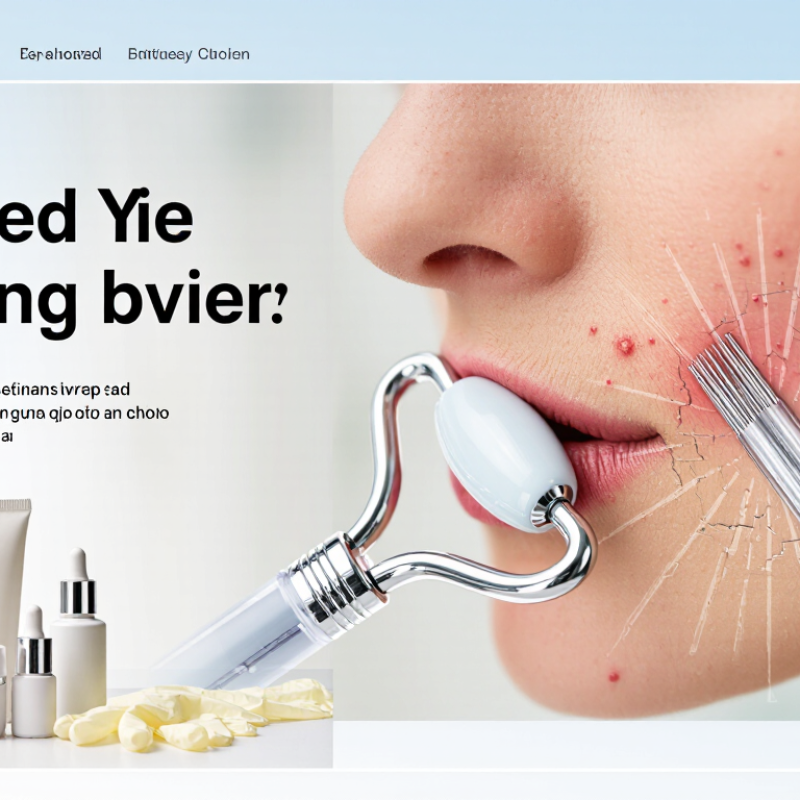
If you have ever noticed prickling, redness, or persistent itching after microneedling at home, you may ask, “why does my skin itch after using a derma roller”? This reaction can be part of the skin’s short-term healing response. Tiny needle punctures may trigger inflammation, dryness, and increased sensitivity. Your face might feel tight near the cheeks, while small red bumps appear around the nose or jawline.

The answer is not always obvious. Irritation can also result from excessive pressure, repeated passes, unclean equipment, or skincare products applied too soon. Fragranced creams, retinoids, acids, and alcohol-based products may sting freshly treated skin. Dermatology guidance generally recommends gentle cleansing, clean hands, and a simple fragrance-free moisturizer during recovery. Do not scratch. It can worsen irritation and introduce bacteria.

Mild itching should gradually improve as the skin barrier repairs itself, often within a few days. However, worsening swelling, intense warmth, pus, spreading redness, severe pain, or blistering deserves prompt medical advice. These symptoms may indicate infection, allergic contact dermatitis, or another complication rather than ordinary healing. A qualified dermatologist can assess your skin type, technique, device depth, and aftercare routine.

It is tempting to label every itch as normal. That shortcut can be risky. The safest explanation depends on timing, severity, hygiene, and the products used afterward. This guide examines common causes, practical aftercare, avoidable mistakes, and signs that professional evaluation is needed. Because skin does not heal identically, cautious observation matters more than forcing a quick result.
Why Does My Skin Itch After Using a Derma Roller?

What Happens to Skin During and After Derma Rolling

Why Does My Skin Itch After Using a Derma Roller?

What Happens to Skin During and After Derma Rolling

A derma roller creates tiny punctures across the skin’s surface. These controlled injuries briefly weaken the protective barrier and increase water loss. Your skin then releases inflammatory signals while beginning repair. That process can feel like prickling, tightness, warmth, or mild itching. It is tempting to treat every itch as proof of healing. That assumption is too simple.

The American Academy of Dermatology reports that redness, swelling, burning, and discomfort may follow microneedling for several days. The FDA also lists bleeding, infection, bruising, and pigment changes as possible risks. It warns that microneedling devices are not automatically approved for delivering cosmetics or medication through the skin. During recovery, avoid scratching, exfoliating acids, retinoids, fragranced products, and heavy friction. Use gentle cleansing and broad-spectrum sun protection instead.

Mild itch usually improves as the barrier repairs. Escalating itch is different. Stop using the roller if you notice spreading redness, pus, marked swelling, blisters, fever, or persistent pain. A 2021 review in Dermatologic Surgery describes temporary inflammation as common, but evidence for consumer rollers remains less robust than evidence for supervised clinical procedures. That gap deserves attention. Needle depth, pressure, hygiene, and skin condition can change the outcome considerably. Skin that feels “tight and shiny” may simply be irritated, not improved. Consult a qualified medical professional when symptoms continue or worsen.

Common Reasons Your Skin Itches After Derma Roller Use

Why Does My Skin Itch After Using a Derma Roller?

Common Reasons Your Skin Itches After Derma Roller Use

Mild itching often comes from temporary irritation. A derma roller creates tiny channels in the outer skin layer. This can trigger redness, warmth, tightness, and a prickling sensation. Dry skin may itch more because water escapes through the disturbed barrier. The sensation usually improves within a day or two.

Technique can also matter. Pressing too firmly, rolling over the same area repeatedly, or using a dull device may increase irritation. Unwashed skin or a poorly cleaned roller can introduce bacteria. That risk becomes greater when the skin feels broken. Fragranced products, exfoliating acids, retinoids, and alcohol-based formulas may sting after treatment. I would not assume the roller itself is always responsible.

Sometimes, itching signals contact dermatitis. This may happen after applying a new serum, cream, or disinfectant. Look for spreading redness, swelling, blisters, or intense burning. Stop rolling and rinse gently with lukewarm water. Use a simple, fragrance-free moisturizer, and avoid scratching. Keep active ingredients away until the skin feels normal.

Seek medical advice if pain, pus, increasing warmth, or fever appears. Those signs can indicate infection. Persistent itching also deserves professional assessment. Honestly, home skin procedures are easy to underestimate. A smaller needle and lighter pressure do not remove every risk. Proper cleaning, single-person use, and careful aftercare remain important.

Why Does My Skin Itch After Using a Derma Roller?

Common reasons your skin may itch after derma roller use, grouped by the typical time symptoms begin.

Mild itching within the first 24–72 hours can result from mechanical irritation and normal skin-barrier recovery. Itching that appears after a delay may indicate irritant or allergic contact dermatitis, especially if redness, swelling, or a rash develops. Increasing warmth, pain, pus, spreading redness, or fever may indicate infection and requires medical evaluation. The time ranges shown are approximate clinical patterns, not prevalence rates.

How to Tell Normal Irritation From an Allergic Reaction

Why Does My Skin Itch After Using a Derma Roller?

Mild itching can follow a derma roller because tiny punctures disturb the skin barrier. The American Academy of Dermatology reports that redness, burning, swelling, and tightness may occur after microneedling, often lasting several days. Skin may feel like dry paper or a mild sunburn. That can be normal irritation. It should gradually improve, not spread. Still, home devices are not identical to clinical microneedling, and technique matters more than many tutorials suggest.

An allergic reaction looks different. Itching becomes intense, widespread, or rapidly worsening. Raised welts, facial swelling, blistering, or oozing require prompt medical advice. Trouble breathing or throat swelling is an emergency. The U.S. Food and Drug Administration warns that microneedling devices can cause infection, bleeding, pigment changes, and skin damage when misused. A reaction to cleanser, serum, metal, or disinfectant may also be responsible. I would not assume every itchy patch is “healing”; that assumption can delay care.

Tips: Stop rolling immediately. Rinse gently with lukewarm water, then use a bland, fragrance-free moisturizer. Avoid acids, retinoids, makeup, heat, and scratching for several days. Do not reuse a contaminated roller. Photograph the area and record every product used. If symptoms worsen after 24–48 hours, contact a qualified dermatologist. AAD guidance supports professional assessment when irritation persists, but real skin does not always follow a perfect timeline.

Why Does My Skin Itch After Using a Derma Roller? - How to Tell Normal Irritation From an Allergic Reaction
Feature Typical Normal Irritation Possible Allergic Reaction Possible Infection or Significant Injury Recommended Response
When it usually begins During treatment or within several hours afterward. Often soon after contact with a product, although delayed reactions can occur later the same day or over the next few days. Usually becomes more noticeable after the first day rather than improving steadily. Note the timing and any products applied before and after the procedure.
Itching pattern Mild, localized itching or tingling that gradually settles. Pronounced or persistent itching, especially with raised bumps, welts, or widespread redness. Itching may occur with increasing tenderness, warmth, swelling, or drainage. Stop using the roller and avoid applying new or potentially irritating products.
Redness Light to moderate redness limited to the treated area; it may resemble mild sunburn. Bright, spreading, or sharply demarcated redness; redness may extend beyond the treated area. Redness that expands, feels hot, or develops red streaks can be concerning. Monitor the area. Seek medical advice if redness spreads or does not begin to improve.
Skin texture Mild tightness, dryness, or temporary sensitivity. Raised welts, hives, widespread bumps, or marked swelling. Blisters, open sores, pus-filled spots, crusting, or unusual discoloration. Do not pick, scratch, scrub, or perform another treatment while the skin is irritated.
Expected duration Often improves within a few hours to a couple of days, depending on treatment intensity and skin sensitivity. May persist or worsen until the triggering product or substance is avoided and the reaction is treated. May continue to worsen without appropriate medical evaluation and treatment. Arrange professional advice when symptoms are persistent, worsening, or difficult to distinguish.
Common contributing factors Excessive pressure, repeated passes, a longer needle length, dry skin, or naturally sensitive skin. Reaction to a serum, fragrance, preservative, topical anesthetic, cleanser, or material contacting the skin. Contaminated equipment, inadequate cleansing, excessive skin trauma, or use on active skin lesions. Use only clean, properly maintained equipment and follow appropriate skin-preparation guidance.
What may help Gently cool the skin, use a bland fragrance-free moisturizer if tolerated, and protect the area from sun exposure. Discontinue suspected products and contact a healthcare professional for advice, especially if symptoms are widespread. Prompt medical assessment is appropriate, particularly when pain, warmth, swelling, or discharge increases. Keep aftercare simple and avoid acids, retinoids, alcohol-based products, exfoliants, and fragranced products until recovered.
Symptoms requiring urgent help Usually absent Facial swelling, lip or tongue swelling, throat tightness, wheezing, dizziness, or difficulty breathing Rapidly spreading redness, severe pain, fever, pus, red streaks, or significant swelling Seek emergency care for breathing difficulty or swelling of the mouth or throat. Seek prompt medical care for possible infection.
When to resume treatment Only after redness, itching, tenderness, and sensitivity have fully resolved. Do not resume until a healthcare professional has helped identify the trigger and advised that it is safe. Do not resume until the skin has been medically assessed and completely healed. Restart cautiously, if appropriate, with less pressure and fewer passes; avoid treating active irritation or broken skin.
Important: Mild, short-lived itching can occur as part of temporary irritation, but symptoms alone cannot confirm the cause. Stop the procedure if the skin becomes painful, markedly swollen, blistered, or increasingly red. A qualified healthcare professional should evaluate persistent, worsening, or severe reactions.

Factors That Can Intensify Post-Rolling Skin Itching

Why Does My Skin Itch After Using a Derma Roller?

Factors That Can Intensify Post-Rolling Skin Itching

Mild itching after derma rolling often comes from temporary irritation and increased blood flow. Tiny punctures can trigger histamine release, making the skin feel warm, tight, or prickly. The sensation may become stronger when the roller is pressed too firmly or passed over one area repeatedly. Longer needles also create deeper irritation and usually need more careful aftercare.

Dry skin can itch more than balanced skin. Heat, sweating, tight clothing, and direct sunlight may intensify discomfort during the first day. Applying fragranced products, exfoliating acids, retinoids, or alcohol-based formulas can further disturb the skin barrier. This is where many routines go wrong. More products do not always mean better healing.

A clean roller matters. Residue, dust, or a damaged needle can increase irritation and raise the risk of infection. Use gentle pressure and avoid rolling over active acne, cuts, eczema, or sunburn. Afterward, choose a simple, fragrance-free moisturizer and avoid hot showers or strenuous exercise for a short period. Do not scratch the treated area, even when the urge is strong. Persistent itching, spreading redness, swelling, pus, severe pain, or blistering deserves prompt medical advice. Some reactions are not ordinary healing.

Safe Steps to Relieve Itching and Prevent Future Irritation

Why Does My Skin Itch After Using a Derma Roller?

Mild itching can happen after derma rolling because tiny punctures temporarily disturb the skin barrier. Dryness, pressure, friction, or an unclean roller may increase irritation. Redness should usually remain mild and begin settling within a day. Persistent or worsening symptoms need more attention.

Stop rolling when itching starts. Wash your hands, then rinse the area with cool or lukewarm water. Pat gently with a clean towel. Apply a simple, fragrance-free moisturizer without alcohol or strong active ingredients. Avoid retinoids, exfoliating acids, essential oils, makeup, hot showers, heavy exercise, and direct sunlight for at least 24 hours.

I used to think more pressure meant better results, but that assumption can damage irritated skin. Skin needs recovery, not punishment.

Tips:

Use the device only on clean, intact skin. Follow its cleaning instructions carefully, and never share it. Do not roll over acne, eczema, cuts, cold sores, or sunburn. A cool compress may calm short-term itching. Avoid scratching, even when it feels tempting. Seek medical advice if swelling, hives, pus, severe pain, spreading redness, fever, or breathing trouble appears. Contact a qualified clinician if itching lasts beyond 48 hours or repeatedly returns.

FAQS

Why can skin itch after using a derma roller?

Tiny punctures disturb the skin barrier and increase water loss. Mild inflammation may cause itching, warmth, tightness, or prickling. It should gradually improve. Healing is not guaranteed.

How long can normal irritation last?

Redness, burning, swelling, and discomfort may continue for several days. The skin may resemble dry paper or a mild sunburn. Symptoms should slowly become less noticeable. A perfect timeline does not exist.

What does normal irritation look like?

Normal irritation usually stays limited to the treated area. The skin may feel tight, warm, or slightly itchy. It should not steadily spread or intensify. Tight, shiny skin may only be irritated.

How can someone recognize an allergic reaction?

Intense or rapidly worsening itching may indicate an allergic reaction. Raised welts, facial swelling, blisters, or oozing require prompt medical advice. Throat swelling or breathing trouble requires emergency help. Do not wait.

What should someone do when itching becomes worse?

Stop using the roller immediately. Rinse gently with lukewarm water. Apply a bland, fragrance-free moisturizer. Avoid scratching, heat, makeup, acids, and retinoids for several days. Persistent symptoms need professional assessment.

Which symptoms may suggest infection or serious skin damage?

Spreading redness, pus, marked swelling, fever, or persistent pain are warning signs. Bleeding, bruising, and pigment changes can also occur after misuse. Contact a qualified medical professional if symptoms continue or worsen. Do not assume every problem is healing.

Can skincare products cause itching after rolling?

Yes. Cleanser, serum, fragrance, disinfectant, or metal may trigger irritation or allergy. Record every product used near the treatment area. Avoid introducing several new products at once. That makes the cause harder to identify.

How should the roller and skin be handled after treatment?

Use gentle cleansing and broad-spectrum sun protection. Avoid heavy friction and exfoliation while the barrier repairs. Do not reuse a contaminated roller. Hygiene matters, but home technique remains imperfect.

Conclusion

Why does my skin itch after using a derma roller? Mild itching is often a temporary response to the tiny punctures created during rolling. As the skin begins to repair itself, it may become dry, tight, warm, or slightly irritated. However, itching can also result from excessive pressure, repeated passes over the same area, poor hygiene, using the roller too frequently, or applying products with alcohol, fragrance, acids, or other irritating ingredients immediately afterward.

Normal irritation usually improves within a short time and is accompanied by mild redness or sensitivity. Intense itching, spreading redness, swelling, hives, blisters, pain, or oozing may indicate an allergic reaction or infection and should be evaluated by a healthcare professional. To soothe the skin, stop rolling, avoid scratching, cleanse gently, use a simple fragrance-free moisturizer, and protect the area from sun exposure. Future irritation can be reduced by cleaning the device properly, using light pressure, allowing enough recovery time, and applying only gentle, suitable skincare products.

Mason

Mason

Mason is a seasoned marketing professional with a deep expertise in the company's offerings and a passion for driving brand awareness. With a strong background in digital marketing strategies, he has an innate ability to connect with diverse audiences and effectively communicate product benefits.......