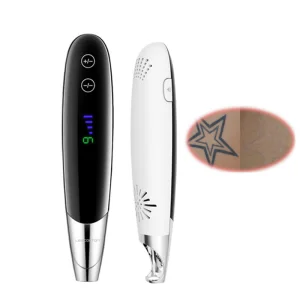
In the rapidly changing landscape of medical aesthetics and clinical-grade skincare, the integration of botanical bio-actives with professional treatment systems has become a non-negotiable standard. High-performance astringents, traditionally dominated by synthetic alcohol-based formulations, are undergoing a profound biotechnological shift. Today, global cosmetic chemists and dermatologists prioritize CE Certified Natural Astringents that utilize plant-derived secondary metabolites to achieve pore contraction, sebum regulation, and tissue repair without disrupting the delicate epidermal lipid barrier.
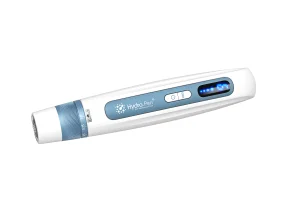
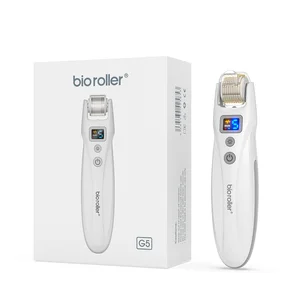
Natural astringents function through the precipitation of proteins on the outermost layers of the skin, creating a temporary protective barrier and tightening local tissues. Compounds such as condensed tannins, hamamelitannin, proanthocyanidins, and organic zinc complexes present in botanicals like Hamamelis virginiana (Witch Hazel), Camellia sinensis (Green Tea), and Rosa damascena offer therapeutic properties far superior to their synthetic counter-parts. For medical spas and clinical salons utilizing advanced transdermal systems—including microneedling (such as our Hydra Pen H5 or Bio Roller G5) and non-invasive lasers—the pre-treatment and post-treatment protocols require biological safety, anti-microbial action, and anti-inflammatory properties that only premium natural astringents can deliver.
Tannins in natural extracts bind to proline-rich proteins in skin tissues, initiating a gentle contraction of the stratum corneum, minimizing pore size, and smoothing surface micro-relief.
By stimulating structural proteins, natural astringents strengthen cellular junctions, shielding compromised post-treatment skin from pathogenic infiltration and environmental oxidative stressors.
Bio-active organic compounds regulate sebum production at the follicular level, preventing acne outbreaks and preparing skin surfaces for medical-grade aesthetic procedures.
As consumer demand shifts toward "clean beauty" and "dermaceuticals," international cosmetic brands, clinical networks, and OEM/ODM purchasers face complex sourcing challenges. Sourcing CE Certified Natural Astringents is no longer just about label claims; it is a critical strategy for regulatory compliance and brand protection. Regulatory frameworks worldwide, including the European Union's Cosmetic Regulation (EC) No 1223/2009 and the US FDA's MoCRA (Modernization of Cosmetics Regulation Act), mandate strict traceability, ingredient safety assessments, and proven compliance.
For B2B buyers across Europe, North America, and the Asia-Pacific region, the CE Mark serves as a fundamental benchmark of quality. It proves that the manufacturing processes and formulation inputs satisfy stringent health, safety, and environmental protection standards. Leading B2B buyers look for vertically integrated manufacturers who can provide comprehensive technical documentation, including Certificate of Analysis (CoA), Material Safety Data Sheet (MSDS), Heavy Metal Test Reports, and Microbial Limit Tests. By securing high-purity raw materials and finished solutions that are CE compliant, distributors ensure frictionless customs clearance and market entry, preventing costly regulatory delays.
Modern clinical protocols demonstrate that combining topical formulations with mechanical or light-based energy yields superior results. Natural astringents play a vital role when integrated into advanced device-driven procedures:
Using natural astringents before microneedling treatments (such as with the Hydra Microneedle or Bio Roller) thoroughly cleanses the skin, tightens dilated pores, and minimizes capillary bleeding. This creates a clean, sanitary field for micro-channel penetration.
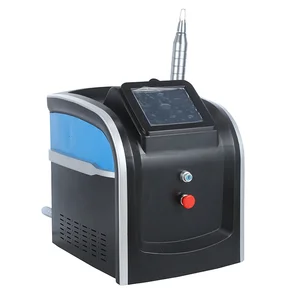
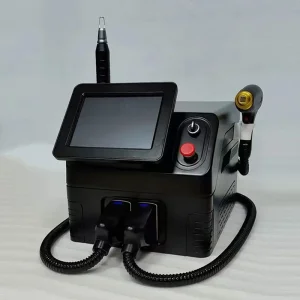
After energy-based procedures, such as picosecond pigment removal or diode laser hair removal, the skin often experiences erythema and localized swelling. Applying chilled natural astringent complexes helps soothe raw tissues, reduce redness, and accelerate epidermal recovery.
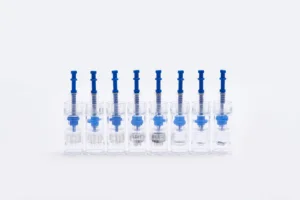
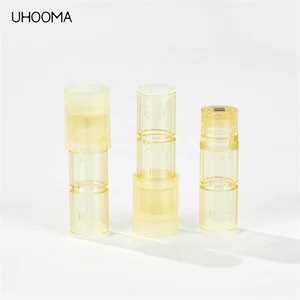
Utilizing anti-backflow delivery systems, such as the NK2 PRO Replacement Cartridge, ensures that sterile natural astringent formulations are infused directly into targeted layers of the skin, eliminating any risk of cross-contamination.
As a leading hub for advanced aesthetic manufacturing, China's beauty industry has fully embraced Industry 4.0 principles. Beijing Durova Beauty Co., Ltd. stands at the forefront of this industrial transformation. Established in 2014, our manufacturing facility in Beijing integrates advanced automation, real-time quality monitoring, and a highly optimized supply chain to deliver reliable, high-performance aesthetic equipment and formulations worldwide.
Our production floor features a state-of-the-art Vacuum Homogenizing Emulsifying Machine, ensuring consistent particle size and stability across all topical products. From automated Coating Lines and precise Die-cutting Machines to dedicated Inner and Outer Packing Machines, every step of our manufacturing process is designed to eliminate human error and maintain sterile conditions. Additionally, our facility operates high-performance Horizontal Injection Molding Machines and Ultrasonic Welders, enabling us to build rugged, high-precision cartridges, casings, and applicator tips in-house.
This vertical integration ensures unmatched supply chain resilience. While other suppliers struggle with component shortages or delayed shipments, Beijing Durova manages the entire lifecycle—from raw material processing and cartridge molding to final packaging—under one roof. This allows us to offer shorter lead times, consistent quality, and flexible OEM/ODM customization options to our B2B partners worldwide.
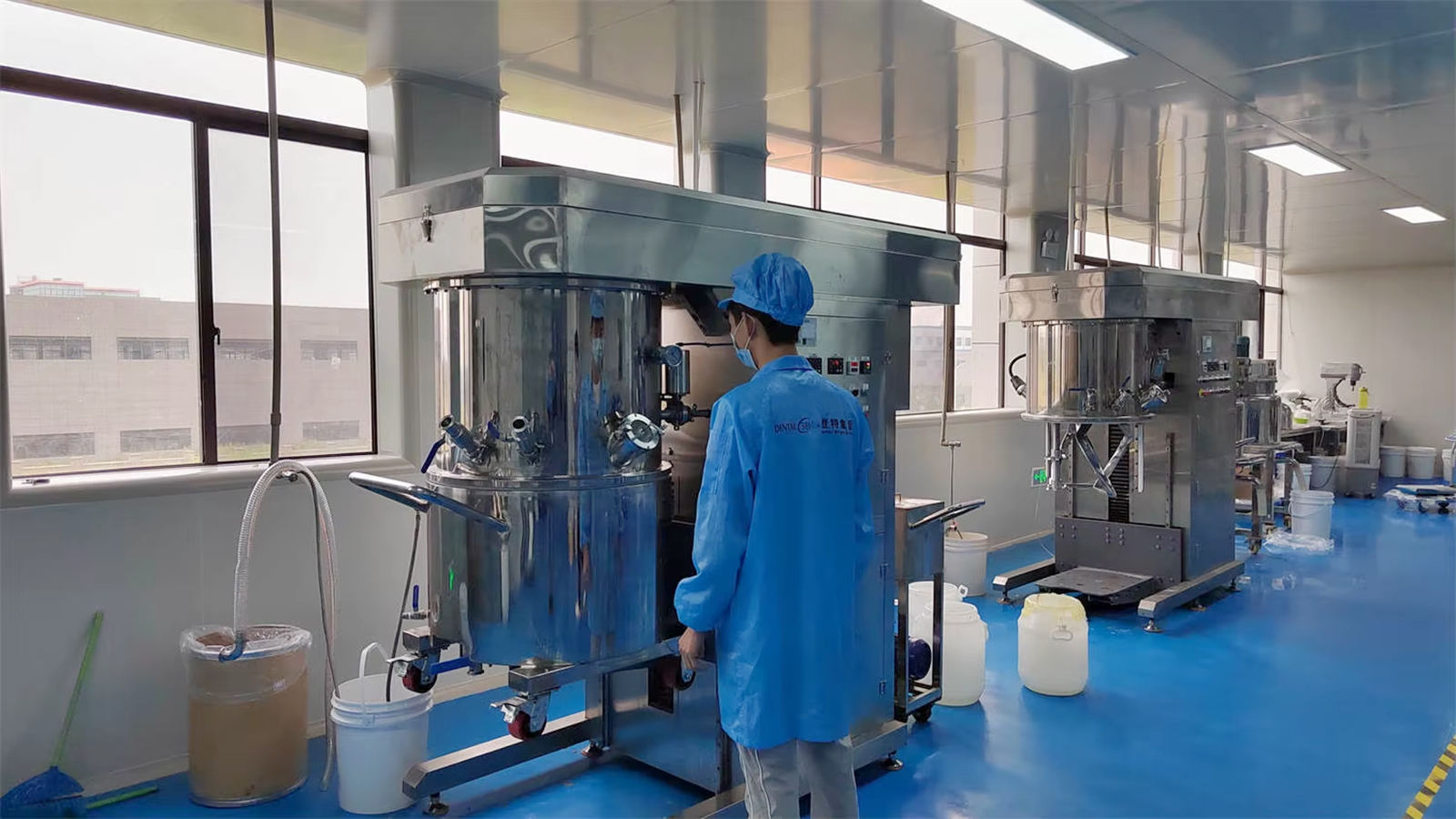
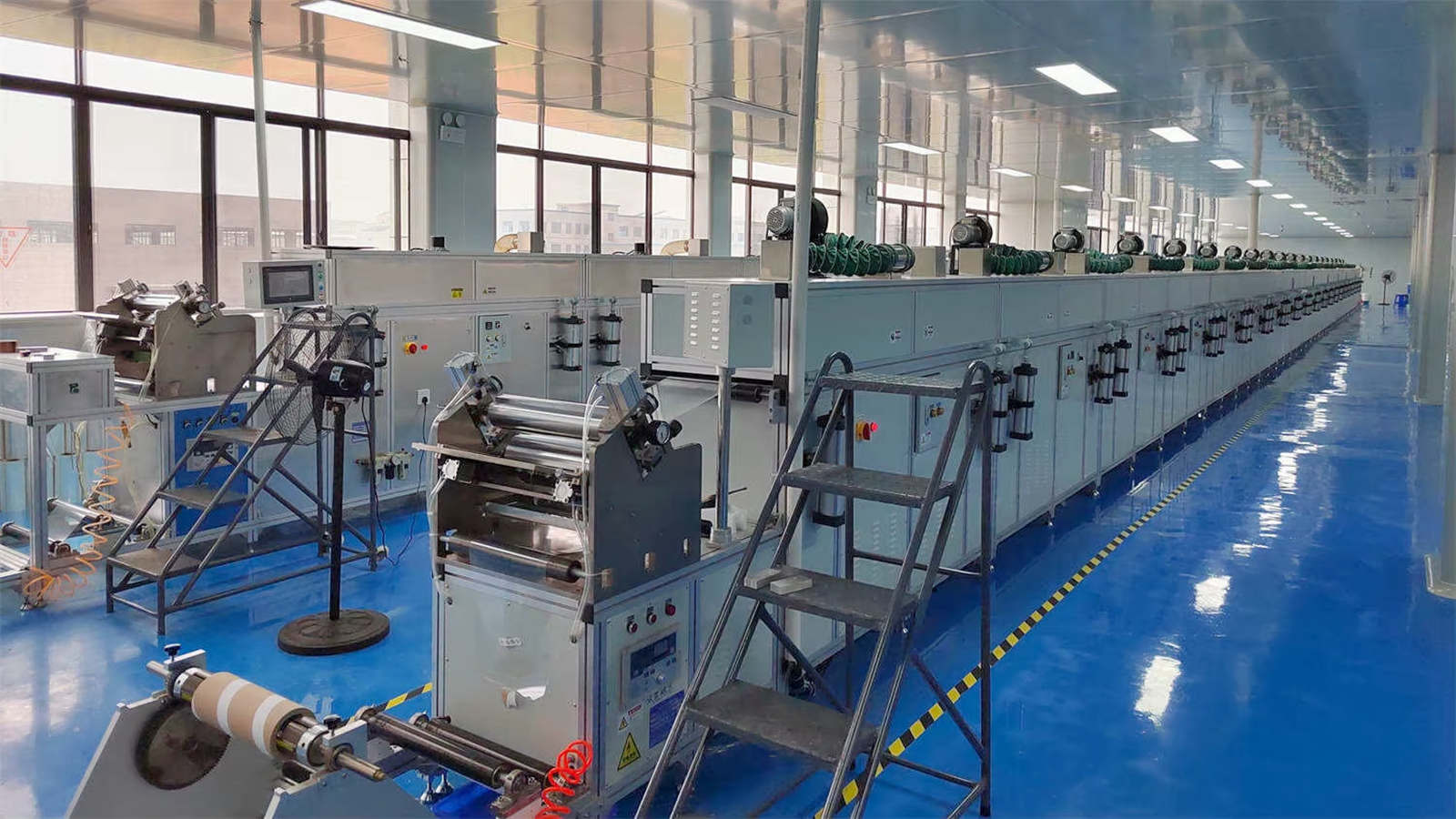
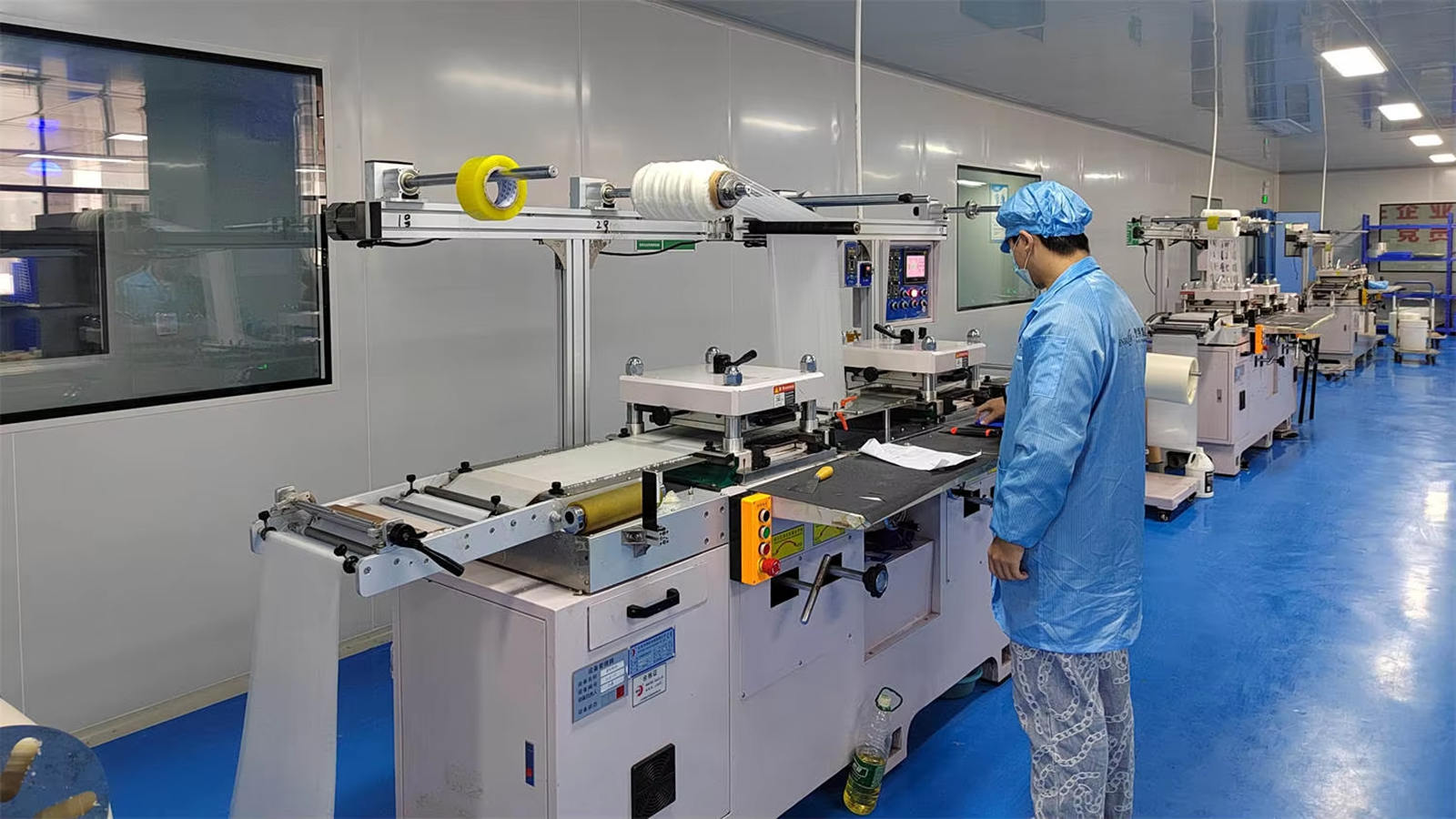
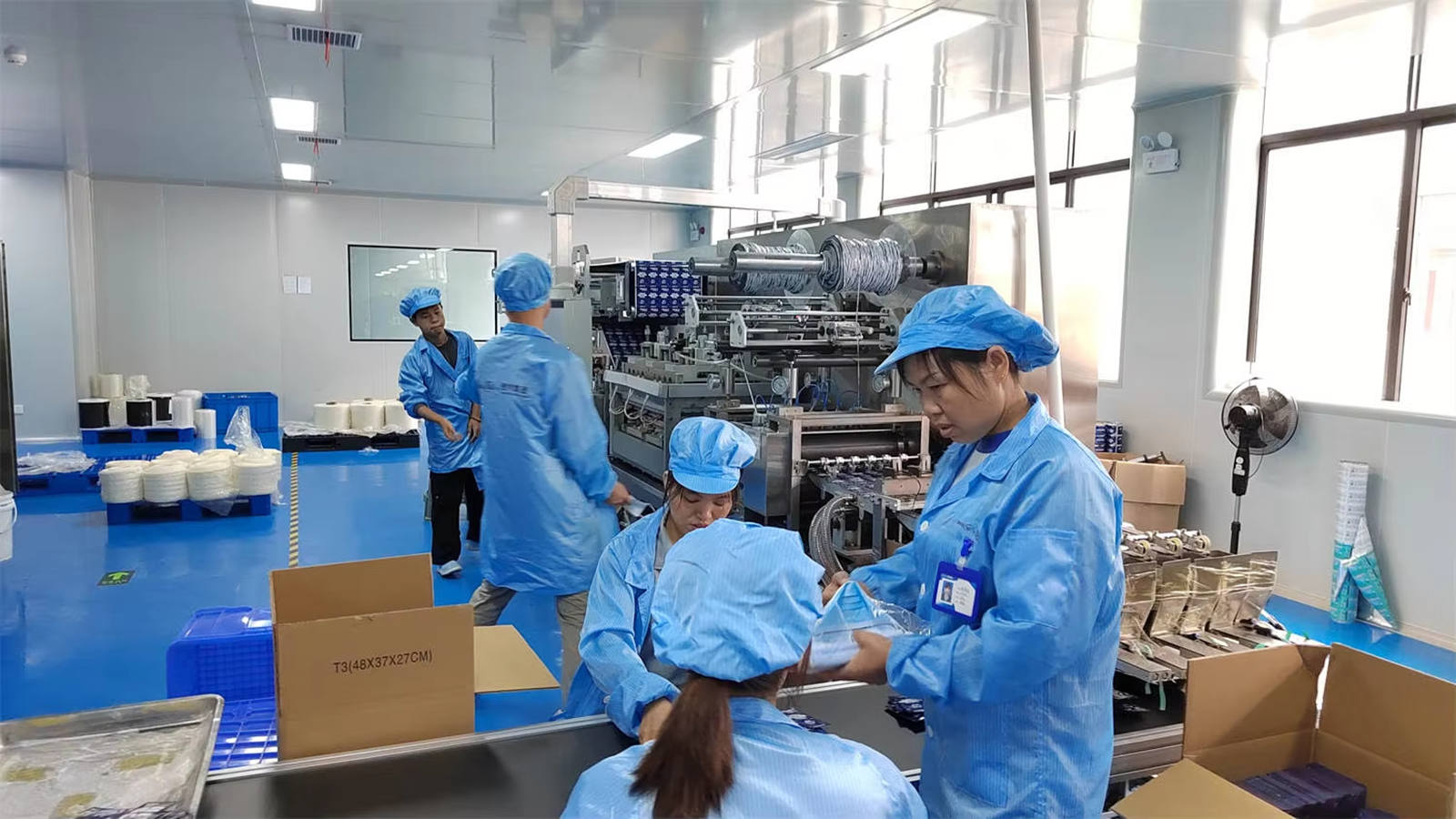
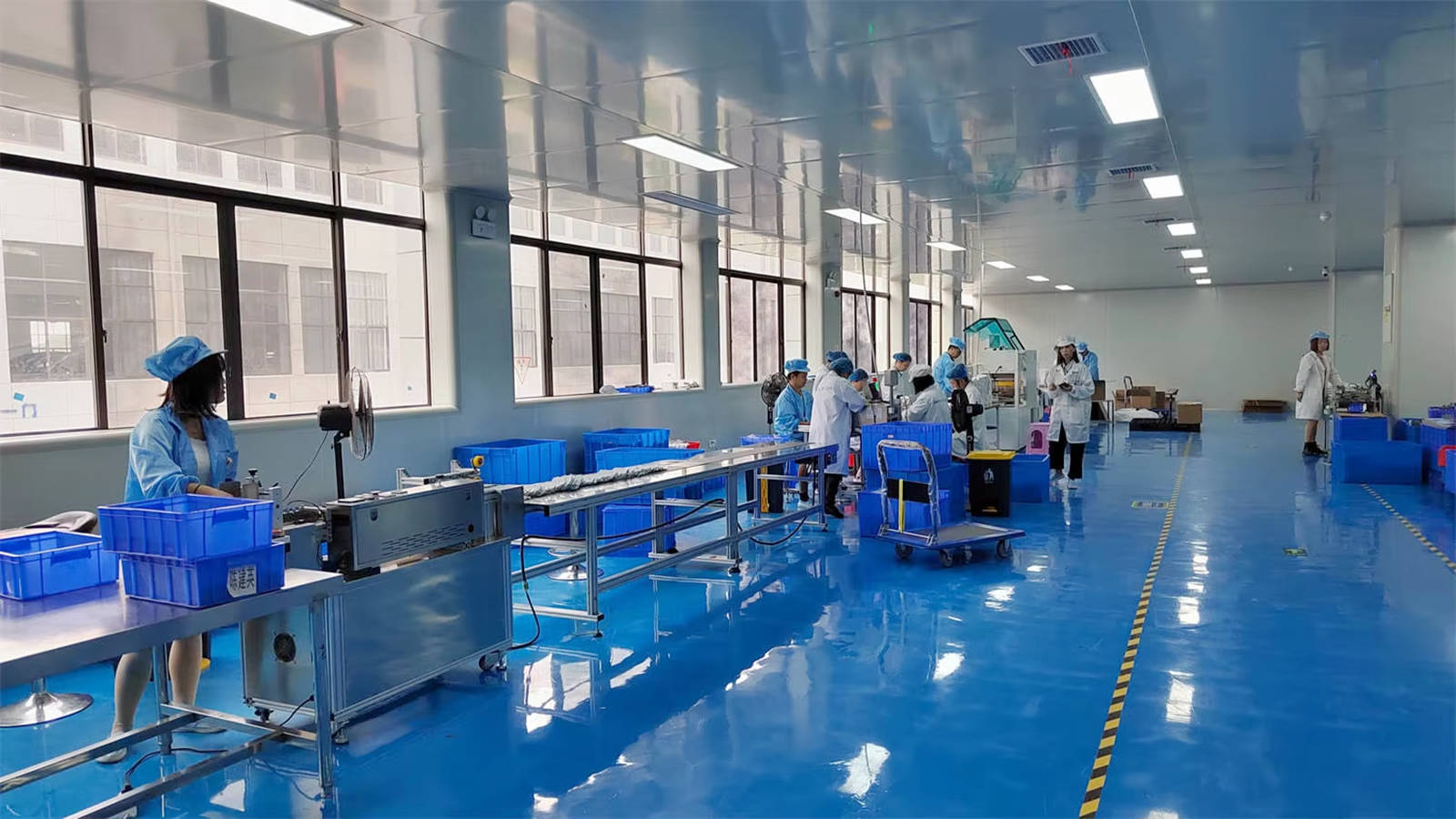
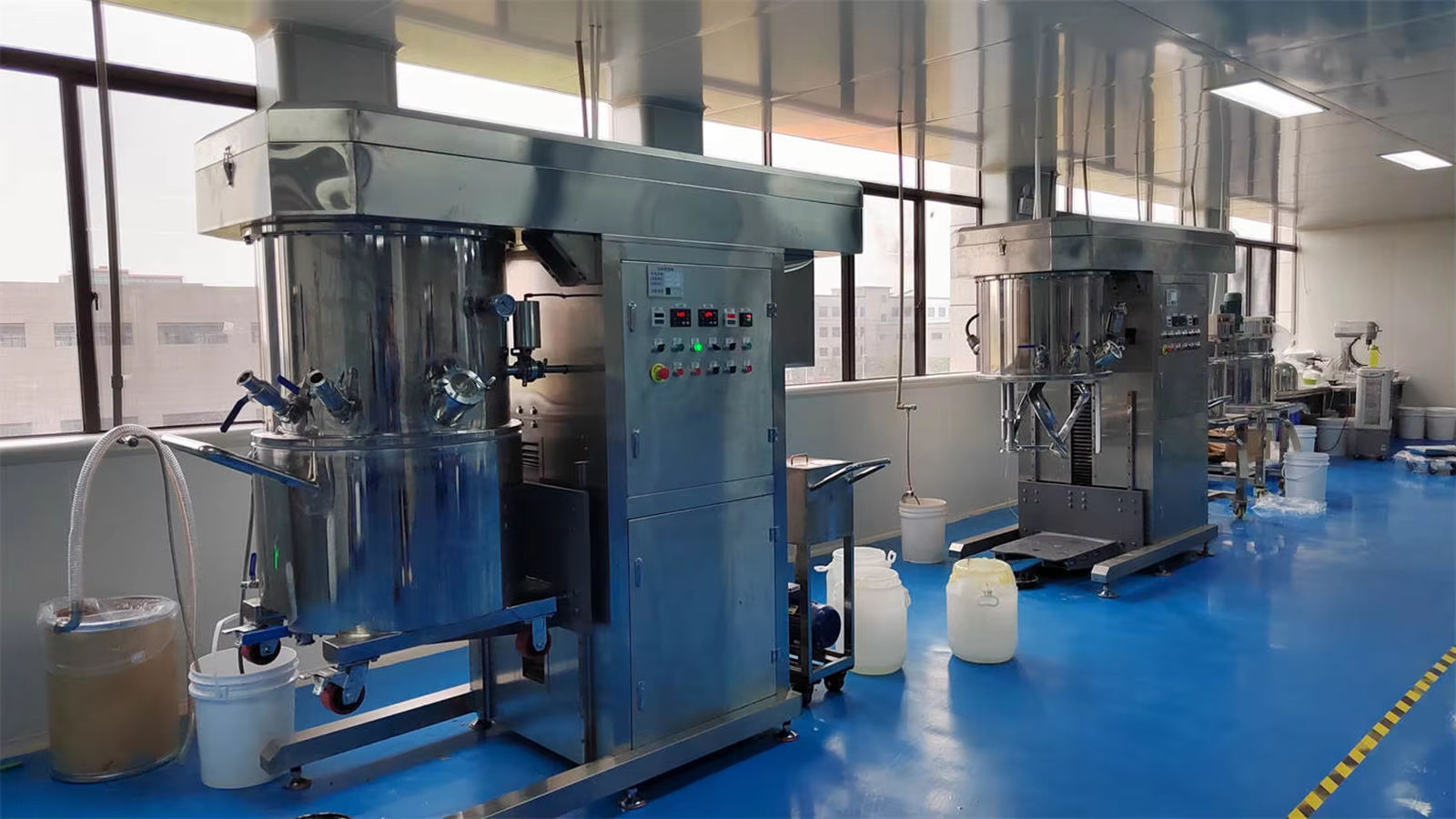
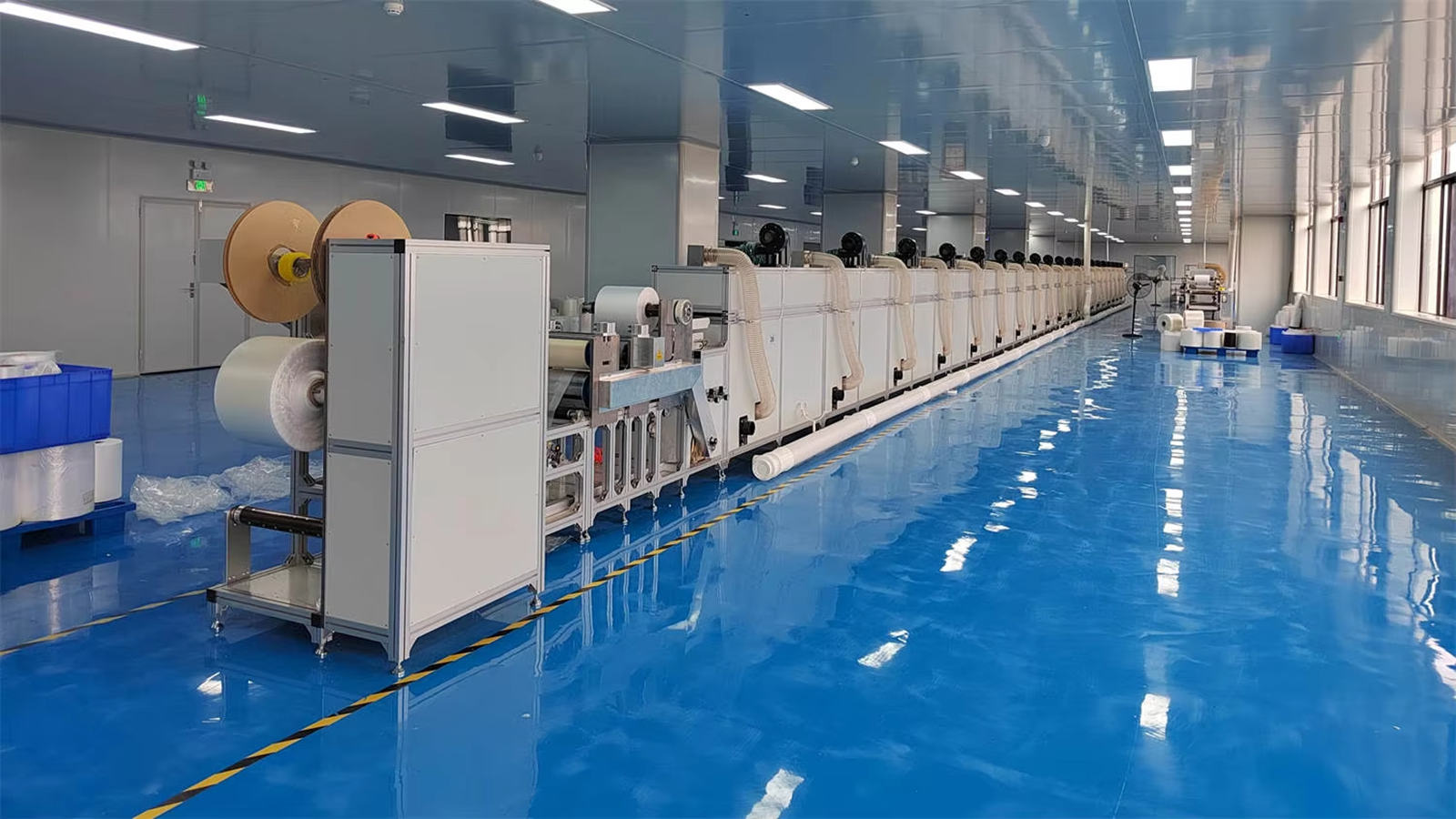
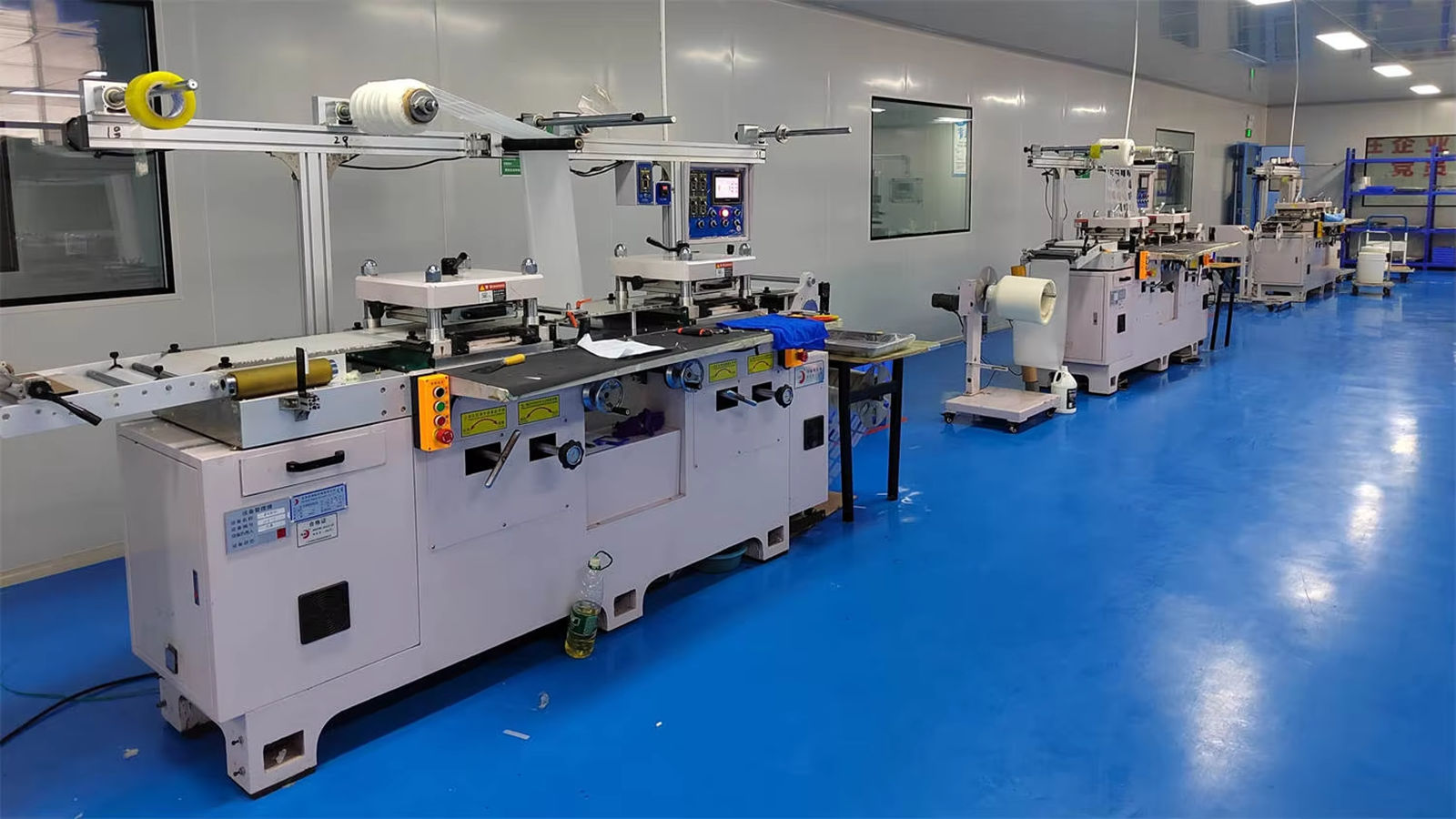
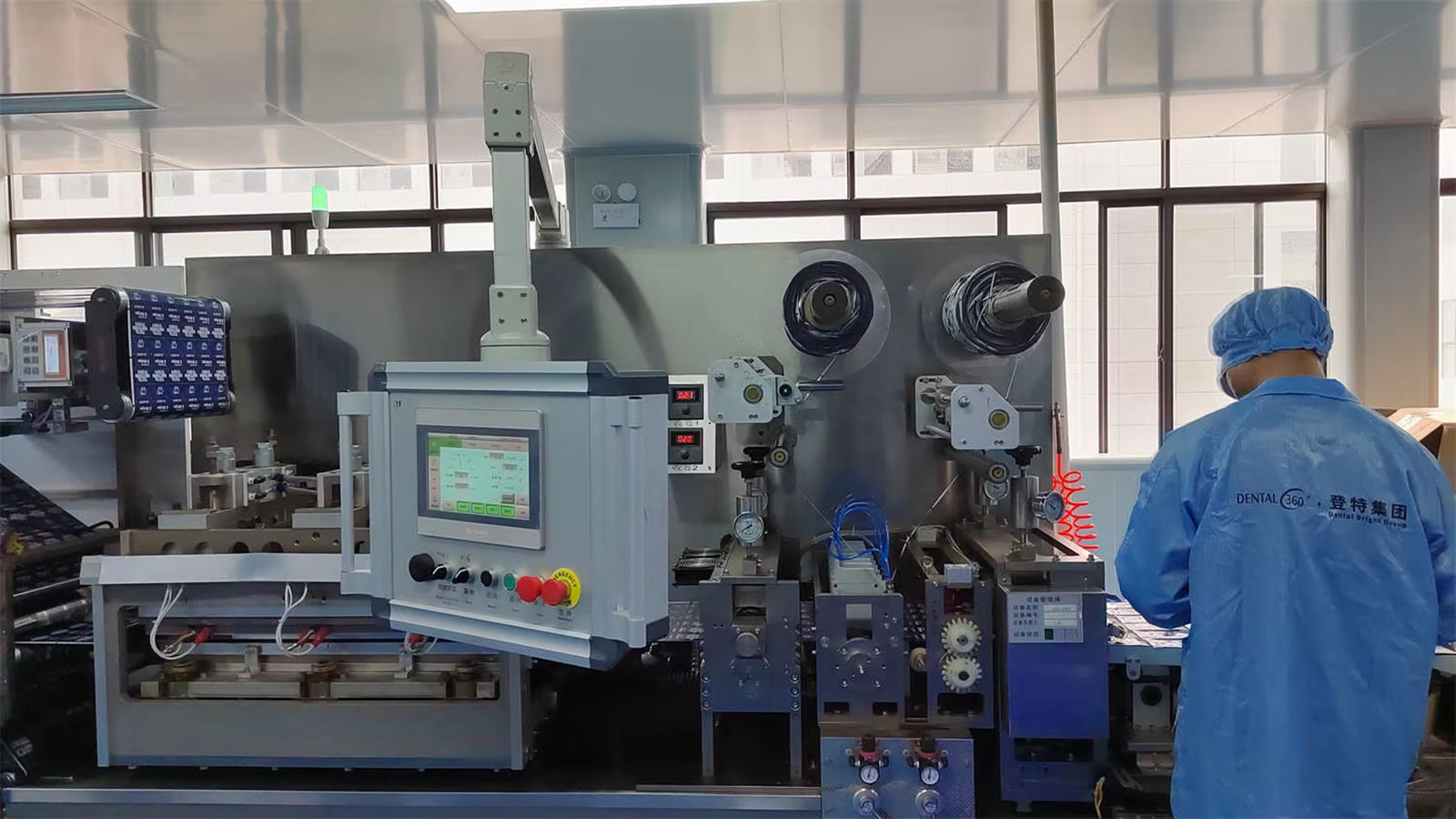
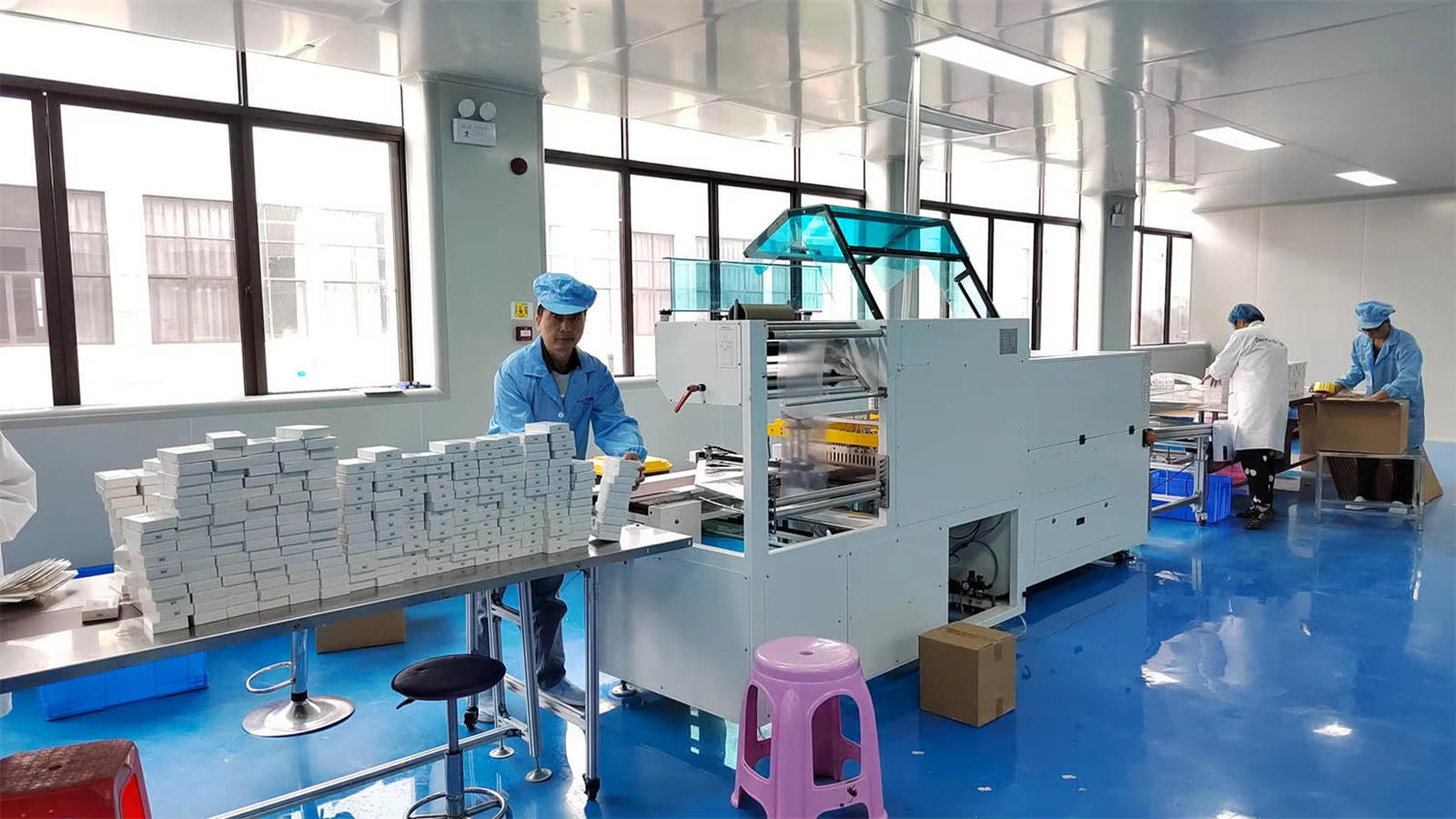
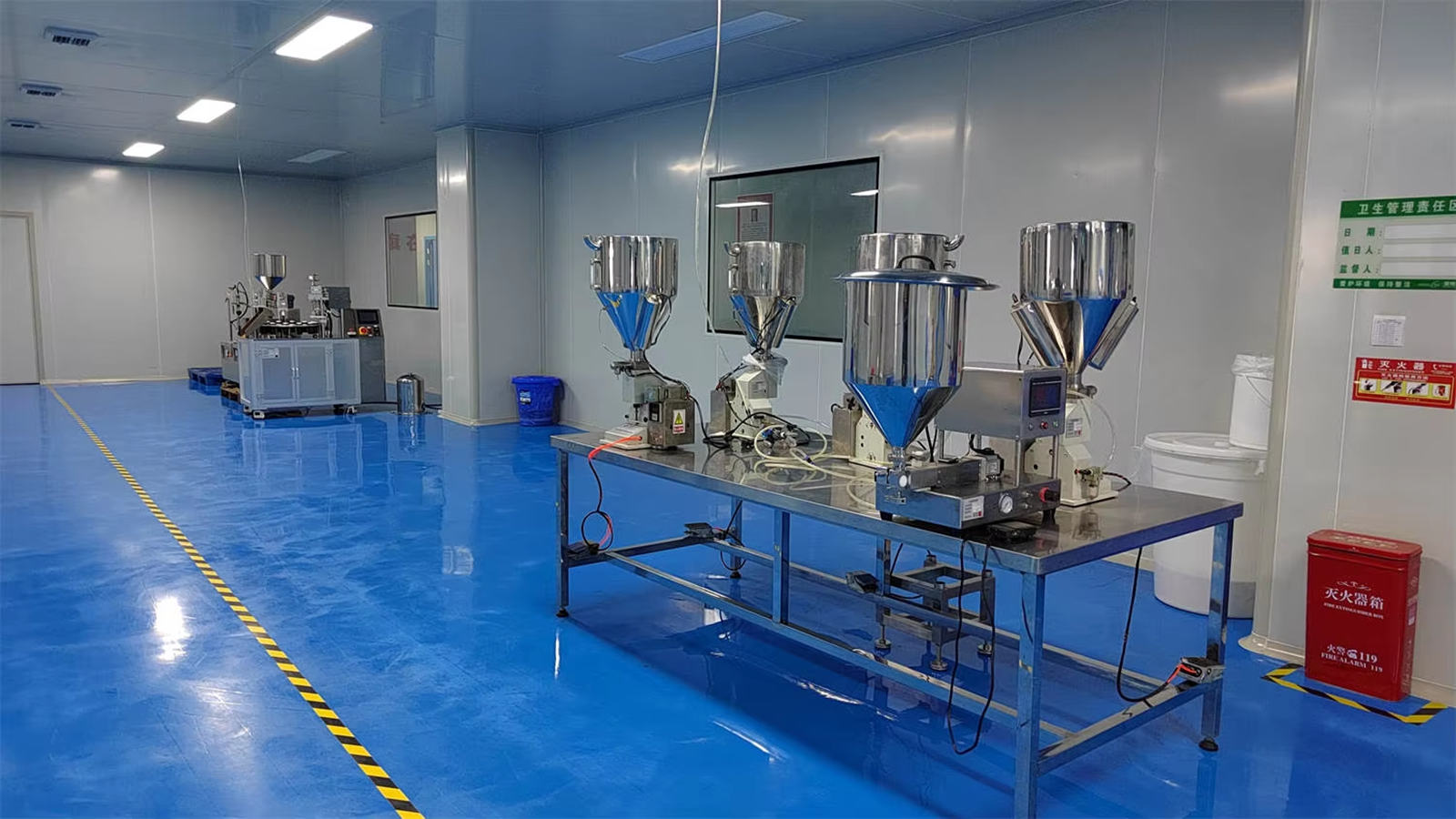
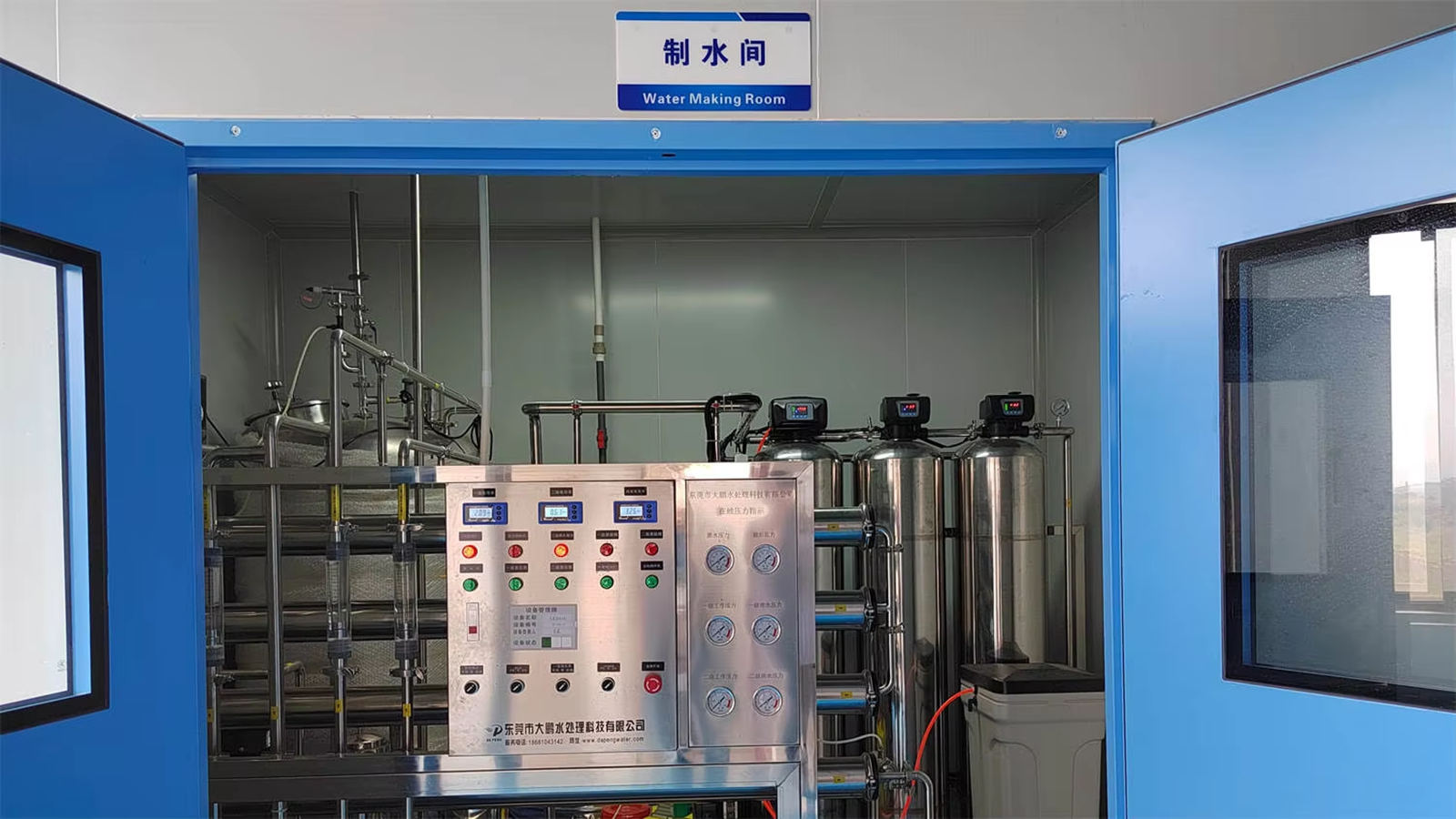
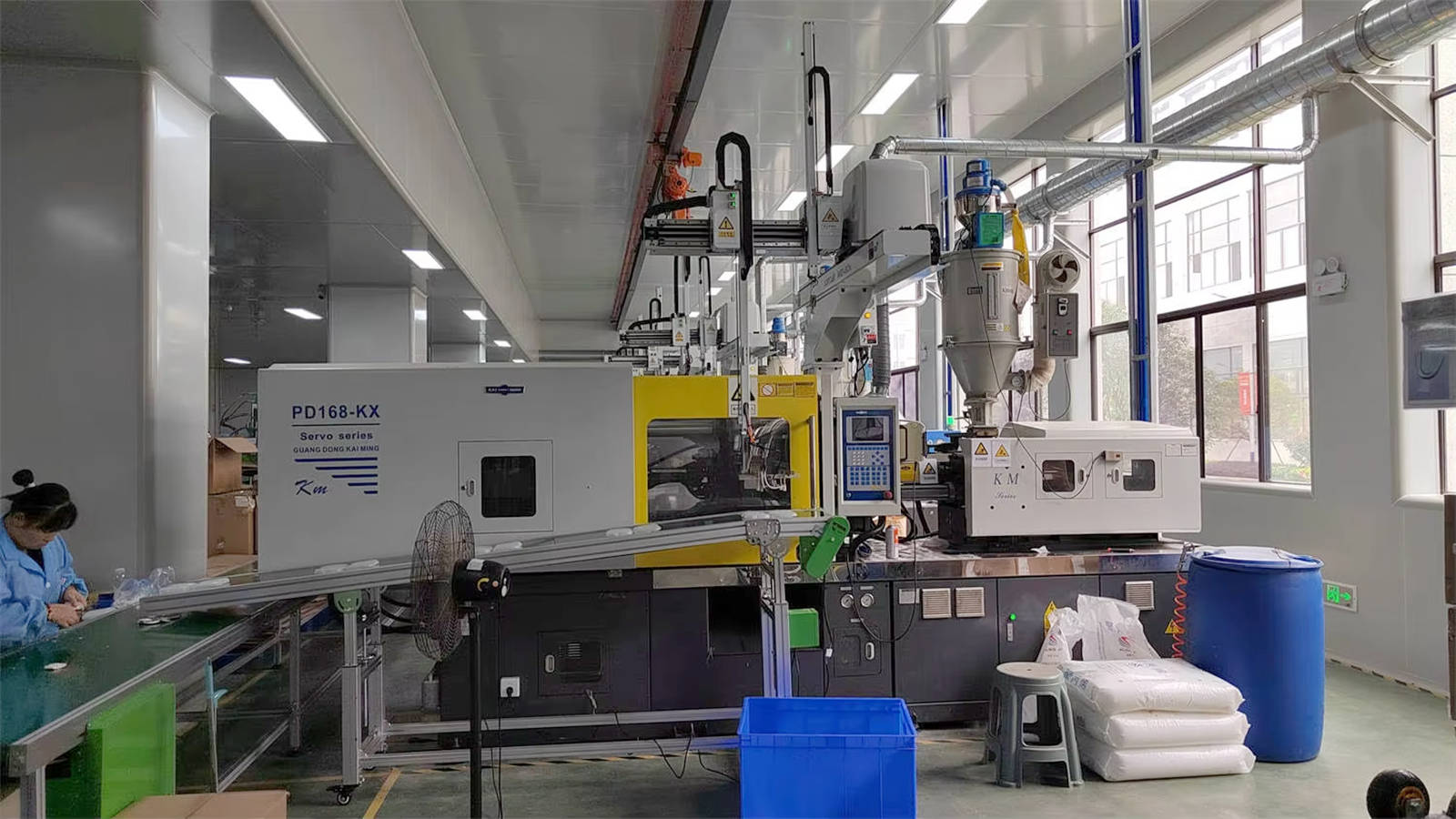
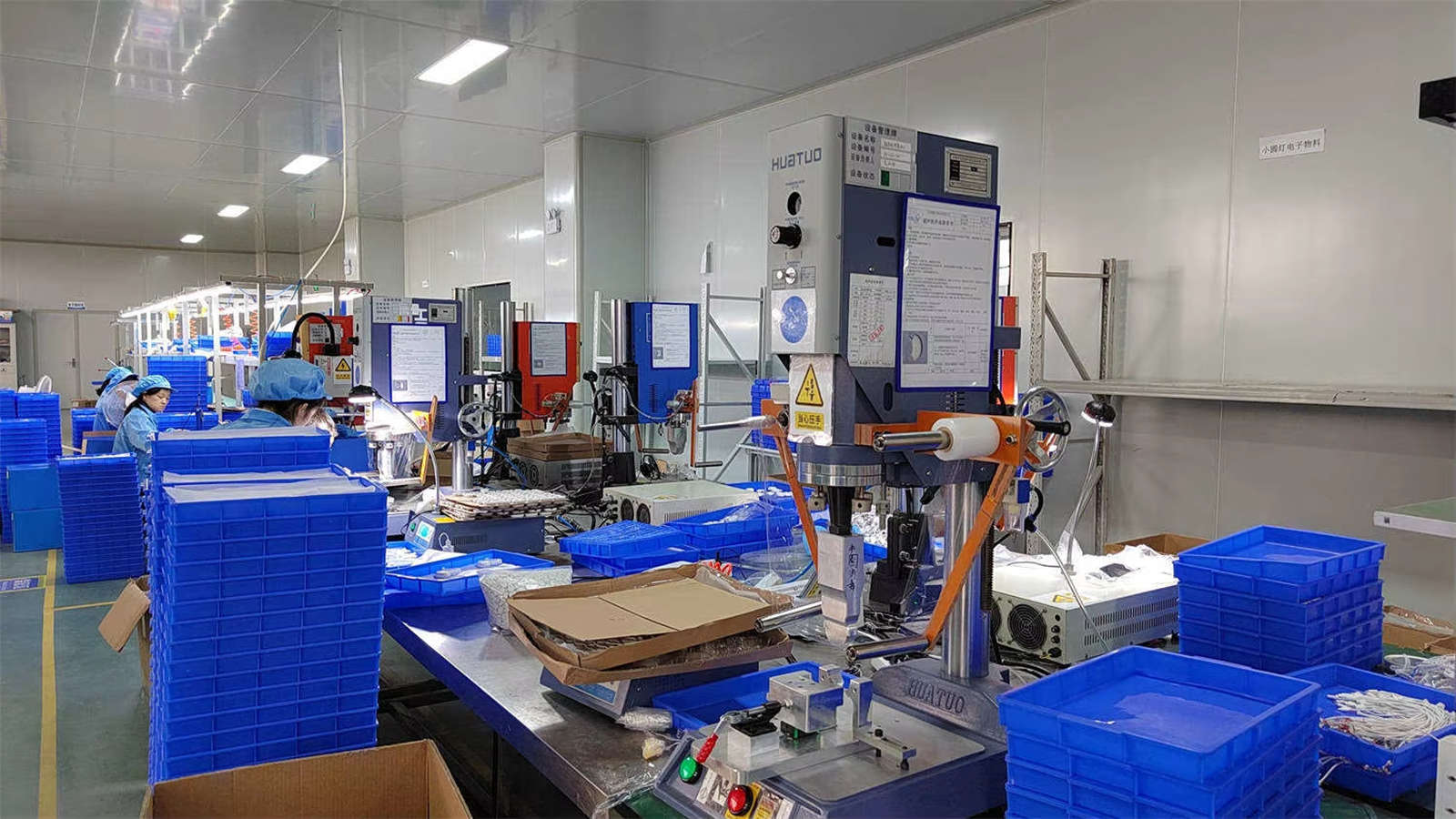
At Beijing Durova Beauty Co., Ltd., quality control is integrated into every stage of production. To meet global regulatory requirements and maintain high standards of safety and reliability, we have established a quality management system aligned with international standards:
Our manufacturing processes follow ISO 13485 standards for medical devices, ensuring systematic control, batch traceability, and cleanroom production environments.
Many of our products carry CE certification, demonstrating compliance with European Union health, safety, and environmental standards, which facilitates entry into global markets.
Our raw materials and skin-contact components undergo biocompatibility evaluations, ensuring they are non-irritating and safe for clinical aesthetic applications.
Aesthetic treatments and skincare protocols vary significantly across global regions due to differing skin types, regulatory environments, and consumer preferences:
European clinical spas prioritize organic, non-GMO ingredients alongside CE-certified equipment. Post-treatment care focuses on reducing erythema and restoring the skin barrier using clean-label, bio-active astringents.
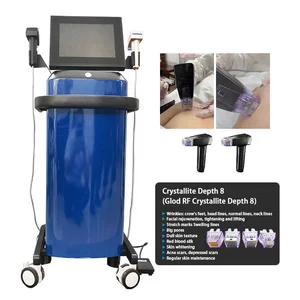
The North American market demands high-potency, fast-acting clinical skincare. Natural astringents are commonly paired with intensive treatments like RF microneedling and high-frequency lasers to help minimize recovery times.
In the APAC region, particularly in Korea, Japan, and China, consumers seek pore refinement and skin brightening. Astringents containing natural botanical acids (like AHA/BHA) and soothing green tea extracts are popular for daily home-use skin rejuvenation.
 Durova Beauty