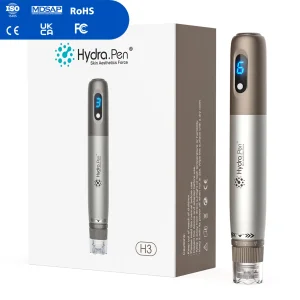
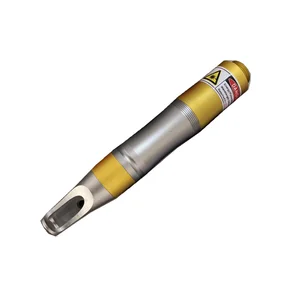
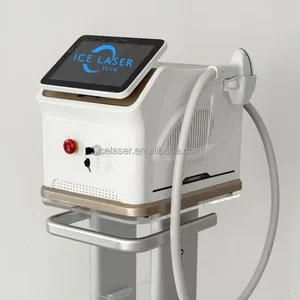
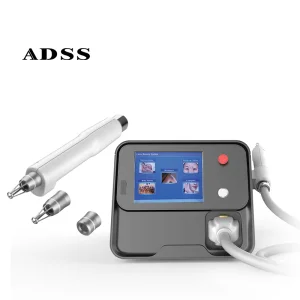
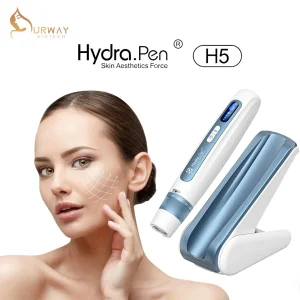
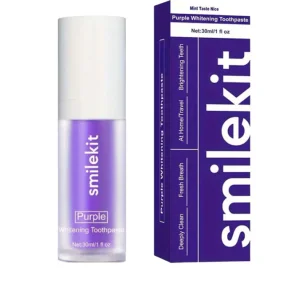
Discover our selected array of professional micro-aesthetic devices and systemic treatments designed to scale global clinic profitability.
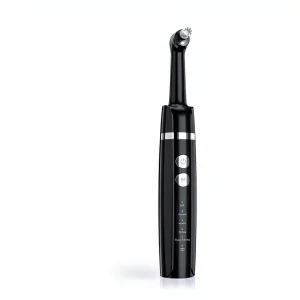
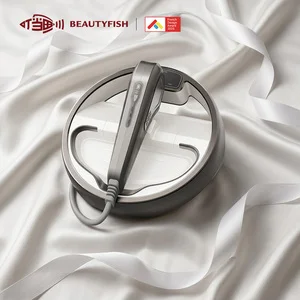
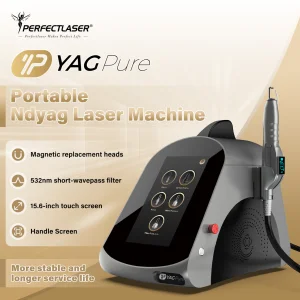
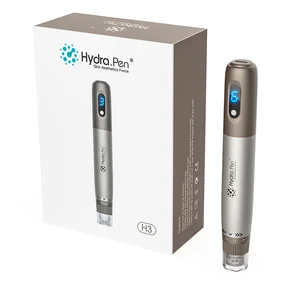
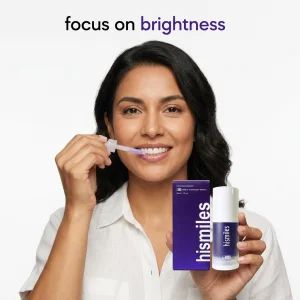
The global aesthetic dermatology sector is experiencing a paradigm shift towards non-surgical skin rejuvenation. Over the past decade, clinical research has highlighted the limits of conventional fully ablative lasers, which require extensive recovery times and carry elevated risks of post-inflammatory hyperpigmentation (PIH), particularly in darker skin phototypes. In response, Fractional Photothermolysis (FP) has emerged as the gold standard for treating micro-level dermis structures.
Fractional systems function by creating thousands of microscopic treatment zones (MTZs) in a grid pattern. Instead of removing the entire epidermal layer, they leave surrounding tissue intact to serve as cellular reservoirs. This promotes rapid re-epithelialization and stimulates natural neocollagenesis. Clinicians worldwide rely on these systems to treat photoaging, striae, atrophic acne scars, and deep rhytids, driving demand for high-performance laser hardware.
To support this growing market, suppliers must deliver high precision. As a premier China Fractional Laser Devices Factory & Supplier, Beijing Durova Beauty Co., Ltd. addresses these demands with high-stability optical resonators, advanced galvanometer scanners, and strict thermal management. This combination ensures precise beam profiles and consistent energy delivery across clinical treatments.
Selecting the right wavelength and delivery system is critical for patient outcomes. Modern laser platforms utilize both ablative and non-ablative approaches to target specific skin layers. Below is a comparison of current technology routes:
| Technology Route | Primary Wavelength | Target Chromophore | Clinical Application | Patient Downtime |
|---|---|---|---|---|
| Ablative Fractional CO2 | 10,600 nm | Water | Deep scar revision, severe photoaging, deep rhytids | 5 - 7 Days |
| Ablative Er:YAG | 2,940 nm | Water (high absorption) | Superficial resurfacing, fine lines, epidermal lesions | 3 - 5 Days |
| Non-Ablative Erbium-Glass | 1,550 nm / 1,540 nm | Intracellular Water | Mild acne scars, skin texture refinement, melasma | 0 - 2 Days |
| Multi-Platform Diode | 808 nm / 1064 nm | Melanin / Oxyhemoglobin | Painless hair removal, deep vascular lesions | Minimal to None |
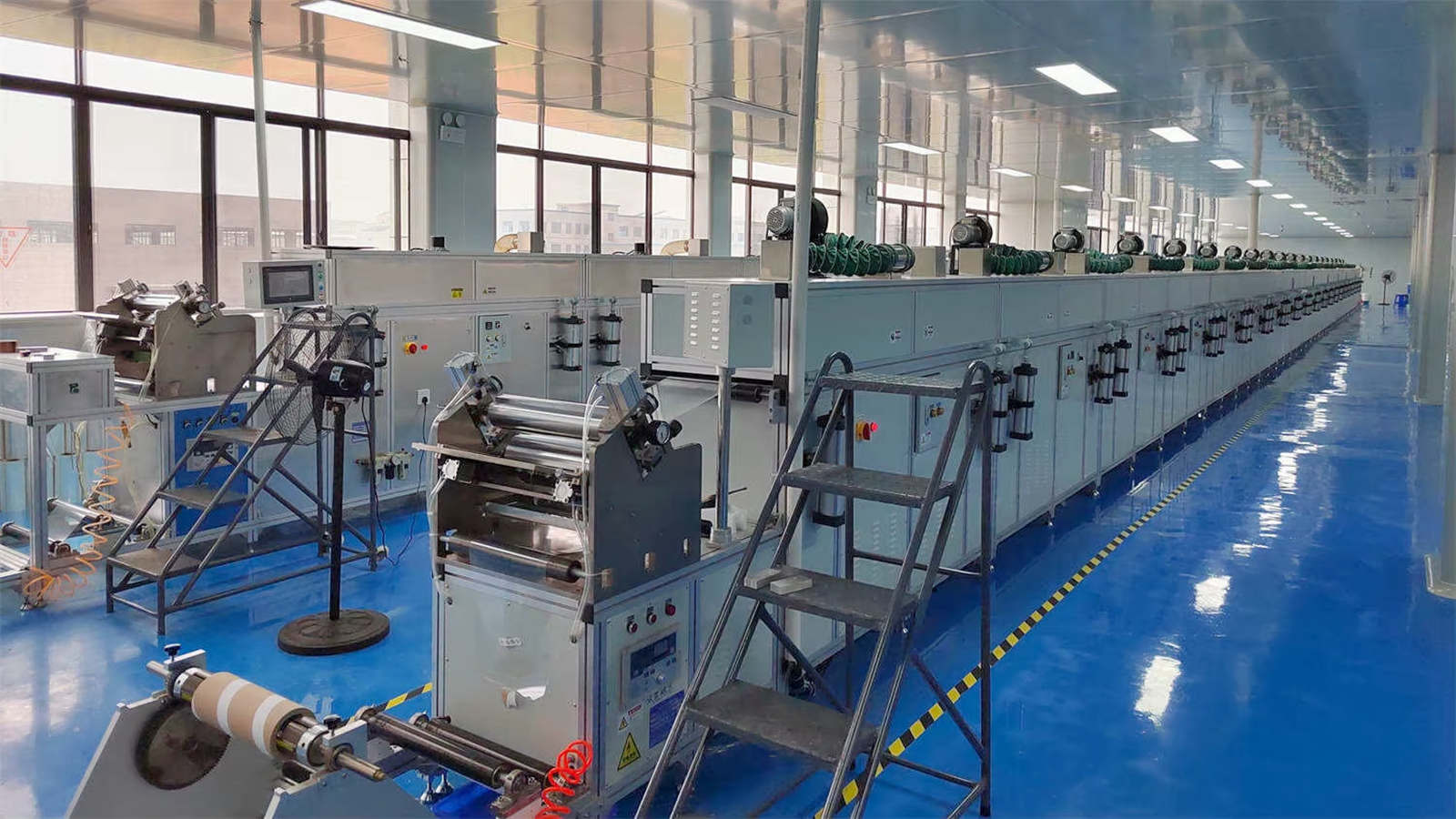
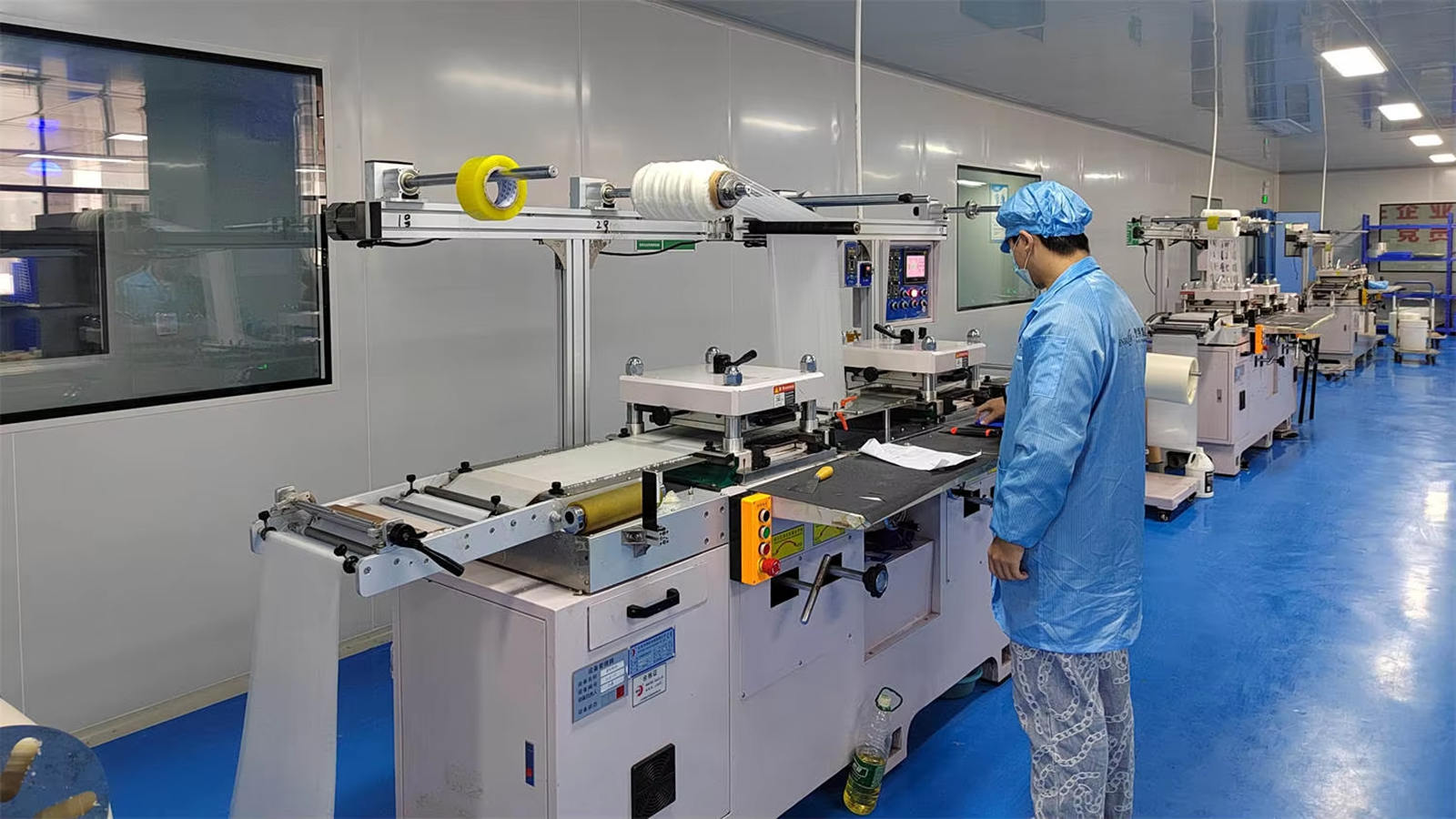
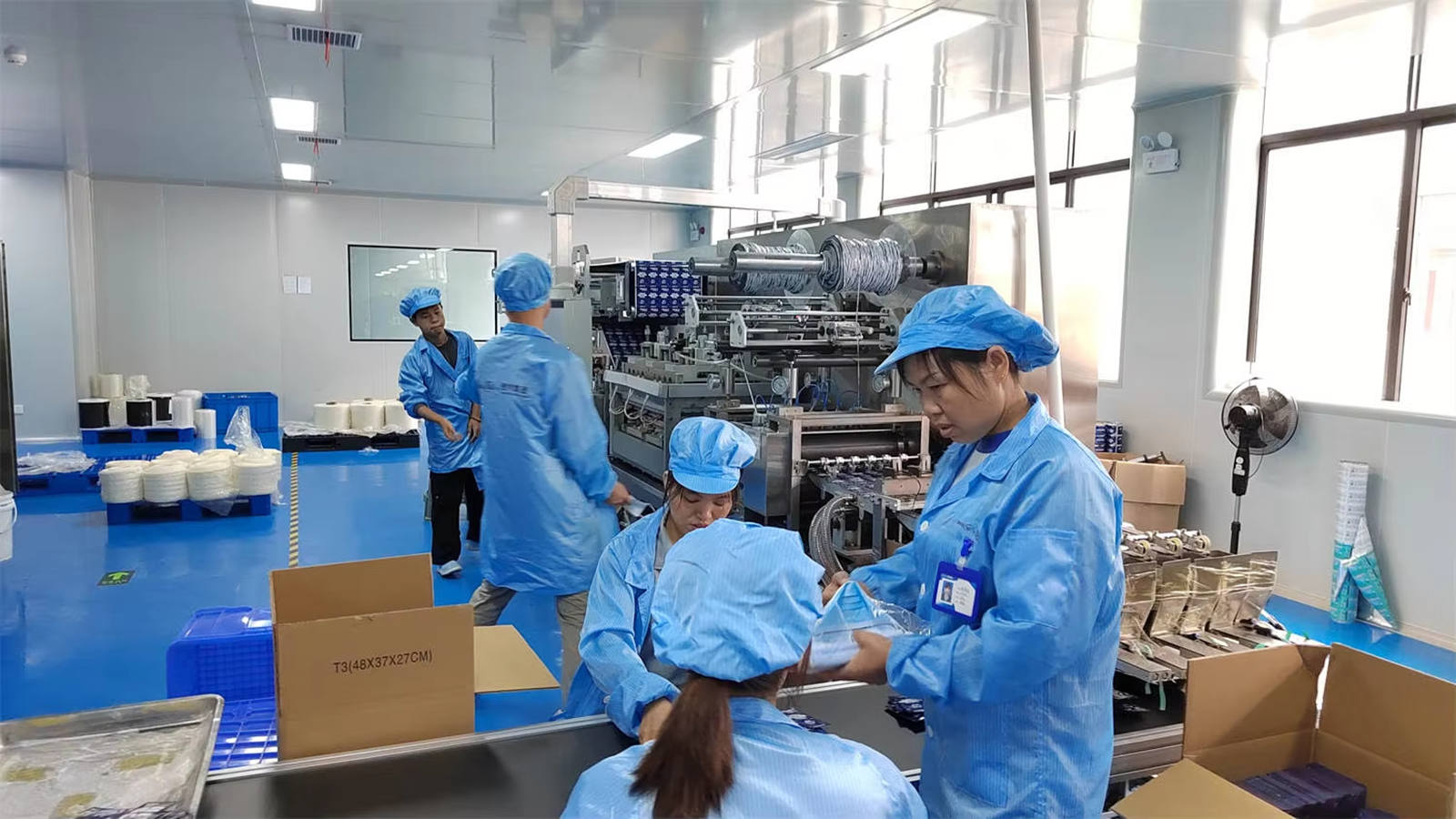
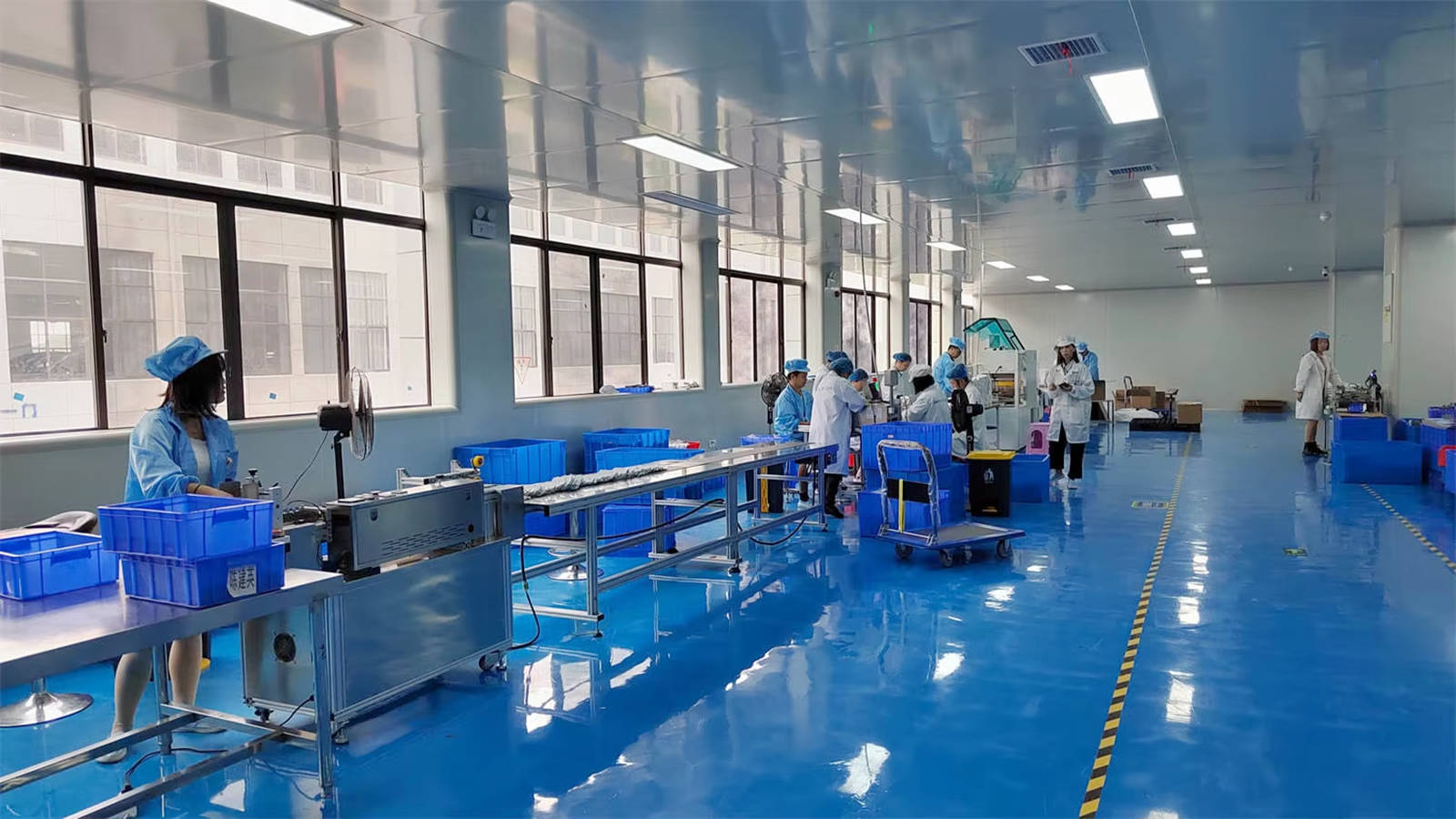
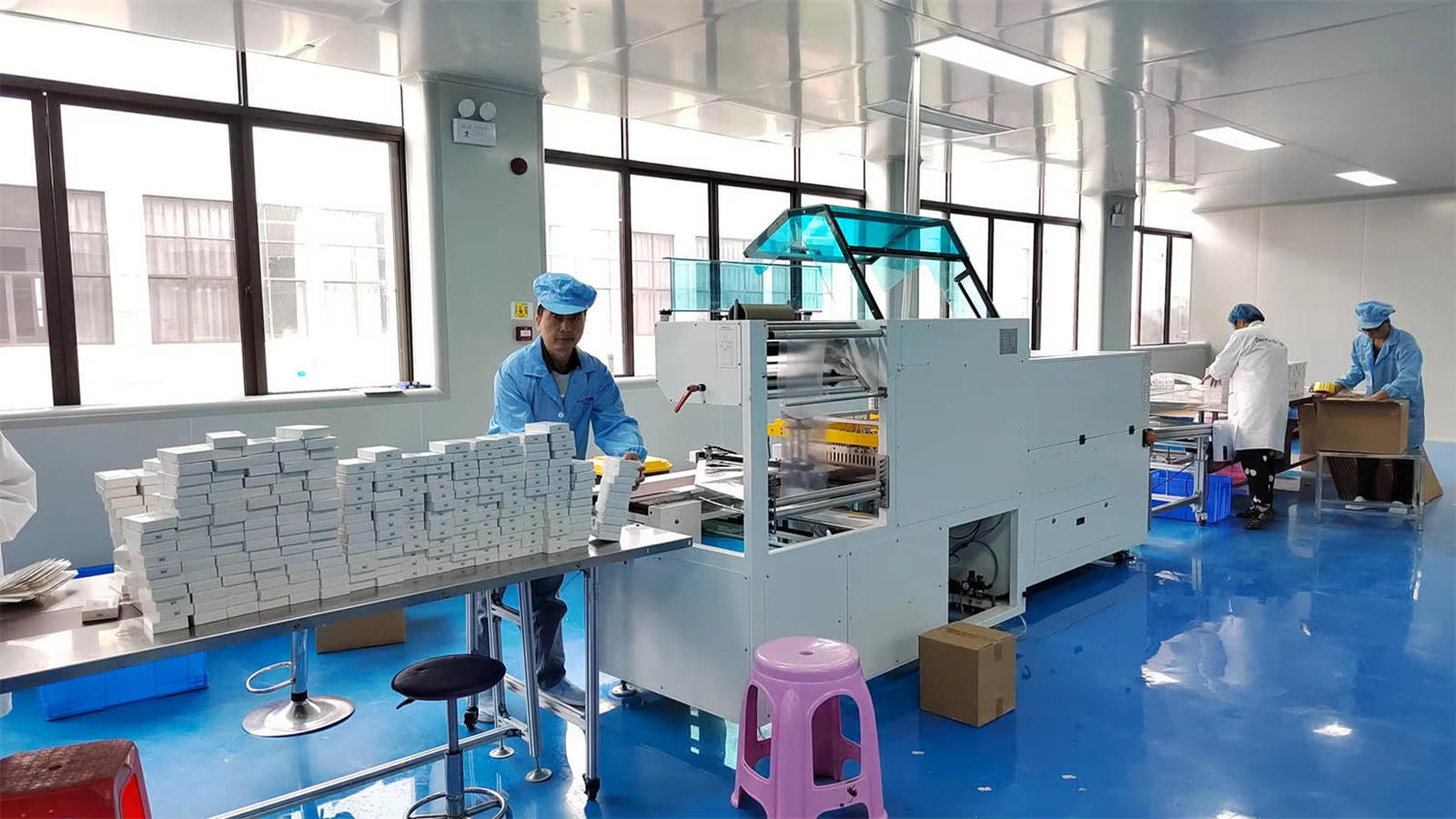
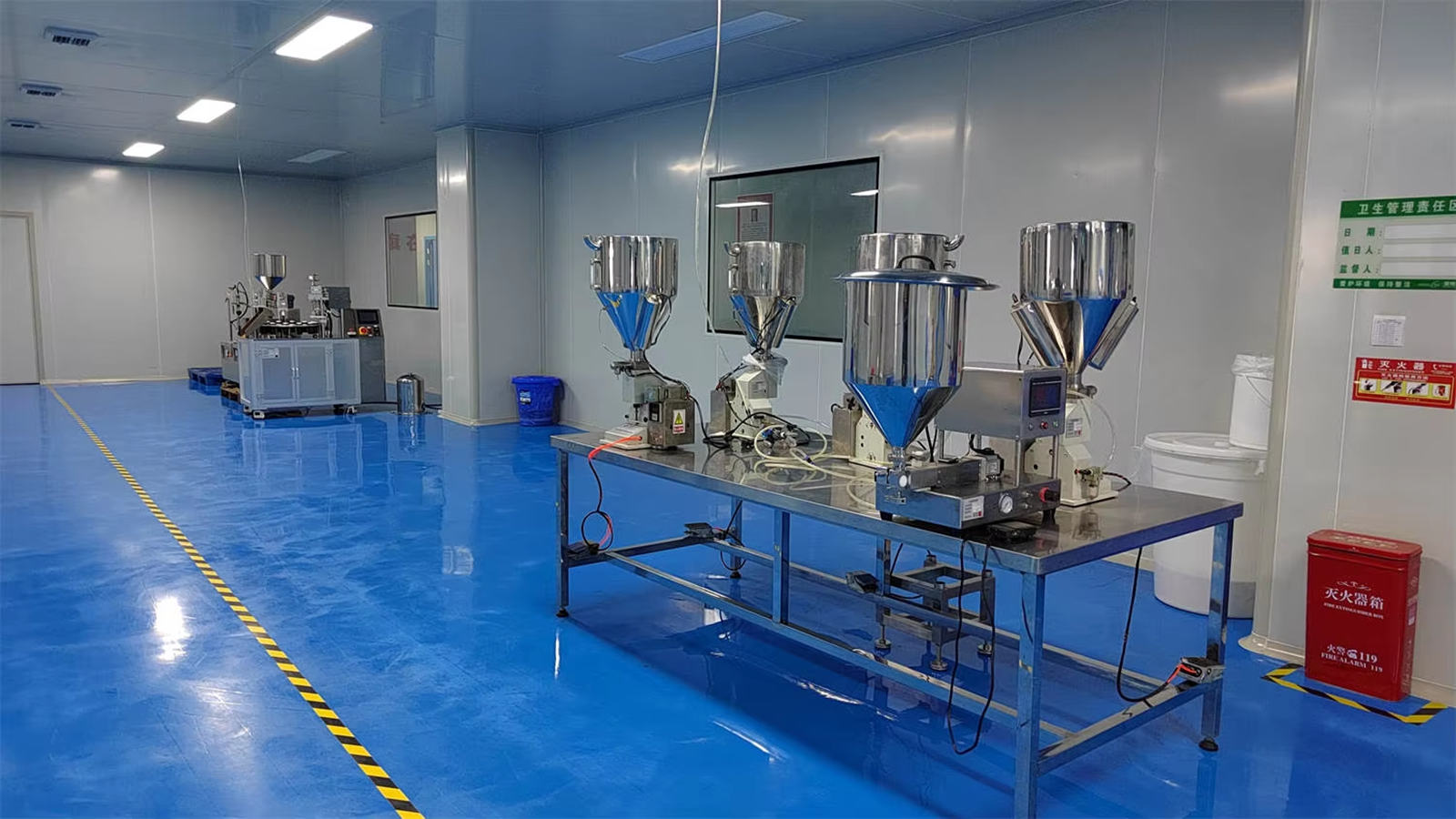
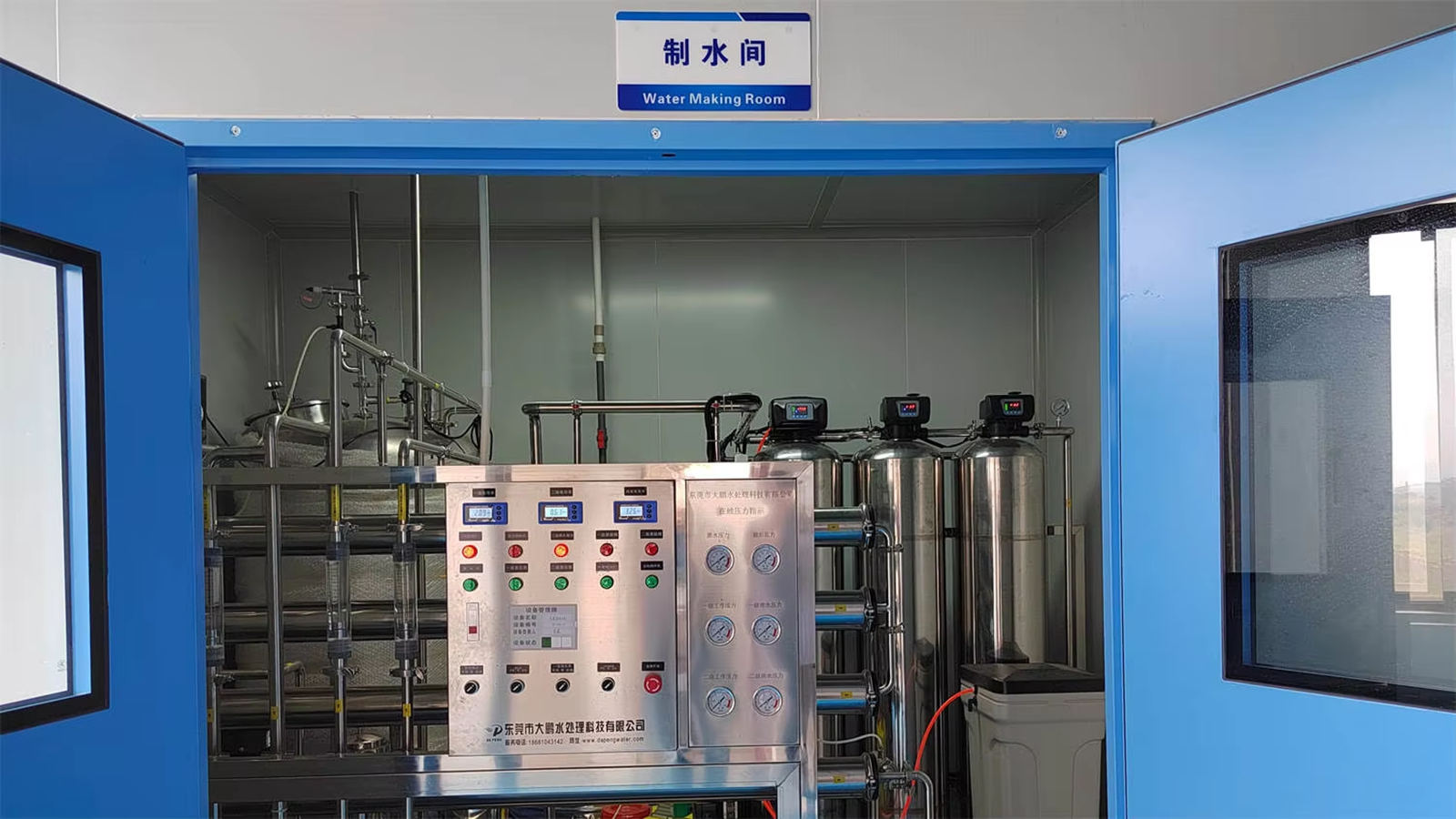
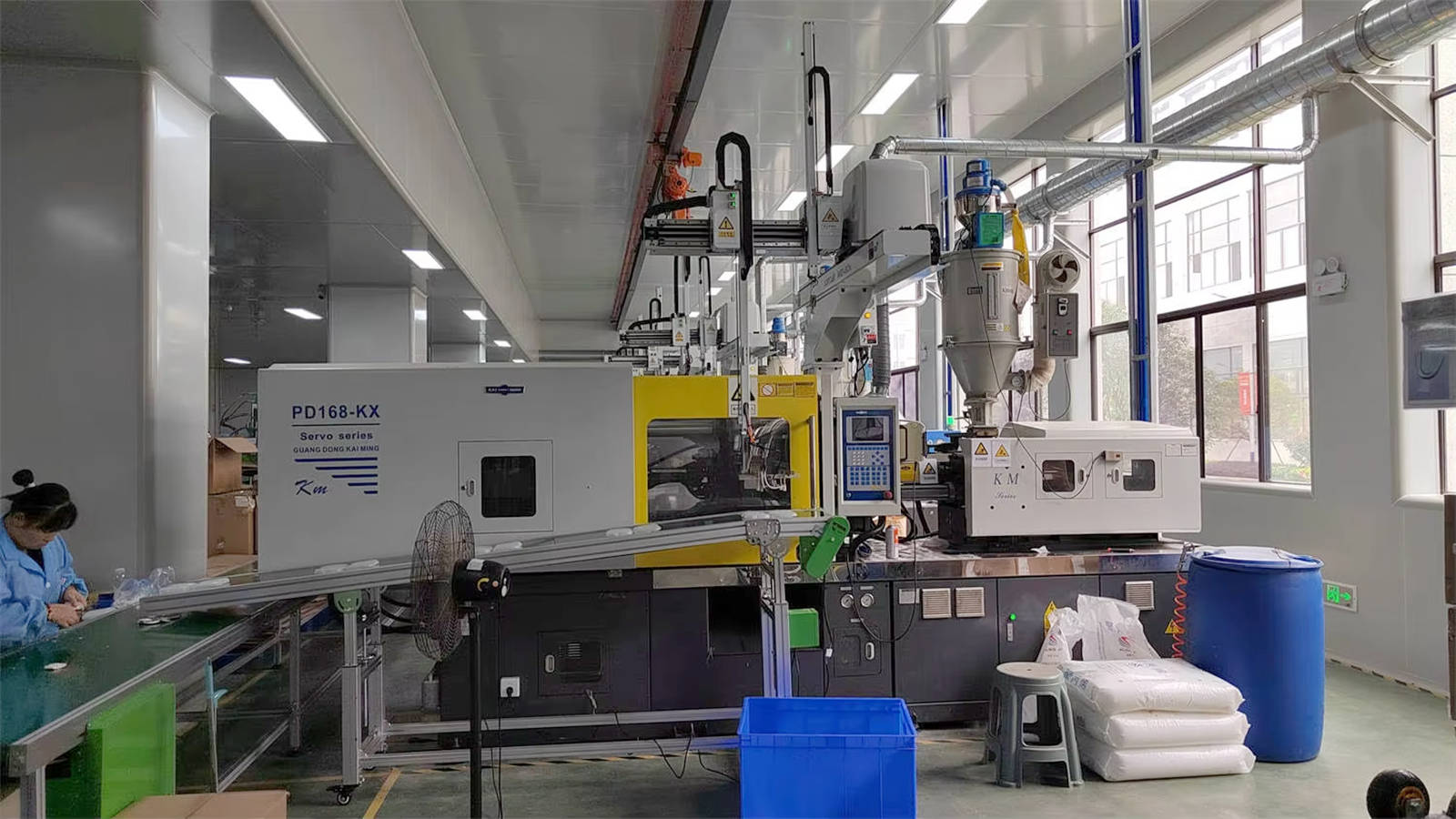
Industrial manufacturing infrastructure and high-capacity equipment lines powering the global aesthetic market.
Established in 2014 in Beijing, China, Beijing Durova Beauty Co., Ltd. is a specialized manufacturer and global supplier of advanced beauty and aesthetic equipment. Over the years, we have built a reputation for innovation, reliability, and client support by offering a diverse range of products, including teeth whitening systems, derma pens, derma rollers, laser hair removal devices, laser tattoo removal machines, and body slimming systems.
Our location in Beijing provides access to local transport networks and industrial resources, supporting efficient production and streamlined international logistics. We operate under a modern quality management system aligned with international standards to ensure product safety, stability, and consistent performance across our product line. Many of our devices carry CE certification, meeting key global regulatory requirements.
In addition to manufacturing, we emphasize long-term cooperation and customer support. Our experienced team works with clients worldwide, providing OEM/ODM customization, technical consultation, and comprehensive after-sales service. Through continuous innovation, we aim to remain a trusted partner in the global aesthetic industry, delivering practical solutions for beauty businesses worldwide.
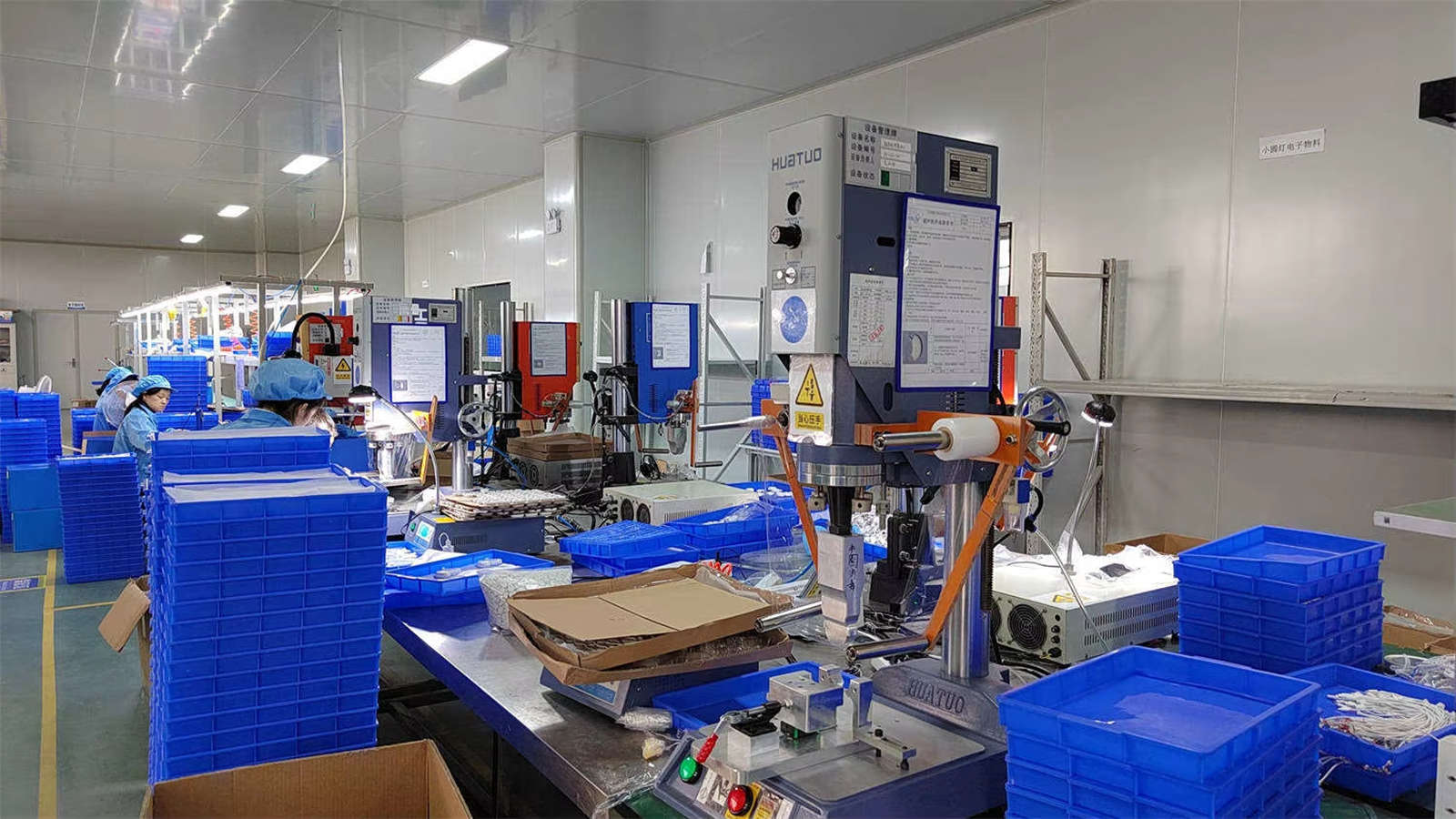
Inside our production facilities: a look at our assembly, calibration, packaging, and testing workflows.
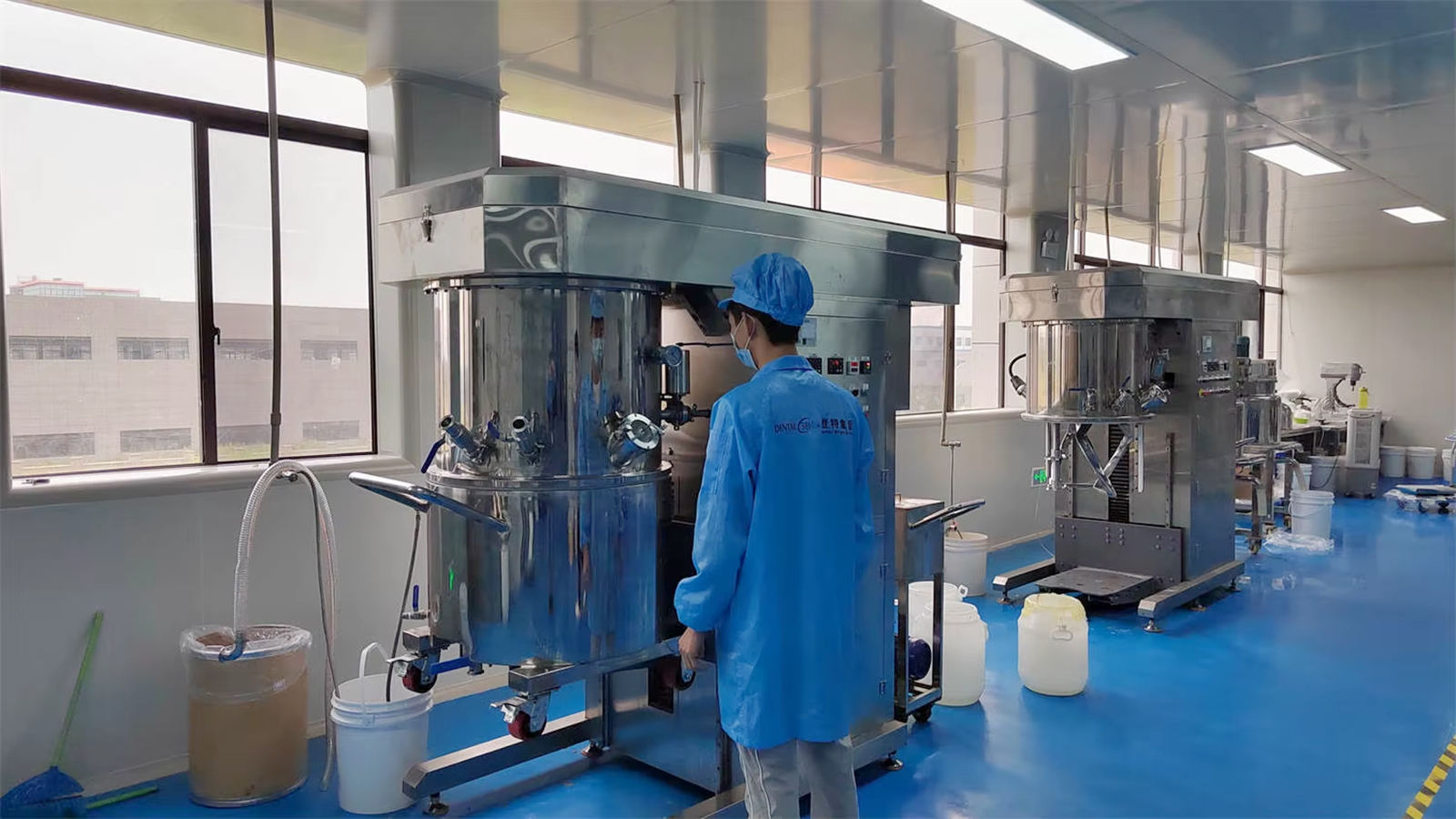
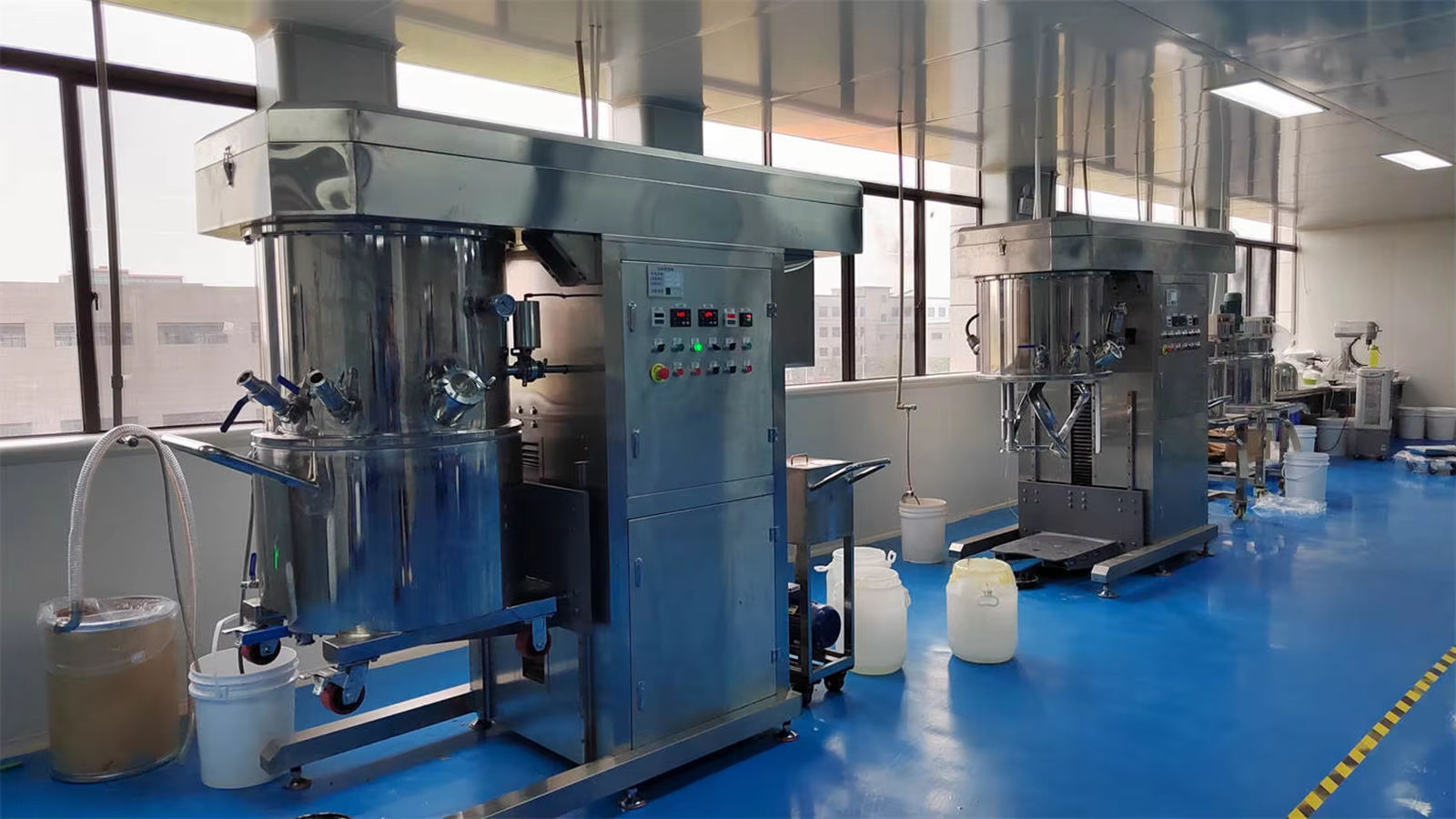
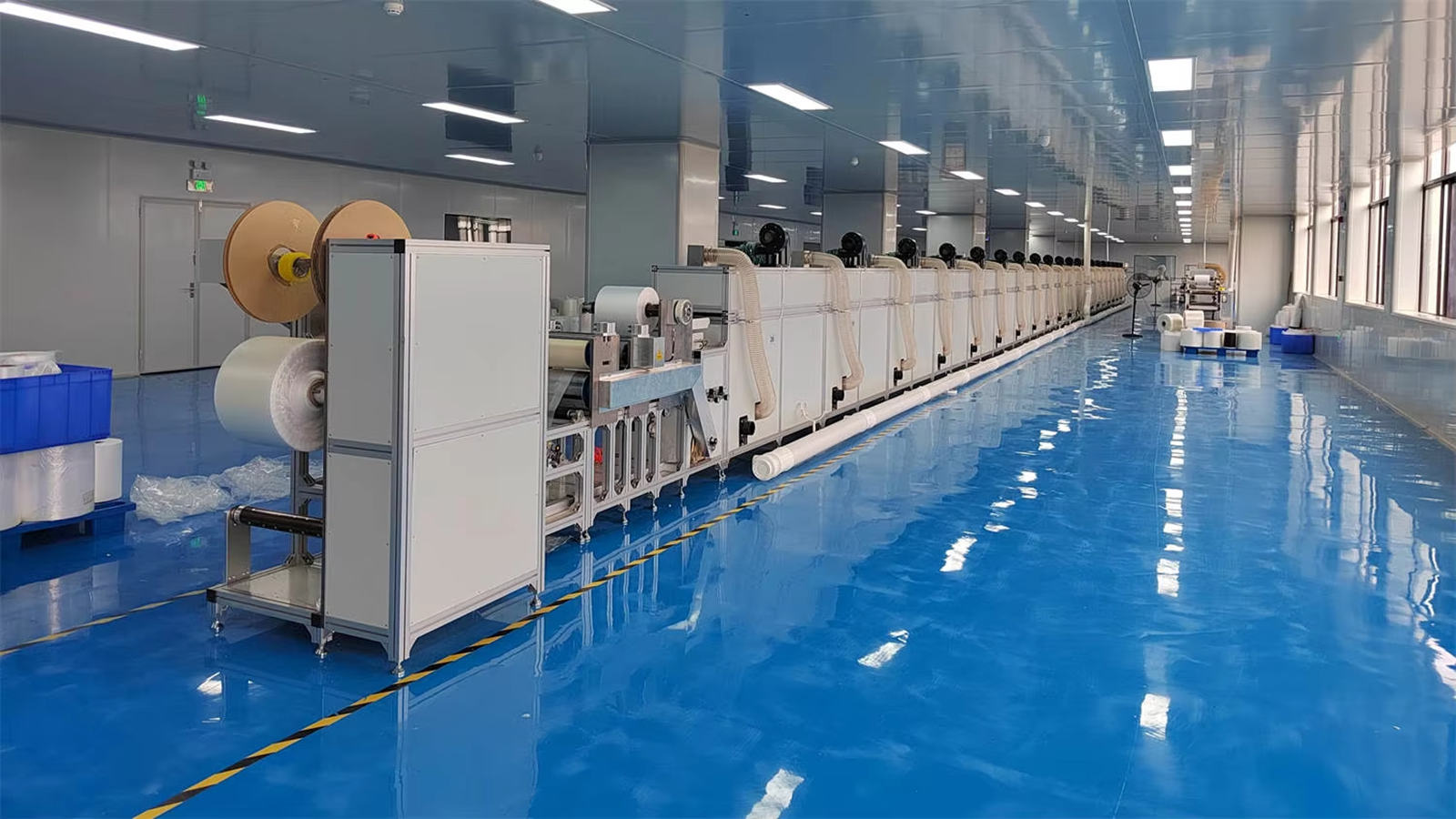
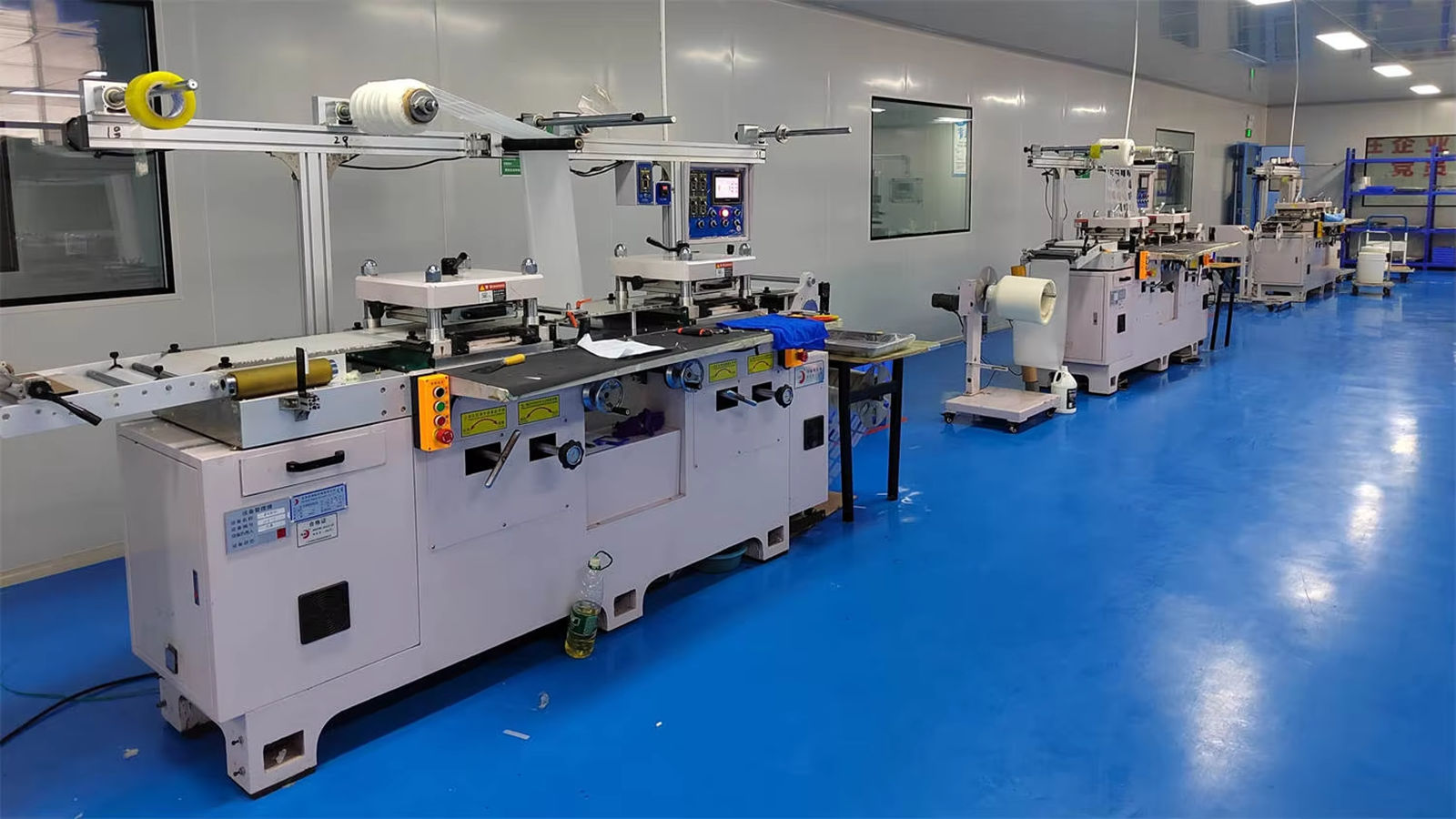
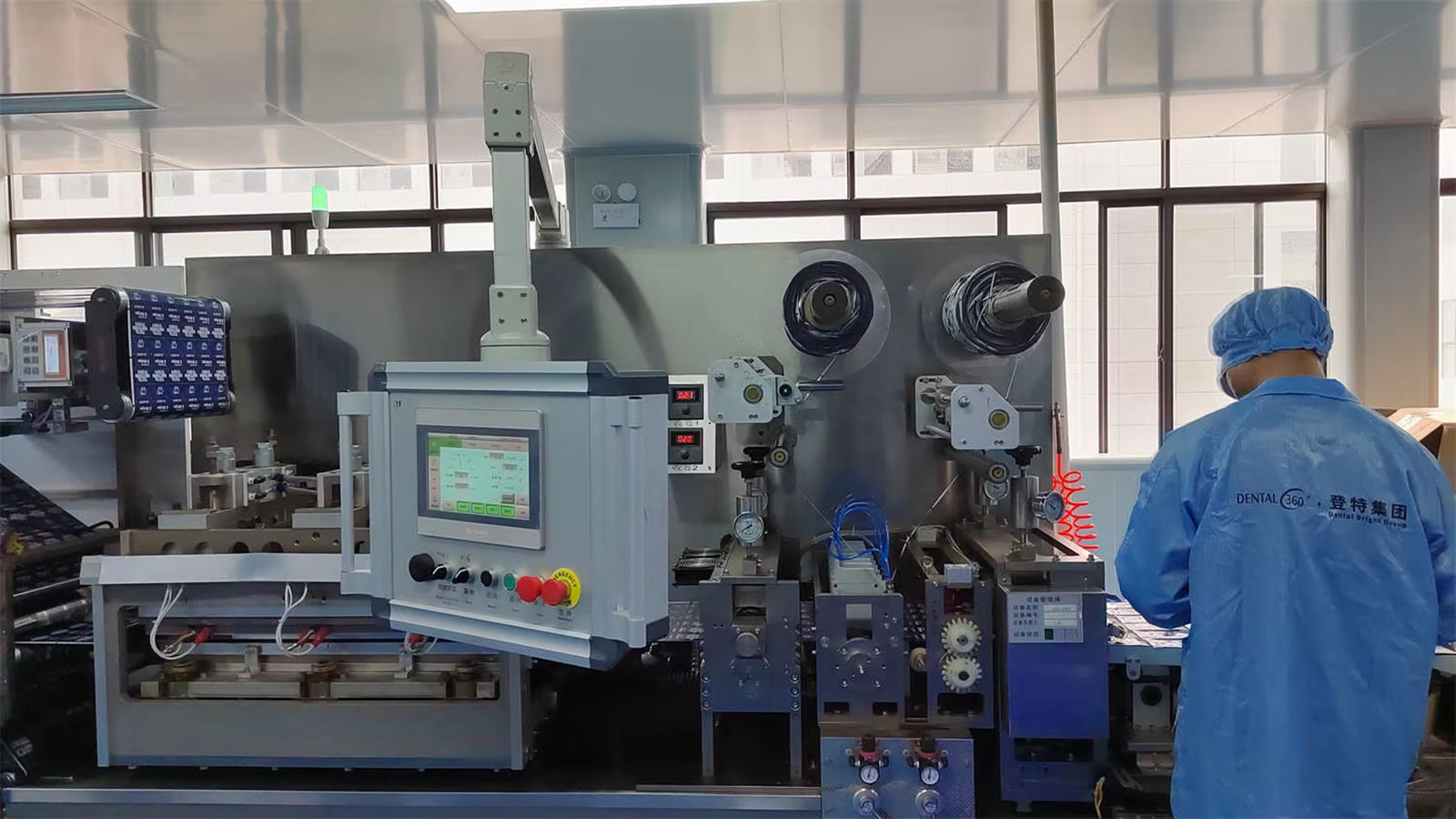
Acquiring medical-grade aesthetic equipment involves evaluating total cost of ownership, regulatory compliance, and international logistics. As global distributors, clinic chains, and medical spas source new hardware, they face a choice between Western aesthetic brands and premium manufacturing options from China.
Modern Chinese manufacturing offers competitive advantages in cost, production speed, and design flexibility. However, buyers must evaluate potential suppliers based on specific criteria to protect their investment:
Verify the origin of key components. Premium systems utilize German-engineered laser diodes, US-made RF tubes, and Swiss-manufactured motor connectors to ensure reliable operation.
Ensure suppliers offer training resources, protocols for various skin phototypes, parameter charts, and remote support to minimize patient risks.
Experienced suppliers offer custom chassis designs, localized software interfaces, and adjustable software limits to fit brand needs and regulatory rules.
Reliable suppliers use established freight forwarders to manage import customs, avoiding delays at ports of entry in North America, Europe, and Latin America.
Laser equipment safety is managed by strict regulatory standards worldwide. For aesthetic devices, compliance with these regulations is essential for legal distribution and patient safety.
In the European Union, the transition to the Medical Device Regulation (MDR 2017/745) has raised the documentation standards for aesthetic lasers. Devices must meet specific safety parameters, undergo risk assessments, and maintain technical documentation to carry CE certification. Similarly, in the United States, FDA 510(k) clearances require proof of substantial equivalence to existing legal devices, along with testing for electromagnetic safety and biocompatibility.
To meet these requirements, Beijing Durova Beauty Co., Ltd. incorporates built-in safety controls into its laser systems:
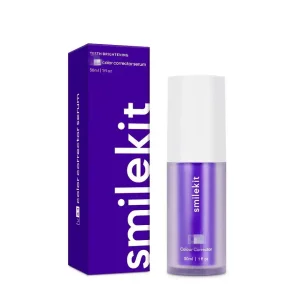
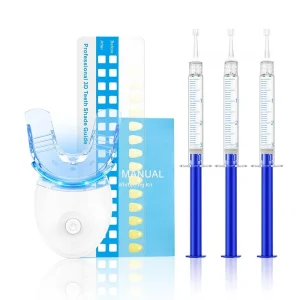
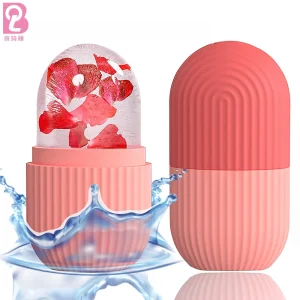
Explore our wider product line, including targeted skin rollers, dental care sets, and clinical Nd:YAG laser systems.
 Durova Beauty