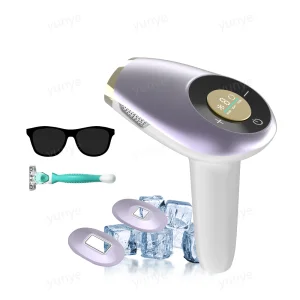
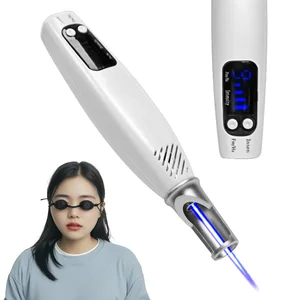
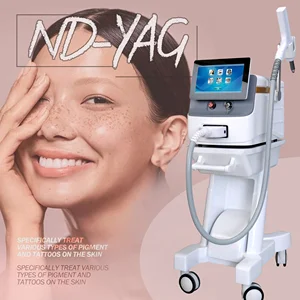
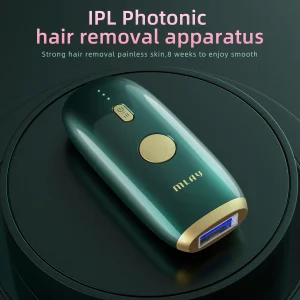
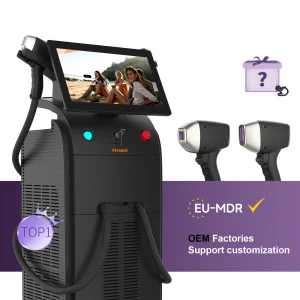
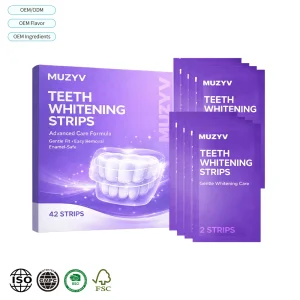
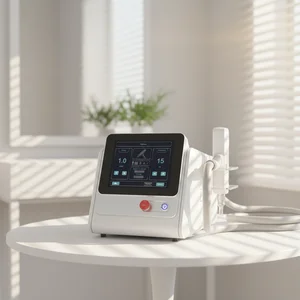
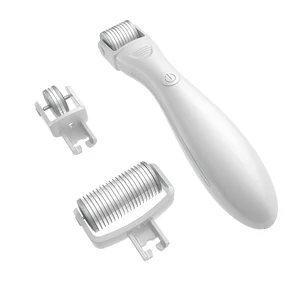
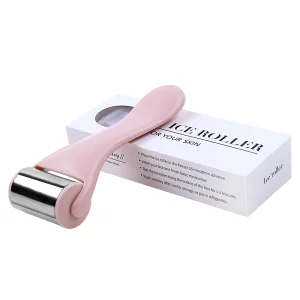
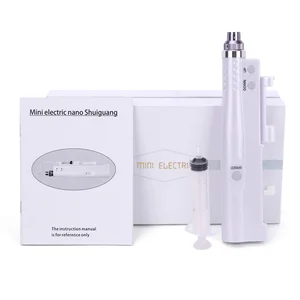
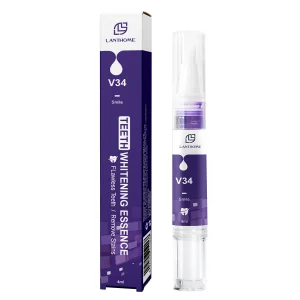
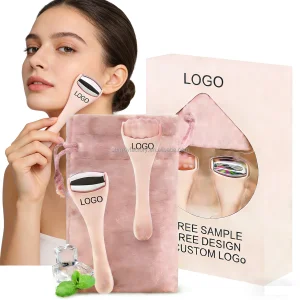
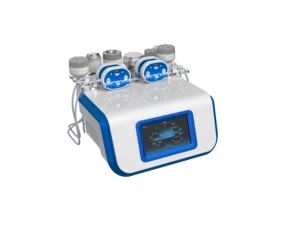
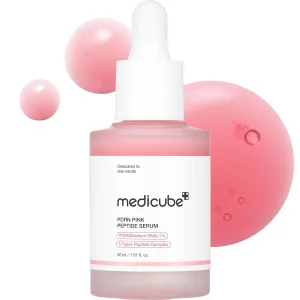
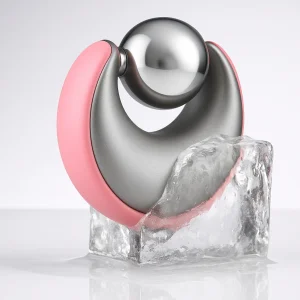
Explore our foundational lines of clinical-grade aesthetic systems, teeth whitening innovations, and personal care solutions.
In the contemporary skincare landscape, B2B procurement managers and brand owners must look beyond basic marketing claims. Deep pore extraction is a matter of precise polymer chemistry. Modern pore strips function via a solid-state adhesive matrix that undergoes a controlled phase transition upon hydration. Standard formulations rely heavily on Polyvinylpyrrolidone (PVP) or Polyvinyl Alcohol (PVA) matrices. When these water-soluble polymers interact with skin humidity, they transition into a highly conformable liquid film that molds to the micro-topography of the nasal epidermis, penetrating deep into the follicular openings.
As the moisture evaporates, the polymer chains cross-link, solidifying into a rigid mechanical anchor. Upon removal, the strip exerts a uniform peel force, physically extracting compacted sebum plugs, keratotic debris, and micro-comedones (blackheads) directly from the follicle walls. This mechanical peel-off tension must be precisely calibrated: too low, and the plug remains anchored within the pore; too high, and the strip causes micro-tears in the epidermal barrier, triggering post-inflammatory hyperpigmentation (PIH).
Information Gain Paradigm: True efficacy in modern pore strip formulation lies in the delicate equilibrium between polymer tensile strength and skin-surface tension. The integration of hydrocolloid compounds has revolutionized physical extraction by maintaining cell-level hydration while absorbing fluid exudates.
For global enterprise buyers, sourcing pore strips requires rigorous validation protocols. Global supply chain audits demand transparency across multiple vectors: raw material purity, automated coating uniformity, adhesive stability under volatile temperatures, and regulatory validation. When assessing a potential manufacturer, the procurement process must demand documented certifications such as GMPC (Good Cosmetic Manufacturing Practice) and ISO 22716. These frameworks ensure that allergen cross-contamination is non-existent, and heavy metal counts do not cross international safety thresholds.
Furthermore, stability testing is key. Premium pore strips are engineered to withstand ambient heat and humidity variations during international transport without premature curing or adhesive degradation. Our manufacturing protocols include rigorous aging chambers testing at 45°C and 75% relative humidity for a minimum of 12 weeks to guarantee a minimum two-year shelf life under commercial warehousing conditions.
Below is a technical breakdown outlining the performance thresholds of legacy formulations versus modern intelligent polymer systems offered through our OEM/ODM custom development programs:
| Parameters | Standard PVP Formulations | Advanced Hydrocolloid-Polymer Hybrid | Active Carbon Composite Matrix |
|---|---|---|---|
| Adhesion Mechanics | High immediate grip; susceptible to ambient humidity | Moisture-activated selective adhesion (low epidermal peel) | Porosity-driven mechanical anchoring + oil adsorption |
| Epidermal Tension | Moderate to High; risk of stripping natural lipids | Minimal; preserves skin barrier integrity | Calibrated for oily, keratinized skin zones |
| Active Infusion Capacity | Very limited (actives destabilize PVP network) | High; supports salicylic acid, niacinamide, peptides | Optimized for volcanic ash, charcoal particles |
| B2B Unit Costing | Low-cost commodity pricing | Premium positioning; high margin potential | Mid to High tier mass market popularity |
The decision to partner with Chinese manufacturers for beauty, cosmetic, and aesthetic products is rooted in industrial scalability and ecosystem integration. In regions like Beijing and the greater industrial zones of China, supply chains are vertically integrated. This means that raw material synthesis, chemical synthesis of medical-grade adhesives, precision die-cutting machinery manufacture, and automated packaging production lines operate within localized clusters. This proximity reduces transit times and allows for rapid iterative prototyping.
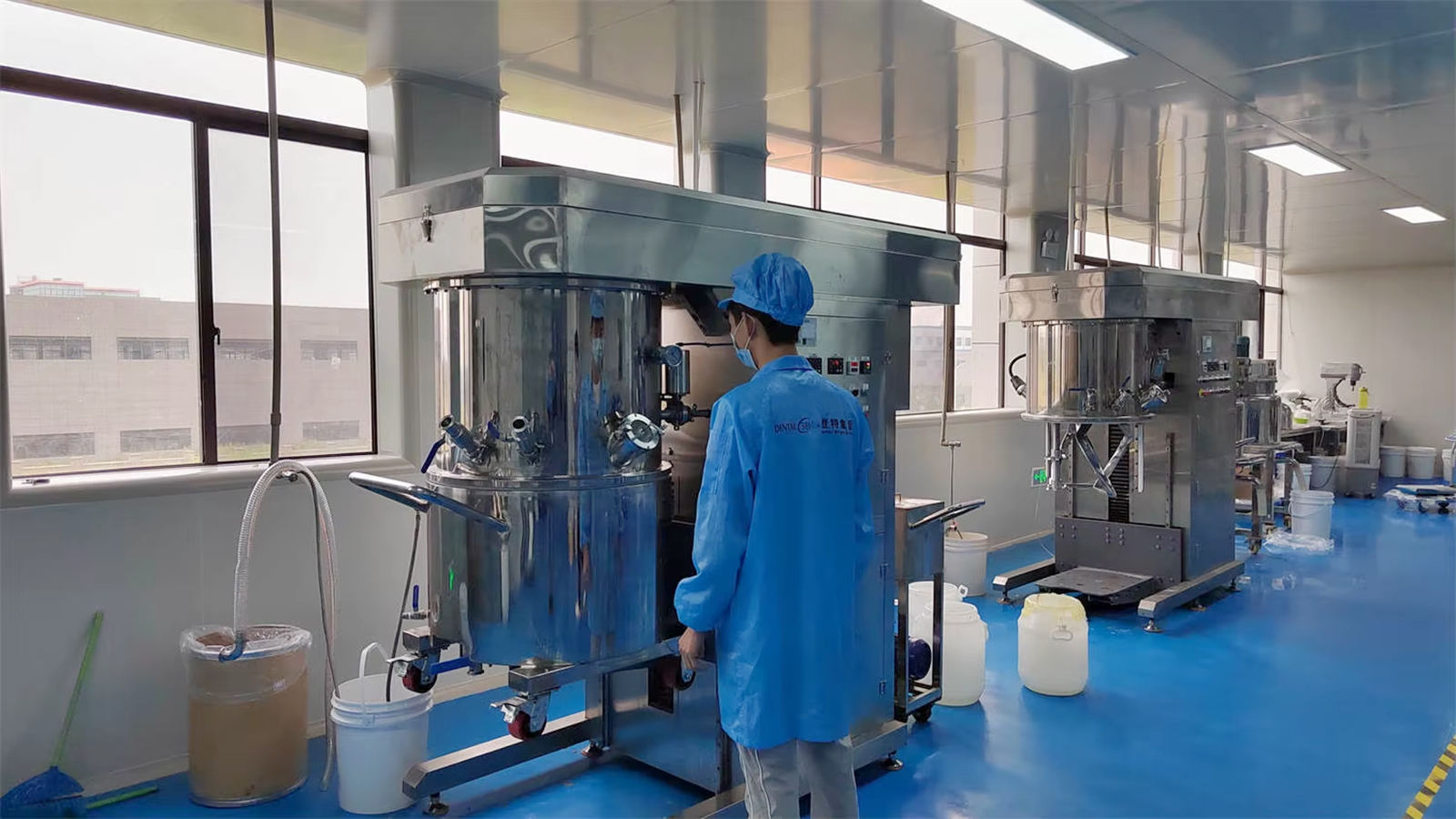
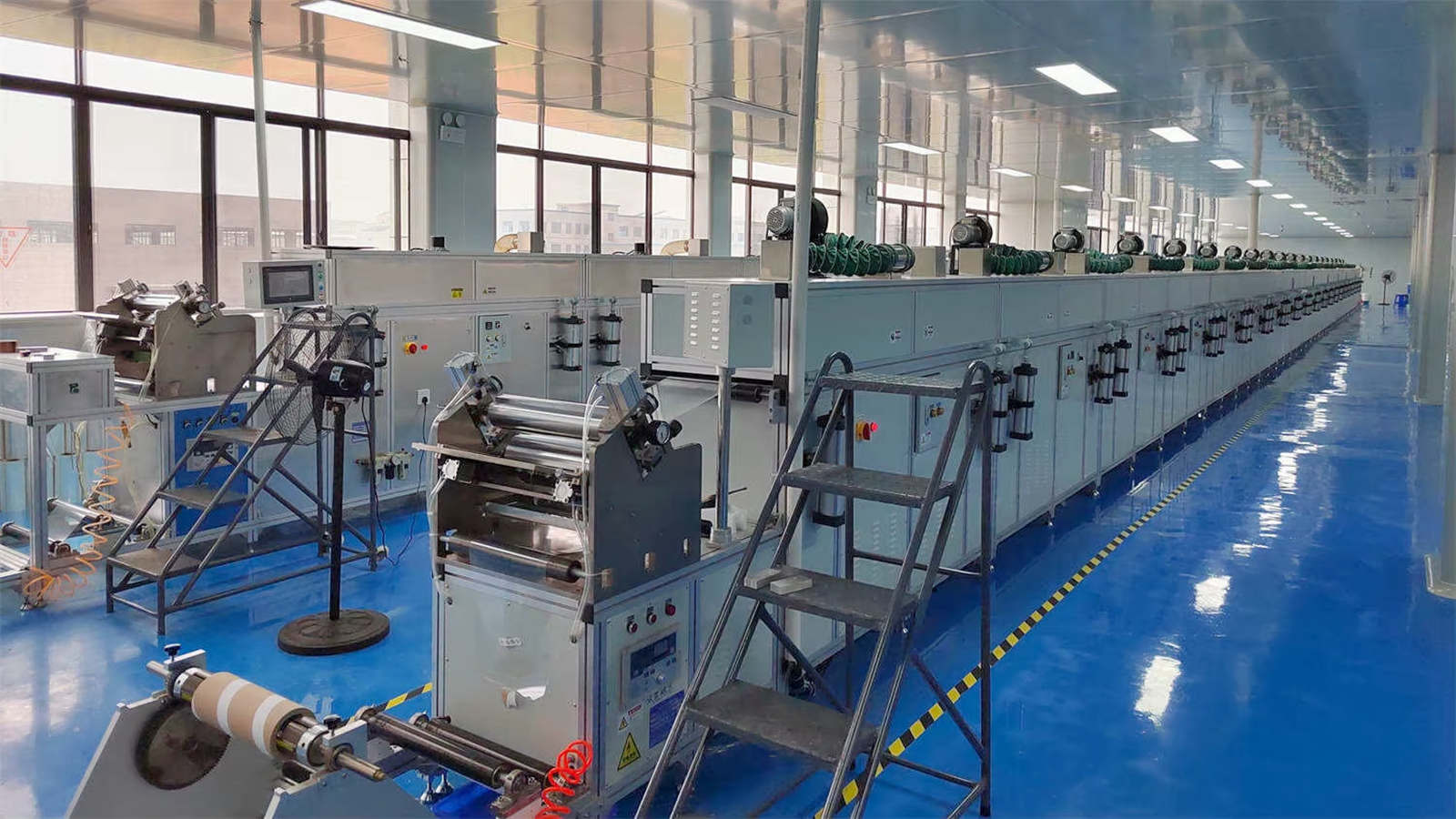
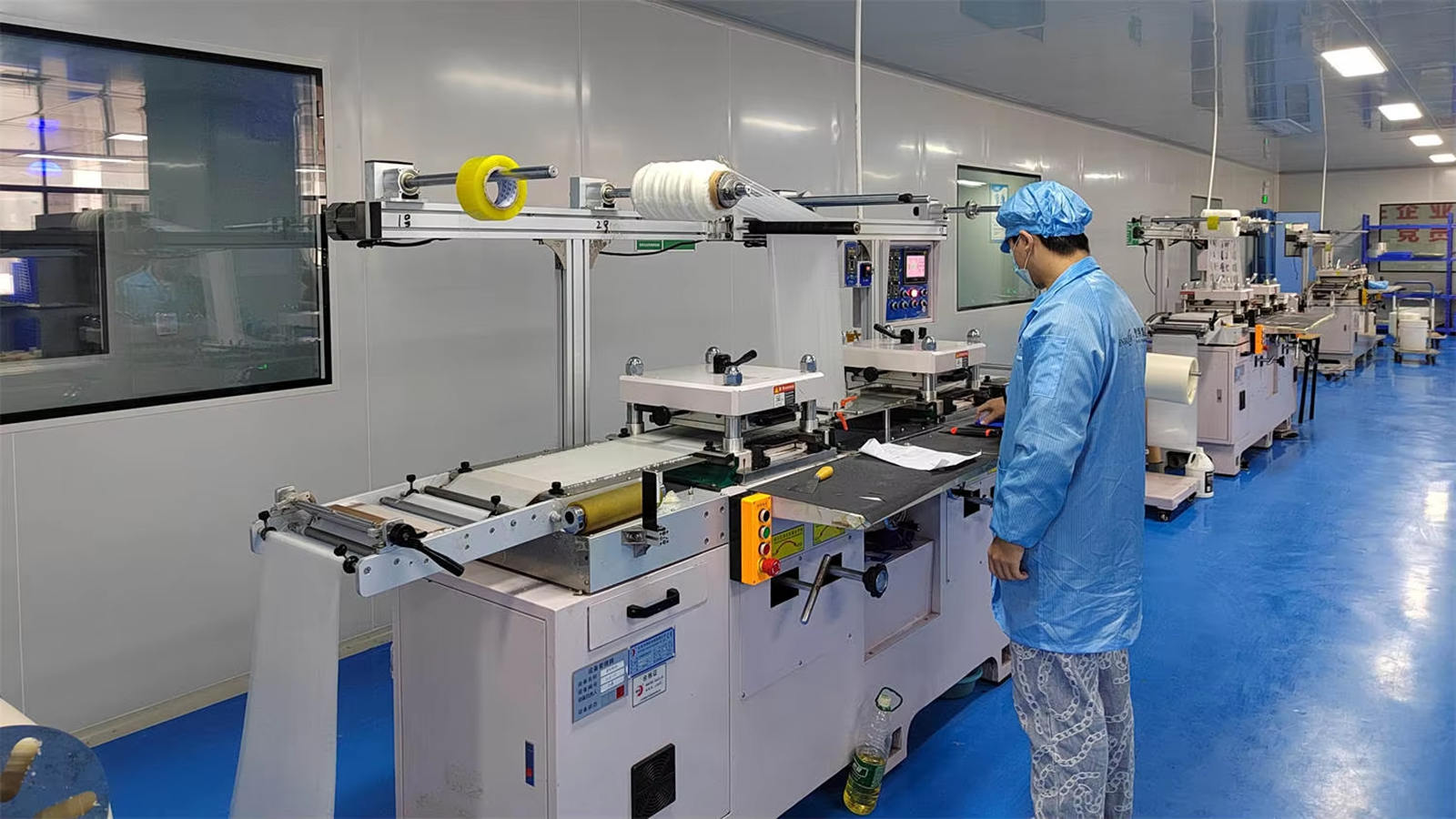
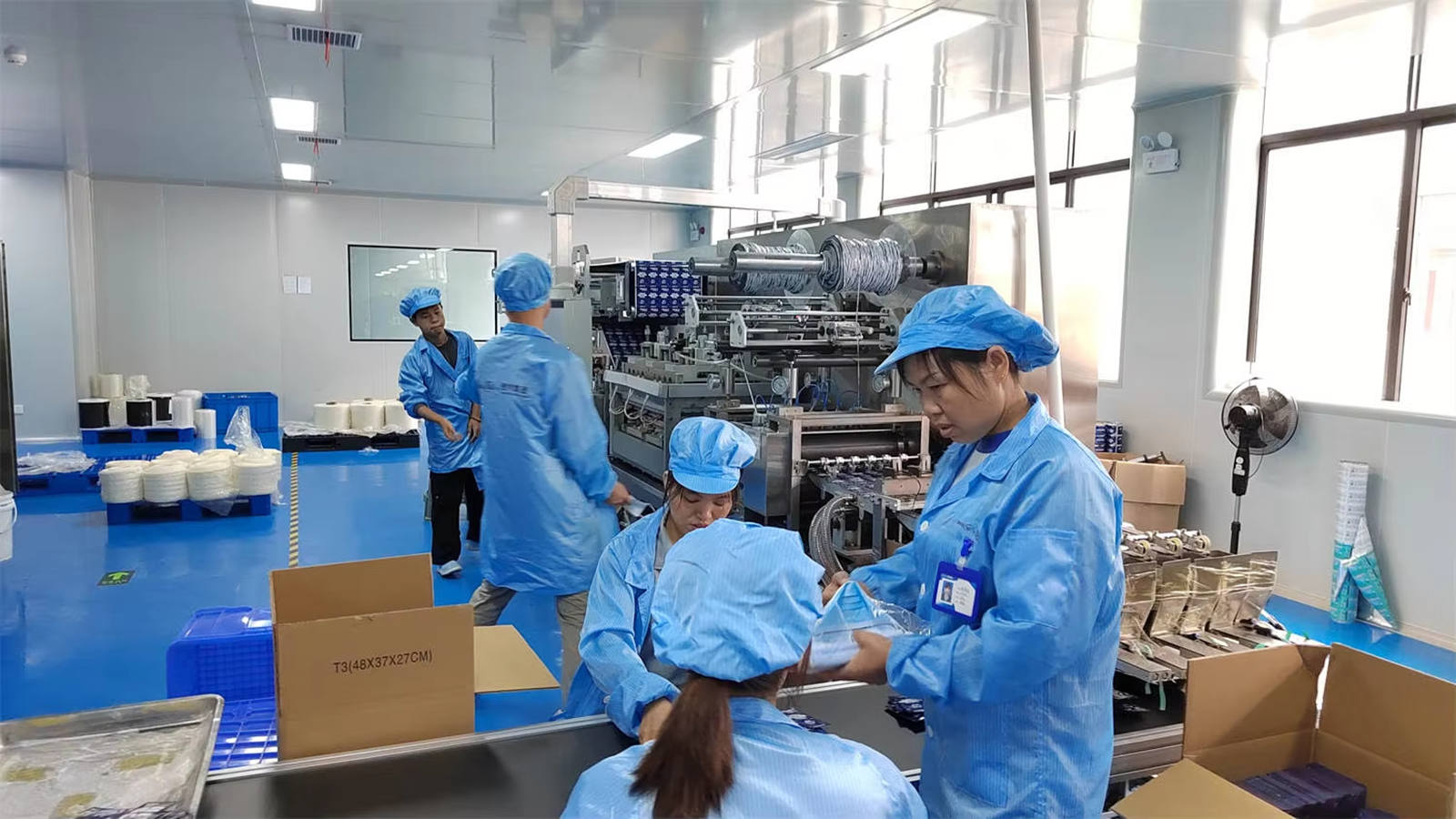
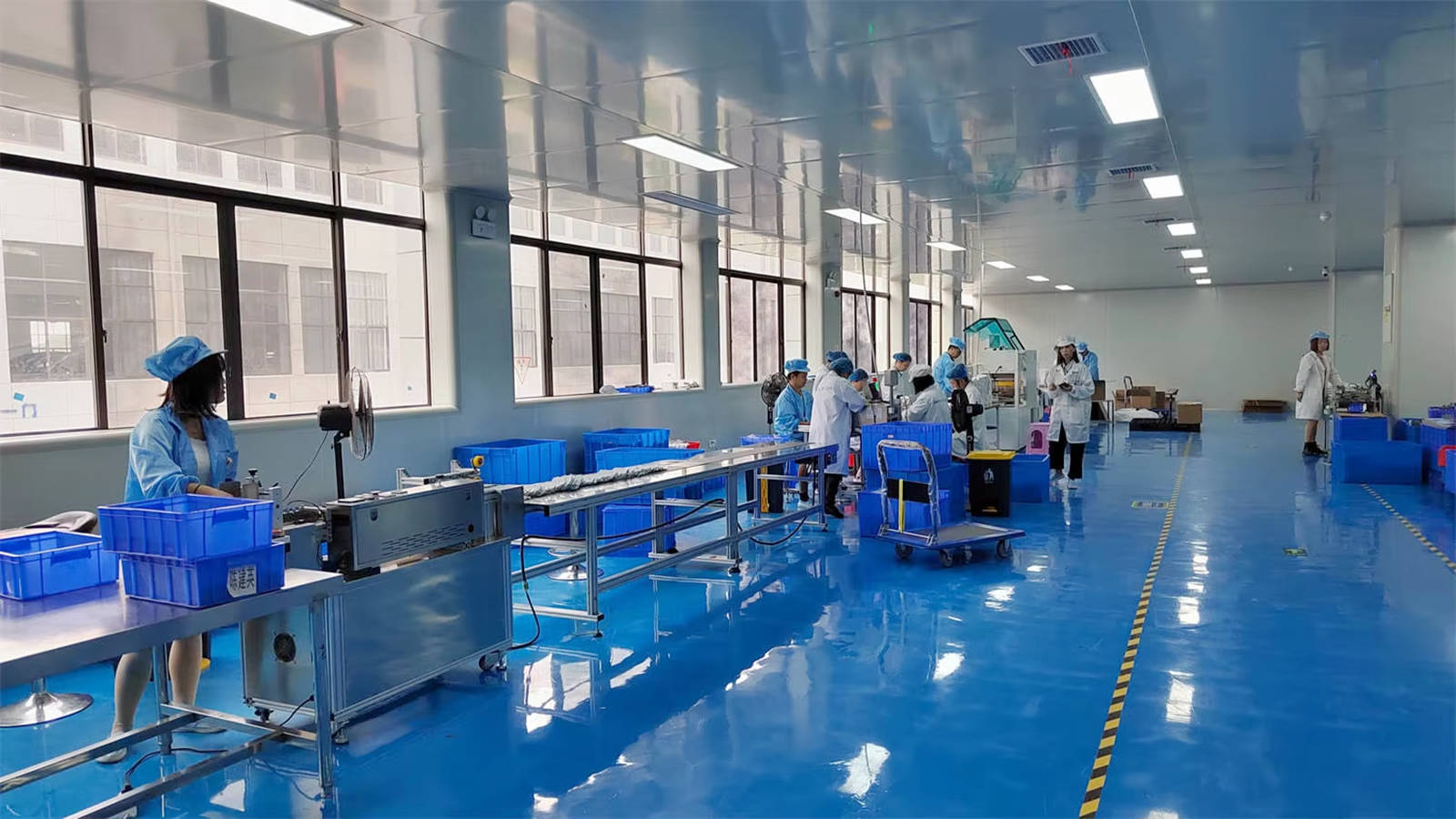
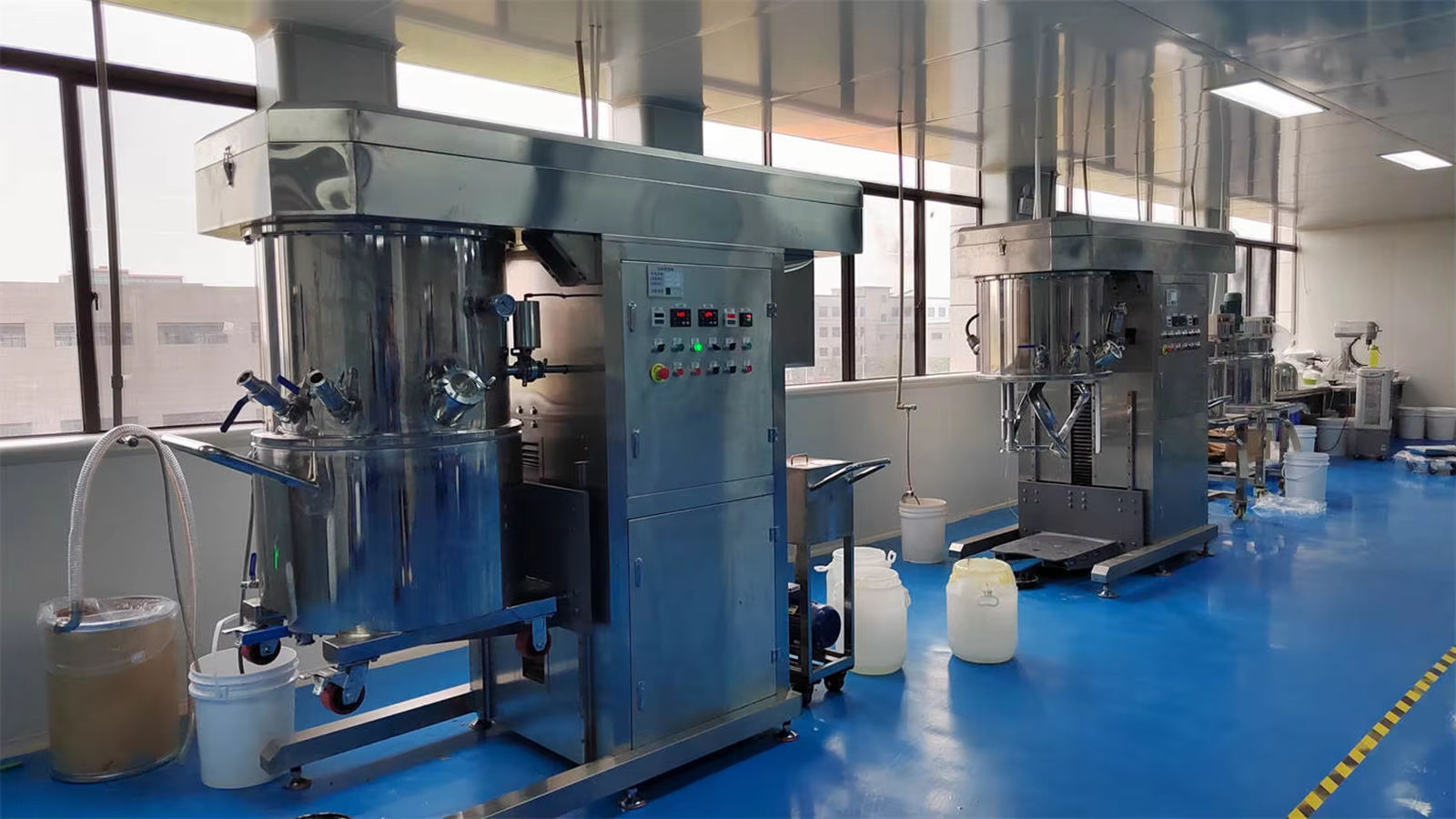
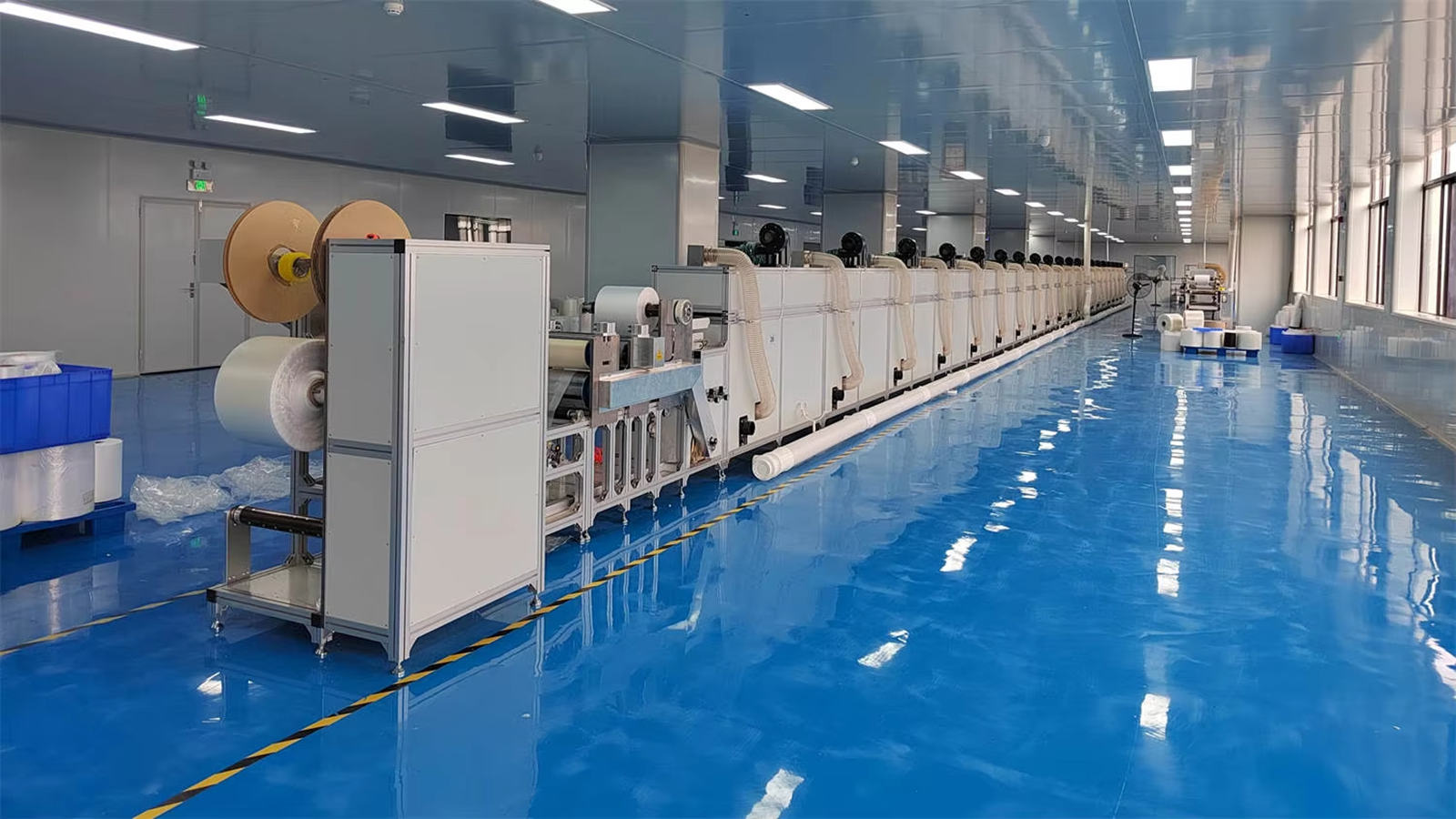
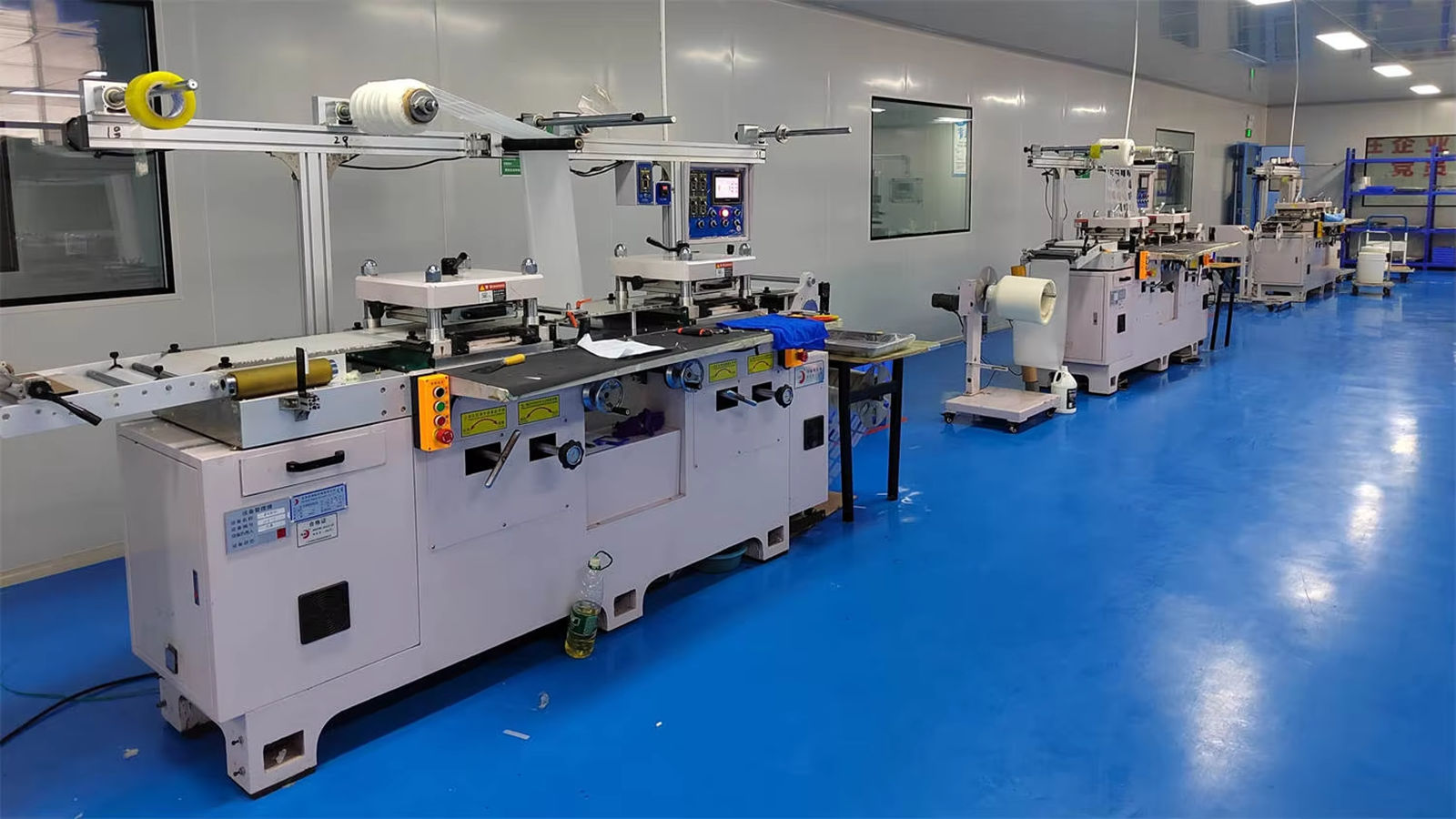
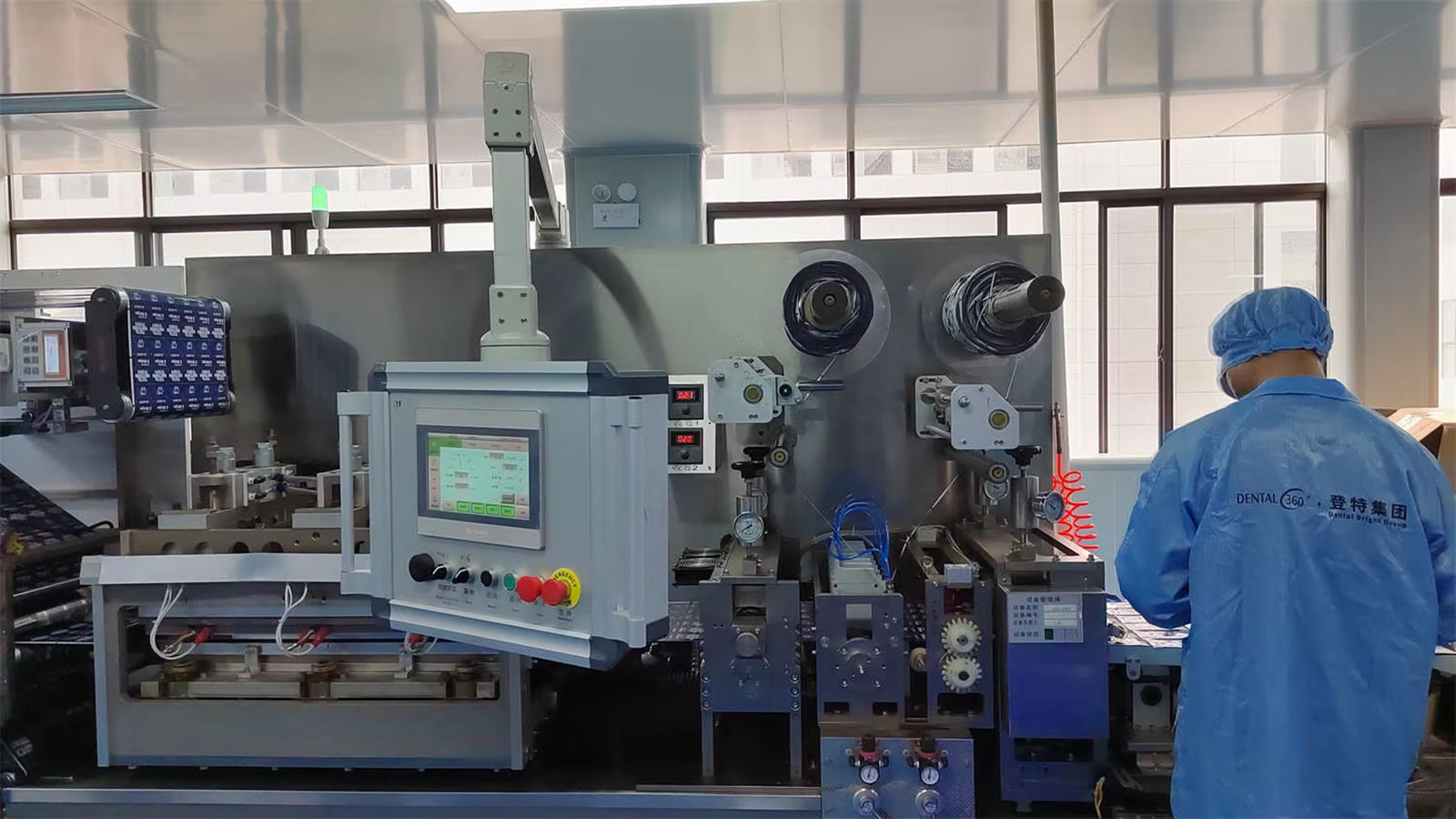
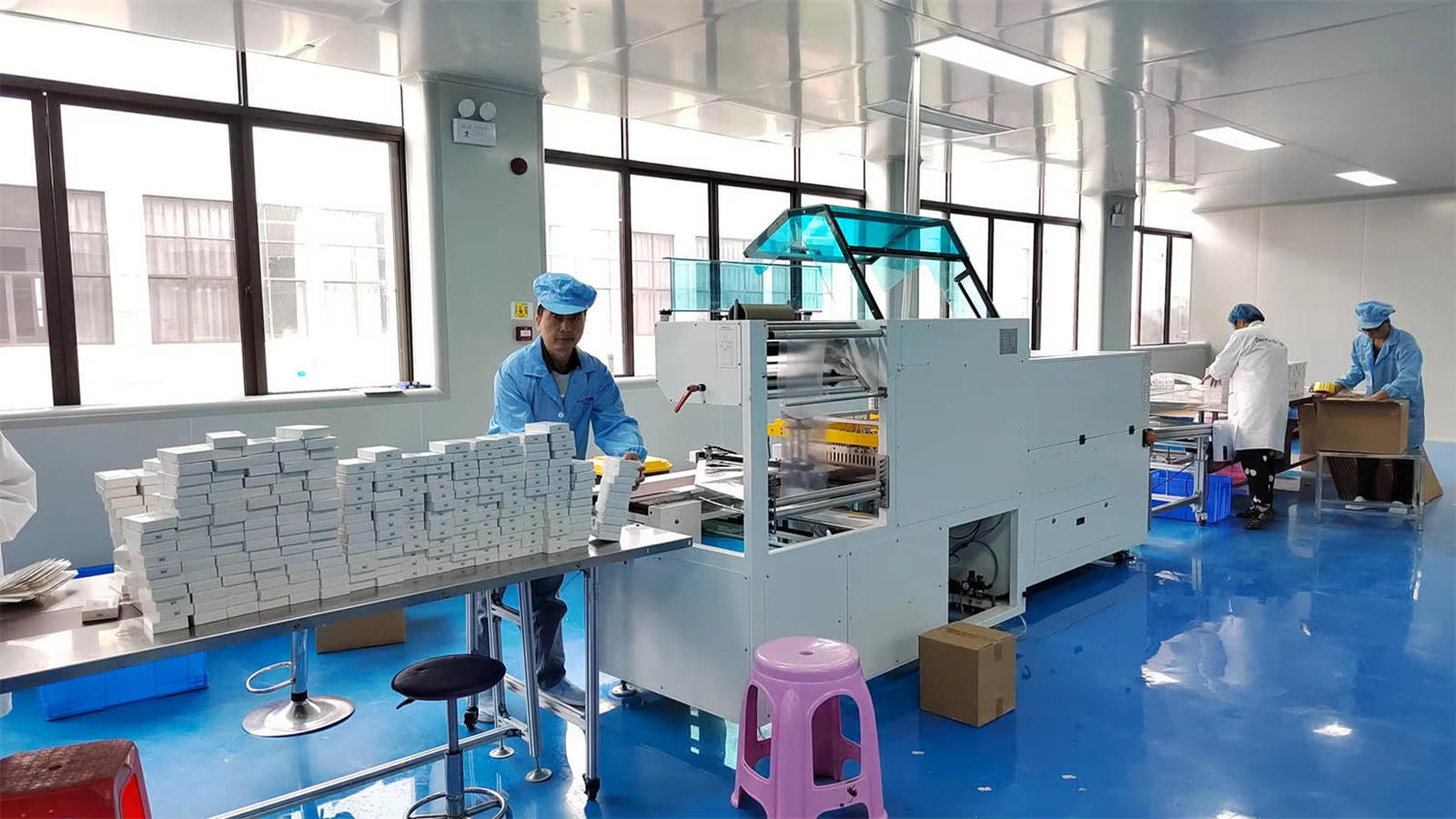
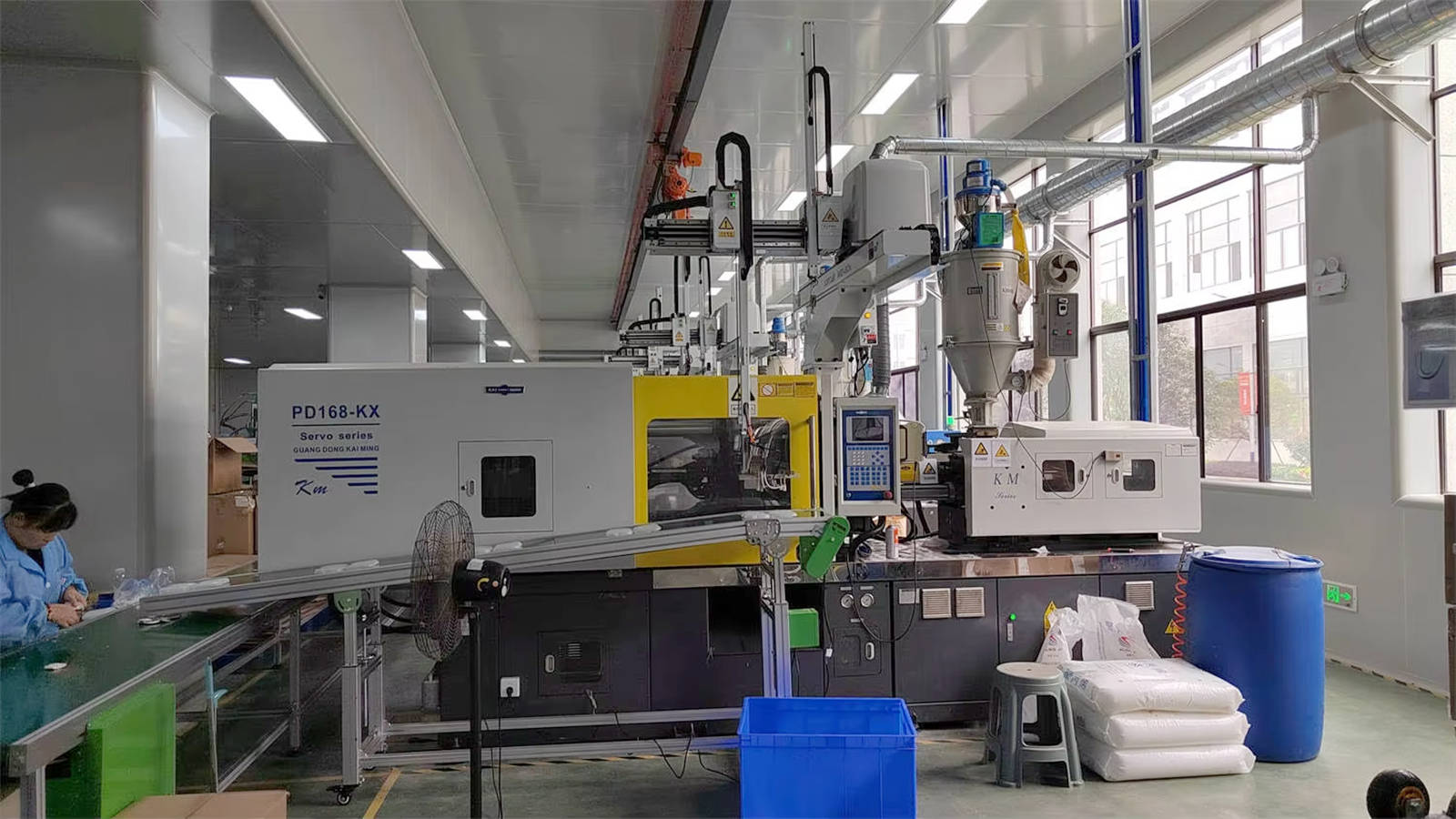
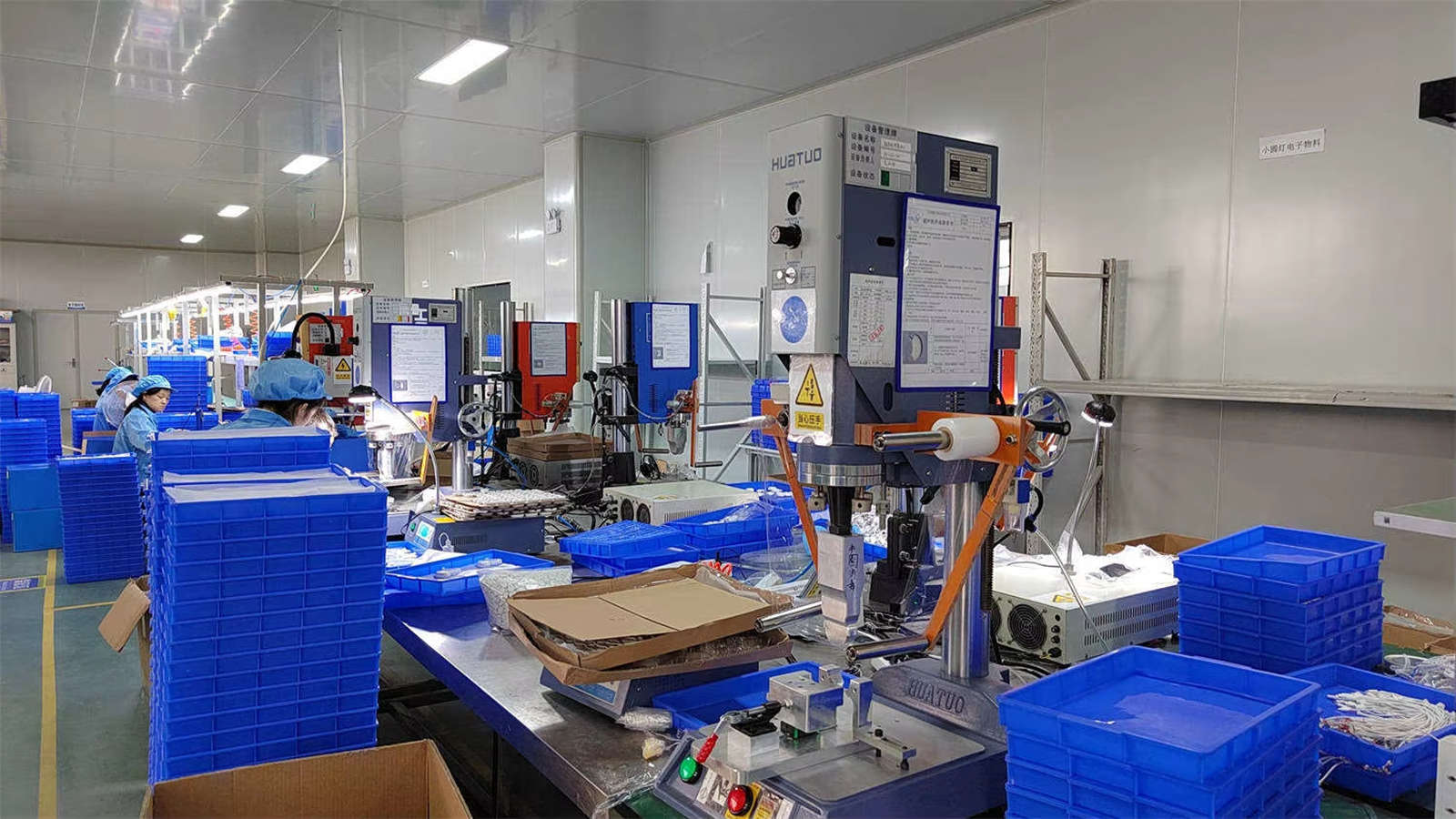
Chinese cosmetic factories utilize cutting-edge technology that is cost-prohibitive in Western markets. High-efficiency coating machines apply bio-adhesives onto backing films with micrometer-level precision. This ensures that every single strip produced has an identical thickness, eliminating structural weak points that cause tearing during peel-off. Furthermore, high-speed automated inner and outer packing systems enable production volumes that can scale from small pilot batches of 50,000 units to multi-million mass market runs in days.
When designing pore strip products under your brand's umbrella, optimization must be tailored to regional demographics and user search behaviors. Semantic intent mapping reveals distinct expectations across markets:
The beauty market is transitioning from simple physical pore stripping to comprehensive, multi-phase systems. Standard blackhead strips are increasingly paired with soothing or pore-tightening serums in 2-step or 3-step kits. Furthermore, smart delivery systems are gaining market share. For example, micro-needle technology is being integrated into adhesive patches to deliver active ingredients deep into the sebaceous glands before the mechanical extraction phase. Additionally, active ingredients such as salicylic acid, tea tree oil, and centella asiatica are being microencapsulated within the adhesive layer to provide targeted benefits.
Leading the Global Market in Professional Aesthetic Equipment and Skincare Solutions Since 2014
Beijing Durova Beauty Co., Ltd. is a professional manufacturer and global supplier established in 2014, specializing in advanced beauty and aesthetic equipment. Our product range includes teeth whitening systems, derma pens, derma rollers, laser hair removal devices, laser tattoo removal machines, and body slimming equipment.
Located in Beijing, China, our company benefits from convenient transportation and strong industrial resources, enabling efficient production and global distribution. Over the years, we have built a solid reputation in the beauty industry by focusing on innovation, reliability, and customer satisfaction.
Beijing Durova Beauty Co., Ltd. is committed to strict quality control throughout every stage of production. We have implemented a modern quality management system in line with international standards to ensure safety, stability, and consistent performance of our products. Many of our products have obtained CE certification, reflecting our dedication to meeting global regulatory requirements.
In addition to manufacturing excellence, we place great emphasis on customer service and long-term cooperation. Our experienced team works closely with clients worldwide, offering professional consultation, OEM/ODM customization services, and comprehensive after-sales support.
With continuous innovation and a customer-oriented approach, Beijing Durova Beauty Co., Ltd. strives to become a trusted partner in the global beauty and aesthetic equipment industry, delivering high-quality solutions that empower beauty businesses worldwide.
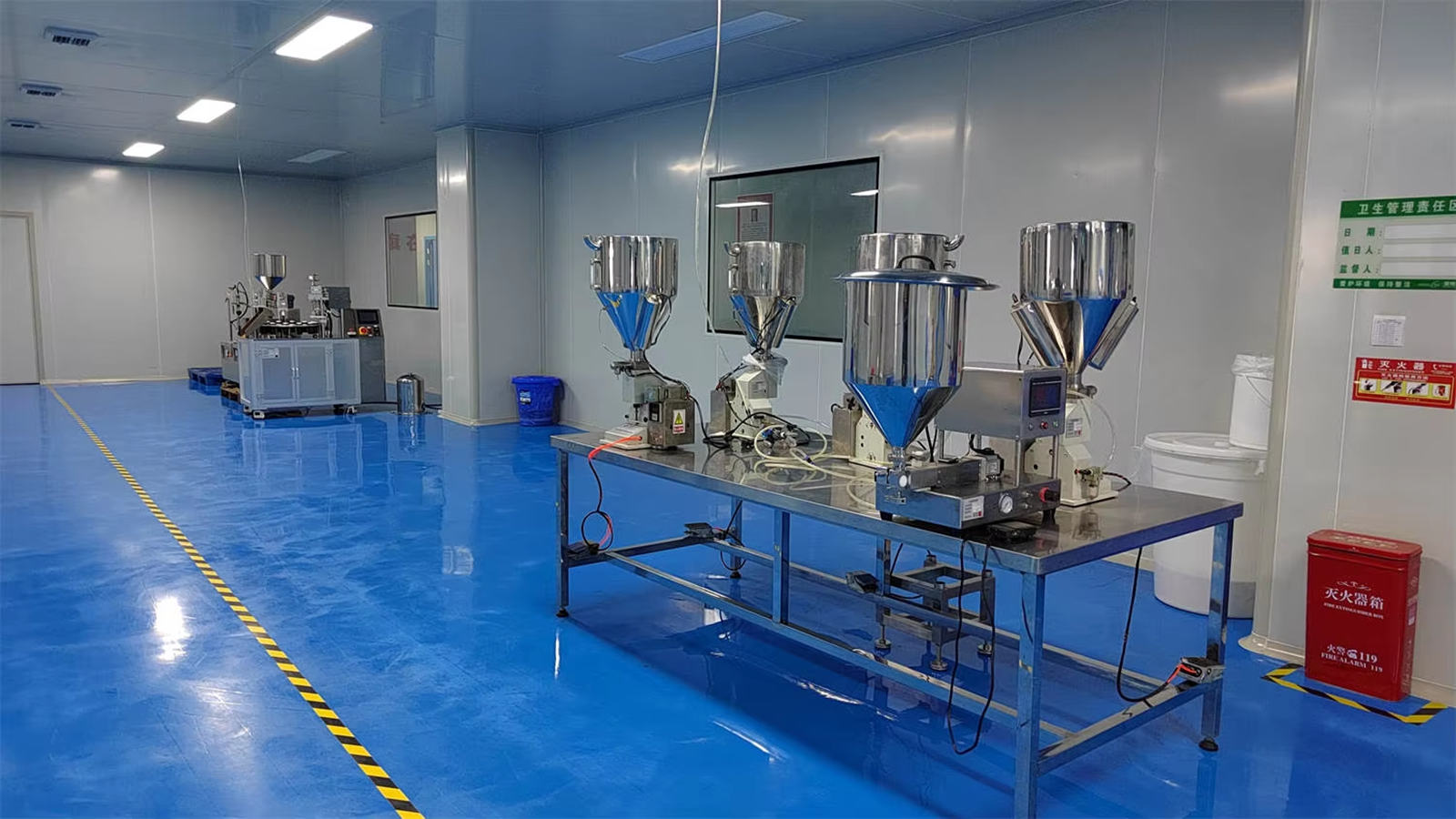
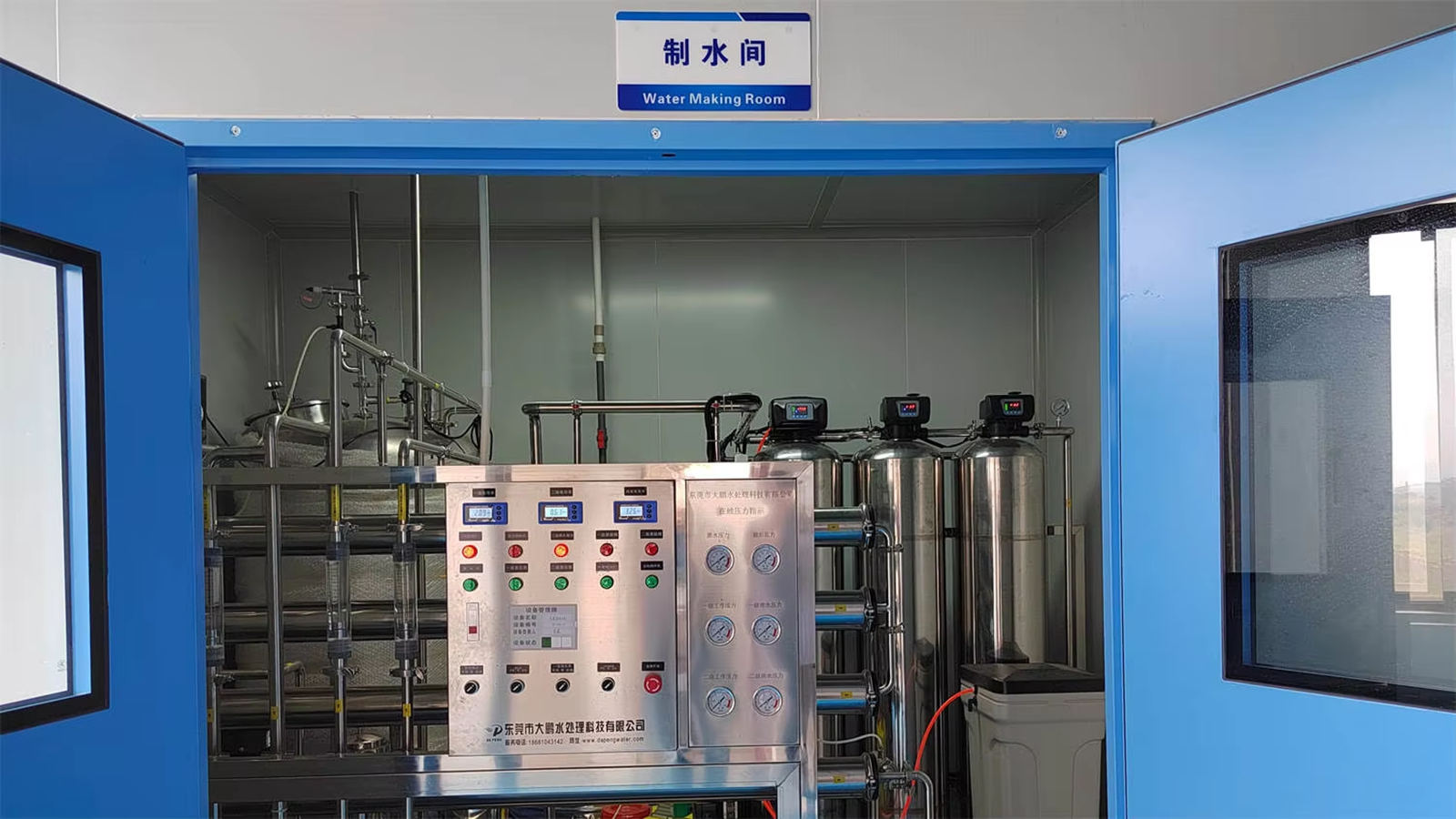
Explore our advanced manufacturing floor, where mechanical precision meets aesthetic formulation chemistry.
Critical answers for sourcing directors, brand managers, and product engineers regarding pore strip formulation and procurement.
Premium solutions spanning micro-needling devices, cryo-massagers, and advanced dermal therapy platforms.
 Durova Beauty