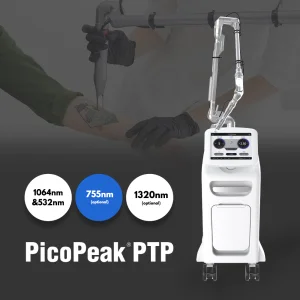
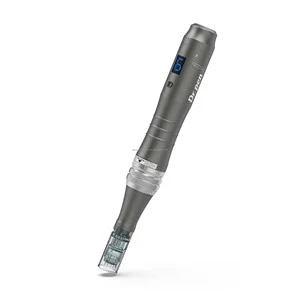
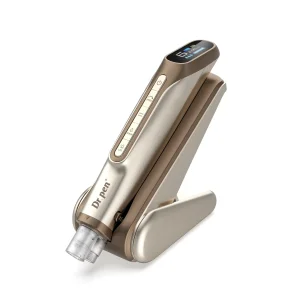
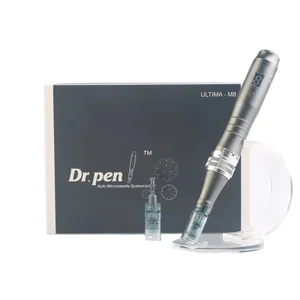
Explore our elite tier of clinical-grade hair removal, skin rejuvenation, and micro-needling technologies engineered for leading global salons and medical centers.
Analyzing the technological transition from traditional laser systems to epidermal cooling technology.
Within the aesthetic medical hardware sector, few developments have transformed patient retention and treatment efficiency as significantly as contact epidermal cooling. Historically, high-fluence photo-epilation systems—such as legacy ruby, alexandrite, and standard Nd:YAG configurations—focused almost exclusively on delivering energy to the follicular melanin target. While highly effective, these systems suffered from a fundamental thermodynamic limitation: thermal conduction into the surrounding epidermal layers, which resulted in significant discomfort, erythema, and a elevated risk of post-inflammatory hyperpigmentation (PIH), particularly in patients with Fitzpatrick skin types IV through VI.
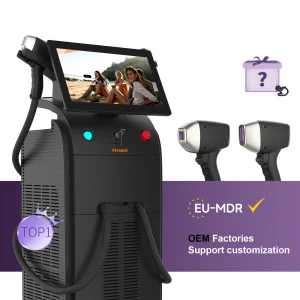
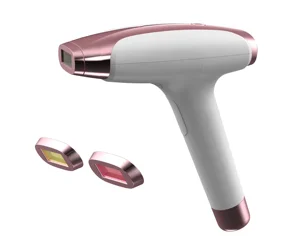
The introduction of sapphire-contact ice cooling technology solved this thermal equation. Sapphire, having an outstanding thermal conductivity rate (approx. 35 W/m·K at 20°C, compared to glass at ~1 W/m·K), functions as an active heat sink when coupled with Peltier thermoelectric cooling (TEC) assemblies. By chilling the epidermal surface to a stable 0°C to -4°C immediately prior to, during, and after laser pulse emission, the skin's nerve endings are desensitized and the epidermis is preserved from thermal damage. This spatial selective cooling allows clinicians to deploy higher fluences, optimizing target follicular destruction while minimizing patient pain.
SEO Insight & Information Gain: Modern medical procurement demands more than standard 808nm diode systems. Global distributors prioritize multi-wavelength machines (755nm + 808nm + 940nm + 1064nm) integrated with real-time TEC cooling feedback loops to guarantee continuous duty-cycles of up to 24 hours without drop-offs in optical power output.
Key technical parameters global medical equipment distributors must evaluate prior to partnering with manufacturers.
For B2B buyers—specifically medical device distributors, salon chains, and aesthetic franchise operations—the evaluation of an Ice Cooling Hair Removal manufacturer requires examining several technical specifications. These parameters ensure high operational efficiency and regulatory compliance:
A premier global supplier established in 2014, engineering medical-grade aesthetic equipment.
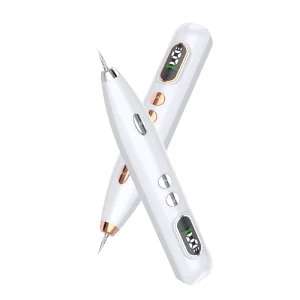
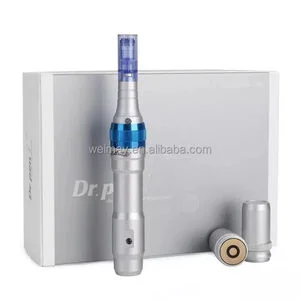
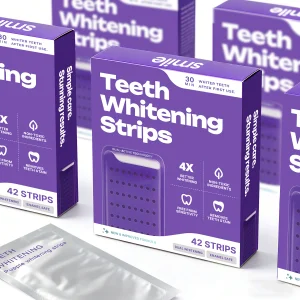
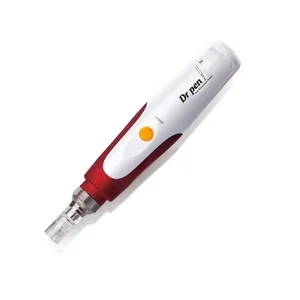
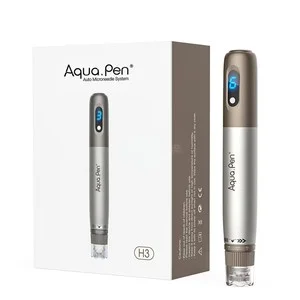
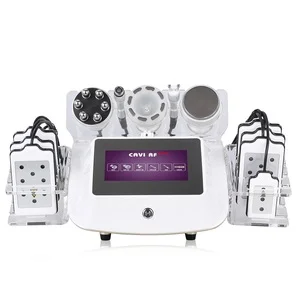
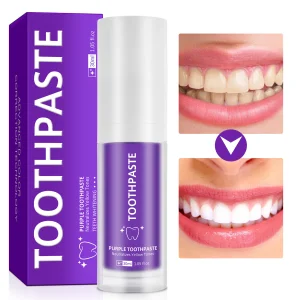
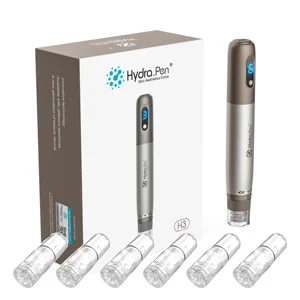
Established in 2014 in Beijing, China, Beijing Durova Beauty Co., Ltd. has grown to become a prominent manufacturer and global supplier of advanced beauty and aesthetic devices. Operating out of a strategically located production facility, the company benefits from strong supply chain infrastructure, enabling efficient global logistics and reliable lead times. Our extensive portfolio includes medical-grade teeth whitening systems, derma pens, microneedle systems, high-power diode laser hair removal machines, tattoo removal systems, and body contouring devices.
Our commitment to quality control is integrated throughout our entire manufacturing process. By adhering to international quality management systems, Durova ensures that every device meets strict standards for safety, stability, and clinical efficacy. Many of our flagship products carry CE and MDR certification, offering global distributors and medical clinics peace of mind regarding safety and regulatory compliance.
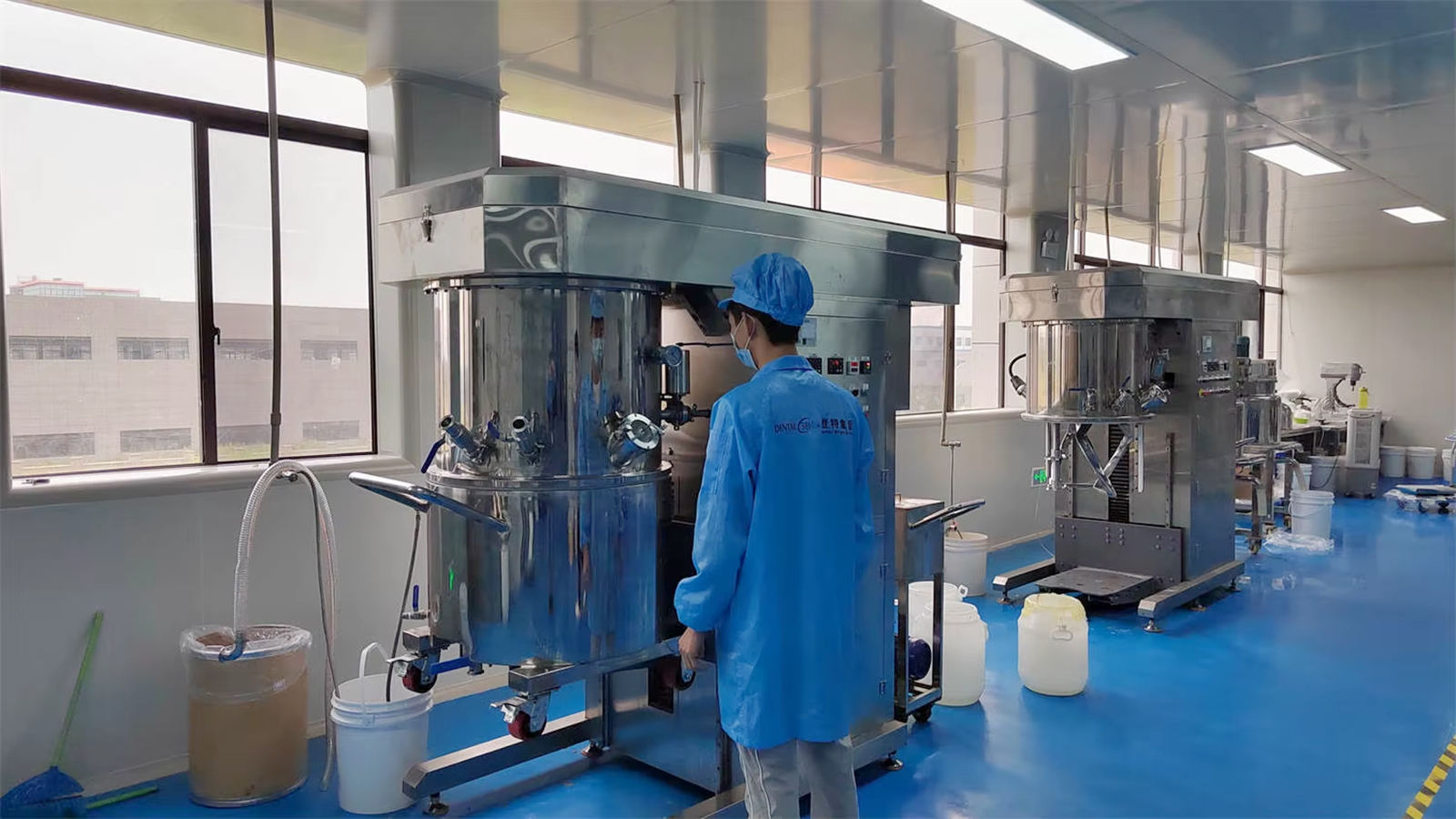
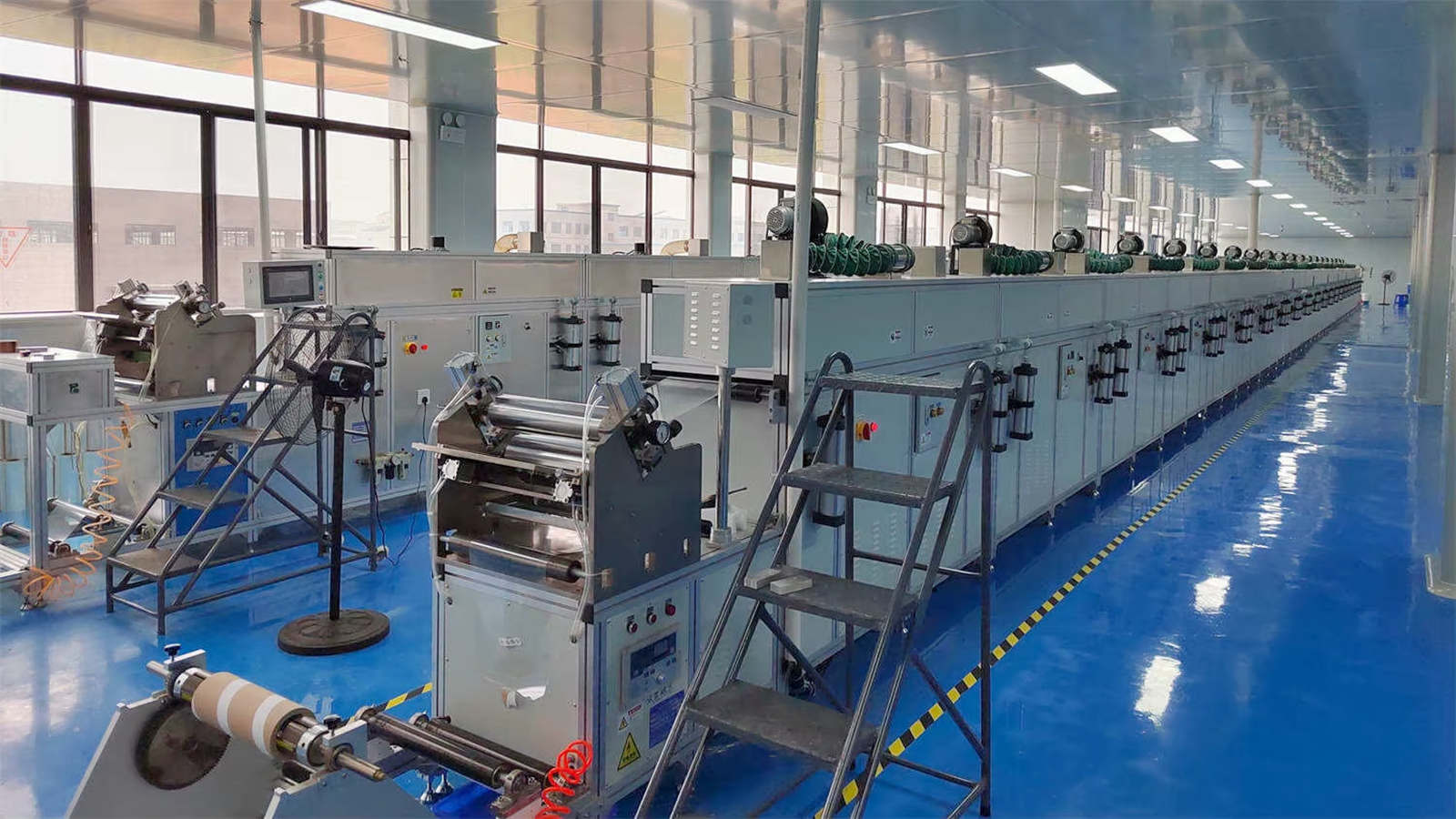
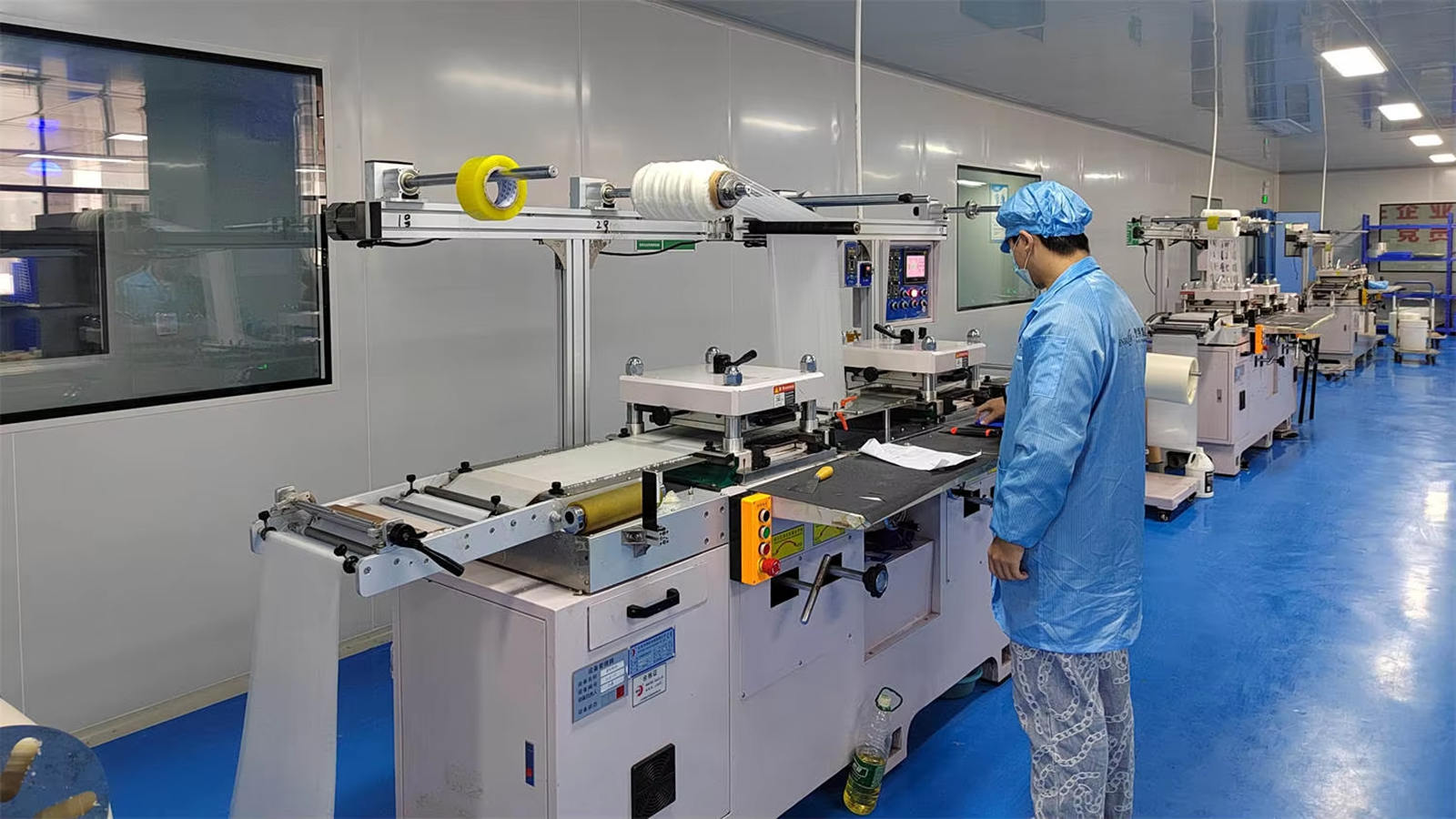
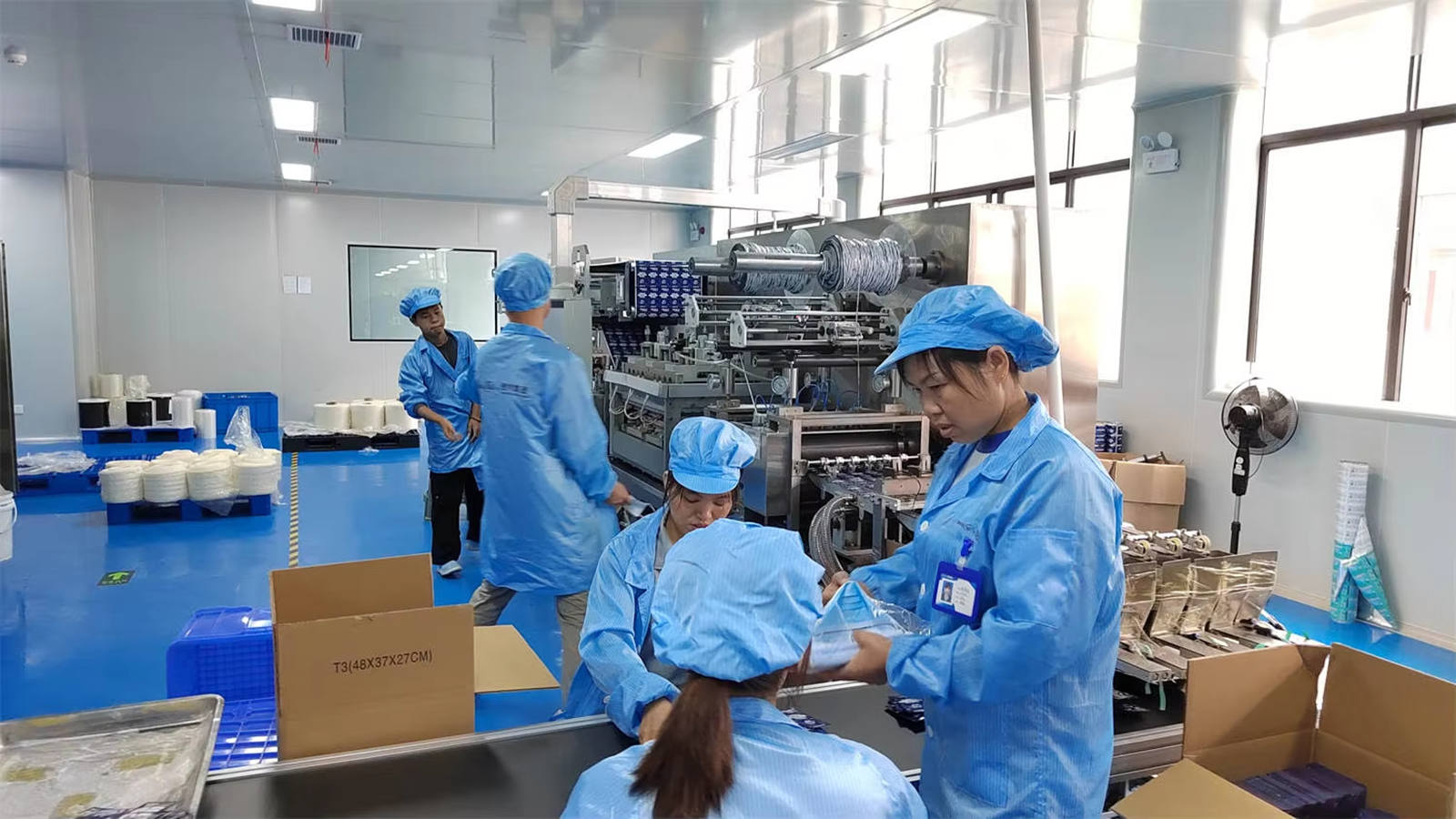
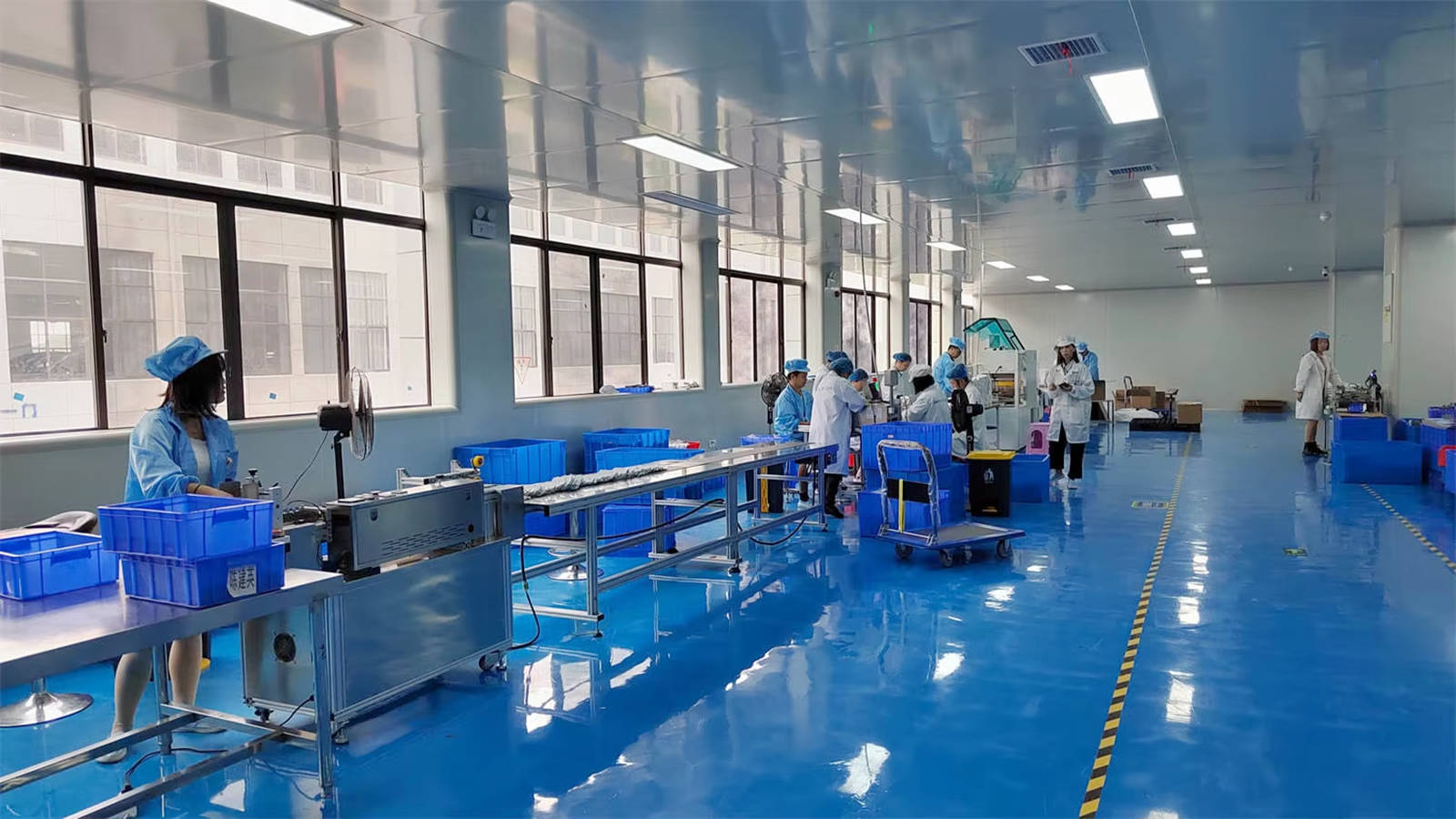
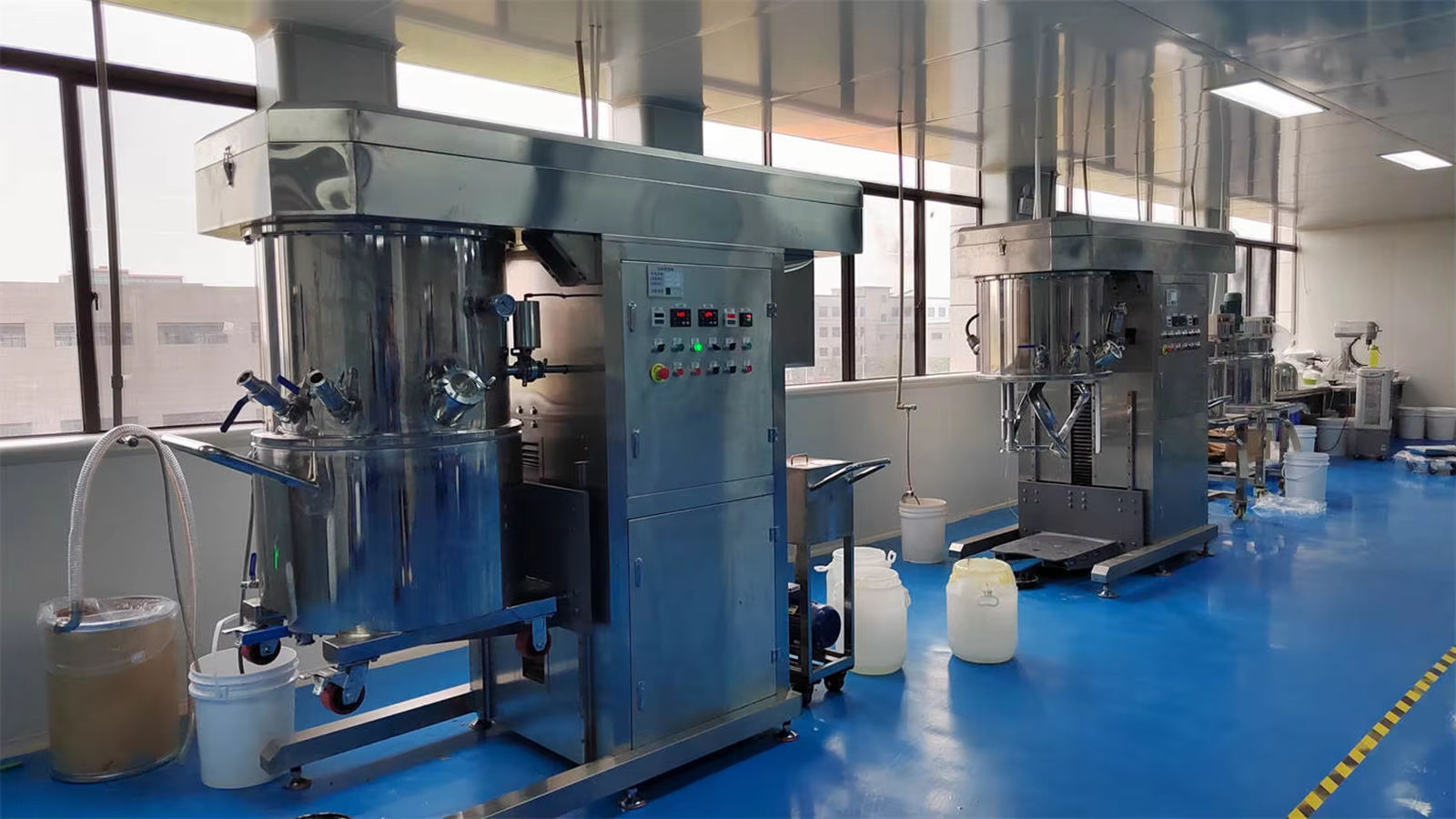
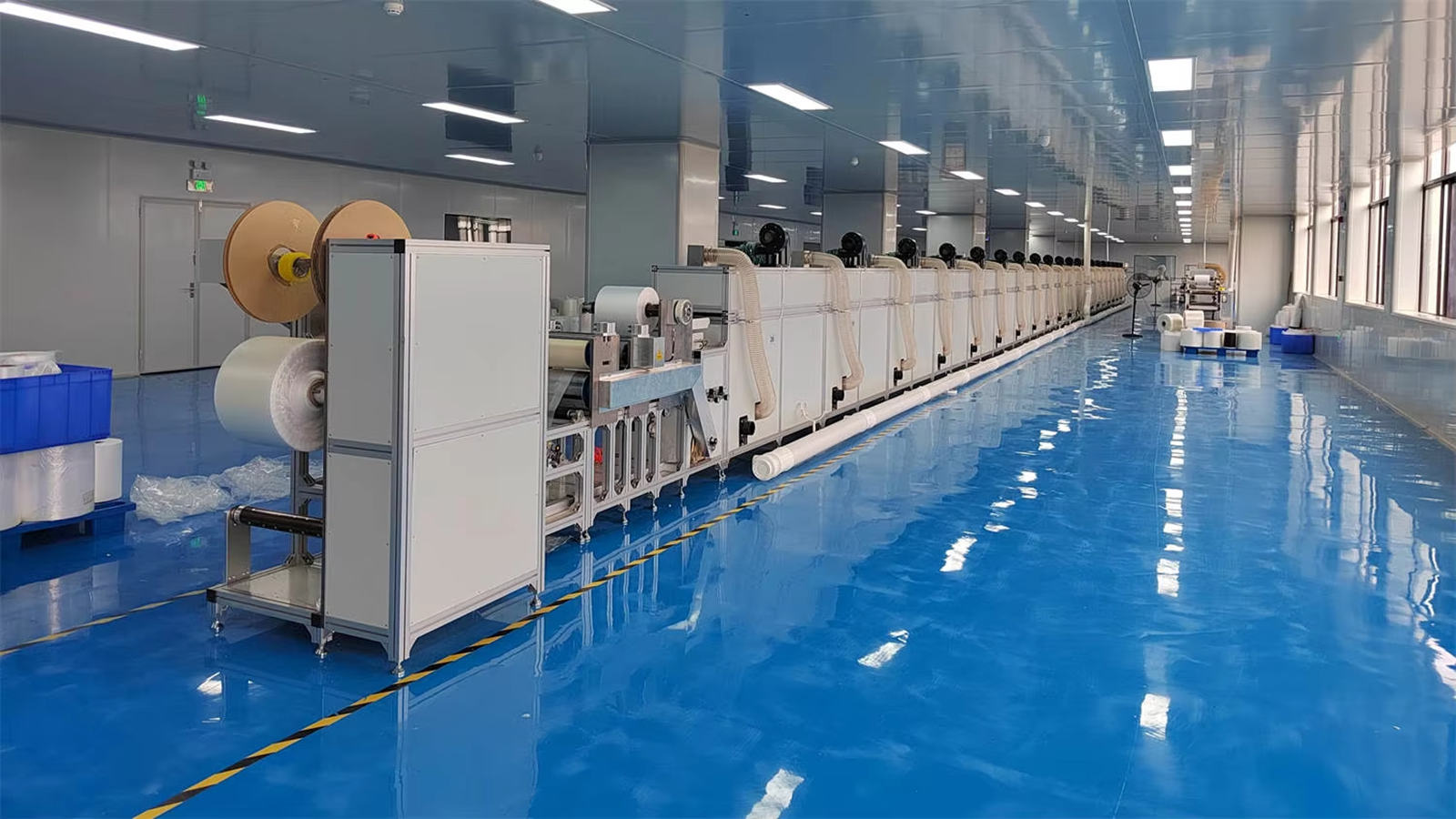
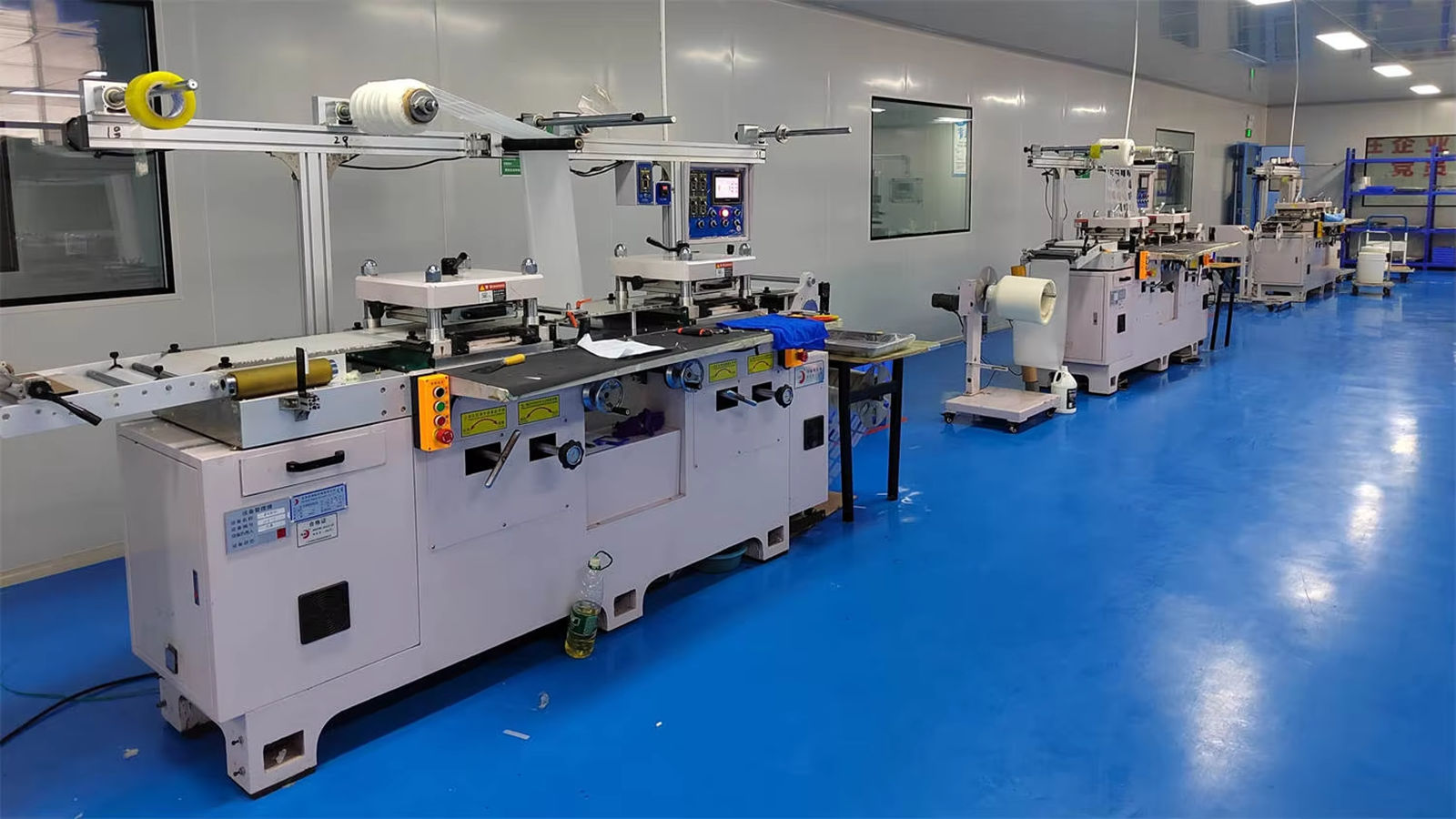
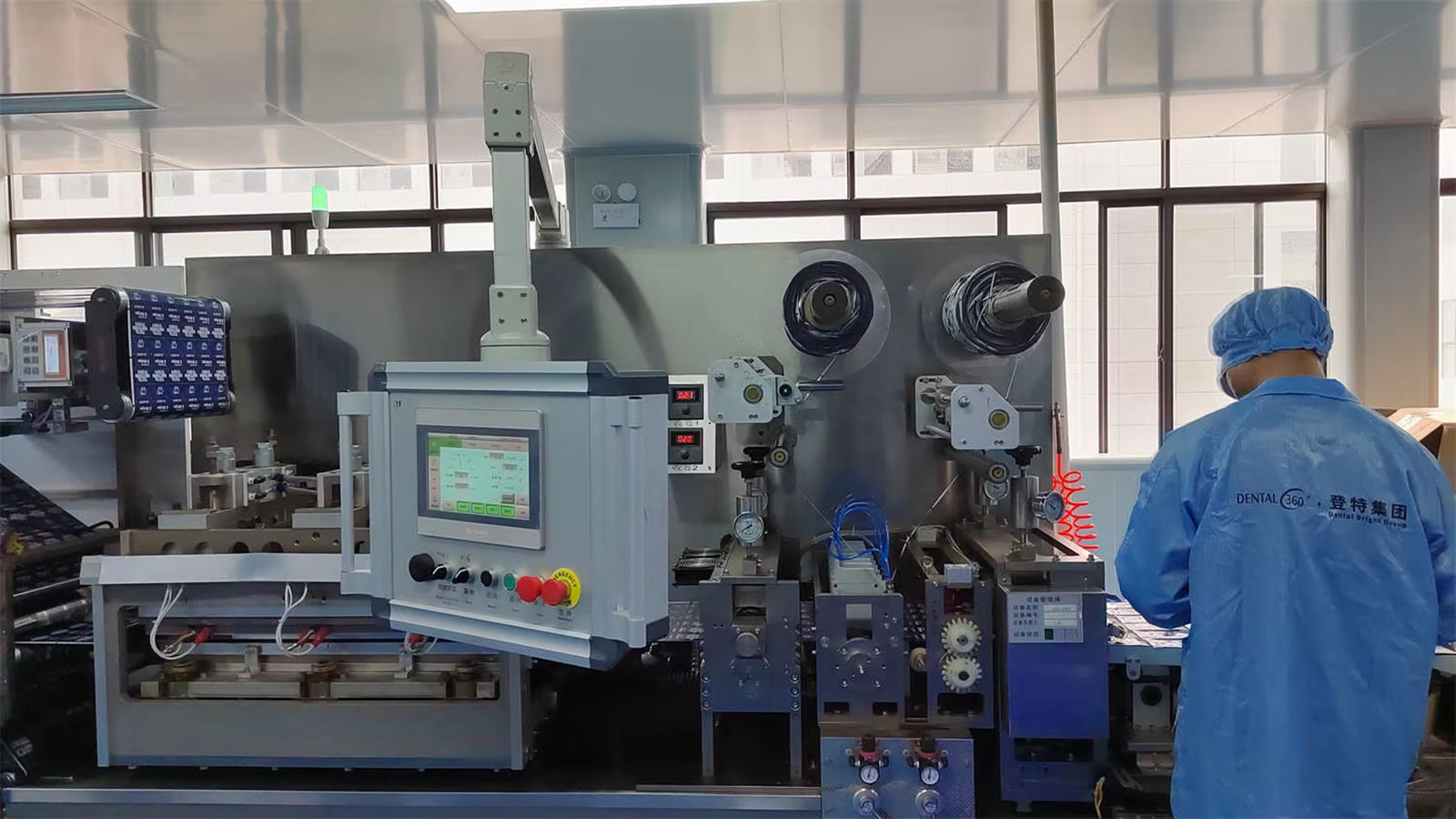
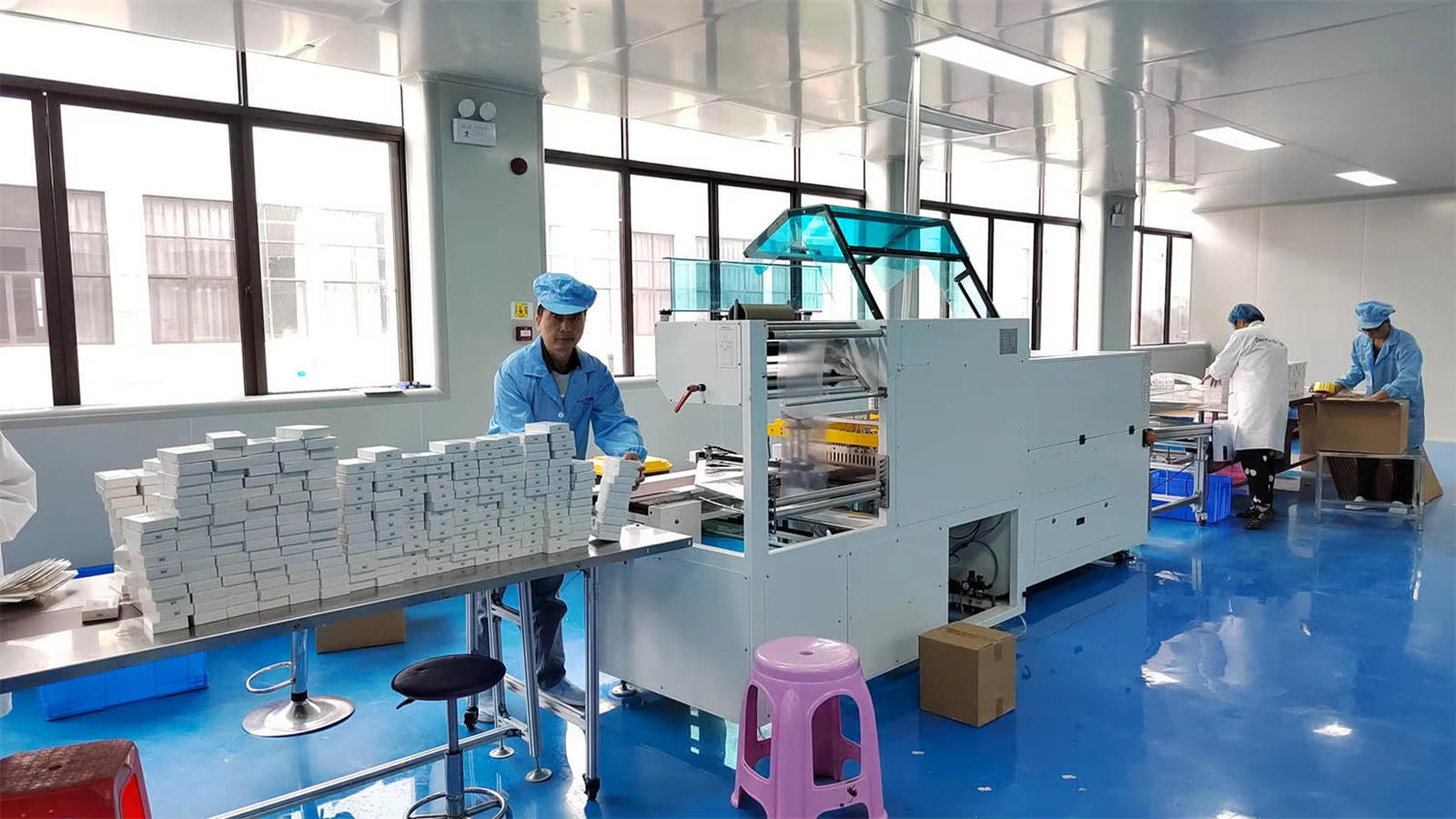
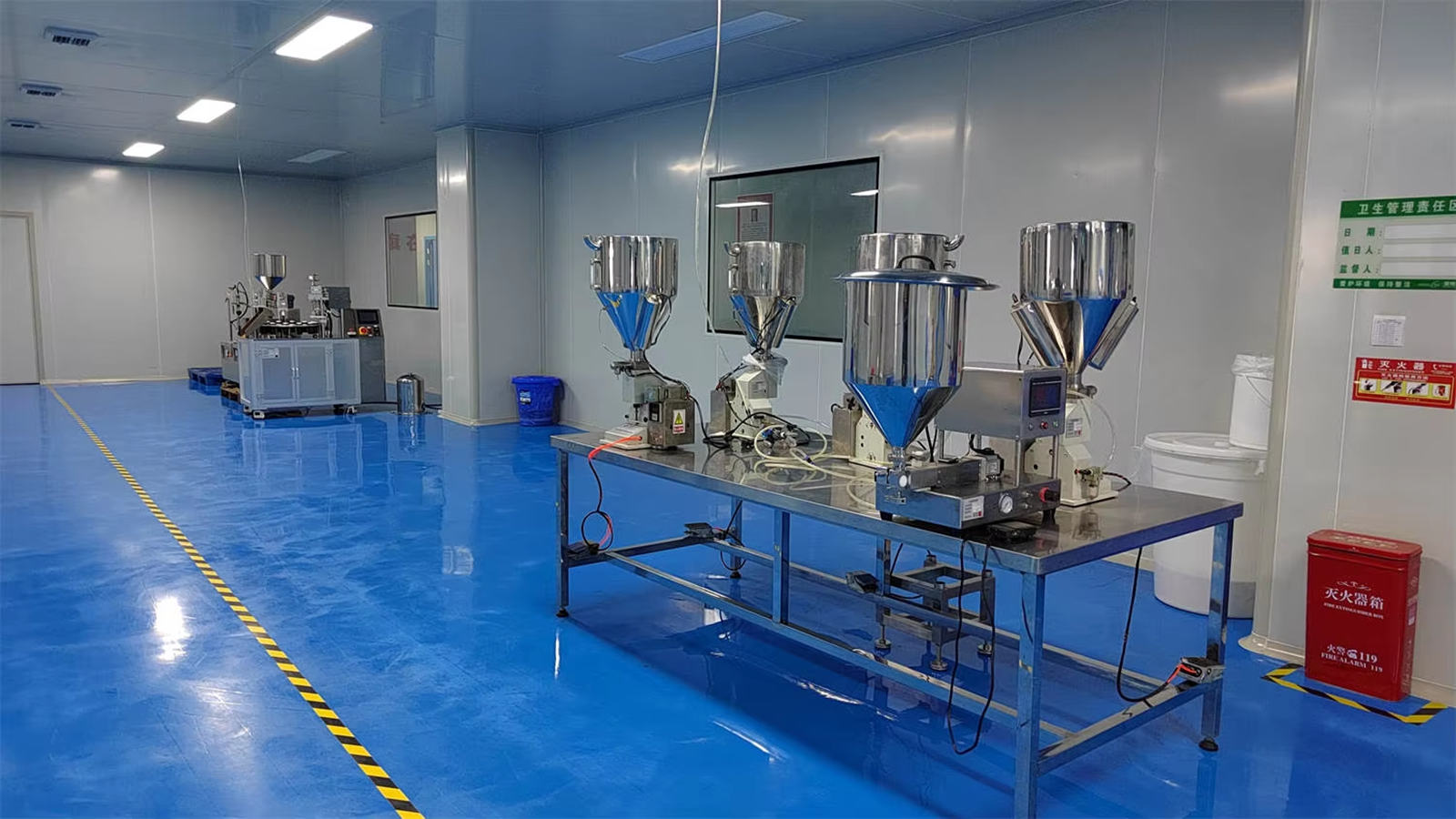
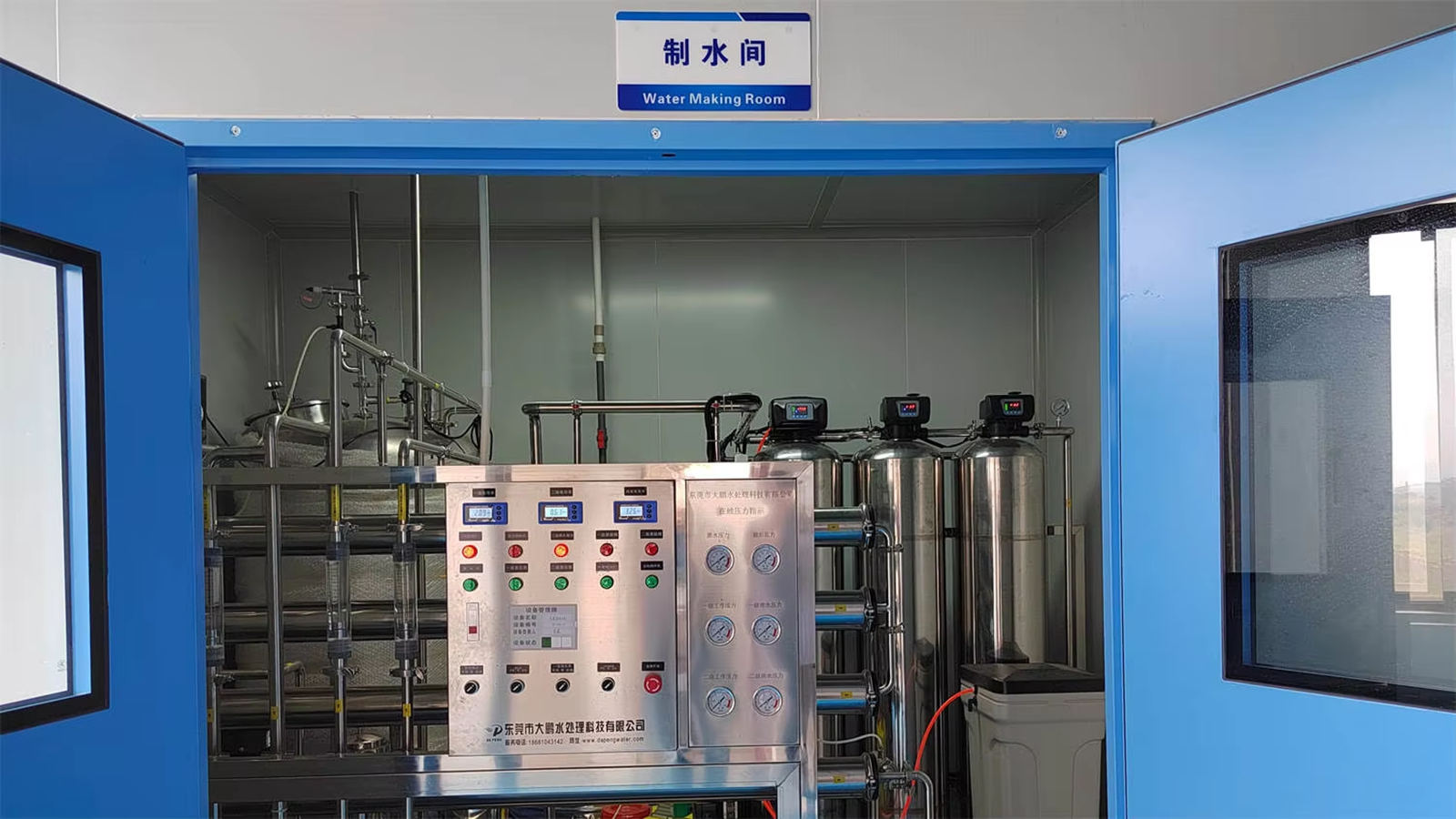
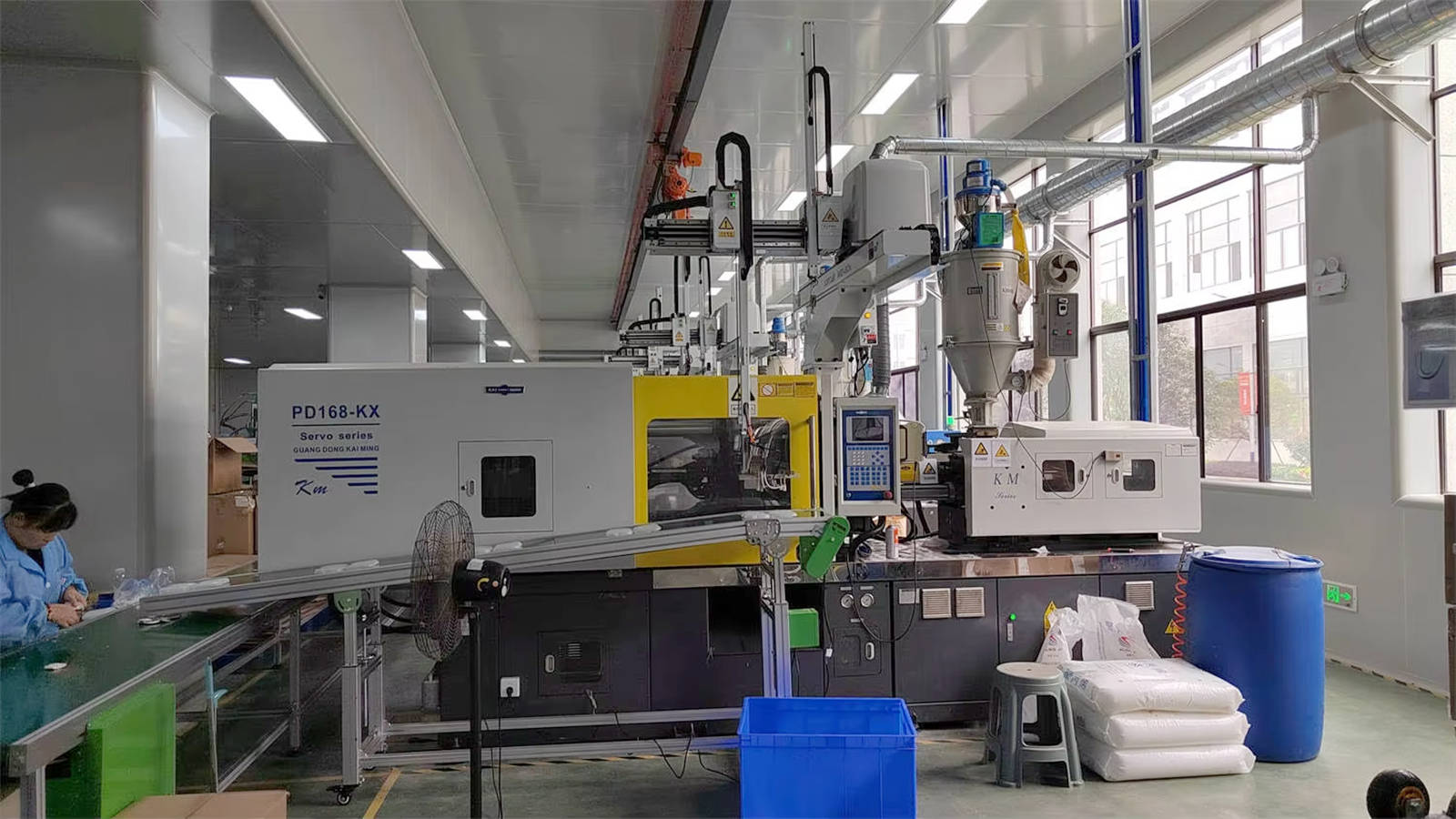
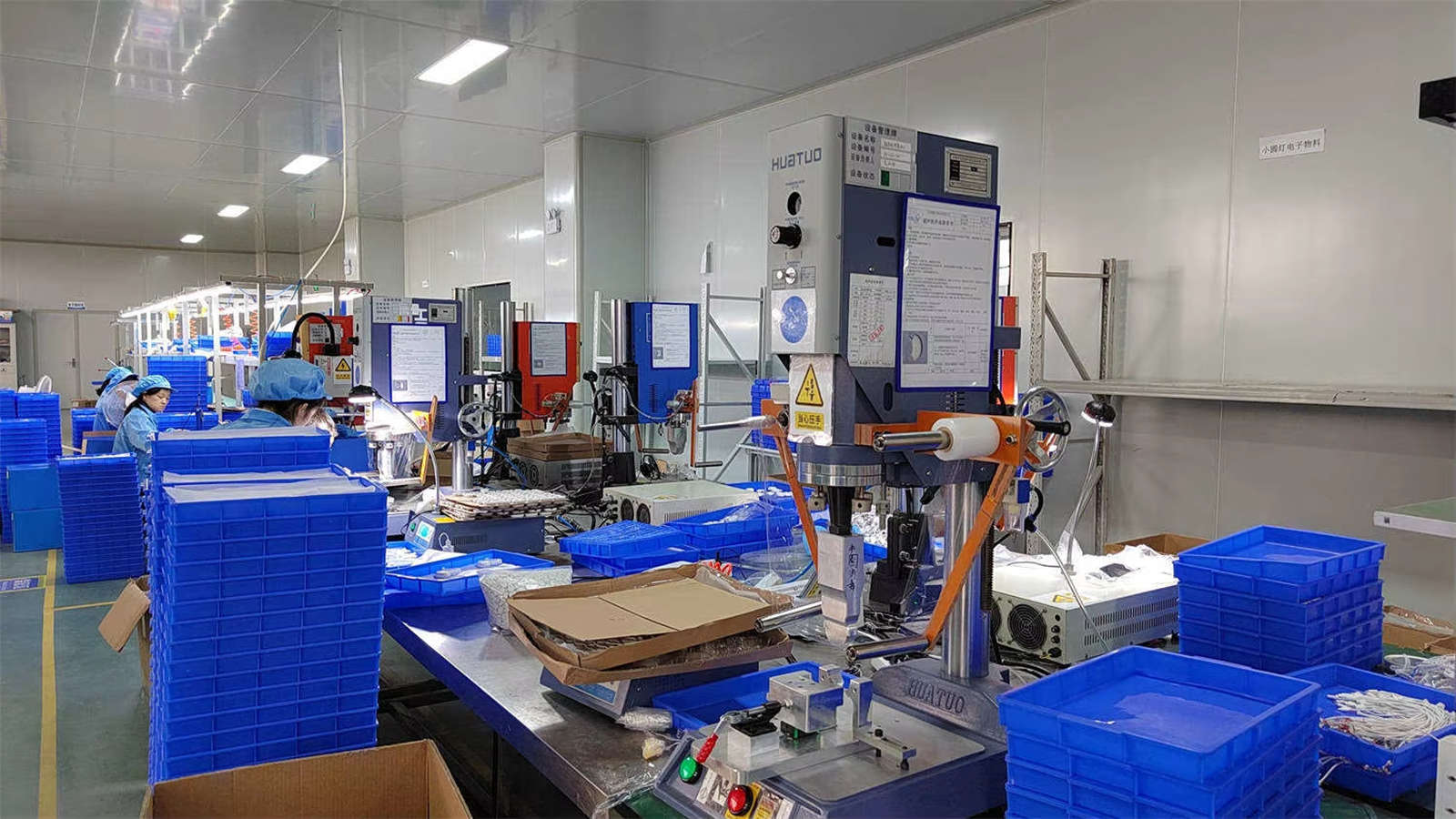
To maintain the high precision required for micro-mechanical and optical assembly, Beijing Durova Beauty operates advanced production lines. These span raw component manufacturing, automated assembly, testing, and packaging, ensuring product consistency and reliability.
The technological trajectory of photo-epilation, showcasing future milestones in AI integration, diagnostics, and diode efficiency.
Combining 755nm, 808nm, 940nm, and 1064nm wavelengths in a single handpiece to safely and effectively treat all skin types and hair depths simultaneously.
Integrating handpiece spectrophotometers with machine learning algorithms. The system automatically measures epidermal melanin content and calibrates energy levels, reducing treatment risk.
Cloud-connected dashboards for distributors and clinic chains, enabling remote telemetry diagnostics, real-time energy output monitoring, and proactive maintenance scheduling.
Transitioning to ultra-short, high-energy pulses that match the thermal relaxation time of fine hair, enabling effective treatment of light-colored and fine hair.
How Beijing Durova ensures smooth importing, compliance, and post-sales support for global partners.
Partnering with an overseas equipment manufacturer requires clear regulatory alignment and robust post-sales support. At Beijing Durova Beauty, we provide comprehensive services designed to mitigate risks for international B2B buyers:
Our diode laser systems and medical components comply with CE under European MDD/MDR standards. We provide complete technical files, risk assessment documentation, and raw material certificates to support regulatory approval processes with local health authorities.
We provide full-service customization options, including software graphic user interfaces (GUI), branded physical chassis, custom wavelength configurations, and customized spot sizes on the handpieces. This helps distributors build strong, localized brand equity.
To reduce post-sales overhead, we provide detailed technical training modules, video-guided repair instructions, and structured spare parts supply kits. Our engineering team is available for remote video consultations to resolve troubleshooting issues quickly.
Answers to critical technical, clinical, and logistical questions frequently asked by aesthetic medical equipment buyers.
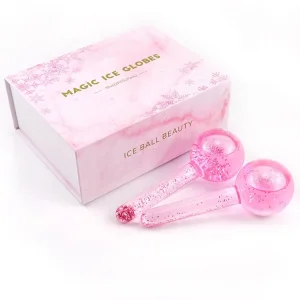
Select options for specialized facial lifting, cooling treatments, and professional dental aesthetics.
 Durova Beauty