Synergizing high-performance topical acids with advanced clinical delivery devices to maximize dermal absorption and cellular turnover.
An authoritative analysis of chemical peeling mechanisms, hyperpigmentation regulation, and medical-grade manufacturing parameters.
In the highly competitive medical aesthetics and professional clinical skincare market, Brightening Facial Peels have transitioned from basic superficial exfoliating solutions to complex, multi-layered bio-active agents. Formulating these systems requires an intimate understanding of skin biology, acid dissociation constants (pKa values), and transdermal penetration dynamics. As a primary manufacturer and global exporter, Beijing Durova Beauty Co., Ltd. integrates decades of material engineering, clinical efficacy standards, and regulatory assurance to supply premium brightening peel systems and compatible micro-transdermal delivery apparatuses.
Modern clinical facial peels achieve skin-brightening effects through targeted chemical desquamation. By breaking down the desmosomal cohesions between corneocytes in the stratum corneum, chemical peels induce controlled micro-damage that triggers a localized inflammatory response. This accelerated exfoliation stimulates the basal layer to synthesize new cells, replacing hyperpigmented cells with fresh, evenly toned tissue. Furthermore, key brightening peels incorporate tyrosinase inhibitors, which act directly upon melanogenesis pathways to downregulate melanin production and block the transfer of melanosomes to keratinocytes.
By leveraging active agents that target the microphthalmia-associated transcription factor (MITF), modern formulations go beyond superficial peeling to inhibit melanin synthesis at the genetic expression level.
Utilizing precise pH buffering (incorporating sodium lactate or sodium citrate) to control the free acid concentration, avoiding unstructured tissue necrosis while maximizing cellular renewal.
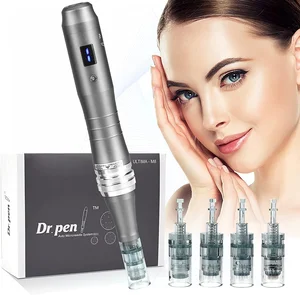
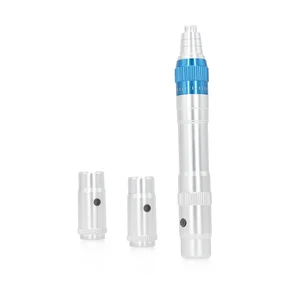
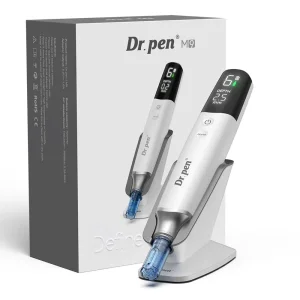
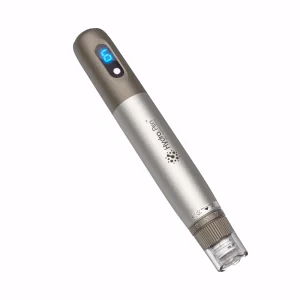
Perfect pairing with microneedling pens (e.g., Hydra Pen, Derma Pen) and low-level laser systems to create micro-channels, amplifying peel absorption and shortening down-times.
Bridging the gap between raw chemical manufacturing efficiency and high-standard medical salon expectations.
Distributors, medical spas, and aesthetic clinic networks face unique challenges when importing brightening facial peels. A primary concern is formulation stability under varying environmental pressures during global maritime or air transit. Active compounds such as L-Ascorbic acid, Kojic acid, and Retinoids are highly susceptible to thermal oxidation and UV degradation. Consequently, global buyers prioritize suppliers who utilize nitrogen-purged vacuum filling lines, high-density amber glass or multi-layered barrier packaging, and reliable temperature-regulated logistics.
Moreover, the modern professional buyer seeks complete customization capability (OEM/ODM). As an industry leader, Beijing Durova Beauty Co., Ltd. offers full-service formulation customization, adjusting concentration levels of active alpha-hydroxy acids (AHAs), beta-hydroxy acids (BHAs), and poly-hydroxy acids (PHAs) to meet regional skin-type tolerances and local compliance guidelines. Whether catering to Fitzpatick skin types I-III (demanding gentler, hydration-rich peels) or types IV-VI (requiring hyperpigmentation-safe acids like Mandelic acid to prevent post-inflammatory hyperpigmentation), our research lab delivers validated formulations.
Deciphering the molecular pathways and specific indications of premium clinical brightening agents.
Different aesthetic indications call for specific biochemical mechanisms. Superficial hyperpigmentation, melasma, post-inflammatory hyperpigmentation (PIH), and solar lentigines cannot be treated with a one-size-fits-all product. By understanding the targeted cellular response, our R&D center optimizes chemical structures to deliver high information gain to aesthetic practitioners. The table below represents the active chemical profiles manufactured under sterile conditions in our state-of-the-art facilities:
| Active Ingredient | Chemical Classification | Primary Dermal Mechanism | Target Hyperpigmentation Type | Aesthetic Equipment Synergy |
|---|---|---|---|---|
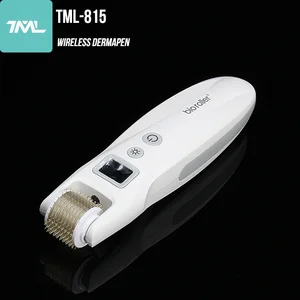
| Glycolic Acid (20% - 70%) | Alpha-Hydroxy Acid (AHA) | Rapid keratolysis; breaks down corneocyte cohesion in stratum corneum. | Solar Lentigines, Dullness, Superficial Fine Lines | EMS / LED Dermarollers |
| Mandelic Acid (10% - 40%) | Aromatic AHA | Slow, uniform penetration due to larger molecular size; lipophilic properties. | Acne-induced PIH, Melasma in Darker Skin Types | Microneedling / Hydra Pen |
| Salicylic Acid (2% - 30%) | Beta-Hydroxy Acid (BHA) | Lipophilic desquamation; dissolves follicular sebum plugs and clears pores. | Acne Vulgaris, Congested Skin Hyperpigmentation | Blue Light Therapy / Pico Laser |
| Tranexamic Acid (3% - 10%) | Antifibrinolytic Derivative | Inhibits plasminogen activation; downregulates melanocyte stimulation. | Refractory Melasma, Vascular Pigmentation | Nd:YAG Laser / Mesotherapy |
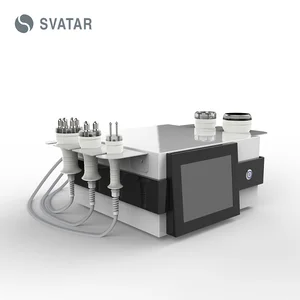
| Gluconolactone | Poly-Hydroxy Acid (PHA) | Gentle barrier-reinforcing exfoliation, humectant properties, chelates metals. | Sensitive Skin Pigmentation, Erythema-prone Skin | Ultrasound / RF Fat Slimming |
The future of clinical dermatology lies in the seamless intersection of advanced electronics and bio-compatible topicals.
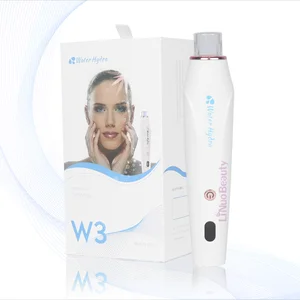
Historically, chemical peel application was treated as an isolated modality, separate from the usage of energetic aesthetic devices. However, recent clinical validation indicates that a synergistic workflow combining mechanical or laser-assisted skin disruption with targeted chemical exfoliation yields exponentially higher results. By utilizing our advanced microneedling derma pens (such as the M8 Professional Microneedling System or the wireless Hydra Pen H3 with an automatic serum applicator), practitioners can create thousands of controlled micro-channels through the epidermal layer. When a mild brightening peel formulation containing Vitamin C, Tranexamic Acid, or Glutathione is subsequently applied, the active ingredients bypass the stratum corneum barrier directly, depositing nutrients deep within the viable epidermis and upper dermis.
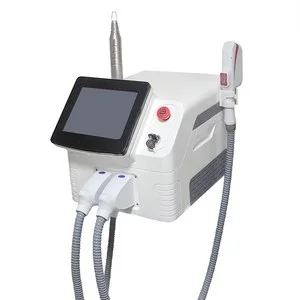
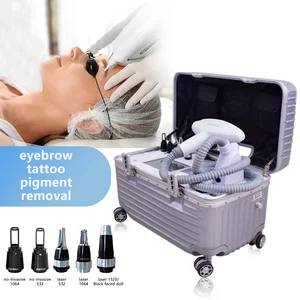
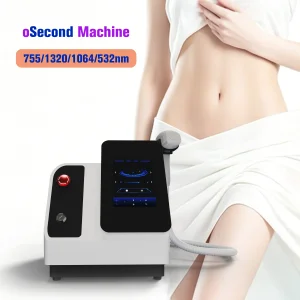
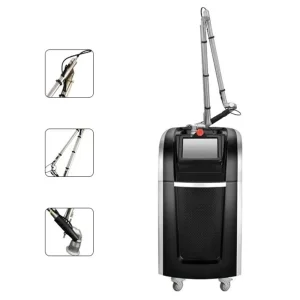
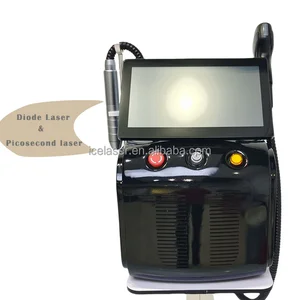
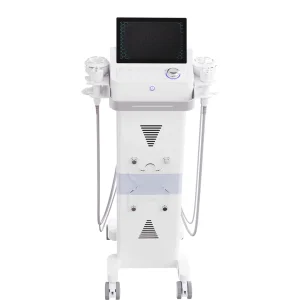
Similarly, pre-treating hyperpigmented lesions with a Q-switched Nd:YAG Laser or a Picosecond Tattoo and Pigment Removal Laser breaks down large dermal melanosome clusters. The application of a mild chemical peel afterward speeds up the phagocytosis and elimination of the shattered pigment fragments through accelerated epidermal turnover. Beijing Durova Beauty Co., Ltd. is uniquely positioned in the global market because we design and manufacture both the high-precision machinery (Diode Lasers, Picosecond Lasers, Cavitation RF devices) and the essential skin-maintenance components, allowing distributors to source comprehensive clinical kits under a unified warranty and quality control standard.
Transparent visualization of Beijing Durova Beauty's sterile production, chemical processing, and robotic assembly facilities.
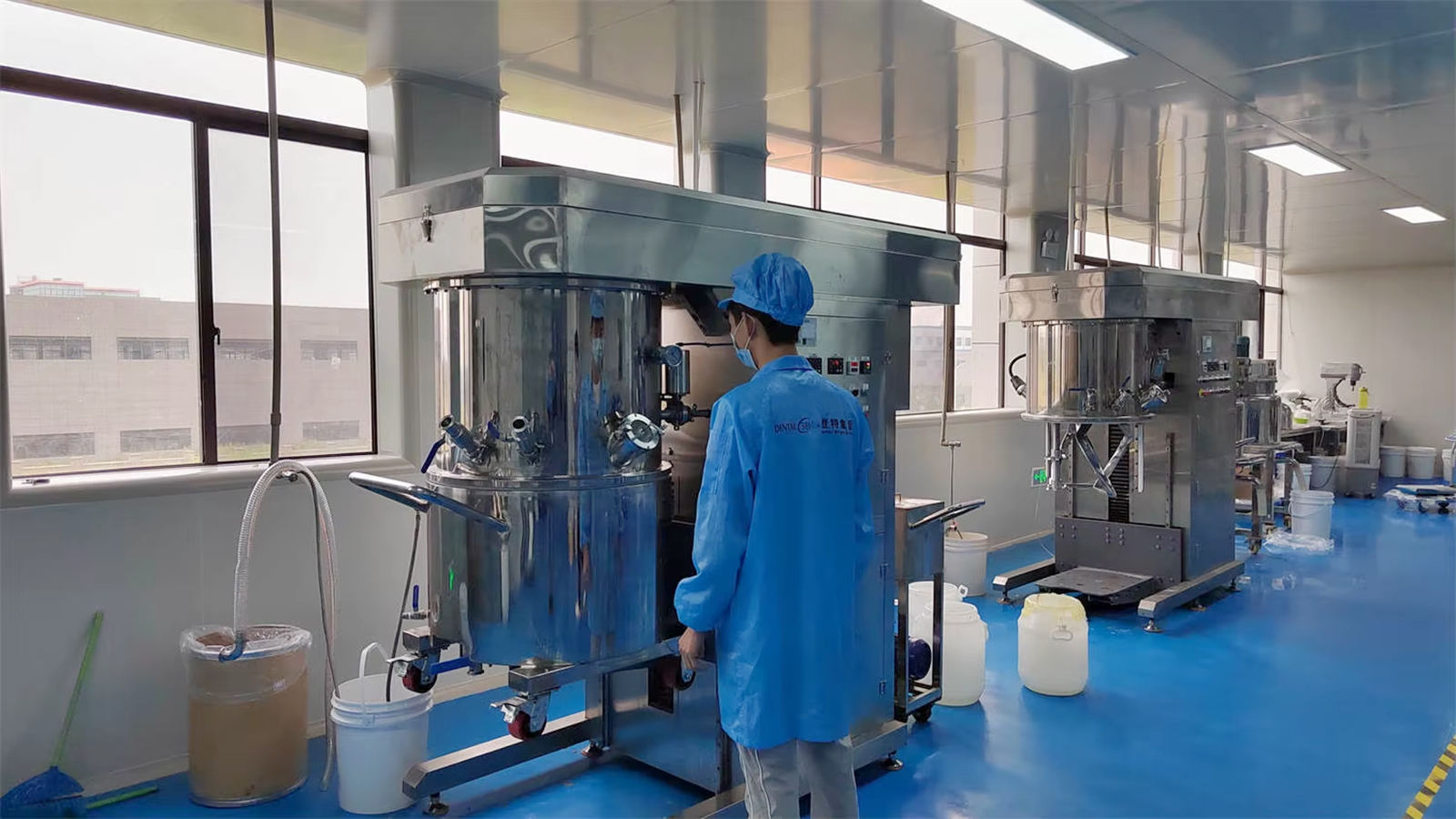
Glue Making
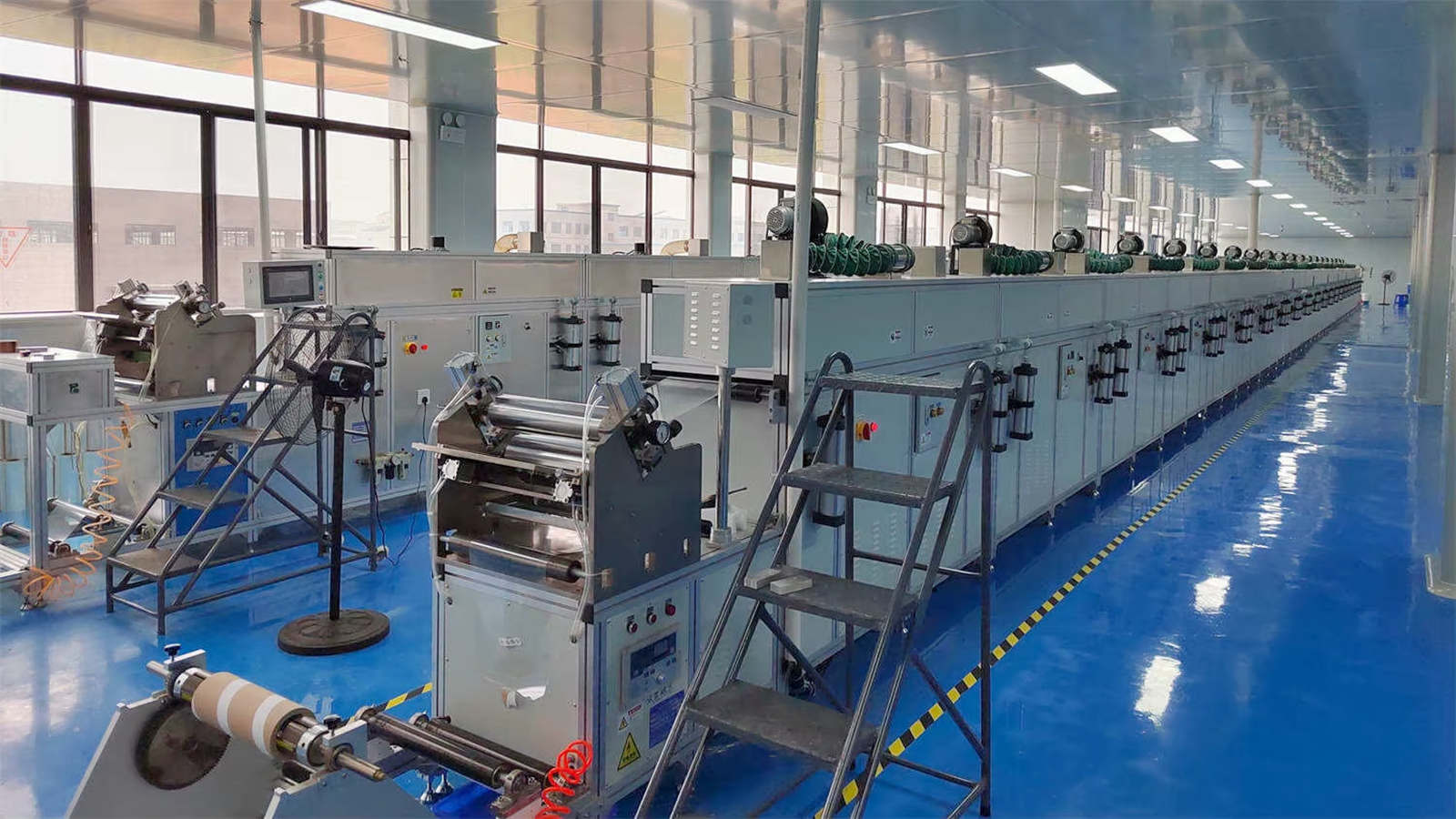
Coating
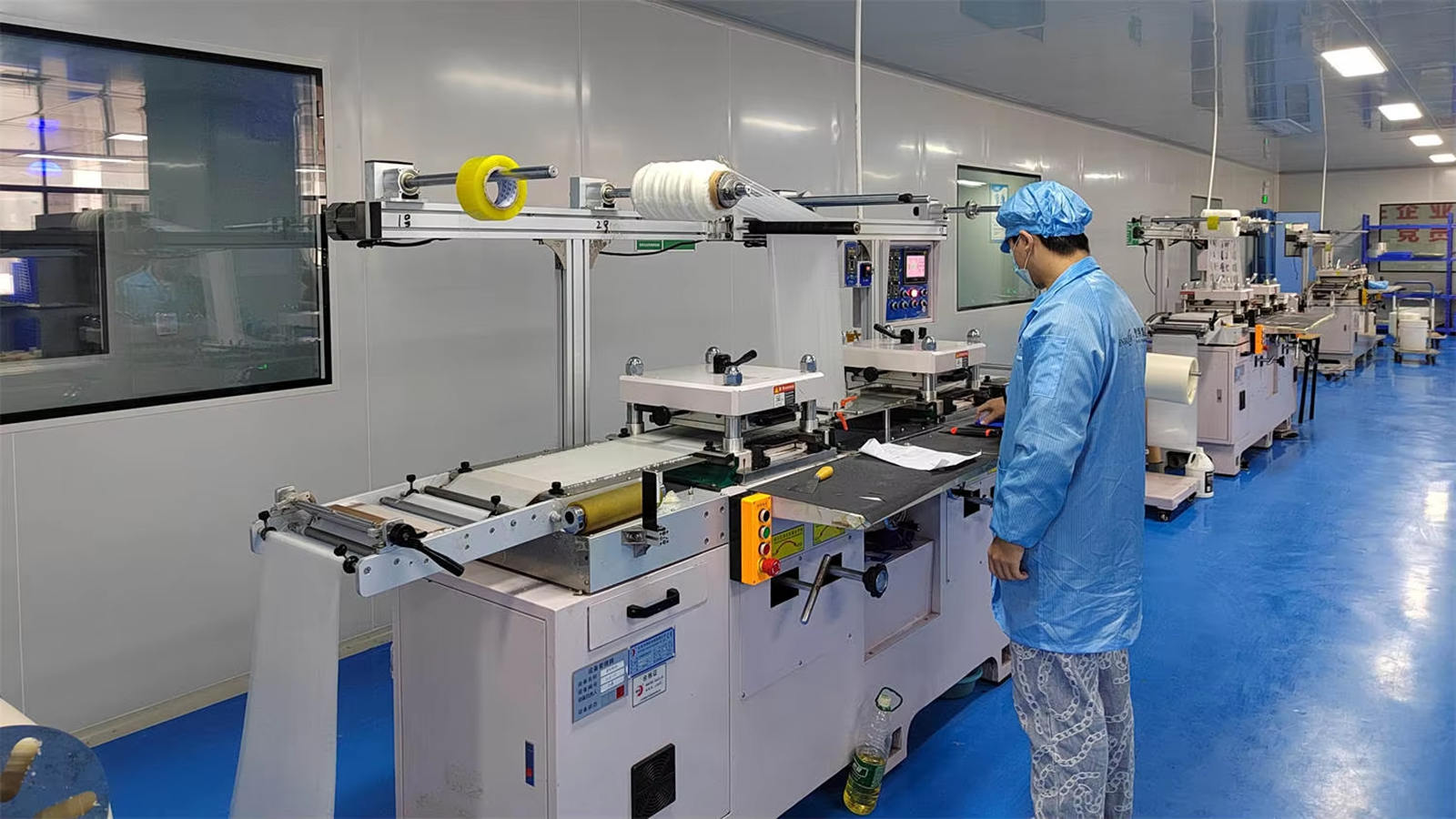
Die-cutting
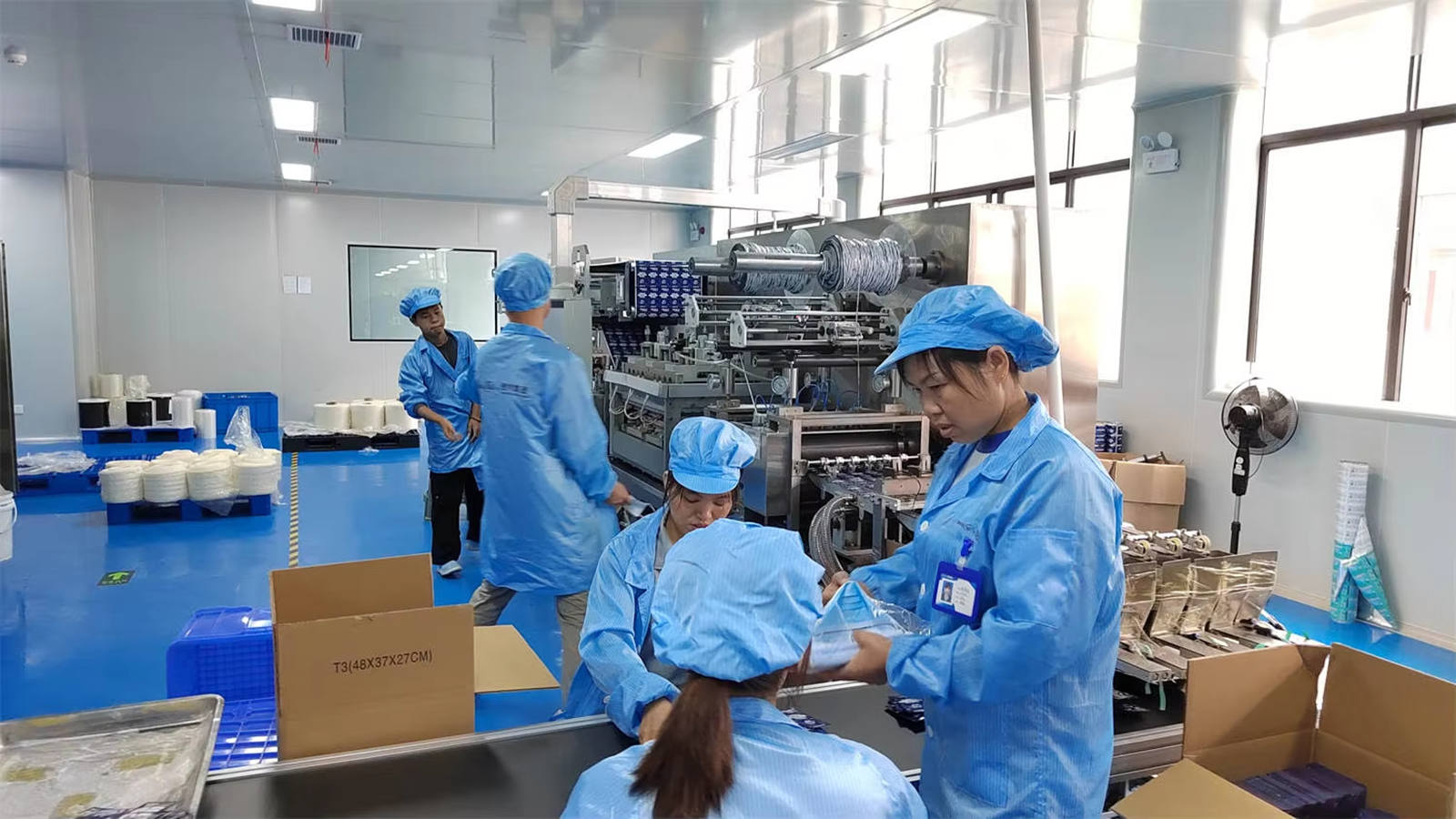
Inner Packing
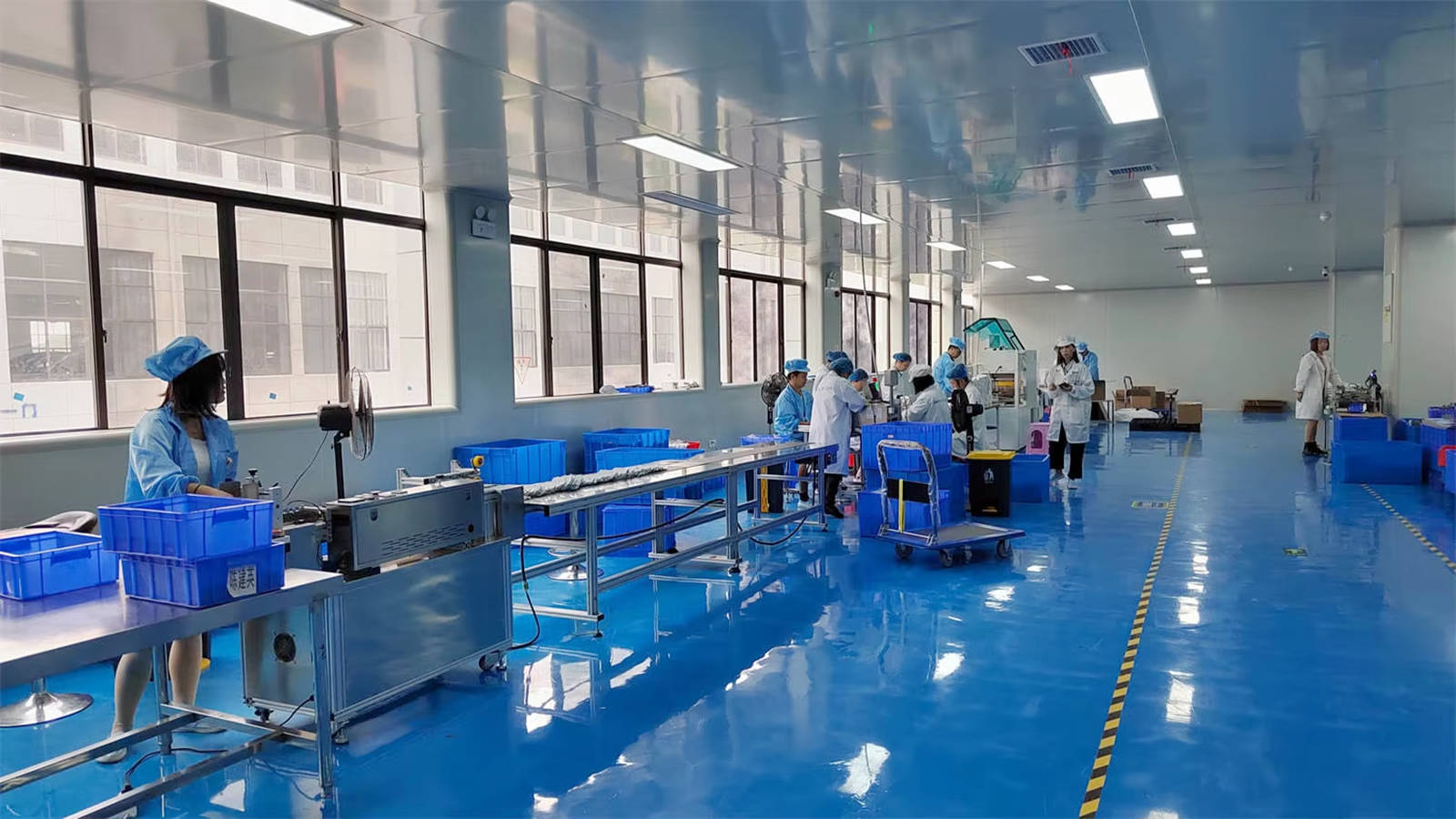
Outer Packing
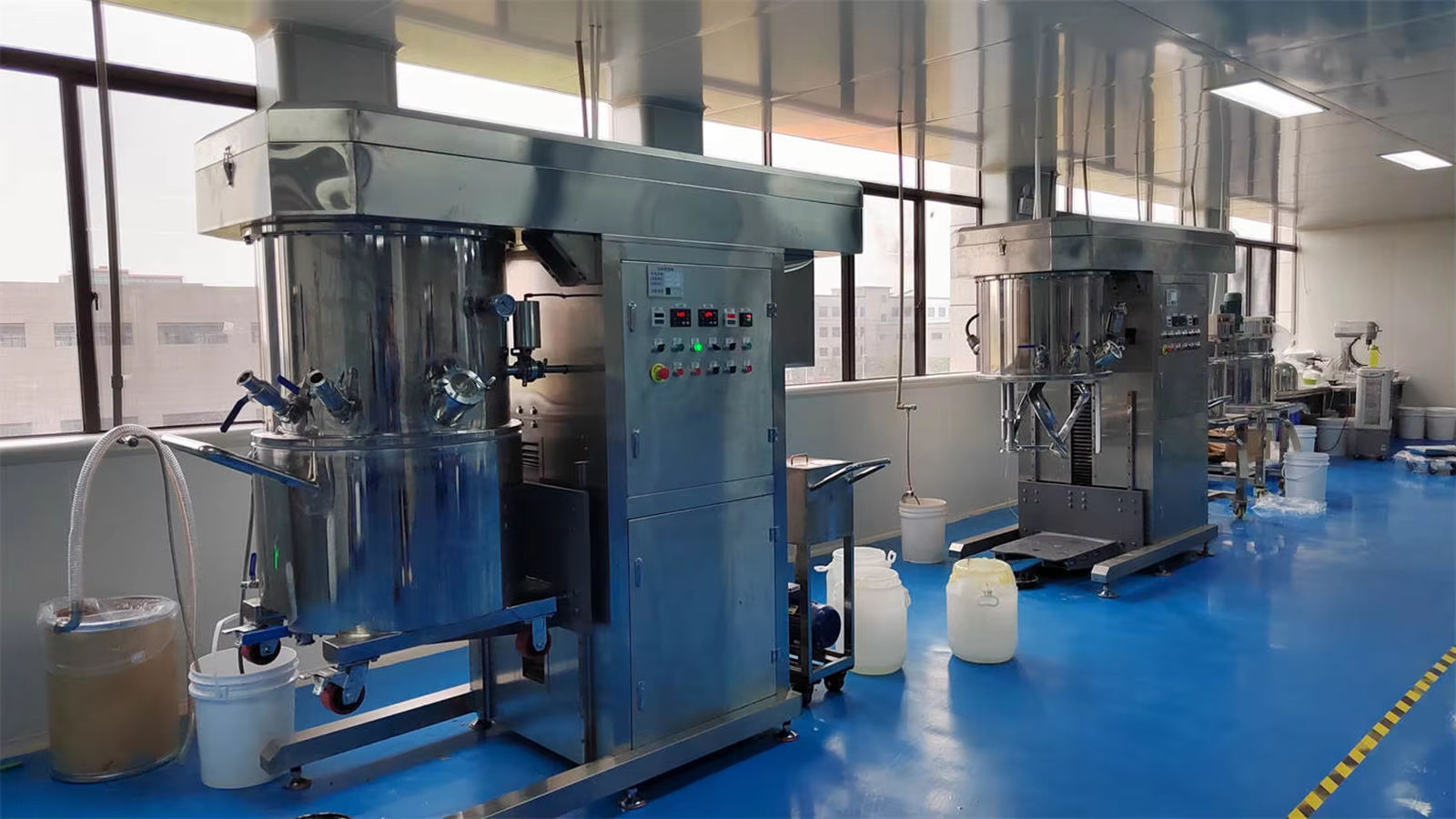
Vacuum Homogenizing Emulsifier
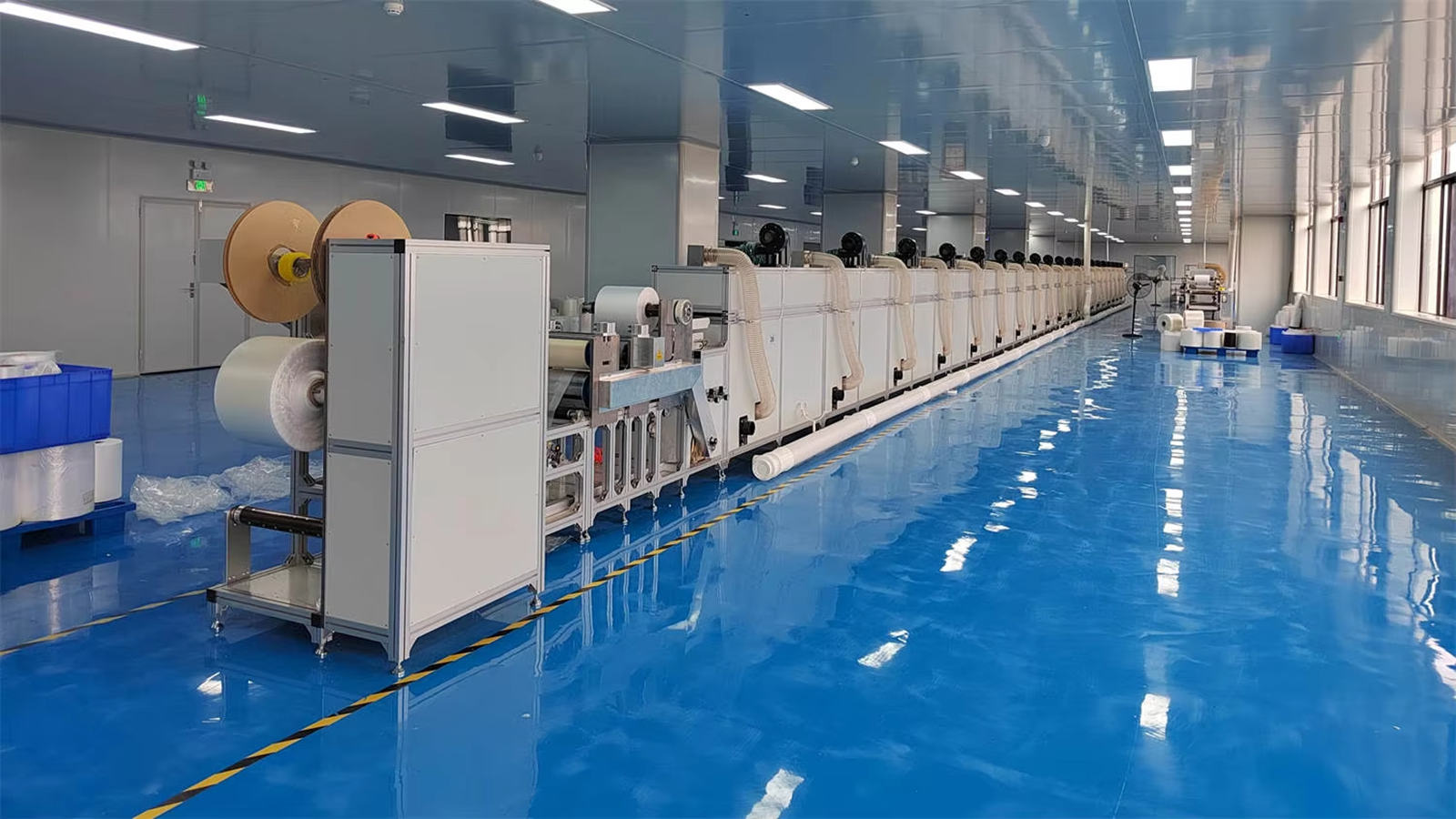
Coating Line
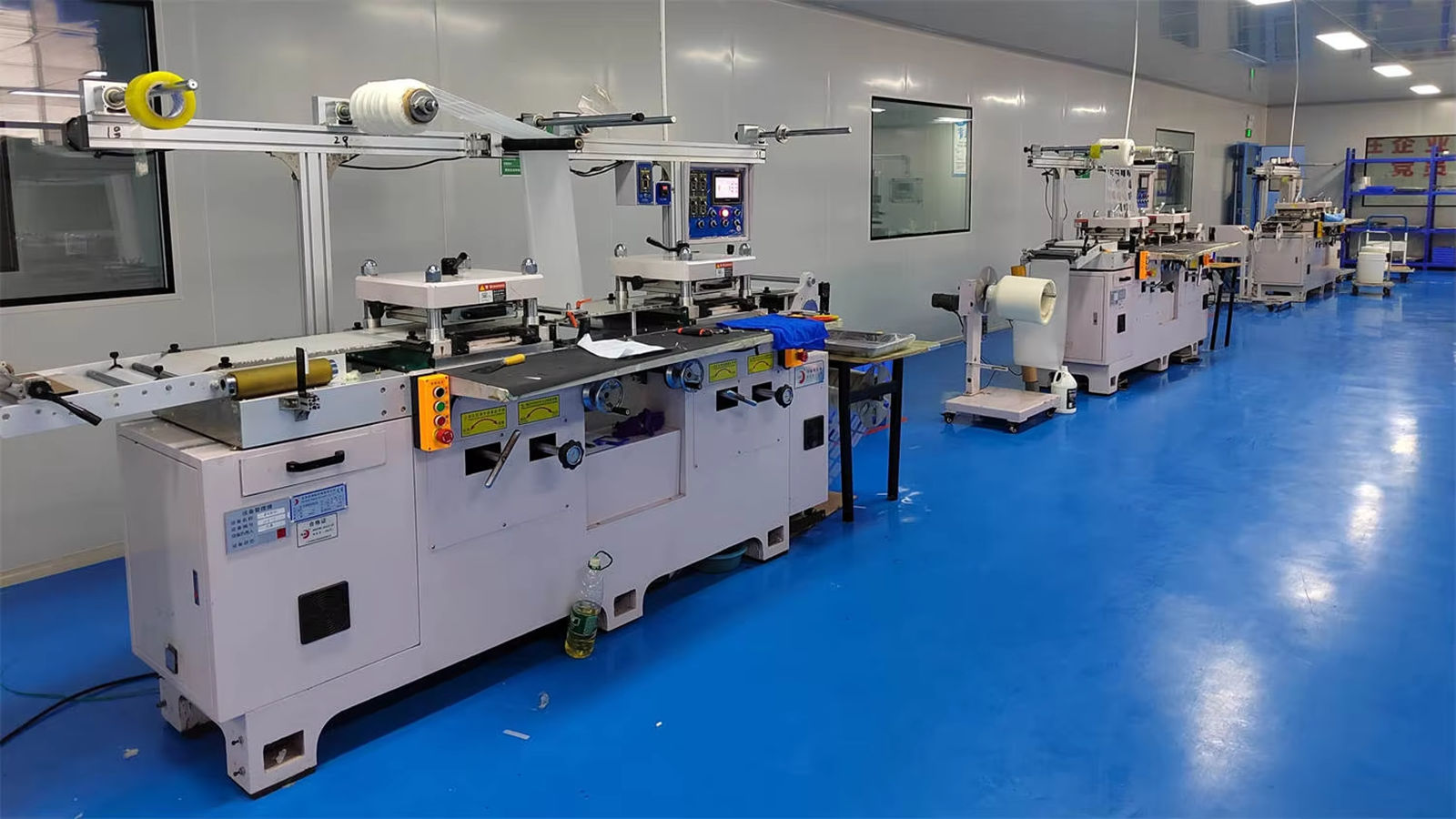
Die-cutting Machine
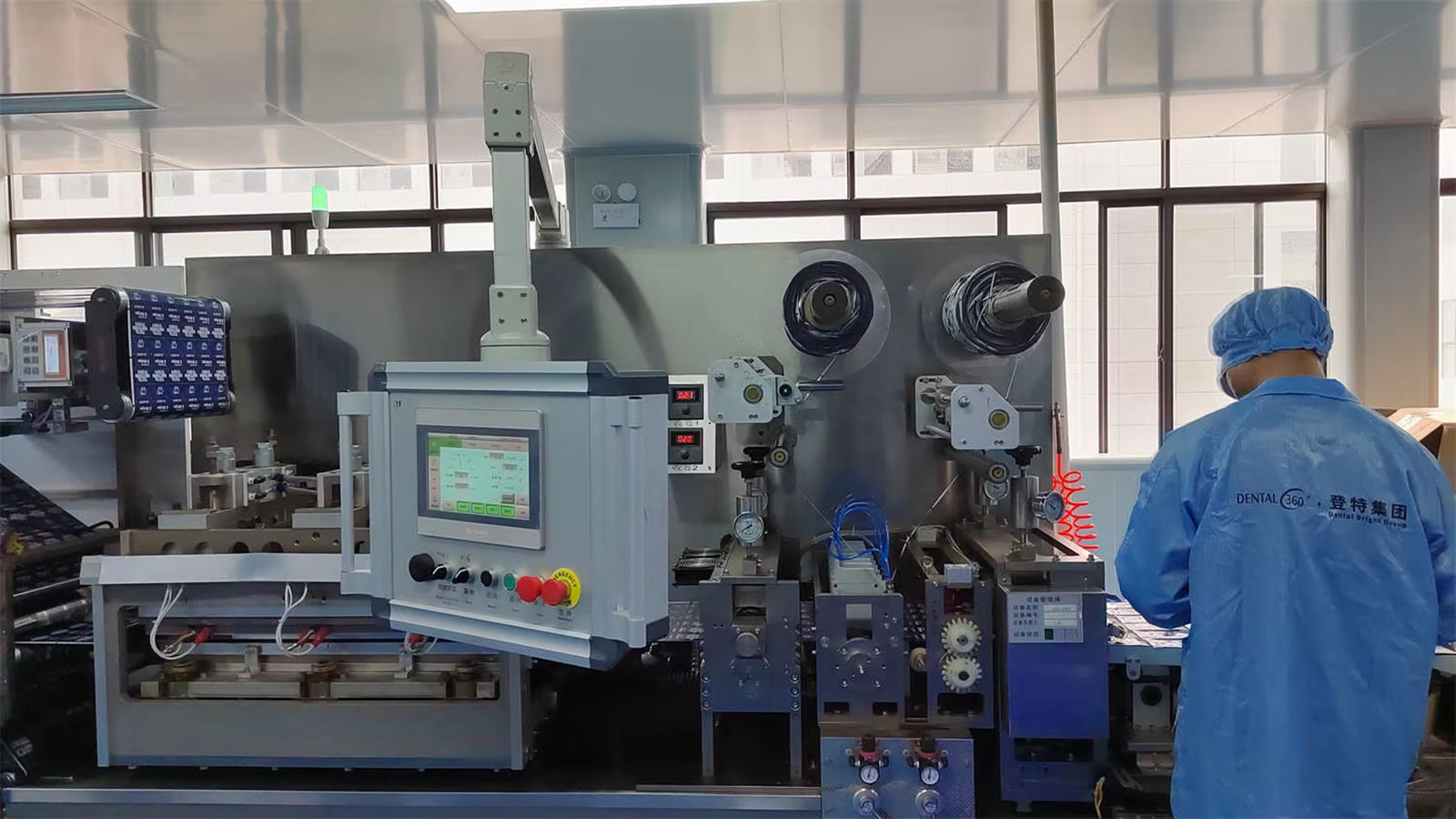
Inner Packing Machine
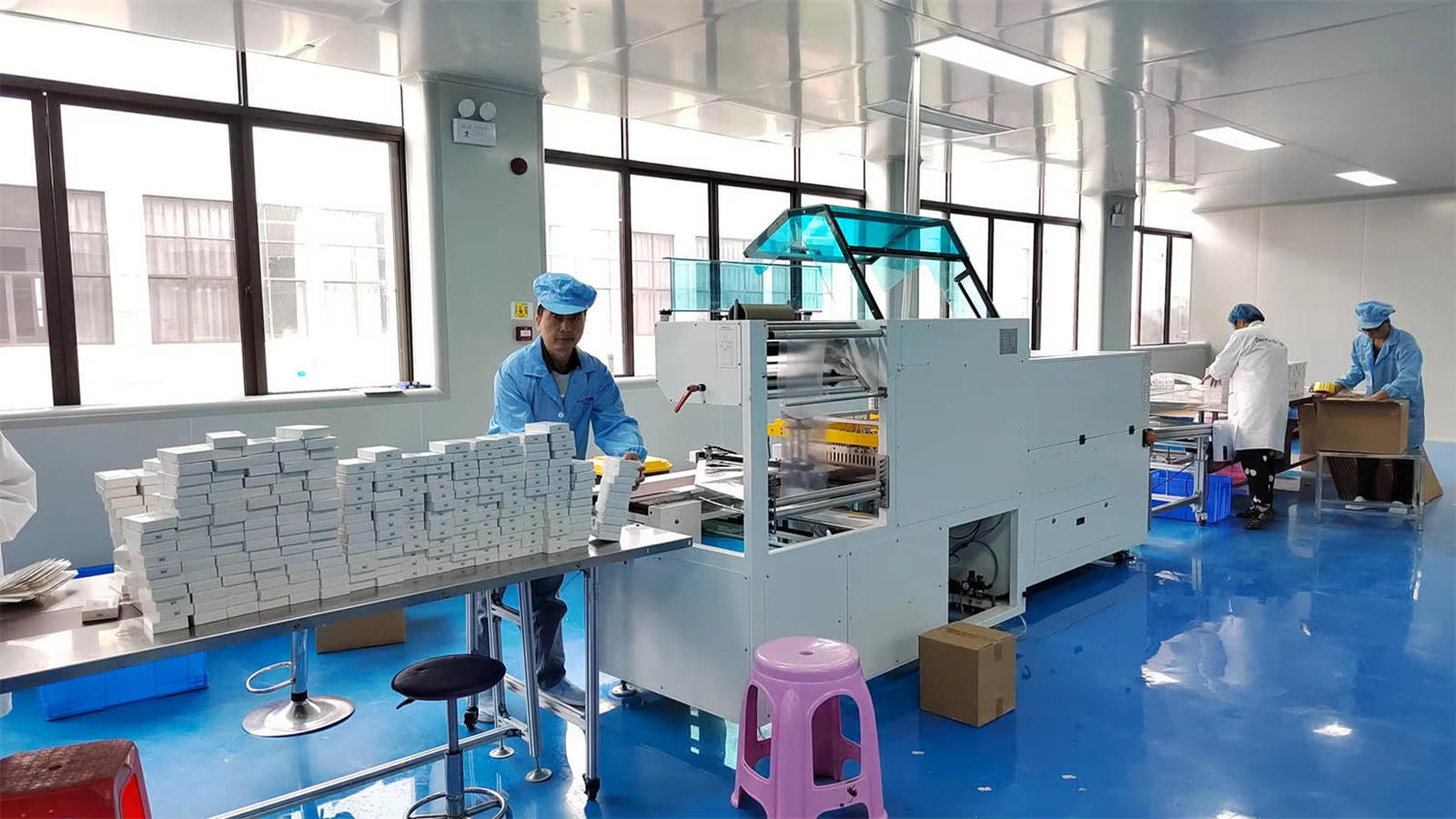
Outer Packing Machine
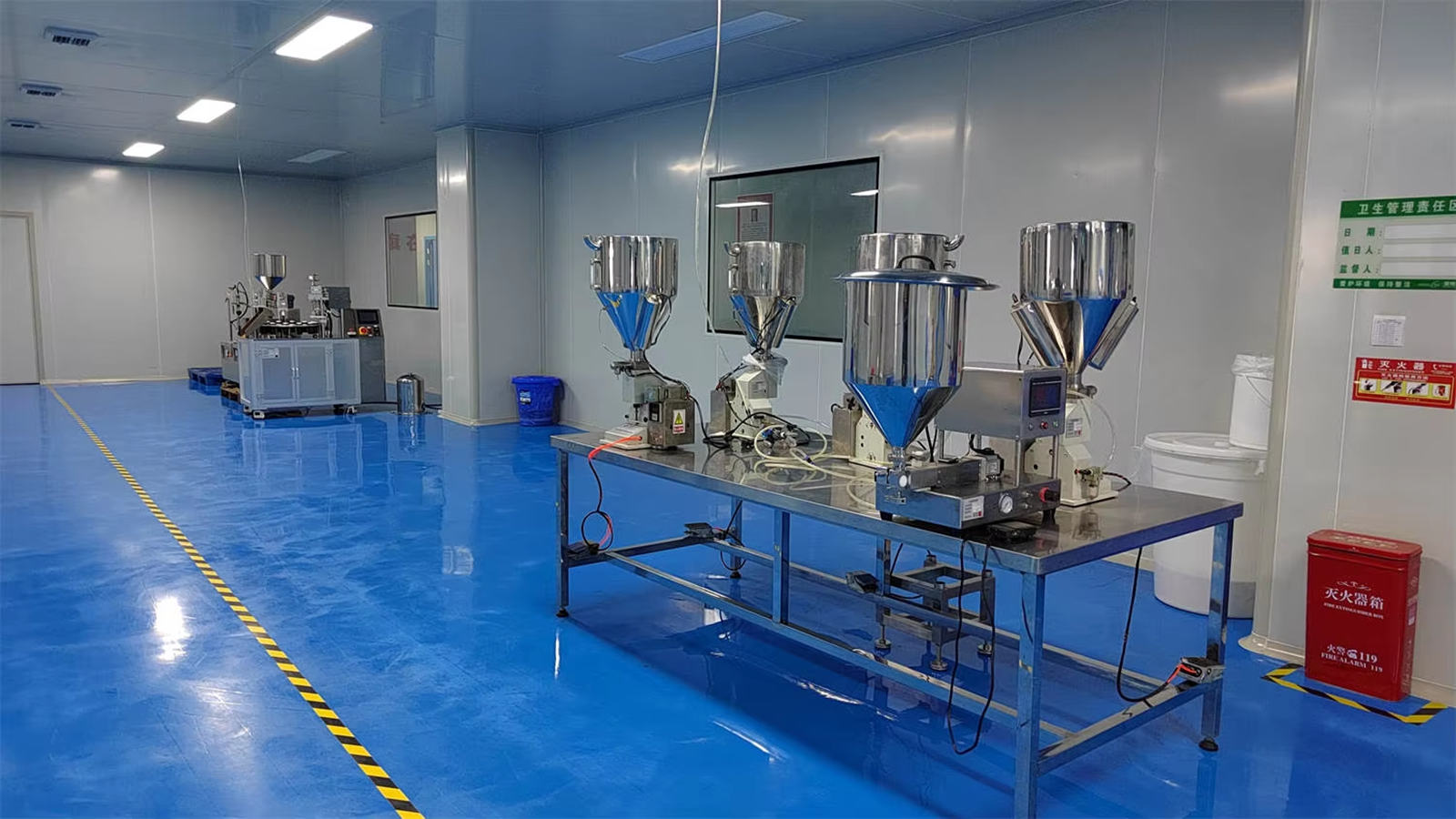
Filling Machine
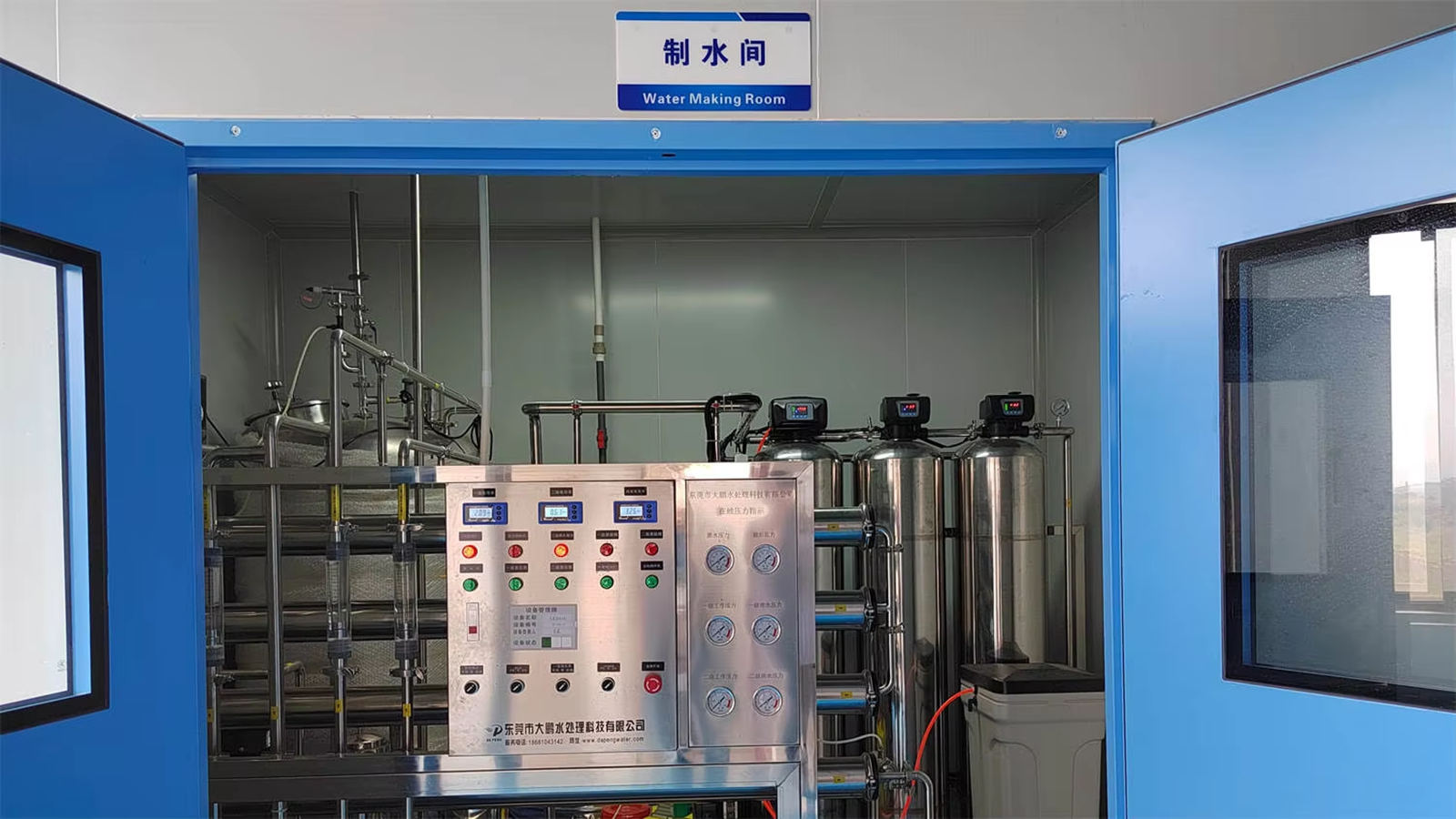
Water Purification System
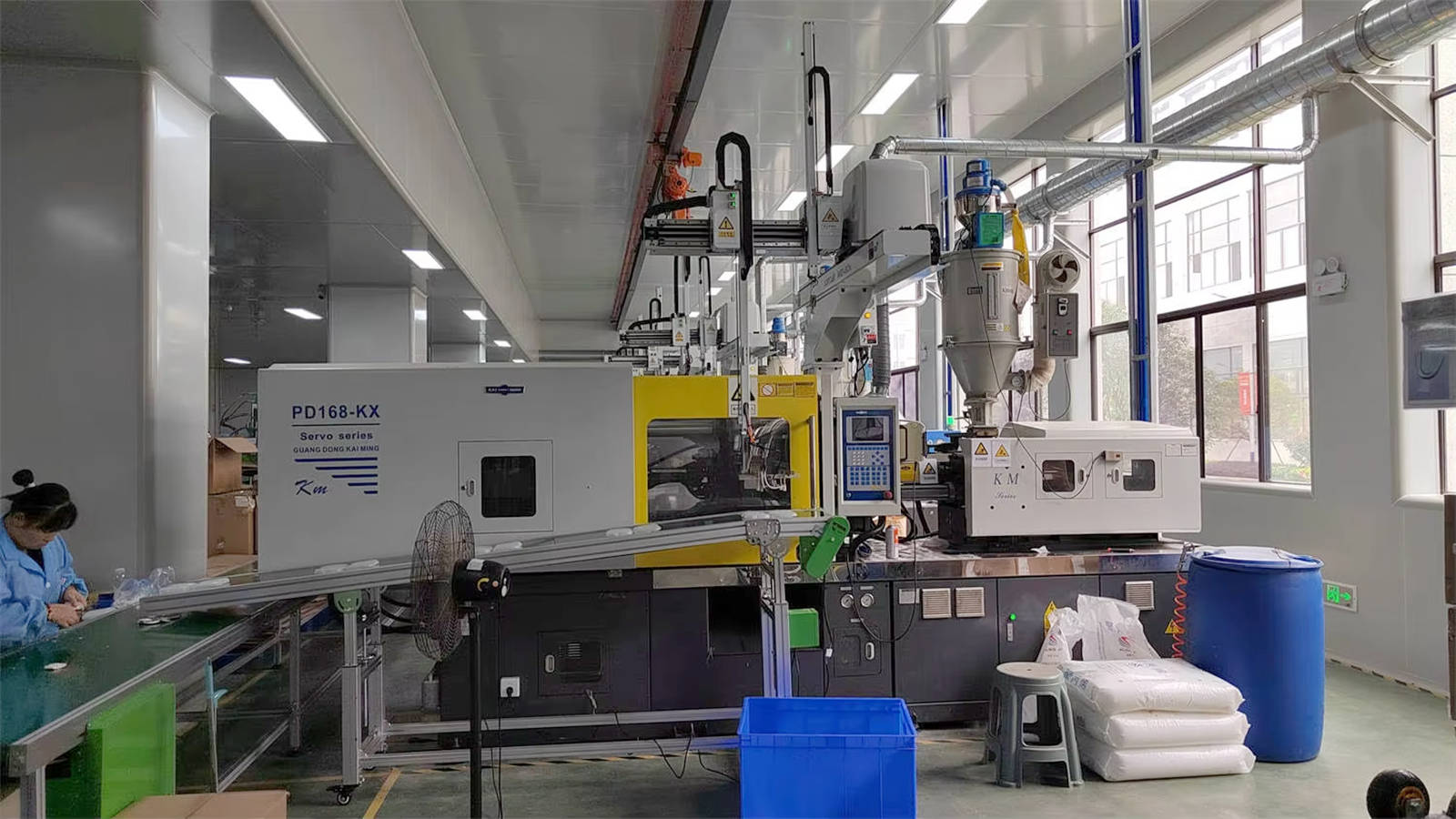
Injection Molding Machine
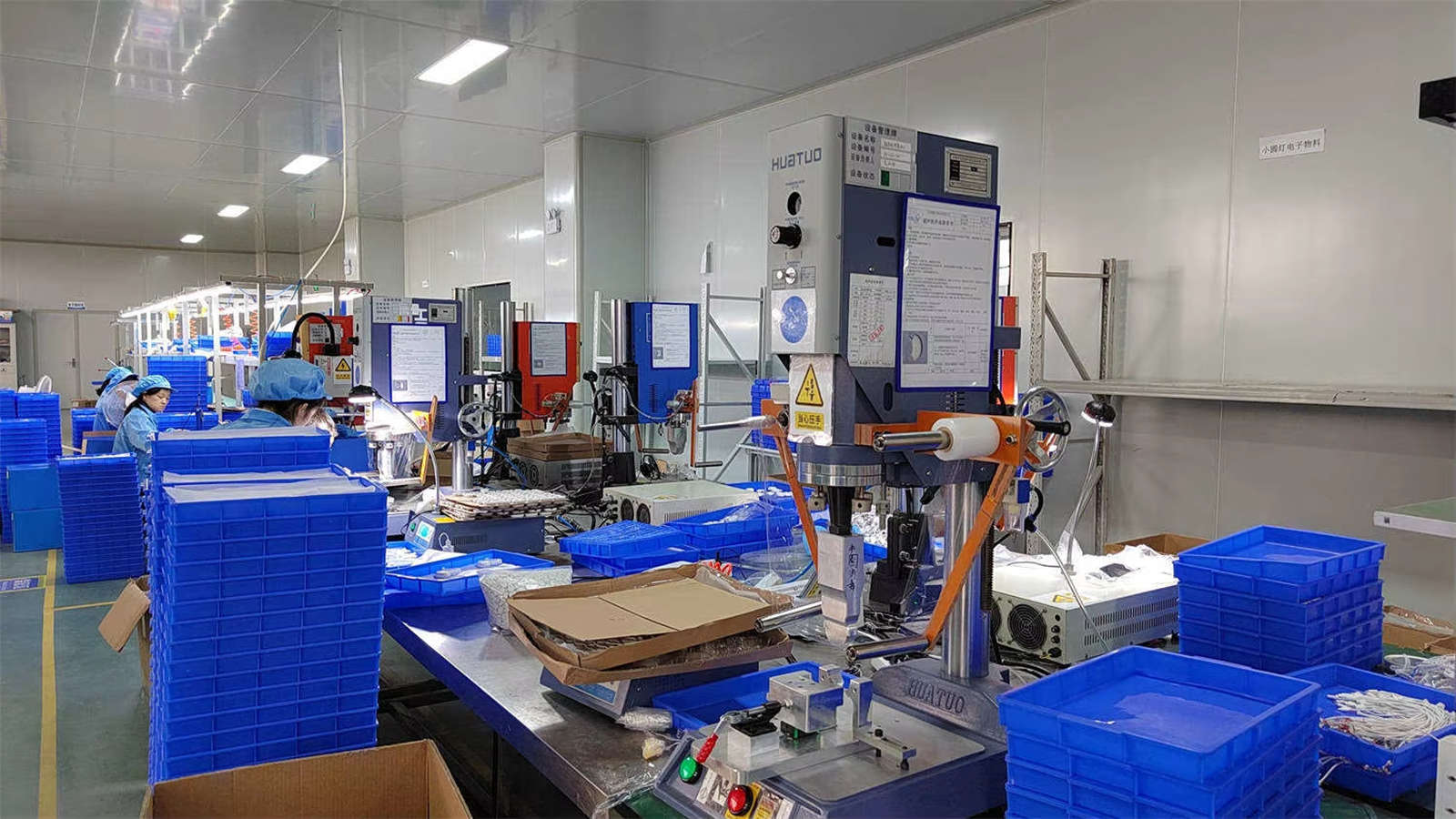
Ultrasonic Welder
Our manufacturing complex located in Beijing operates under strict cleanroom conditions (ISO Class 7 and Class 8 parameters). Our machinery including the Vacuum Homogenizing Emulsifying Machine, high-accuracy Filling Machine, and automated Coating Line ensures that every batch of peeling acid is homogenized at correct molecular weights. We deploy medical-grade Water Making Machines to generate double-distilled deionized water, which serves as the sterile carrier base for our chemical solutions. From structural housing development using our Horizontal Injection Molding Machine and Ultrasonic Welder to precise sheet formation through Die-cutting, every single manufacturing cycle is tracked, logged, and audited to guarantee absolute product consistency.
Safeguarding international supply chains through regulatory alignment, certified processes, and customs documentation expertise.
Entering international cosmetics and medical device markets requires meeting strict regulatory barriers. The importing of acid-based solutions is regulated under distinct regulatory groups depending on regional classification. In the European Union, professional peels must comply with Cosmetic Regulation (EC) No 1223/2009 and be registered through the CPNP (Cosmetic Products Notification Portal). In the United States, FDA regulations demand strict adherence to MoCRA (Modernization of Cosmetics Regulation Act) standards, which include mandatory facility registration, ingredient listing, and extensive adverse event reporting protocols.
Beijing Durova Beauty Co., Ltd. guarantees peace of mind for B2B importers. Our entire aesthetic equipment catalog carries CE certifications, and our topical formulations are backed by complete Material Safety Data Sheets (MSDS), Certificates of Analysis (COA), and microbial challenge test reports. We work closely with leading international testing bodies (SGS, Intertek) to ensure that the heavy metal levels, microbiological stability, and active pH ranges strictly conform to destination country requirements. Additionally, our hazardous cargo transport certifications allow for safe, legal transit of high-concentration chemical peels via specialized hazardous-grade air and sea freight.
Clear, technical answers to common queries regarding formulation customizations, minimum orders, and mechanical integrations.
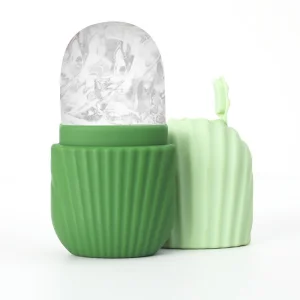
Enhance your clinic or wholesale inventory with our advanced line of pigment removal lasers, body contouring machines, and soothing post-treatment accessories.
 Durova Beauty