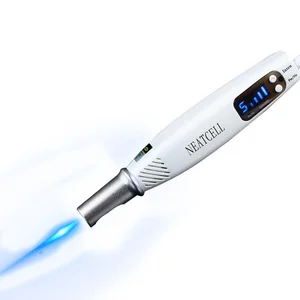
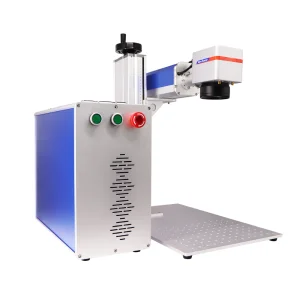
Handpicked portable models optimized for rapid-pulse operations, melanin clearance, and professional skin revitalization.
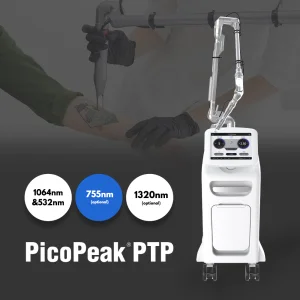
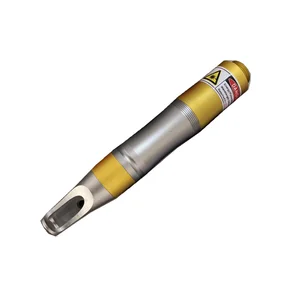
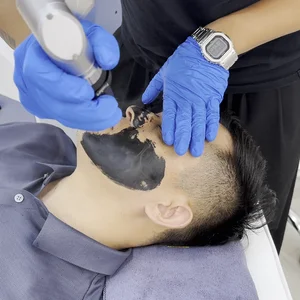
An executive analysis of technology shifts, purchasing parameters, and supply chain logistics for modern lasers in Central Asia.
Uzbekistan is currently witnessing an unprecedented economic and industrial modernization program. With a population exceeding 36 million and a rapidly expanding middle class, major cities like Tashkent, Samarkand, Bukhara, and Namangan are experiencing a major surge in wellness clinics, dermatology practices, and specialized beauty academies. Historically, the regional market relied heavily on traditional Q-switched nanosecond lasers. However, clinical standards are rapidly shifting toward picosecond technology.
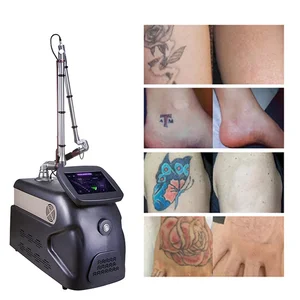
The primary clinical driver is safety on Fitzpatrick skin types III to V, which are highly prevalent in Central Asia. Traditional nanosecond pulses produce substantial photothermal effects, putting patients at risk for post-inflammatory hyperpigmentation (PIH). Picosecond laser pens emit energy in trillionths of a second, relying on photomechanical shockwaves to shatter pigments into microscopic particles. This ensures highly targeted treatment for stubborn melasma, multi-color tattoos, and acne scars with virtually zero downtime.
From an engineering standpoint, a true picosecond pen utilizes state-of-the-art solid-state laser modules to output pulses at sub-nanosecond levels (typically 450ps to 750ps). By compressing light energy into these ultra-short intervals, the peak power density escalates exponentially. This generates a powerful photoacoustic shockwave that breaks down tattoo inks, carbon masks, and endogenous melanin deposits without heating the surrounding dermal tissue.
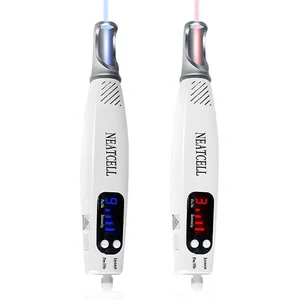
For B2B buyers in Uzbekistan, understanding wavelength dynamics is critical when selecting stock. The 1064nm wavelength targets deep pigments and black/blue inks, making it highly effective for dermal pigmentations. Meanwhile, the 532nm wavelength addresses epidermal lesions and warm-toned tattoo inks (red, orange, yellow). Advanced configurations featuring specialized wavelengths (like 585nm and 650nm) offer clinical precision for vascular lesions and stubborn green or blue inks, providing a massive competitive advantage in regional cities.
| Feature | Picosecond Pen | Standard Q-Switch |
|---|---|---|
| Pulse Duration | 450 - 750 Picoseconds | 5 - 20 Nanoseconds |
| Action Mode | Photoacoustic (Shockwave) | Photothermal (Heat) |
| Dermal Recovery | 1 - 2 Days (Minimal risk) | 5 - 10 Days (Moderate risk) |
| Target Application | Freckles, Melasma, Inks | Basic Tattoos |
Partnering with an experienced manufacturer like Beijing Durova Beauty Co., Ltd. gives Uzbek distributors a significant competitive edge. Established in 2014, Durova has spent over a decade refining its production processes, moving towards full Industry 4.0 automation. This integration ensures structural durability, precision optical alignment, and long-term laser stability.
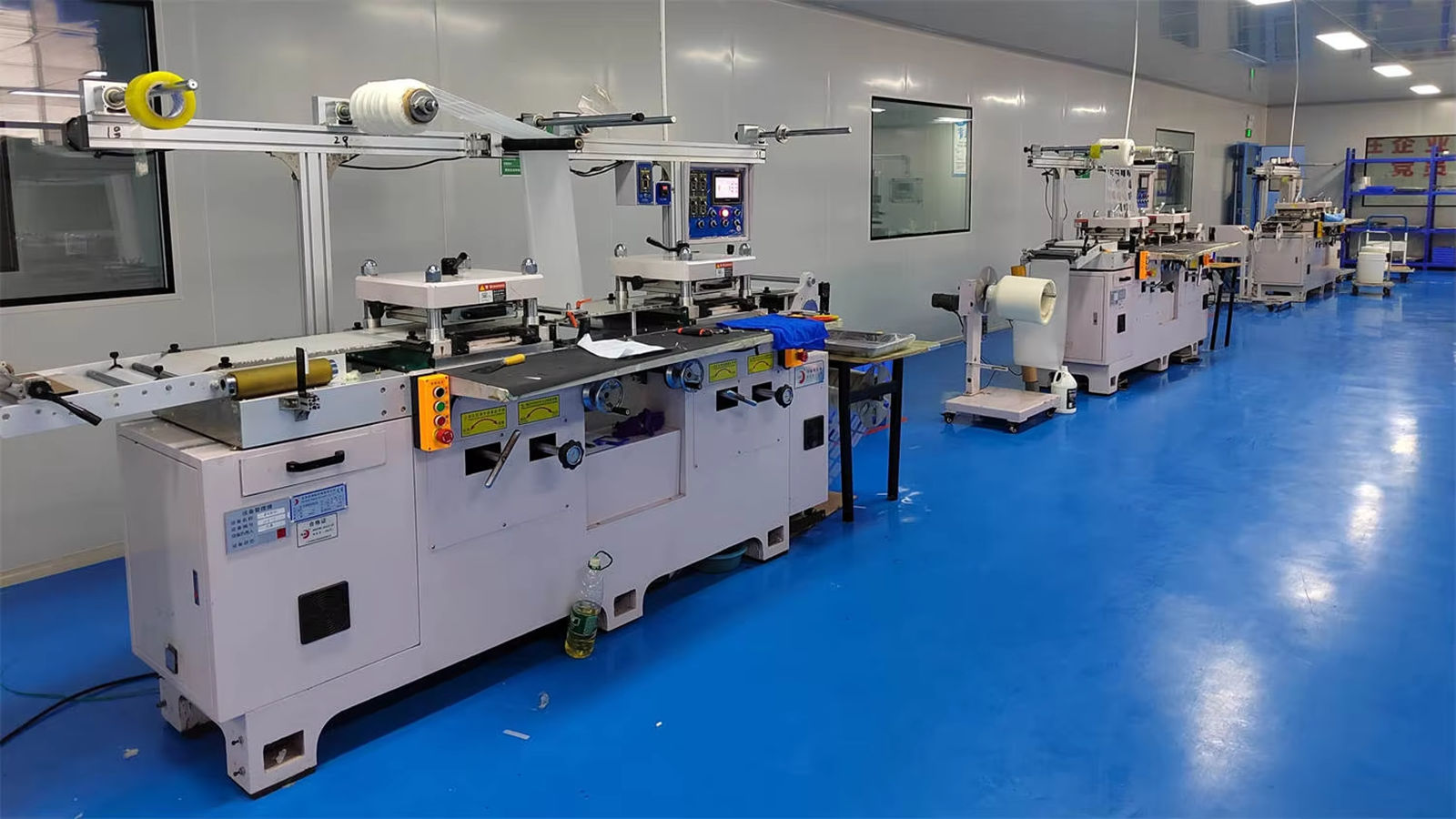
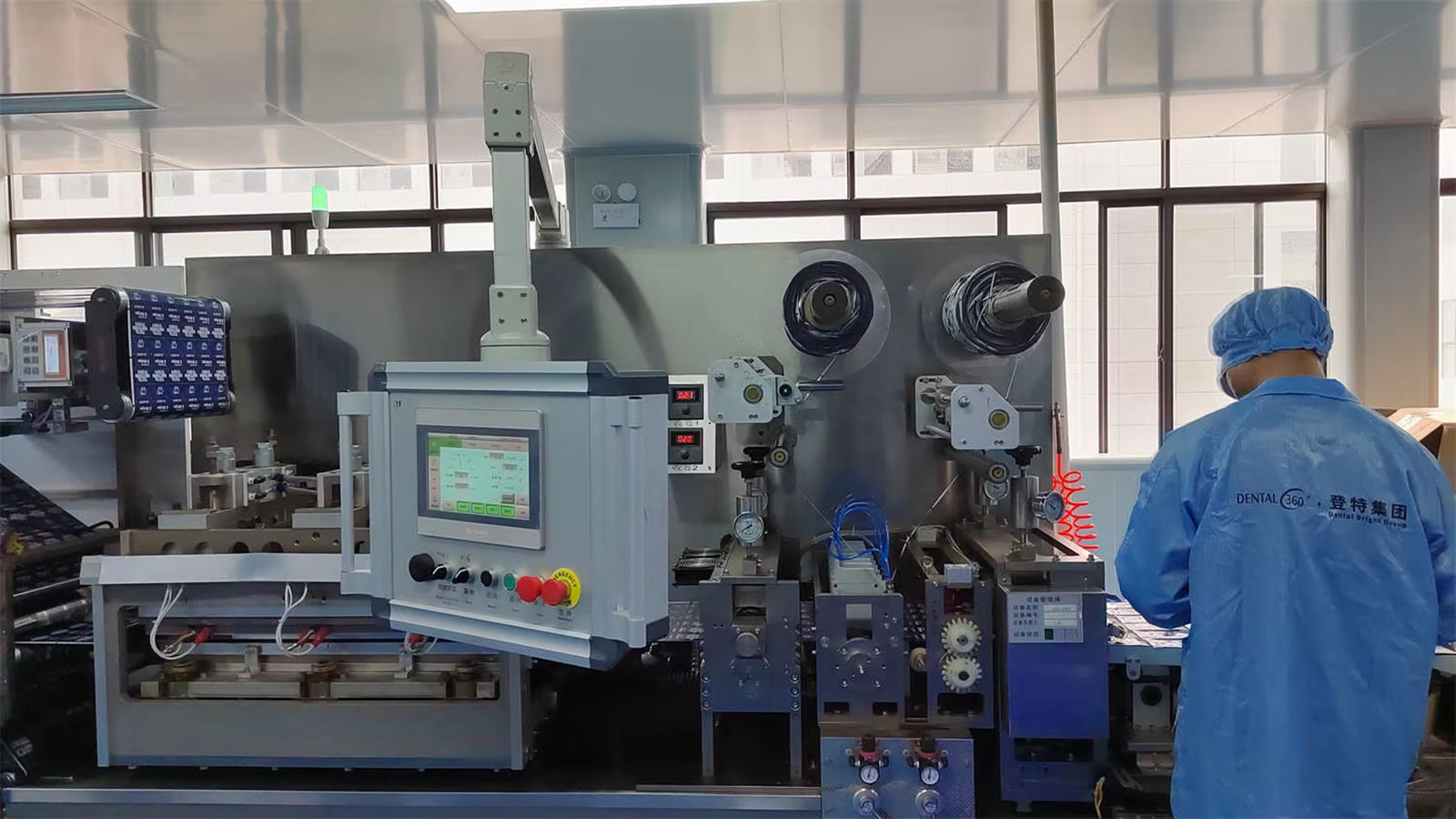
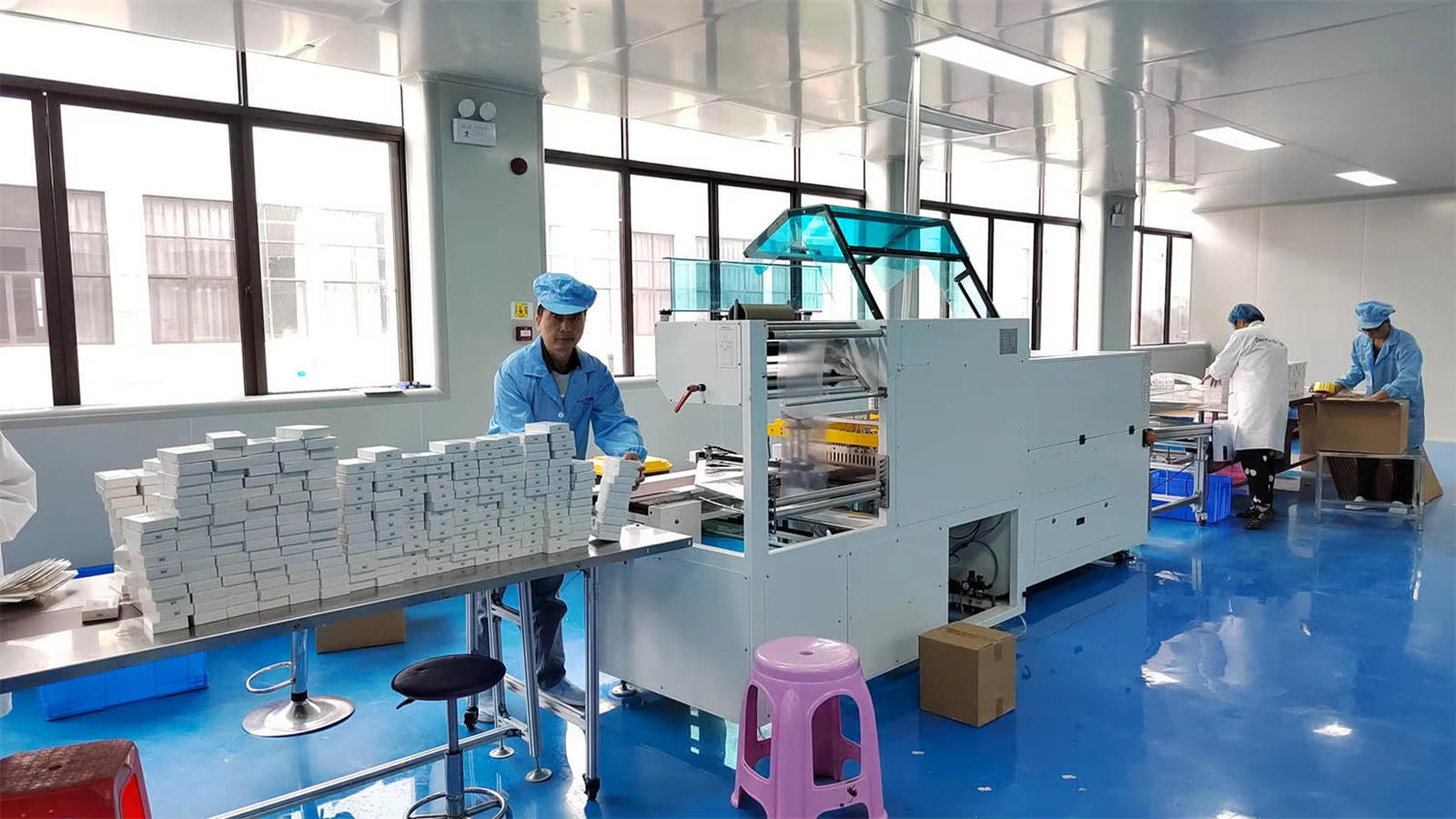
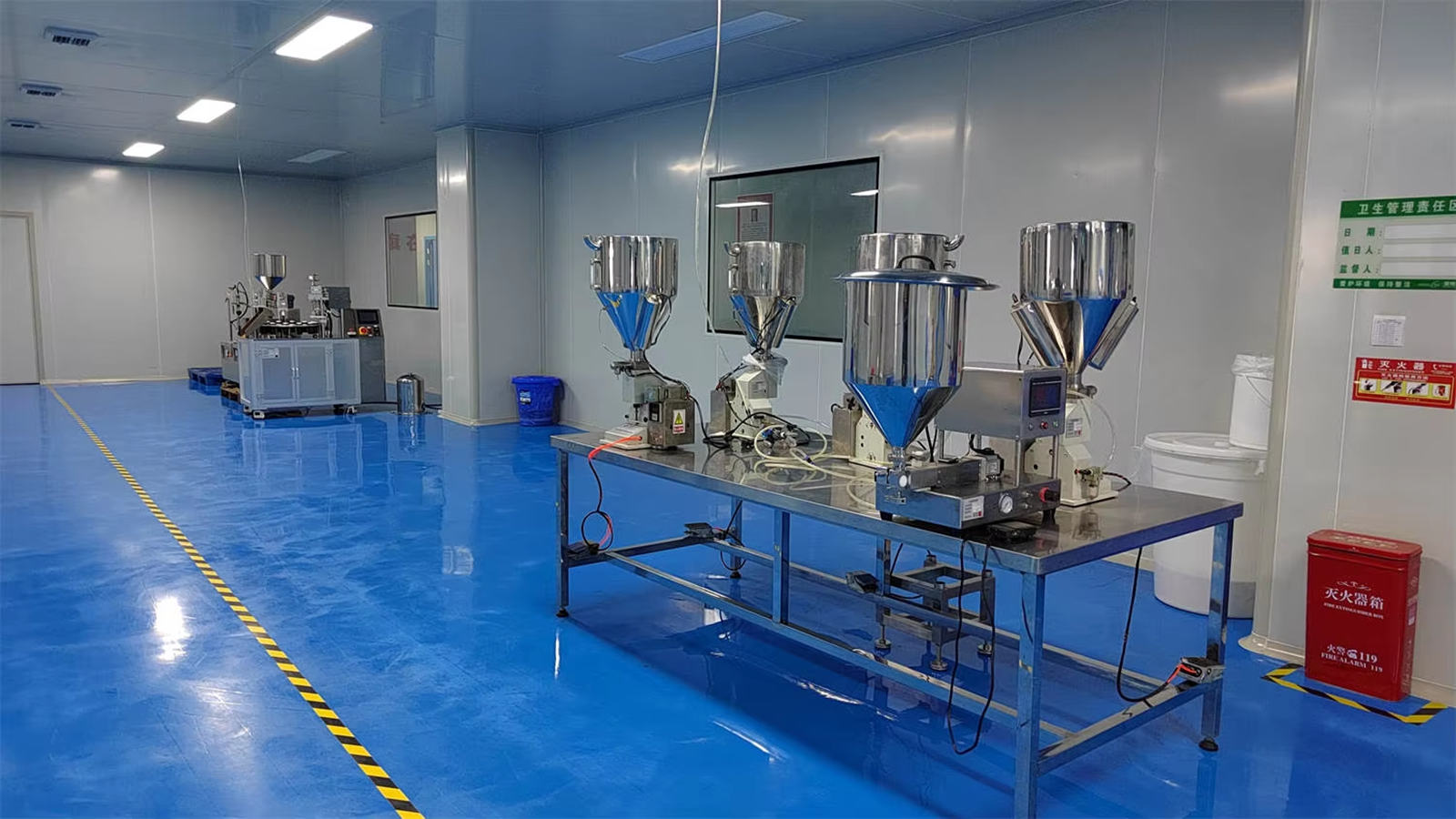
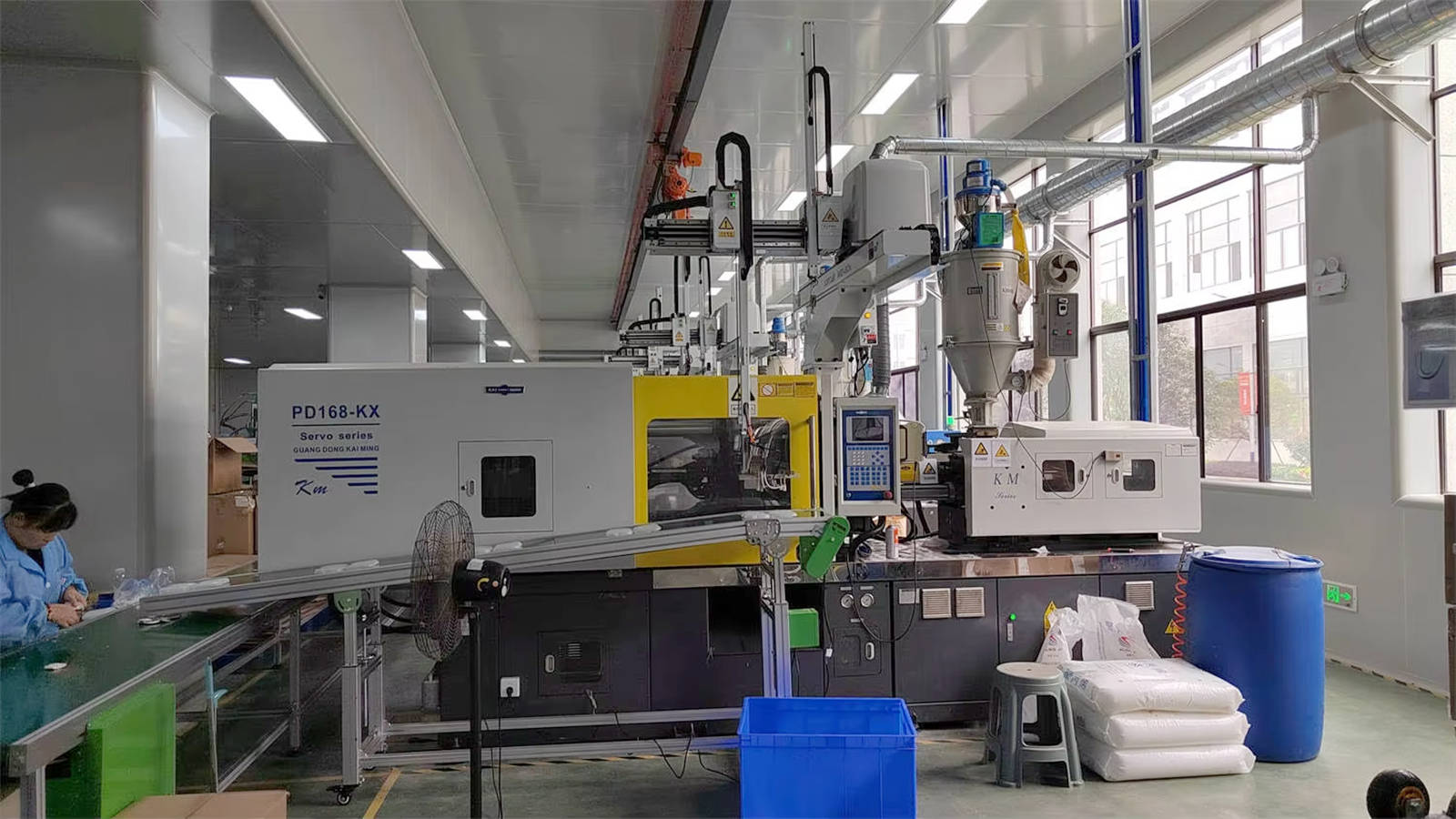
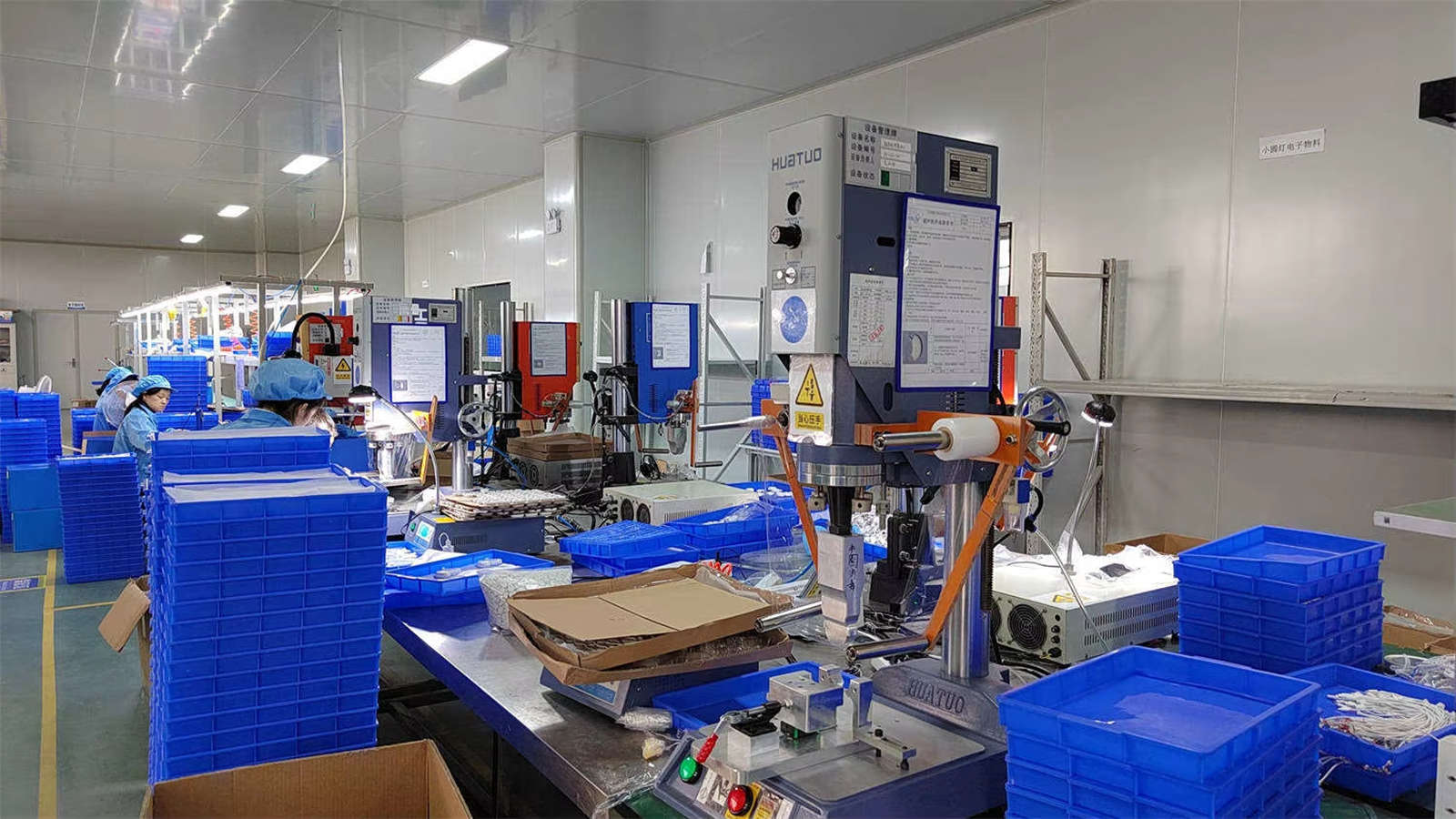
Durova's manufacturing capabilities include specialized raw material processing, automated PCB assembly, cleanroom optical mounting, and rigorous quality testing. Each picosecond pen undergoes a continuous 48-hour stress test to ensure stable energy output across all treatment sessions. By utilizing modern injection molding, die-cutting, and computerized filling systems, Durova ensures that bulk shipments remain consistent and free of quality issues.
International logistics can be a complex hurdle for beauty equipment distributors in Central Asia. Durova provides tailored customs support for the Uzbekistan market, ensuring seamless delivery through established shipping routes:
Take a look inside our state-of-the-art facility, showing our quality control and advanced production equipment.
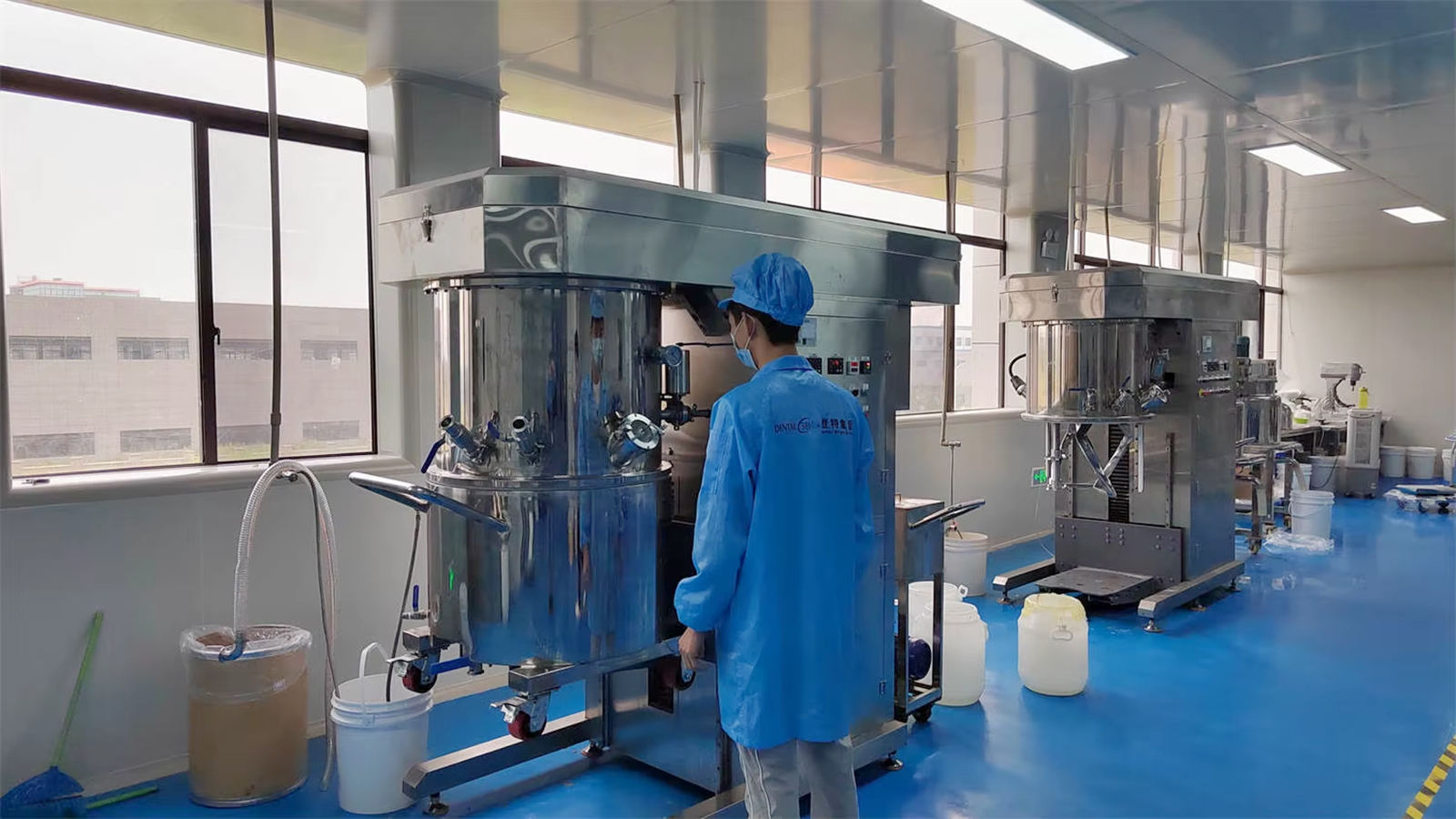
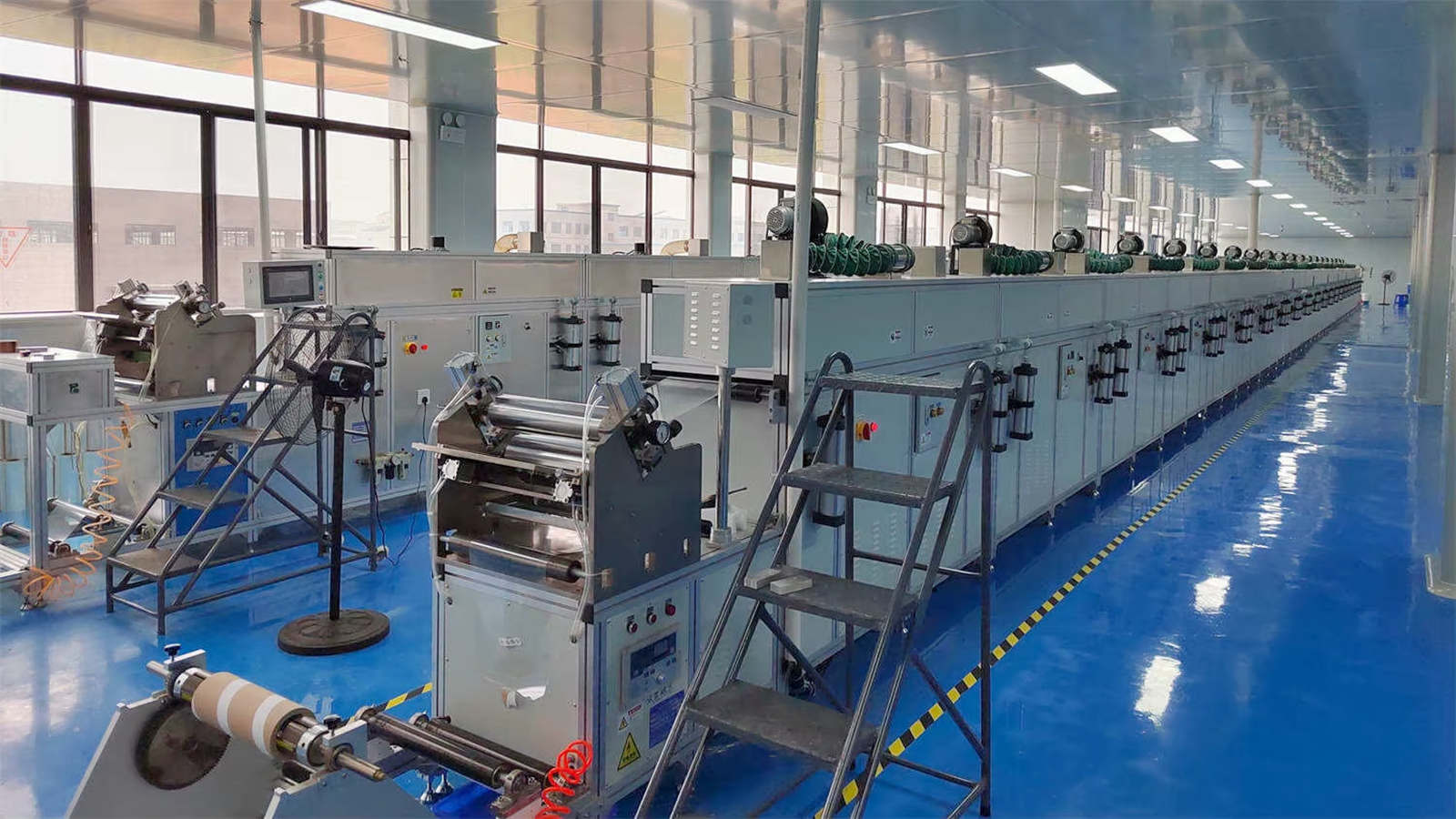
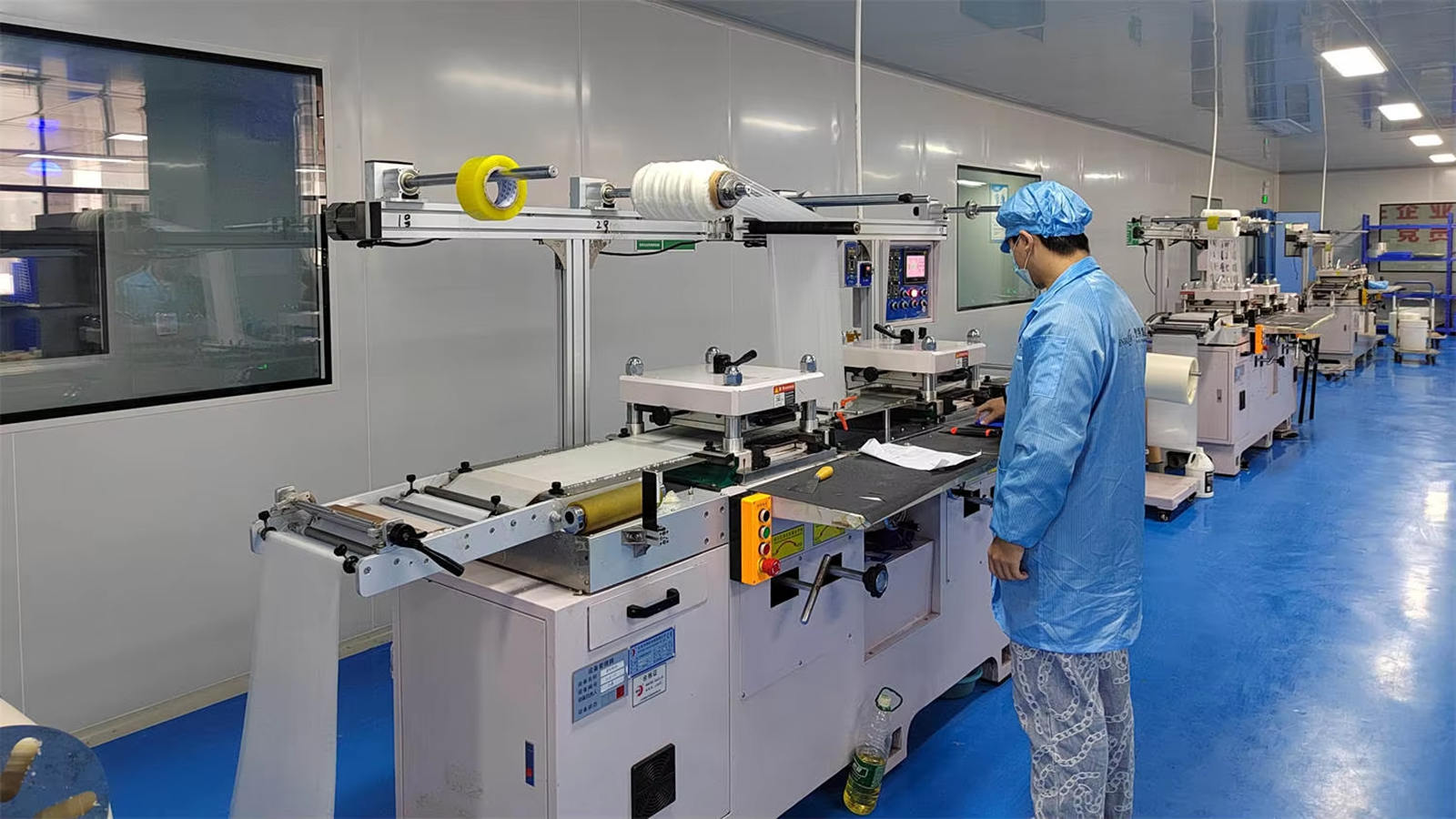
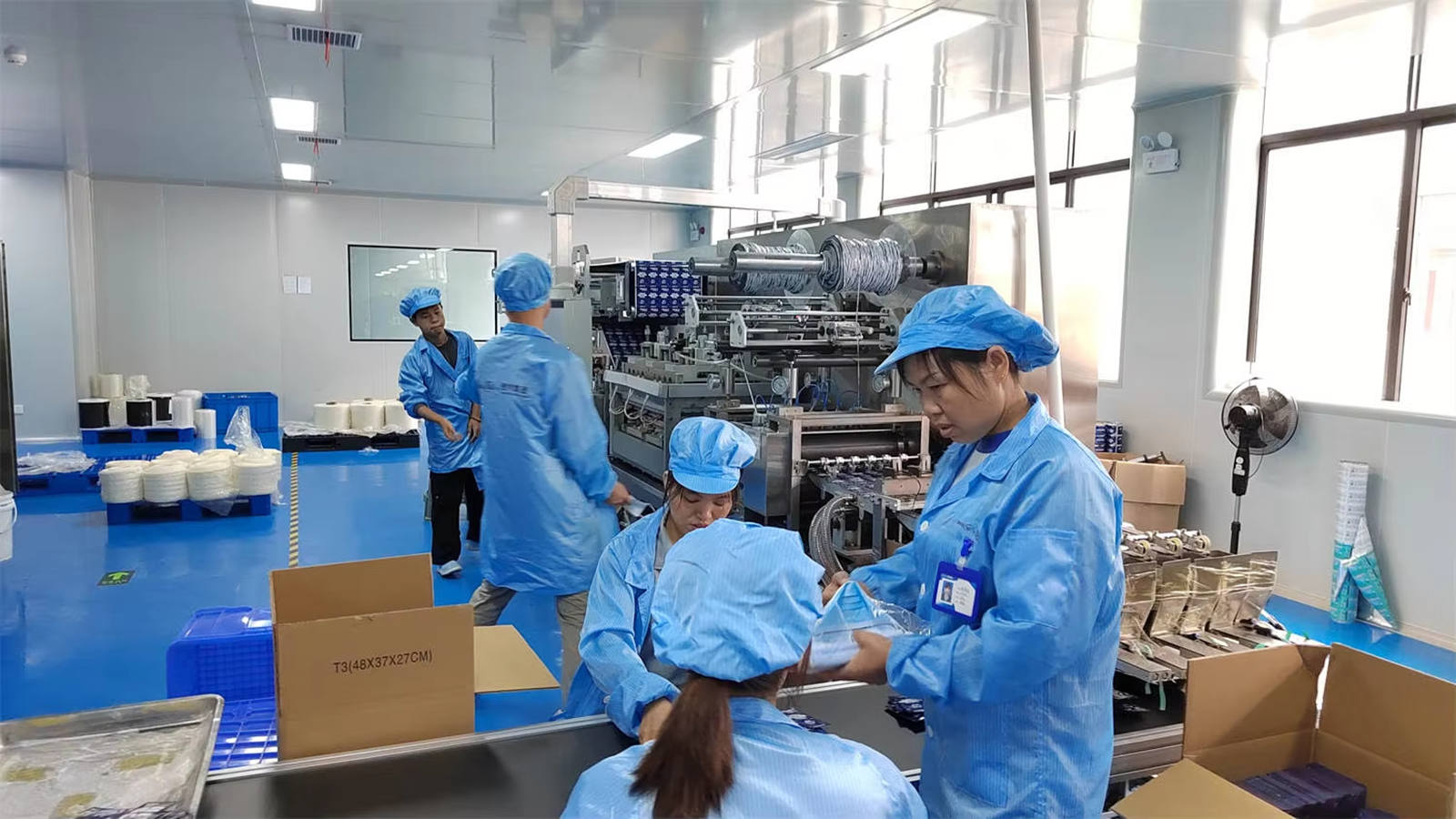
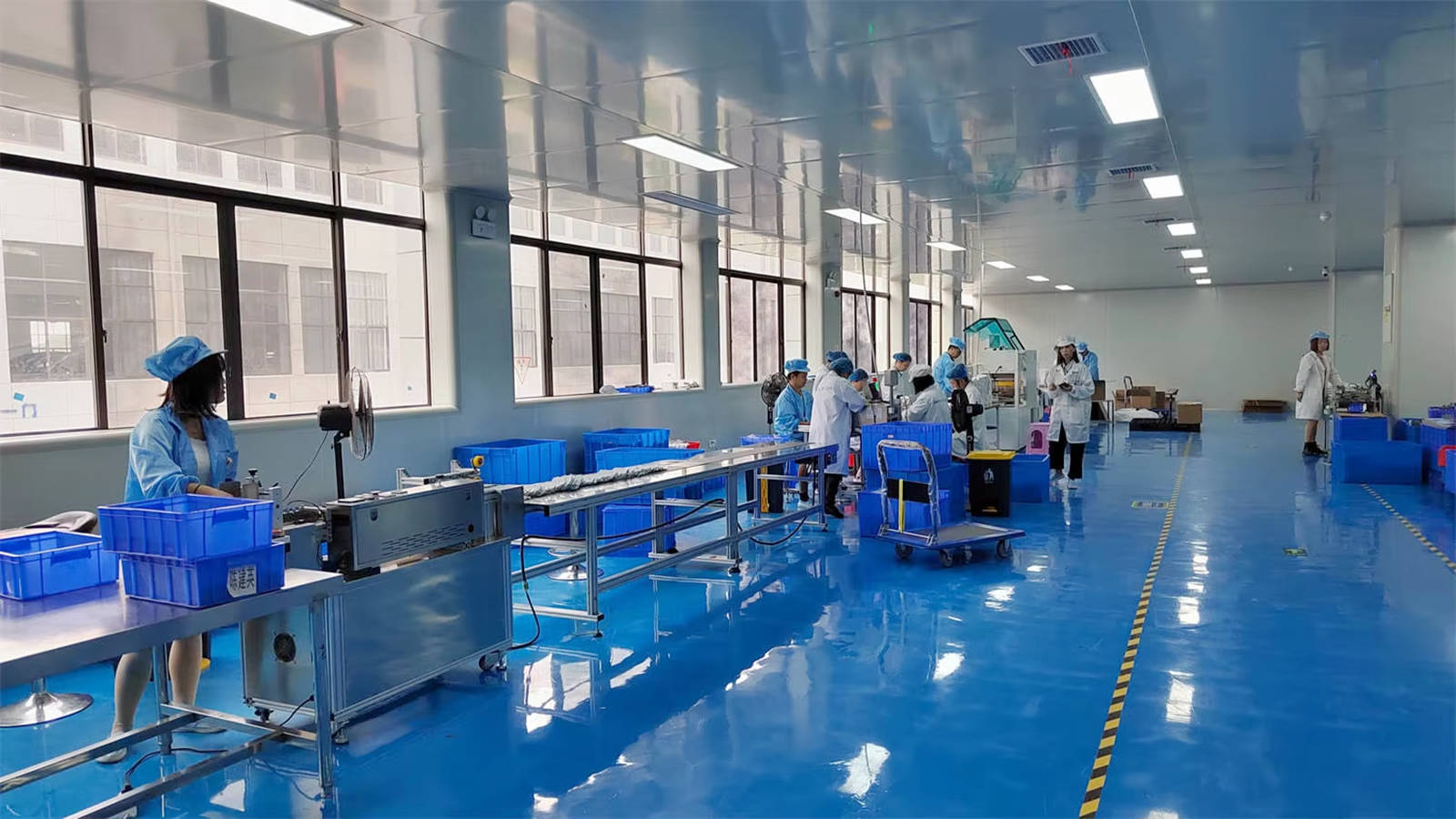
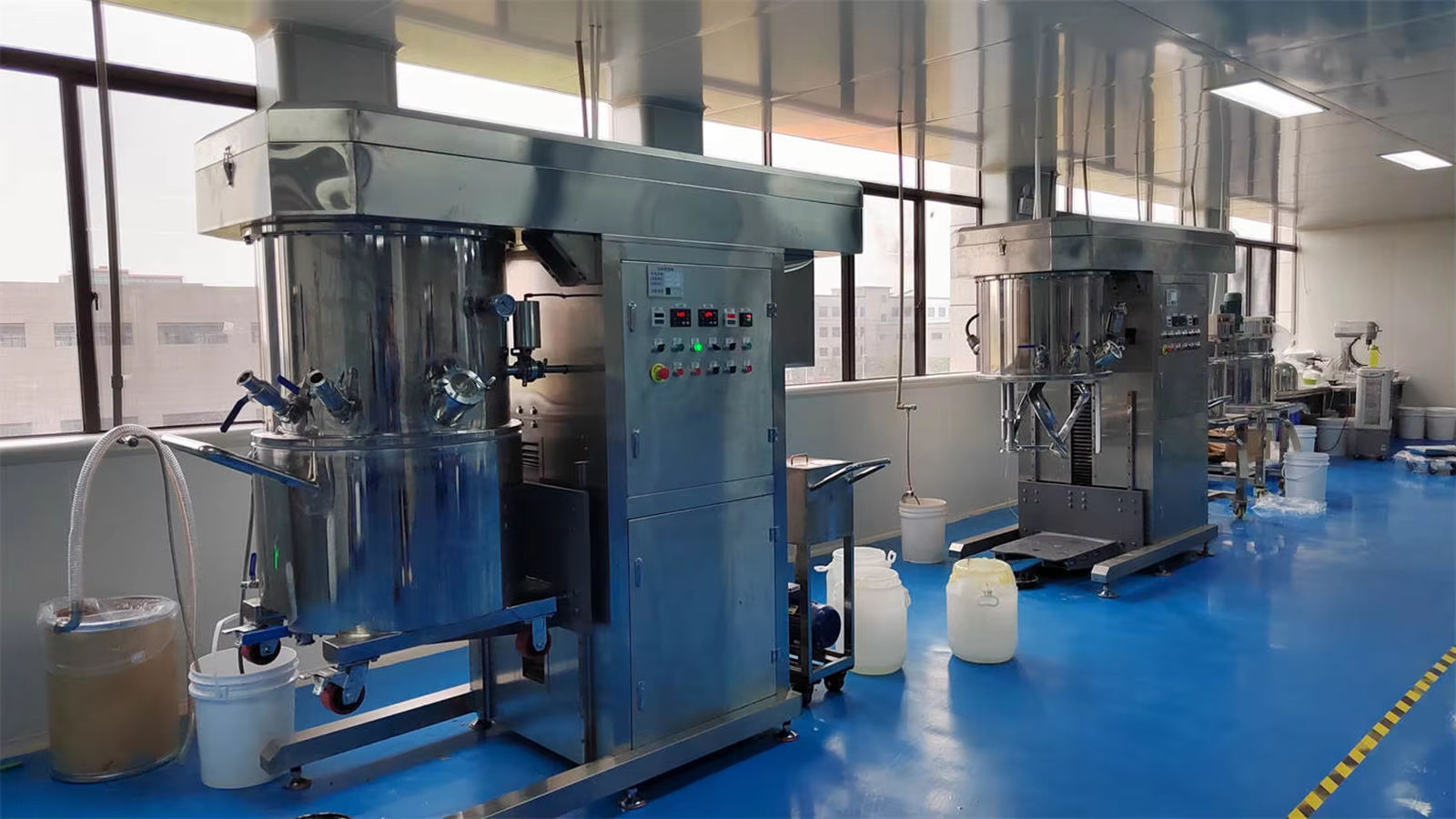
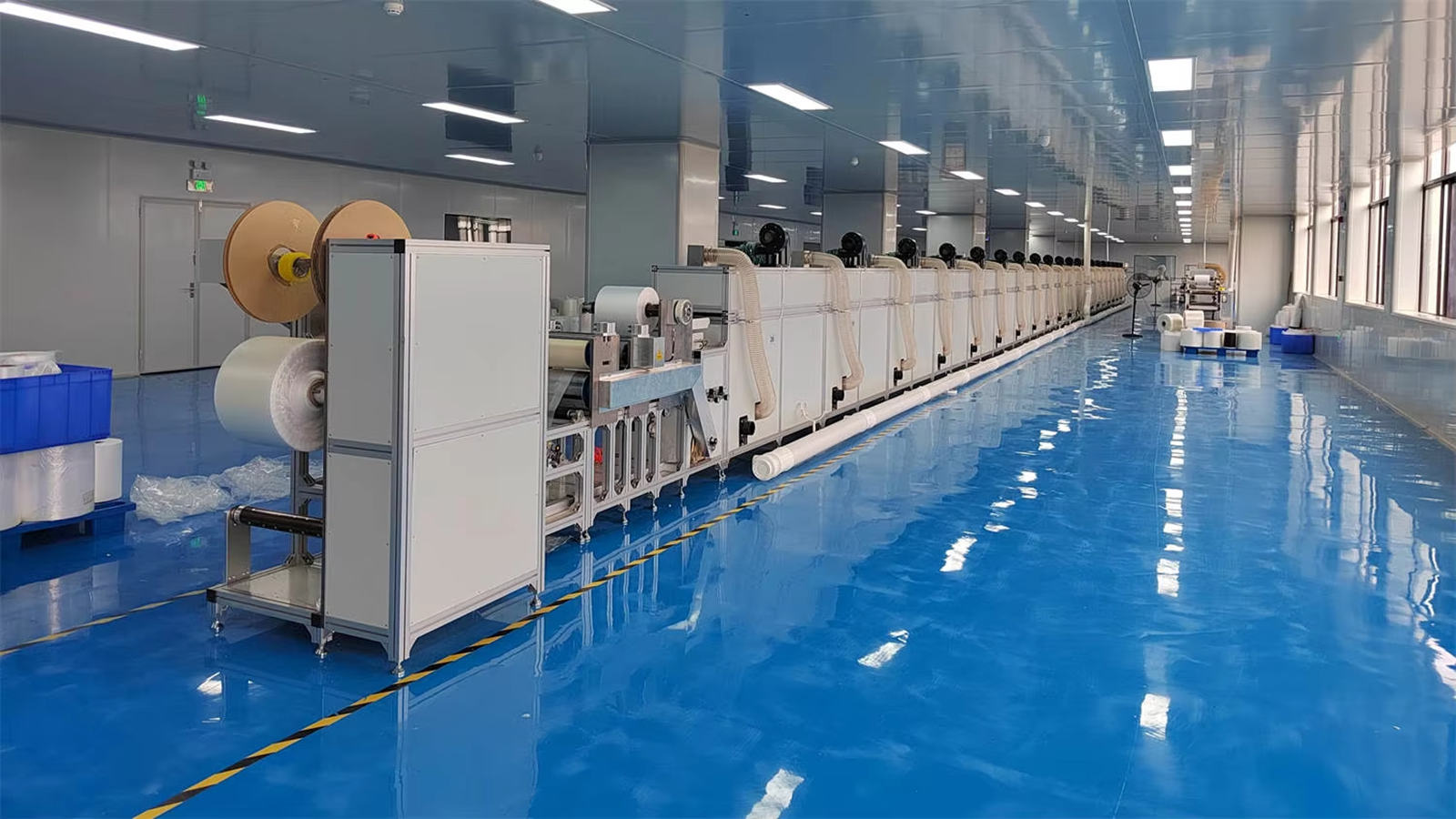

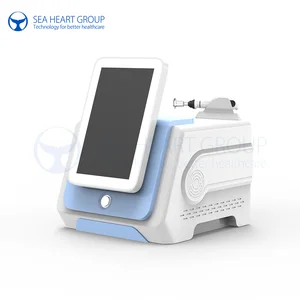
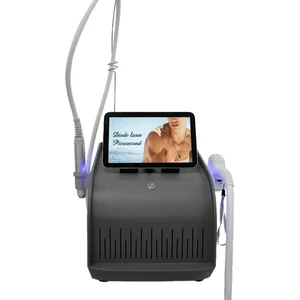
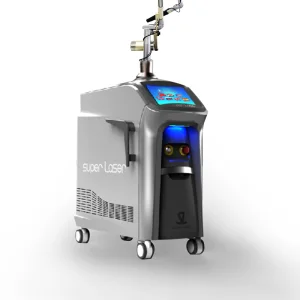
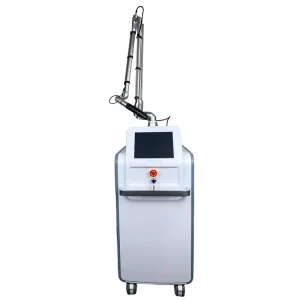
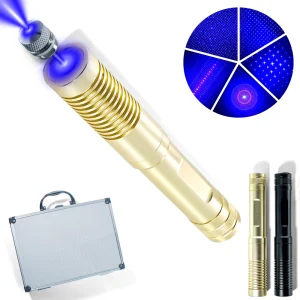
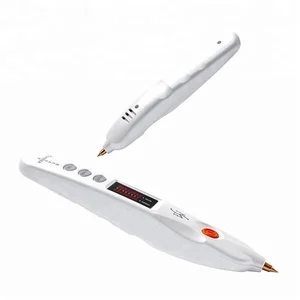
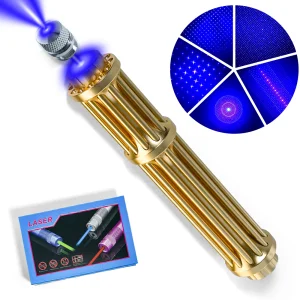
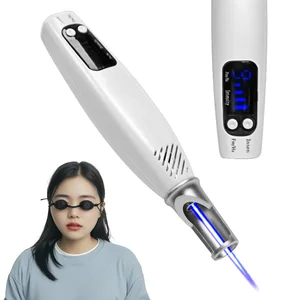
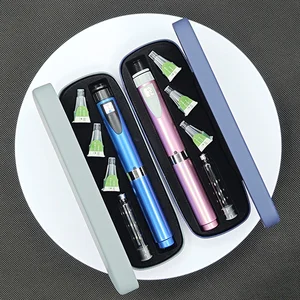
Our complete range of portable skin tag removers, multi-wavelength lasers, and custom-branded pens for importers in Uzbekistan.
Key technical, regulatory, and logistics details to assist B2B importers, clinic owners, and purchasing managers in Central Asia.
 Durova Beauty