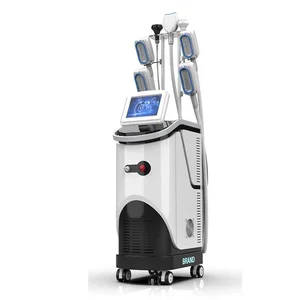
CE Certified Cavitation Fat Loss Machines Manufacturer & Exporters

Pioneering Clinical-Grade Ultrasound Cavitation & Professional Aesthetics Infrastructure

About Beijing Durova Beauty Co., Ltd.

Established in 2014 in Beijing, China, Beijing Durova Beauty Co., Ltd. has grown into a leading professional manufacturer and global exporter specializing in advanced medical beauty and aesthetic equipment. We align our state-of-the-art manufacturing processes with global standards to deliver reliable, clinically tested, and high-performance technologies to clients worldwide.

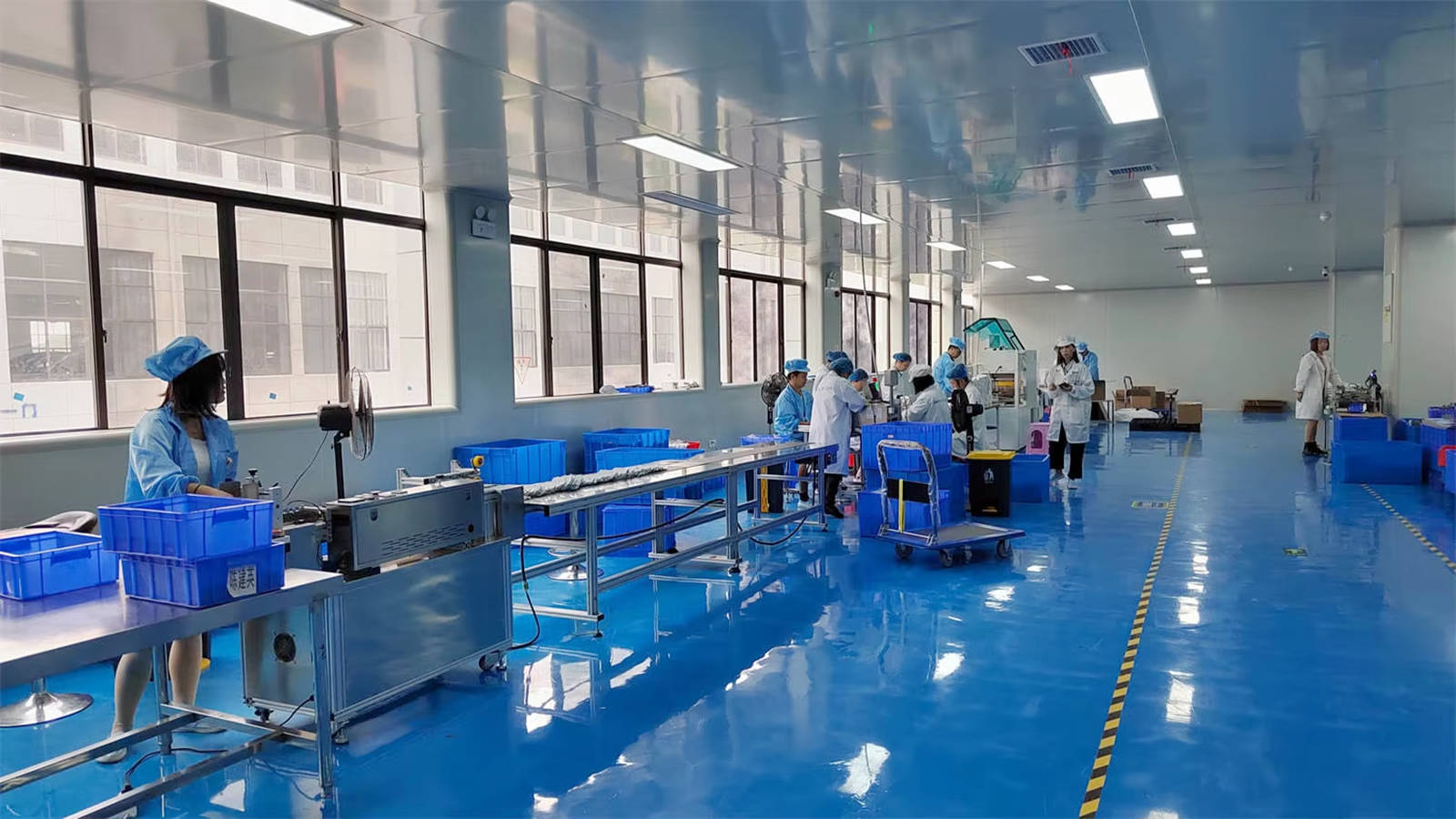
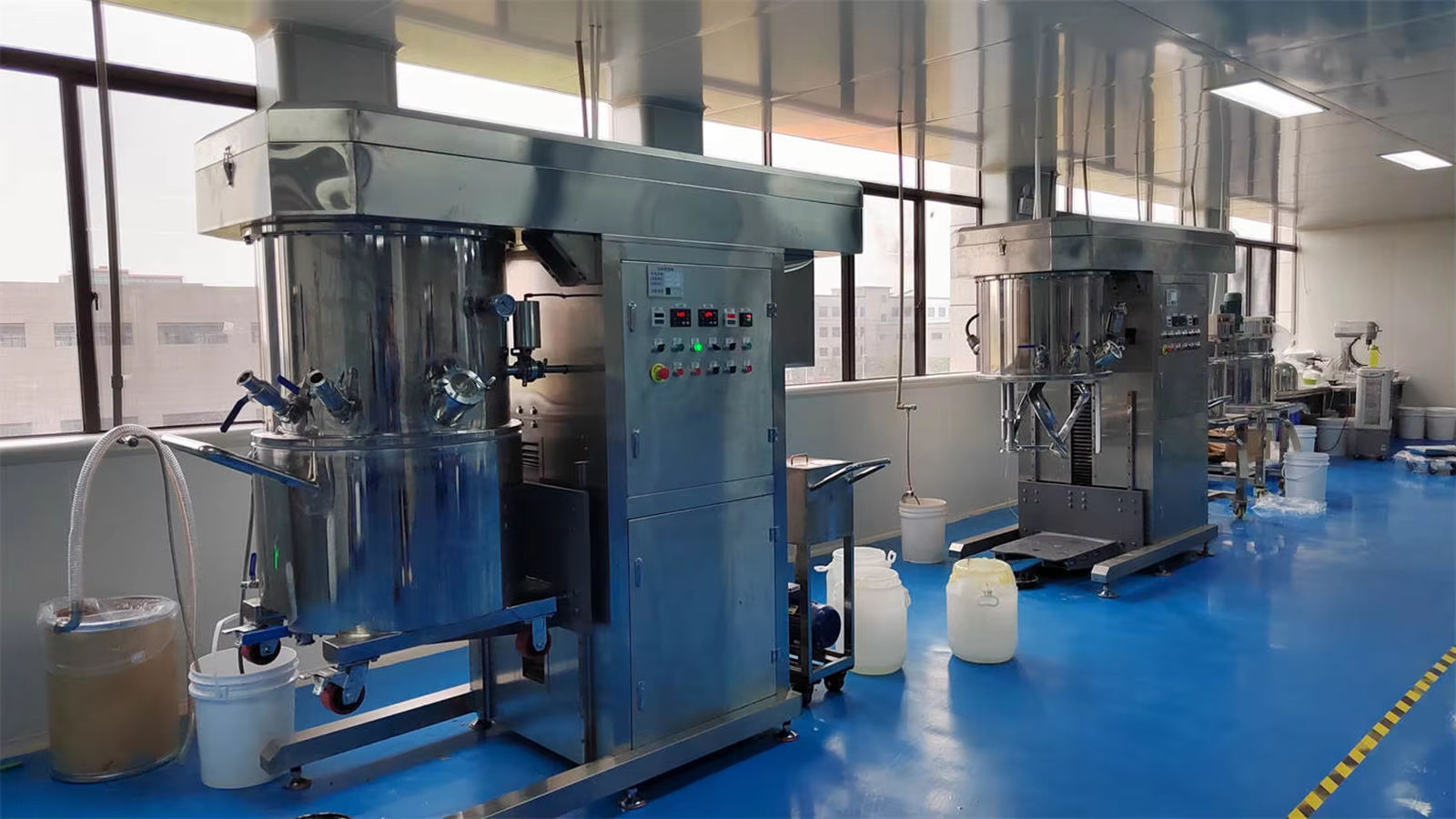
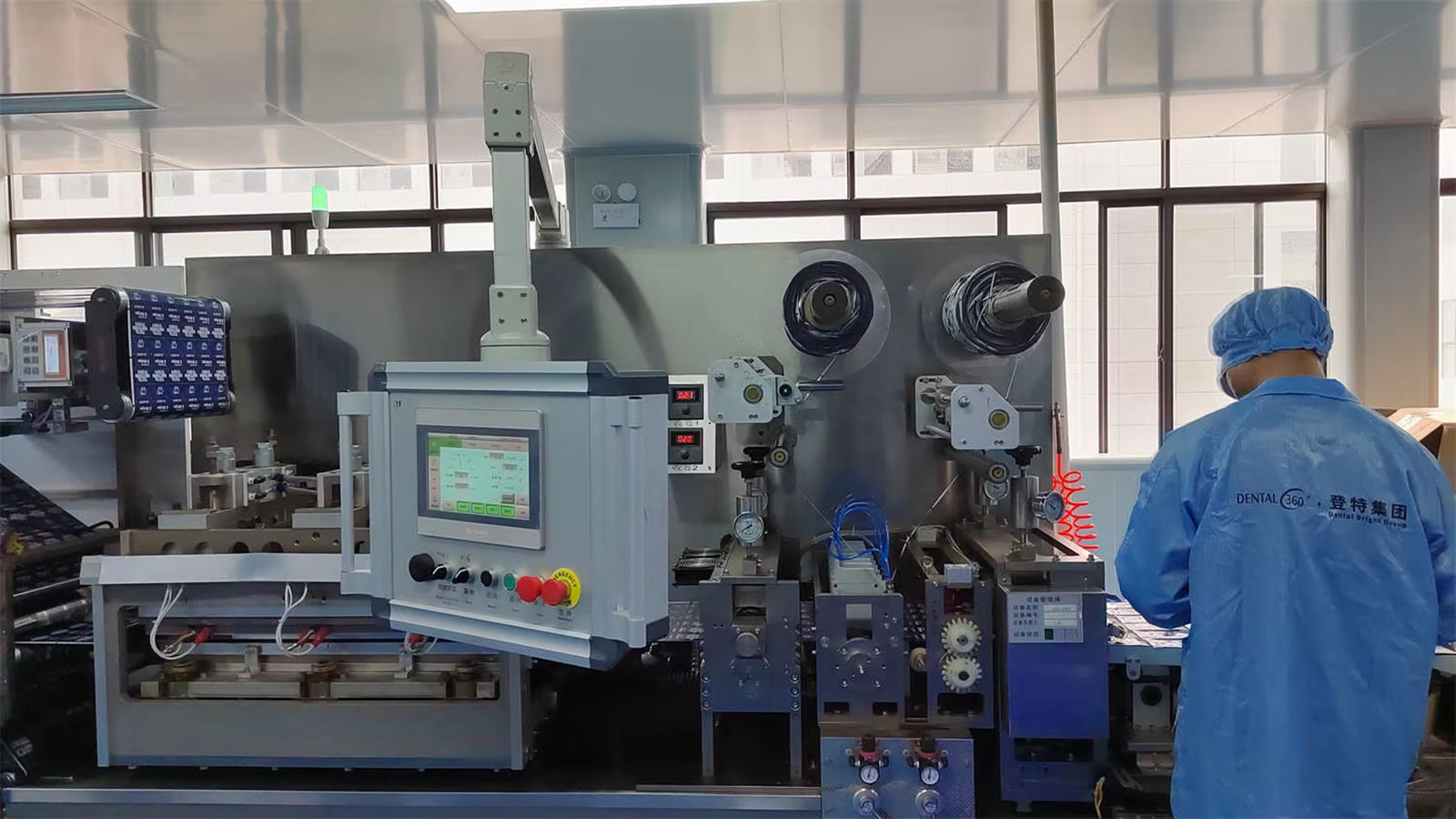
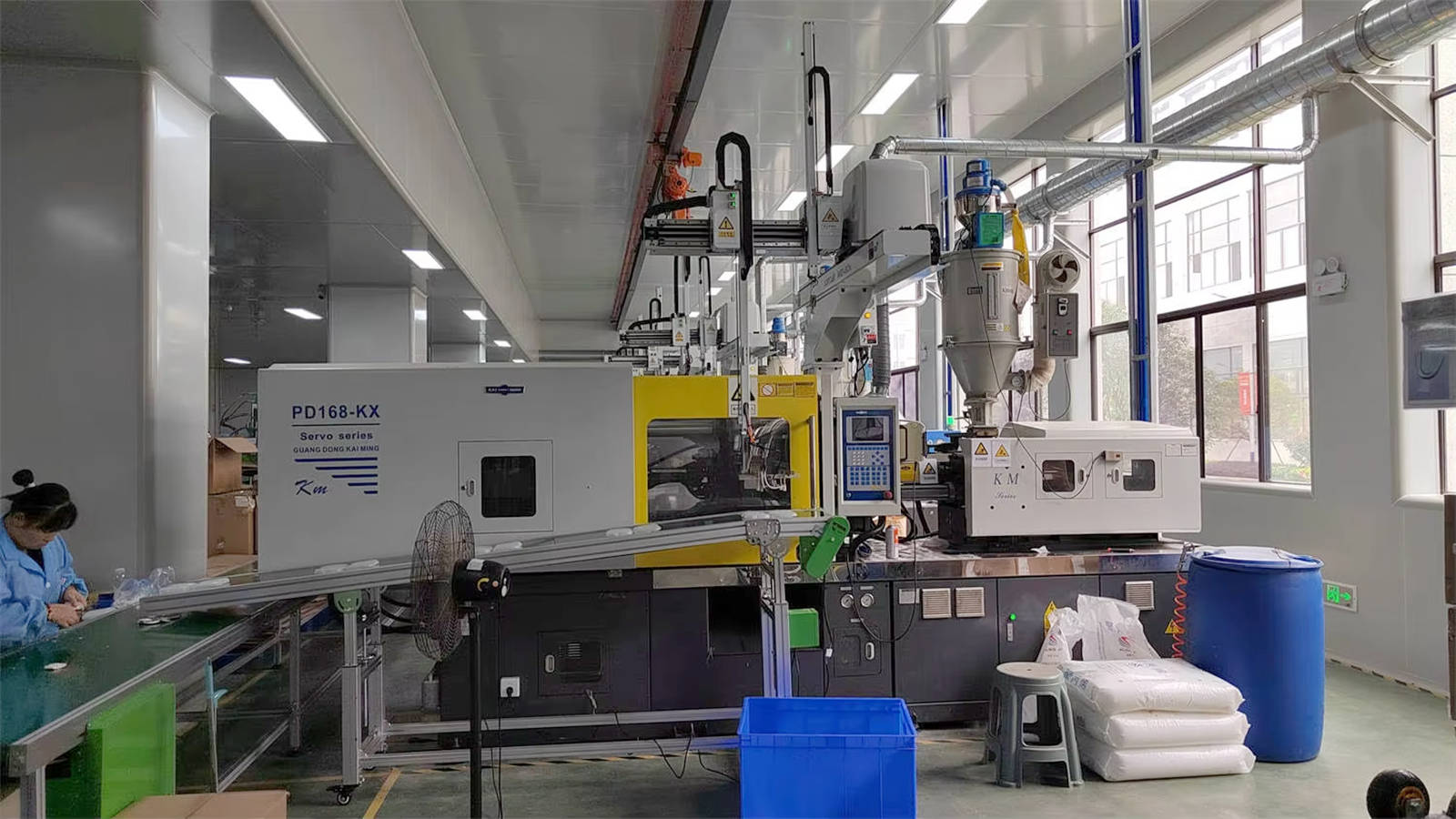
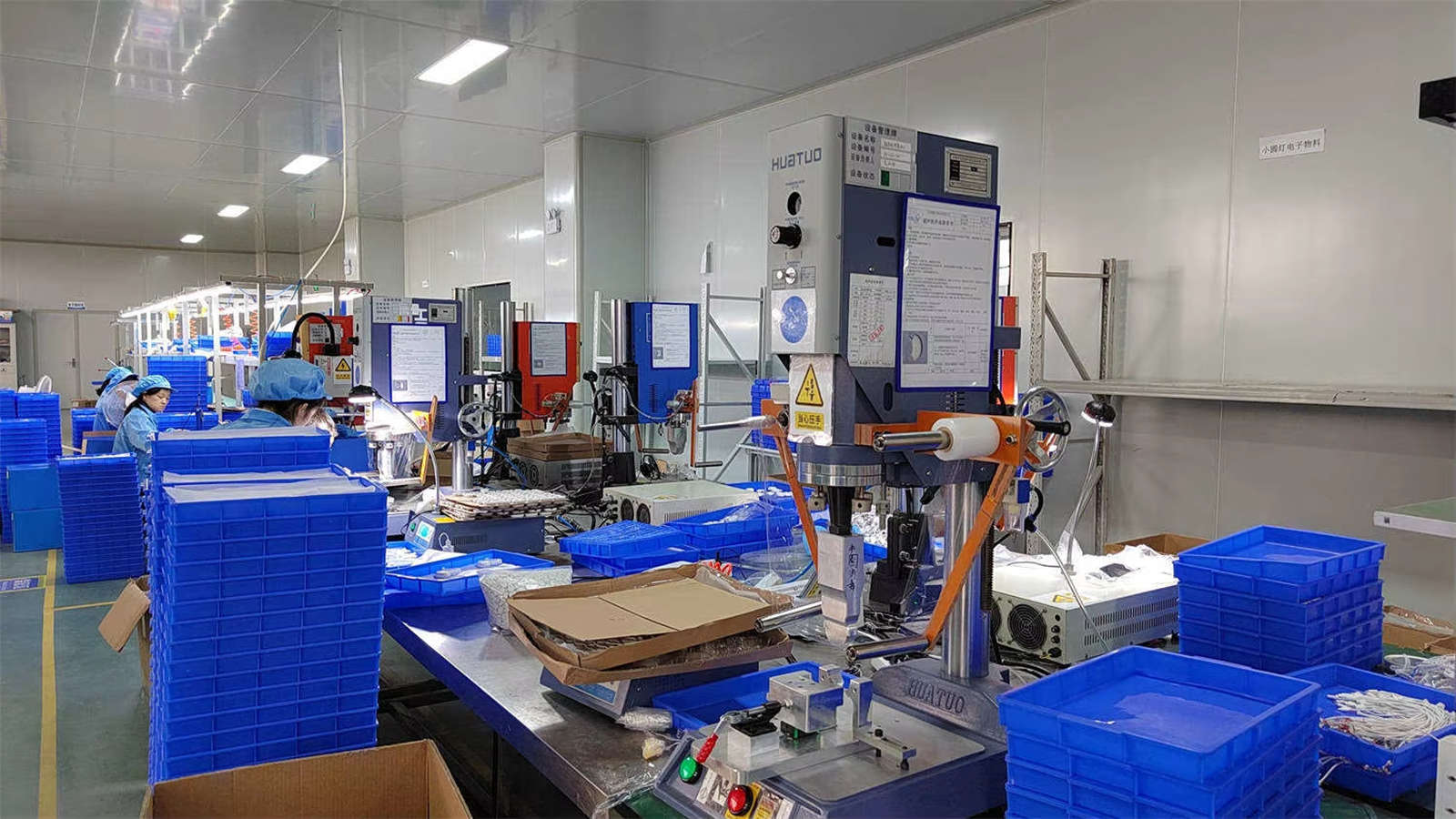
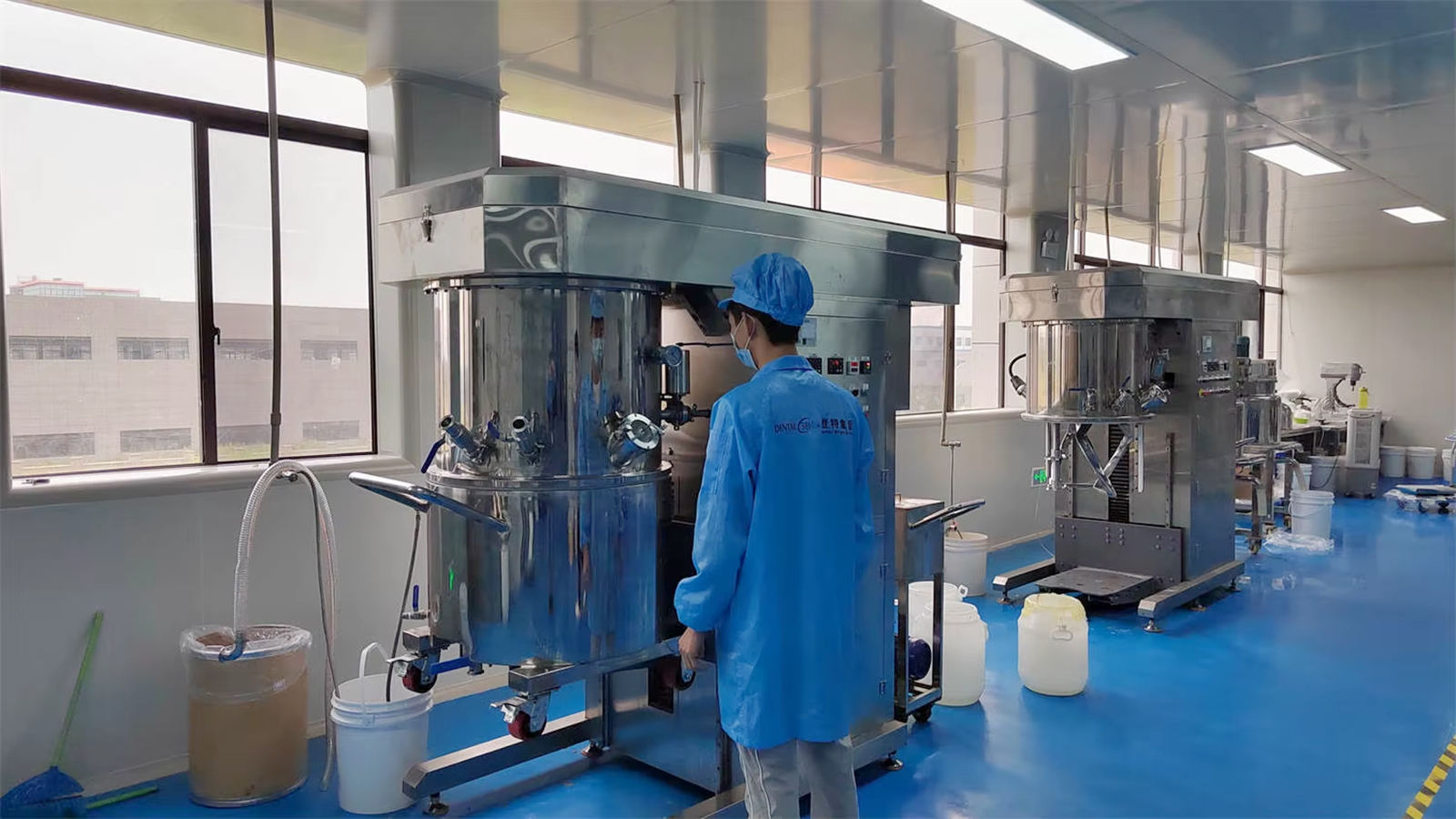
Our expansive production facilities feature cutting-edge automated infrastructure including horizontal injection molding, ultrasonic welding, and advanced vacuum homogenizing emulsification equipment. By controlling every phase of development—from raw material testing to final structural calibration—we ensure that each piece of clinical machinery delivers consistent, safe, and reproducible treatment outcomes.

"Our mission is to empower global aesthetic clinics, medical spas, and distribution partners by providing high-quality, CE certified medical devices that balance safety, clinical efficacy, and exceptional return on investment (ROI)."

2014
Year Established
CE / MDR
Global Compliance
100%
Quality Controlled
50+
Export Markets

Our strategic location in Beijing leverages advanced industrial supply chains, leading engineering universities, and optimized transportation pathways. This enables us to maintain an agile production cycle, offer custom OEM/ODM configurations, and deliver prompt, globally integrated customer support.

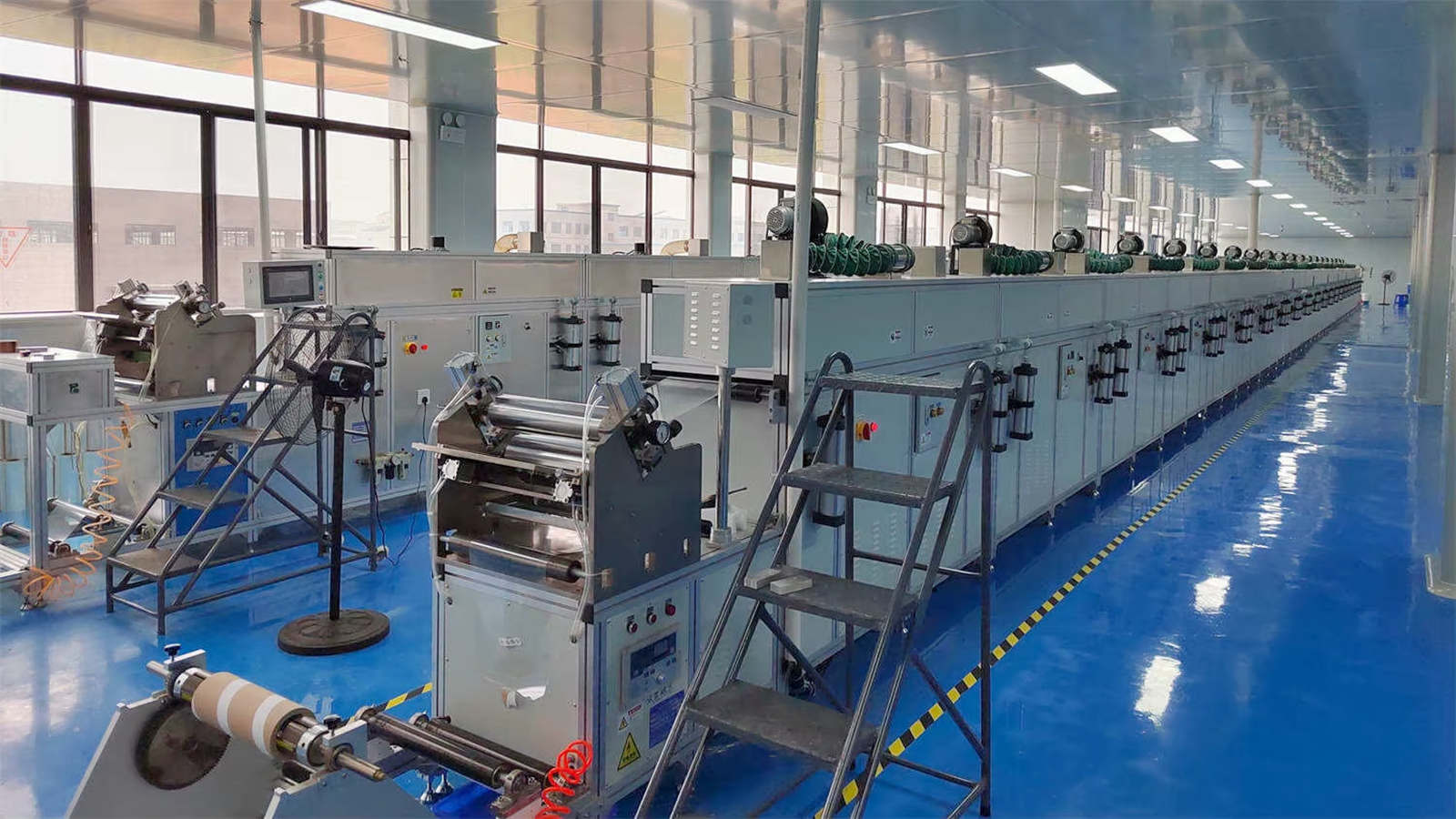
Advanced Manufacturing Infrastructure

A closer look at our rigorous manufacturing processes, precise machinery, and integrated product development workflow
Glue Making Process
Glue Making
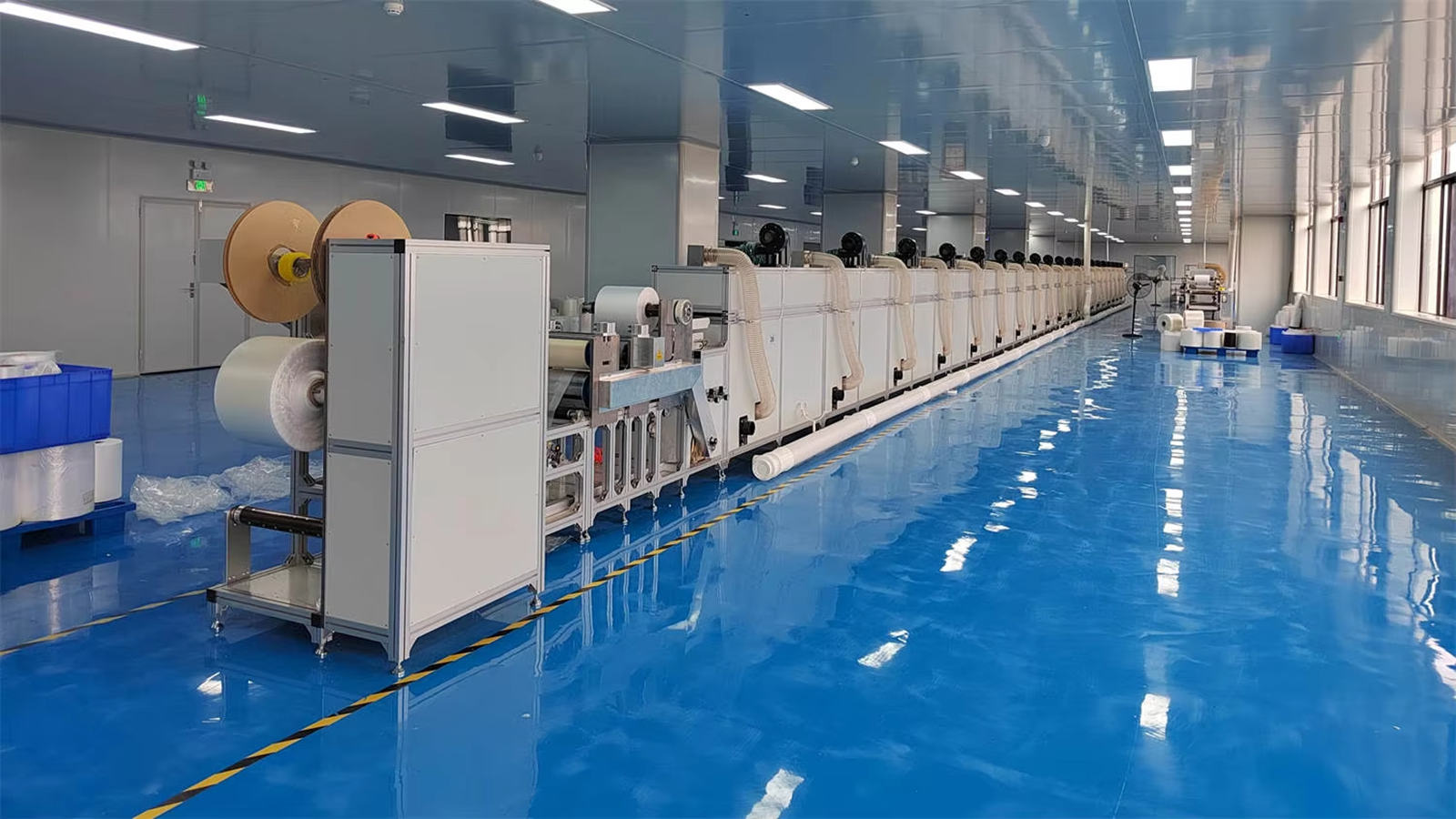
Coating Process
Coating
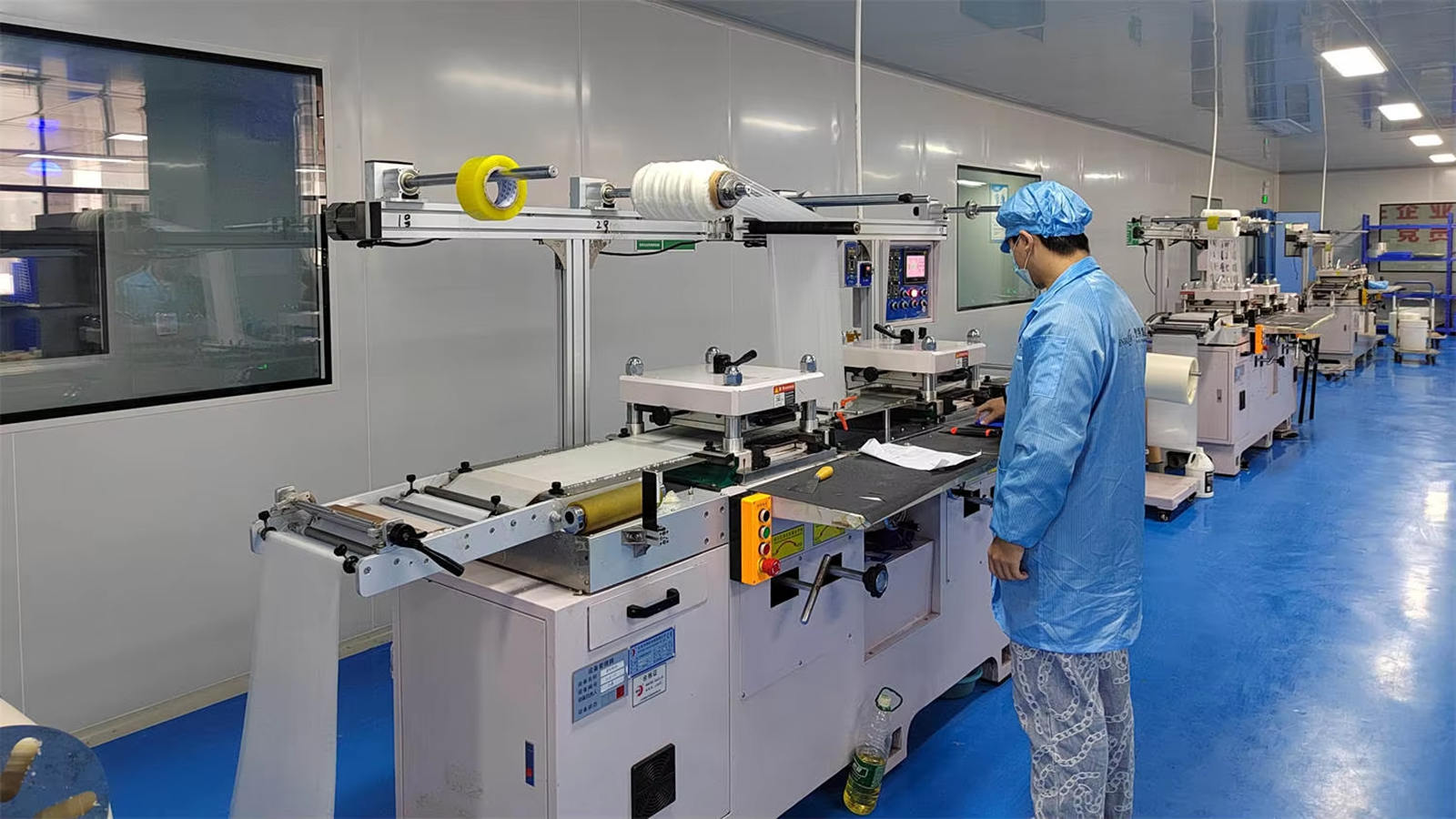
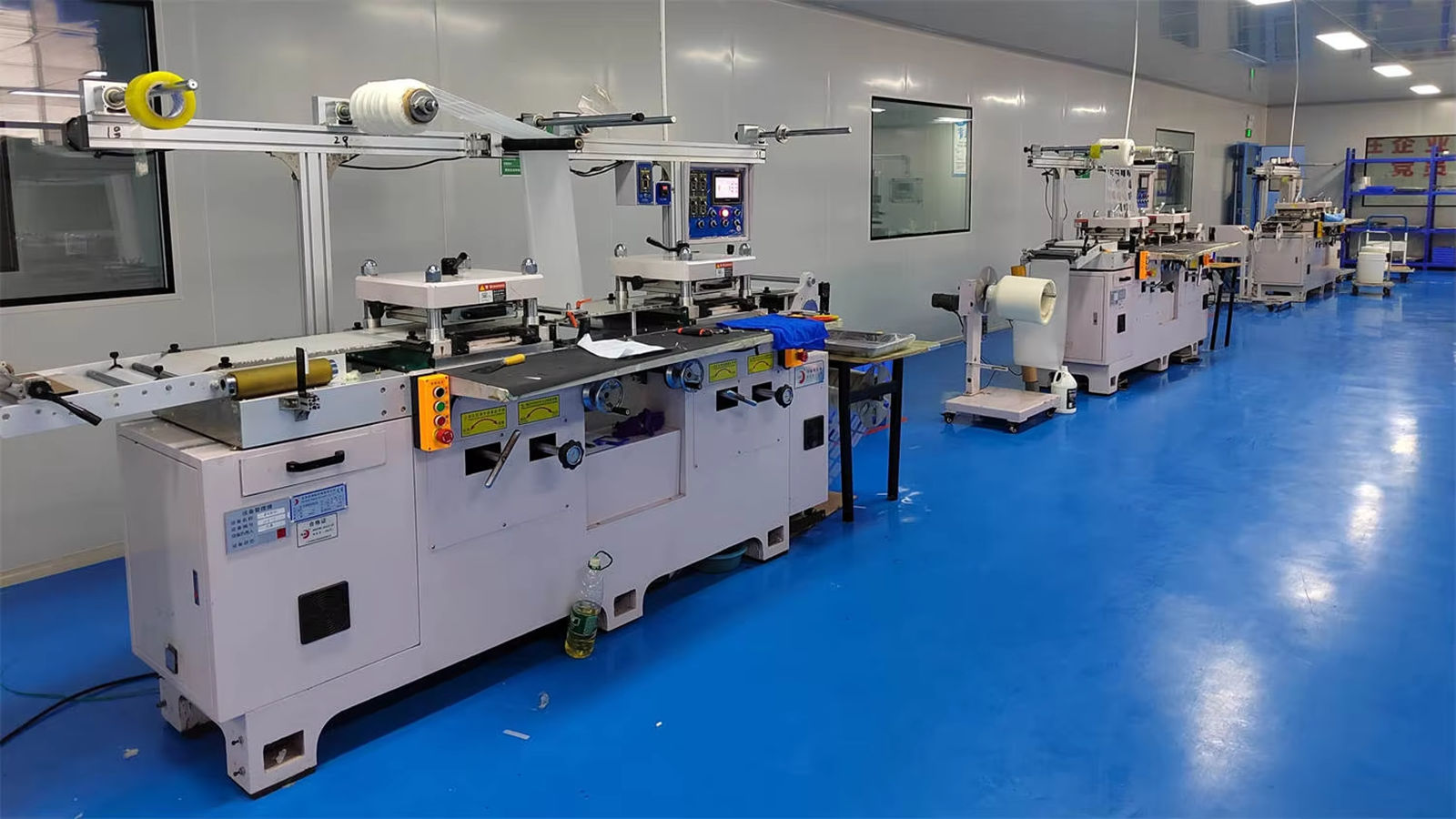
Die-cutting Process
Die-cutting
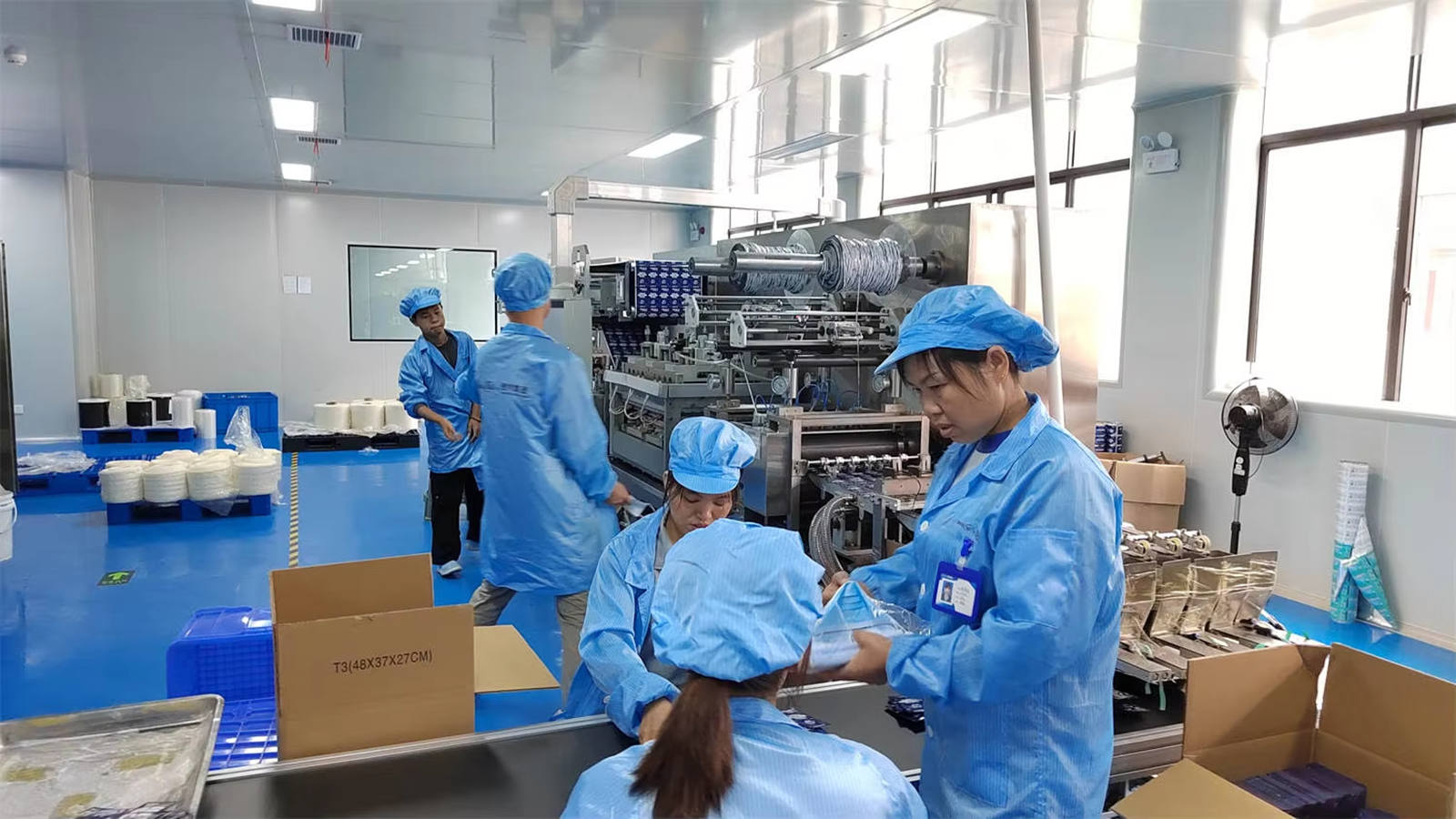
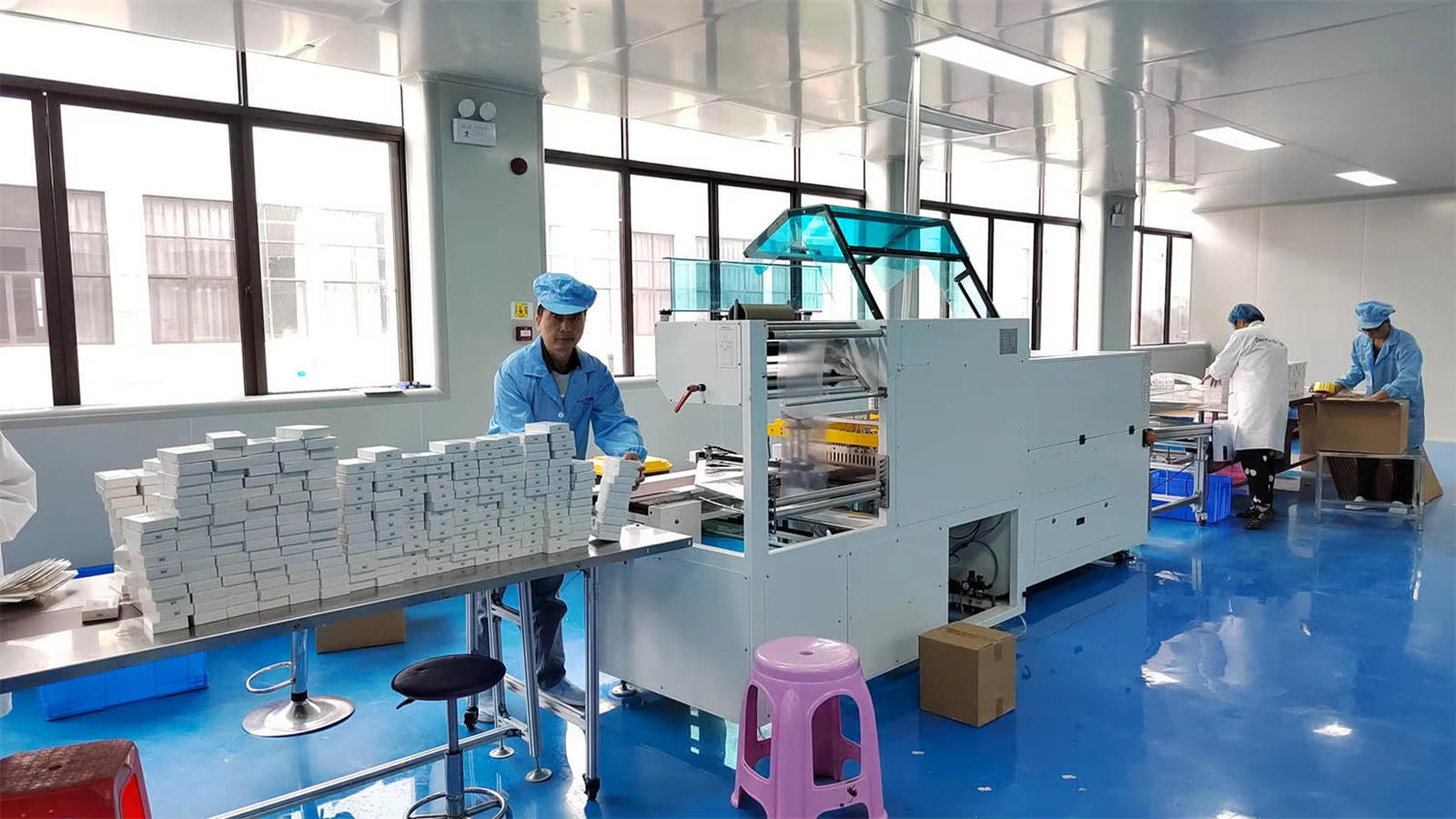
Inner Packing Process
Inner Packing
Outer Packing Process
Outer Packing
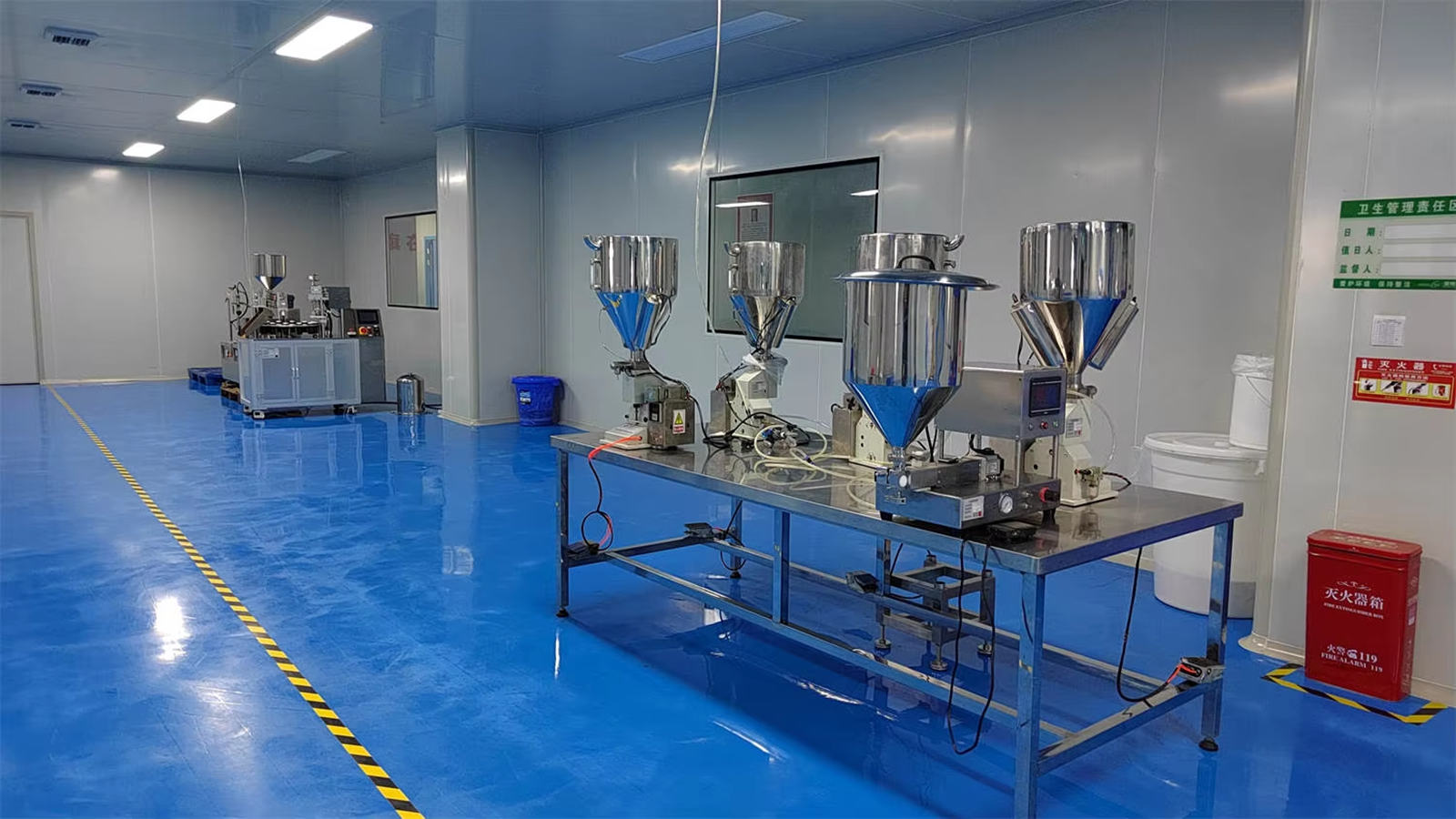
Vacuum Homogenizing Emulsifying Machine
Vacuum Homogenizer
Coating Line
Coating Line
Die-cutting Machine
Die-cutting Machine
Inner Packing Machine
Outer Packing Machine
Filling Machine
Filling Machine
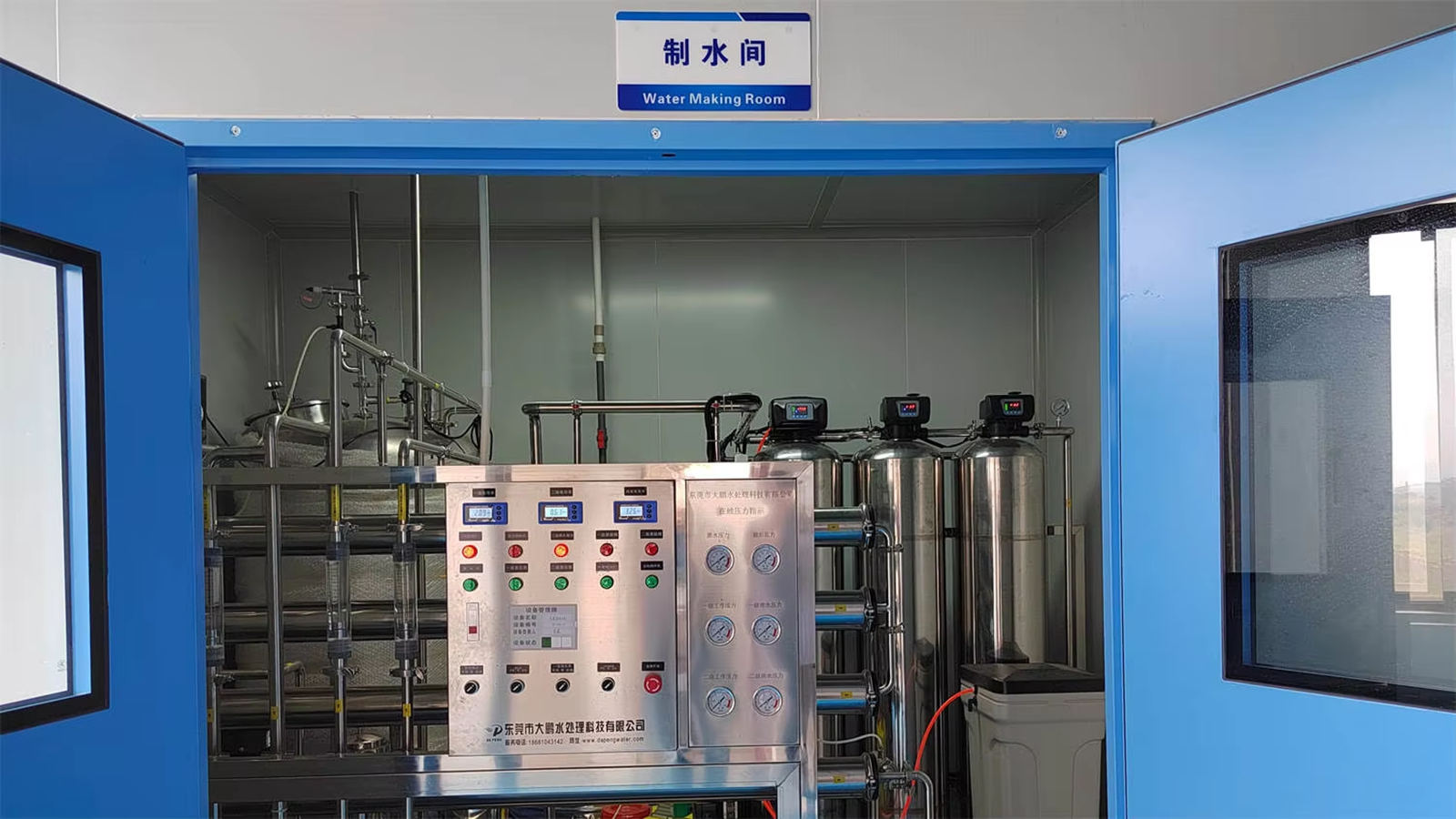
Water Making Machine
Water Making System
Horizontal Injection Molding Machine
Injection Molding
Ultrasonic Welder
Ultrasonic Welder

The Science of Ultrasonic Cavitation & Global Procurement Guide

1. Mechanical Principles of Cavitation Fat Loss

Ultrasonic cavitation is a non-invasive, body-contouring methodology utilizing focused, low-frequency sound waves. During treatment, specialized transducers deliver micro-oscillations directly to targeted subcutaneous fat depots. These sound waves generate localized compression and expansion cycles, creating microscopic vacuum bubbles within the intercellular spaces of adipose tissue.

As the acoustic pressure increases, these micro-bubbles expand beyond their structural limits and implode. This phenomenon, known as acoustic cavitation, generates localized shockwaves and thermal bursts that disrupt the fragile membranes of fat cells (adipocytes). The triglycerides contained within the ruptured adipocytes release into the interstitial fluid, where they dissociate into free fatty acids and glycerol. These metabolic byproducts are then cleared through the body’s lymphatic system and processed by the liver.

2. Macro-Industry Trends: The Surge in Non-Invasive Procedures

Global demand for non-surgical body contouring has grown substantially, driven by patients seeking effective treatments with minimal downtime. While traditional liposuction remains popular, the market has shifted toward technologies like ultrasonic cavitation, cryolipolysis, and radiofrequency (RF) skin tightening.

  • Zero Downtime Protocols: Modern patients prefer "lunch hour" treatments that allow them to return to daily activities immediately.
  • Multi-Technology Integration: Medical aesthetic centers favor platforms that combine cavitation, vacuum therapy, and multi-polar RF within a single system to maximize clinical utility.
  • Efficacy & Safety Assurance: Clinicians require devices with consistent, stable energy outputs to ensure reliable patient outcomes.

3. Technical Specifications & Quality Parameters

When selecting professional cavitation equipment, procurement officers should evaluate several key technical parameters:

  • Frequency Stability (28KHz - 40KHz): Low-frequency ultrasound penetrates deep enough to target subcutaneous fat while sparing surrounding tissues. Stability is essential, as fluctuations can reduce treatment efficacy.
  • Transducer Construction: High-grade piezoelectric ceramics ensure long-term durability and prevent energy output degradation over time.
  • Integrated Cooling Systems: Effective heat dissipation, using water recirculation and thermoelectric cooling (TEC), prevents transducer overheating and ensures patient comfort.
  • Smart Interface Configurations: Modern software allows operators to customize frequency sweeps and pulse widths based on the thickness of target fat layers.

4. B2B Procurement Best Practices

Distributors and clinic networks can optimize their purchasing process by focusing on specific operational standards:

  • Regulatory Certifications: Verify that the equipment meets international safety standards, such as the CE marking for the European Economic Area (EEA) and ISO 13485 quality systems.
  • Clinical Training & Onboarding: Partner with manufacturers that provide comprehensive user guides, clinical protocols, and treatment parameters to ensure staff can operate the devices safely and effectively.
  • Spare Parts Availability: Choose suppliers with established logistical networks that can quickly supply replacement transducers, seals, and handpieces.
  • OEM/ODM Capabilities: Established manufacturers like Beijing Durova offer customizable casing designs, software branding, and custom-tuned frequency channels to meet specific market demands.

5. Technical Development & Future Outlook

The next generation of cavitation systems will focus on enhancing precision and safety through integrated technological improvements:

  • Acoustic Impedance Feedback: Real-time monitoring systems will adjust ultrasonic output automatically based on the density of the target tissue, optimizing energy delivery.
  • Dual-Frequency Integration: Combining 28KHz and 40KHz frequencies in a single applicator will allow operators to target both deep and superficial fat layers within the same session.
  • IoT-Enabled Device Management: Connected systems will allow clinic owners to track treatment hours, run remote diagnostics, and update software over-the-air (OTA).

Frequently Asked Questions (FAQ)

Critical Technical and Operational Inquiries for Global Distributors and Aesthetic Clinicians

What is the clinical difference between 40KHz and 28KHz cavitation transducers?
The primary difference lies in the depth of penetration and tissue target density. A 28KHz transducer generates larger, more energetic micro-bubbles that penetrate deeper into the subcutaneous layers, making it suitable for dense adiposity. The 40KHz frequency targets superficial layers, making it ideal for localized fat deposits and body contouring on thinner anatomical zones.
Why is CE Certification and ISO 13485 crucial for importers?
CE certification indicates that the equipment complies with European health, safety, and environmental protection standards, facilitating customs clearance within the EU. ISO 13485 ensures that the manufacturing facility operates under a medical-grade quality management system. This ensures that every step of production—from material sourcing to quality control—meets strict international regulations.
How do you guarantee the longevity and safety of the handpieces?
Beijing Durova uses medical-grade stainless steel and aerospace-grade piezoelectric alloys for all cavitation transducers. We subject all components to rigorous quality control testing, including continuous ultrasonic loads for 48 hours, to verify energy stability and prevent safety issues like transducer thermal overload.
What customization (OEM/ODM) options are available?
We offer comprehensive OEM/ODM solutions. This includes custom structural chassis designs, multi-polar RF applicator integrations, localized software configurations, custom graphics, and specialized operating frequencies tailored to specific clinic requirements.