High-Demand Clinical & Home Beauty Equipment
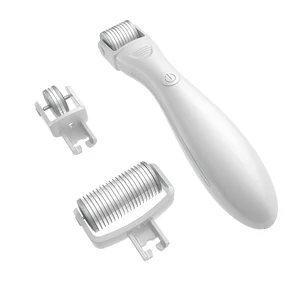
The global aesthetic industry has experienced a paradigm shift over the past decade. Previously restricted to clinical practices and high-end medspas, professional skincare technology has successfully migrated to the domestic sphere. Among these, home microneedling tools (such as electric derma pens, mechanical derma rollers, and automated serum-delivery systems) represent one of the fastest-growing categories in personal care device manufacturing.
According to comprehensive beauty market research, the global micro-channeling and microneedling market is expanding at a Compound Annual Growth Rate (CAGR) exceeding 8.4%. Consumers are looking for cost-effective, time-saving, yet clinical-grade treatments to combat micro-wrinkles, hyperpigmentation, acne scarring, and hair thinning. This consumer drive has generated a substantial wholesale requirement among international B2B distributors, e-commerce retailers, and brand owners who demand high-tier manufacturing consistency.
Consequently, procurement agencies look for partners that can guarantee CE Certification and adherence to international medical production frameworks. This regulatory alignment provides distributors with the security required to clear international customs and place products in major commercial channels without exposure to legal or structural risks.
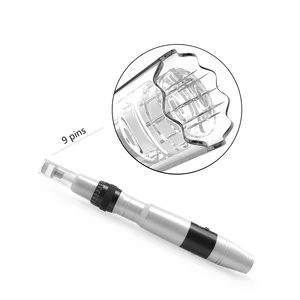
A compliant microneedling tool is a precision instrument designed with specialized metallurgical and structural configurations. At a micro-scale level, needles must create clean, vertical punctures (micro-channels) in the stratum corneum rather than scraping or micro-tearing the epidermis.
Home microneedling suppliers utilize two primary metals for pin construction:
Additionally, high-end devices now integrate advanced coatings, such as 24k gold plating, which provides hypoallergenic qualities to protect sensitive skin from nickel allergies.
In the European Union and other globally aligned markets, home-use microneedling devices are classified under strict medical regulations if they exceed a certain penetration depth (typically >0.25mm to 0.5mm). Suppliers must secure the CE Mark to verify that their tools meet these strict health, safety, and environmental standards.
The CE approval process requires suppliers to undergo rigorous audits, validating design safety, biocompatibility (ISO 10993), electromagnetic compatibility (EMC) for electric pens, and sterilization validation (typically using Ethylene Oxide - EO Gas). Procurement managers must ensure their suppliers possess these test reports to mitigate liability and maintain brand integrity.
Founded in 2014, Beijing Durova Beauty Co., Ltd. has grown to become a global supplier of aesthetic, beauty, and cosmetic hardware. Headquartered in Beijing, China, the company leverages regional supply chains, convenient transportation, and strong industrial resources to achieve efficient production cycles and rapid global distribution.
Our manufacturing ethos focuses on product consistency and safety. Many of our devices have secured CE certification, illustrating our focus on regulatory standards. We maintain a modern quality management protocol that spans raw material checking, mechanical alignment, automated sterilization, and post-packaging checks.
Our manufacturing facility features advanced machinery to handle custom injection molding, ultrasonic welding, precise fluid filling, and automated sealing. Below is an overview of our core industrial processes:
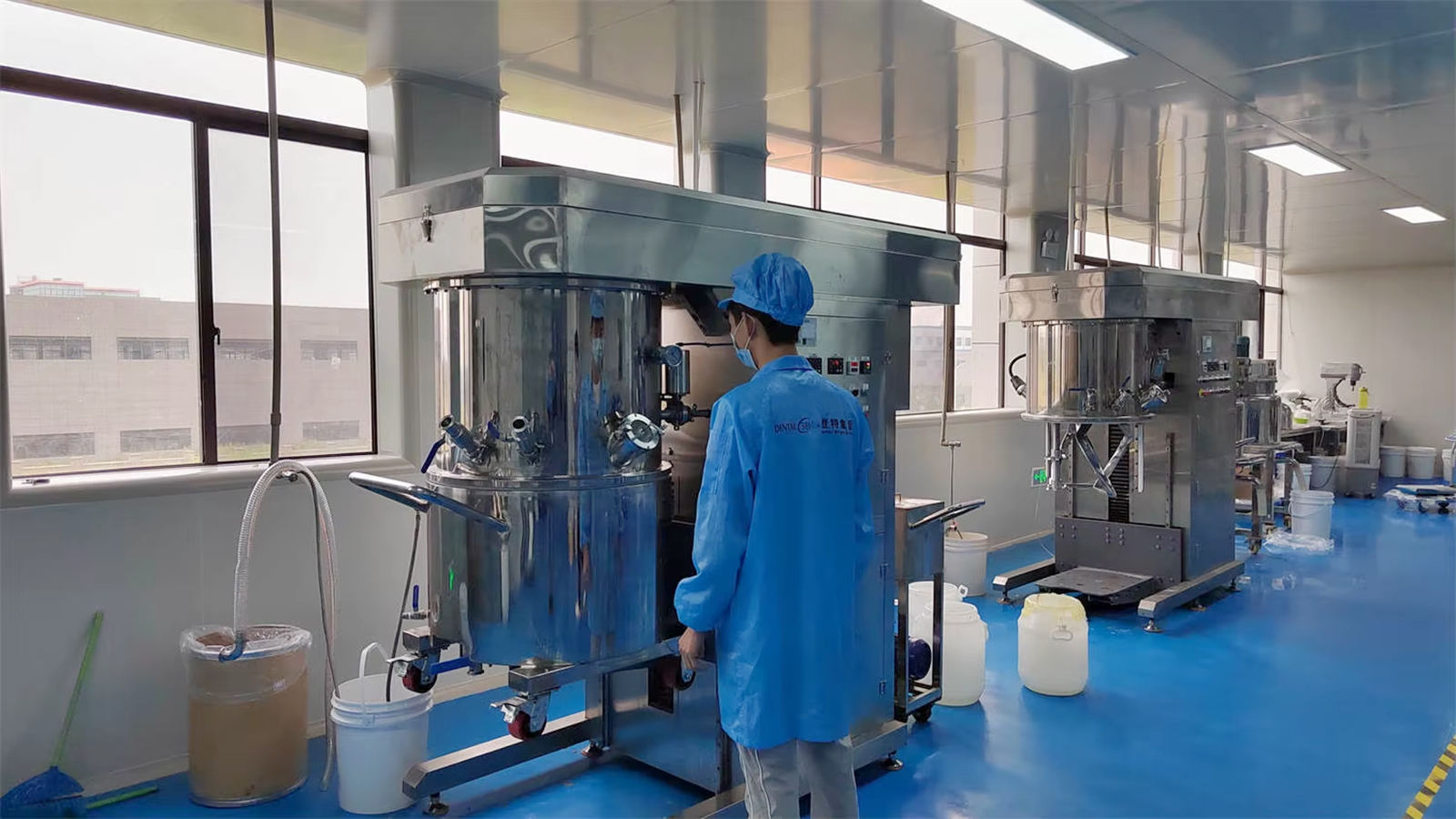
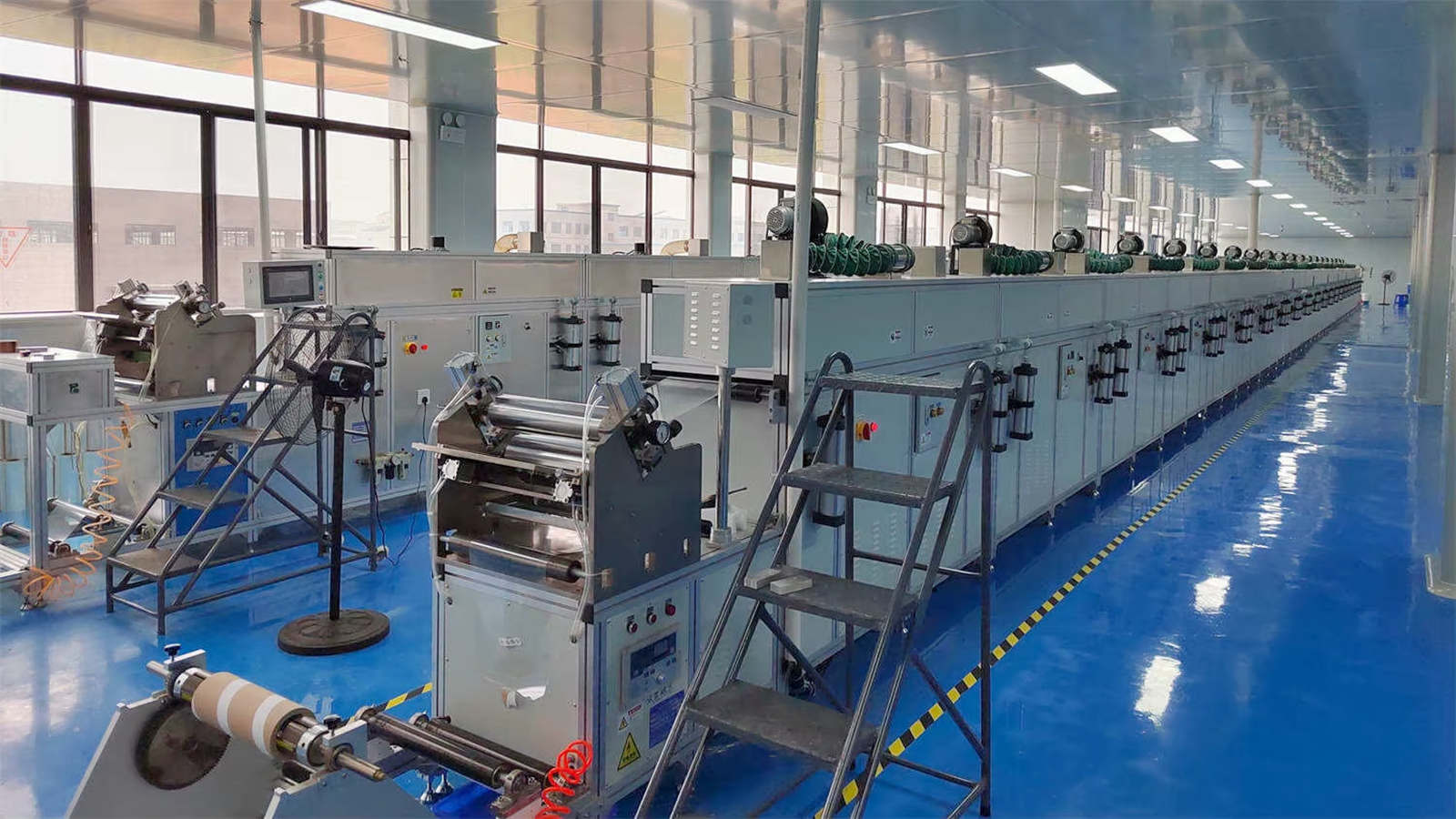
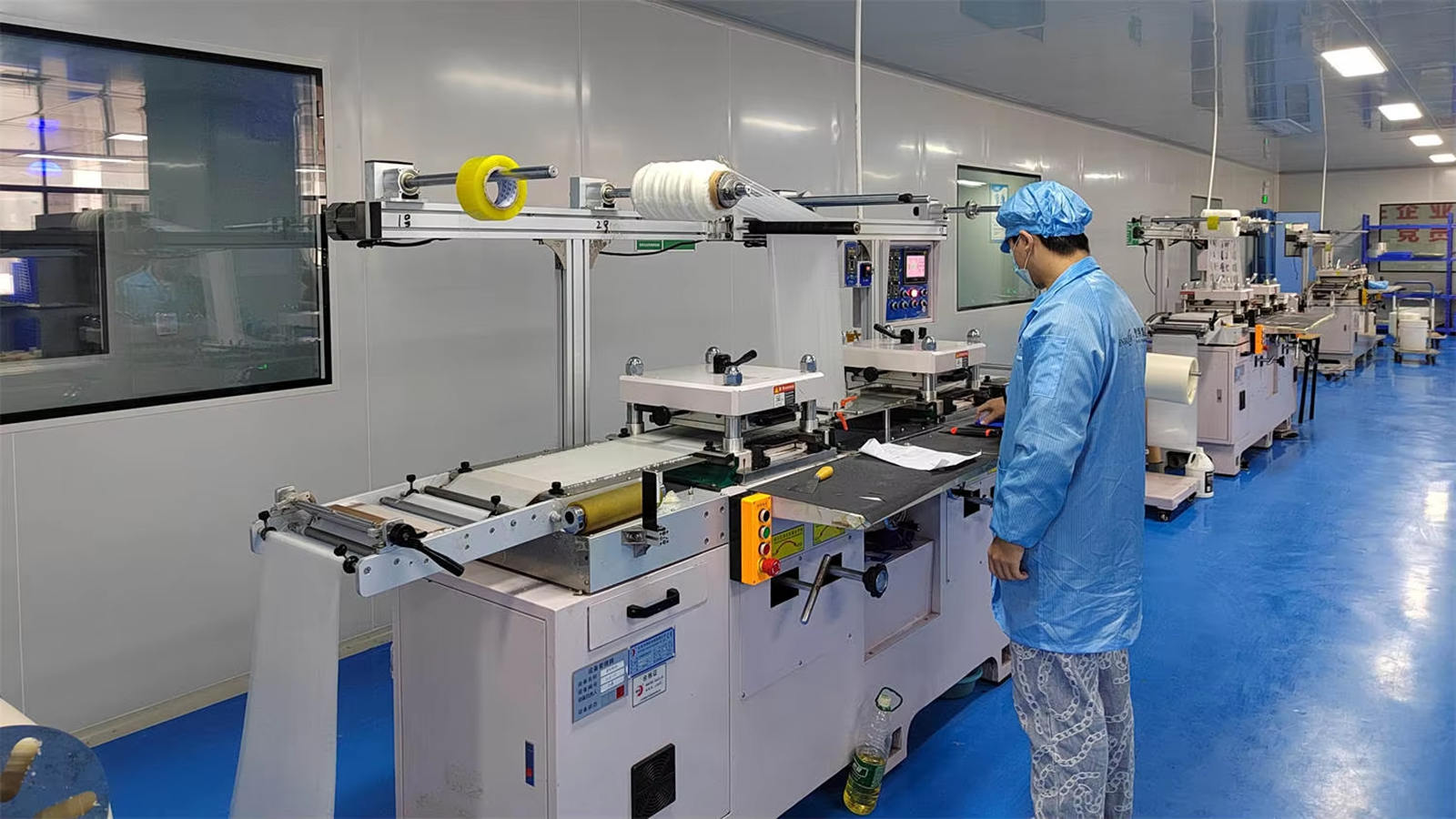
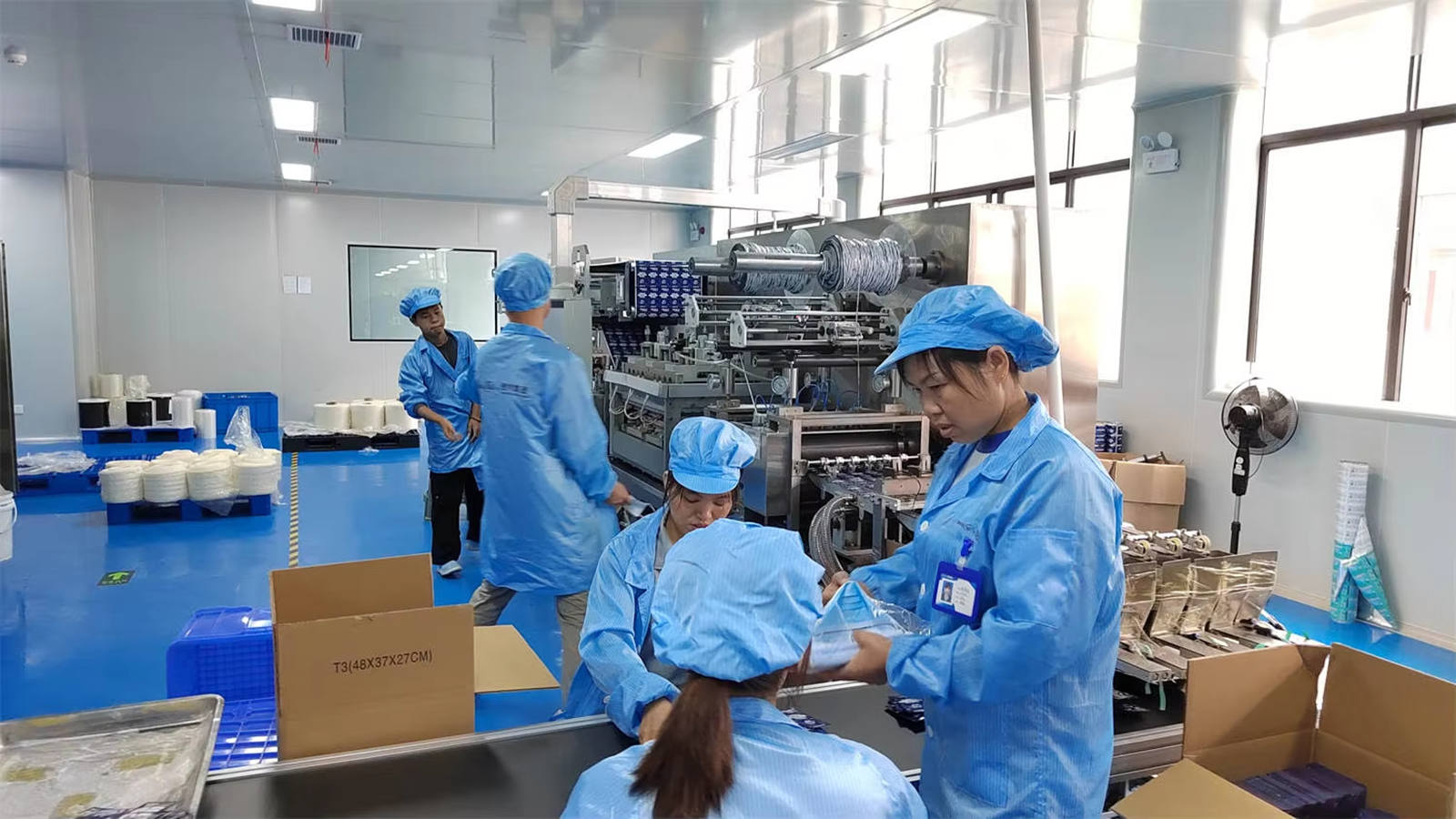
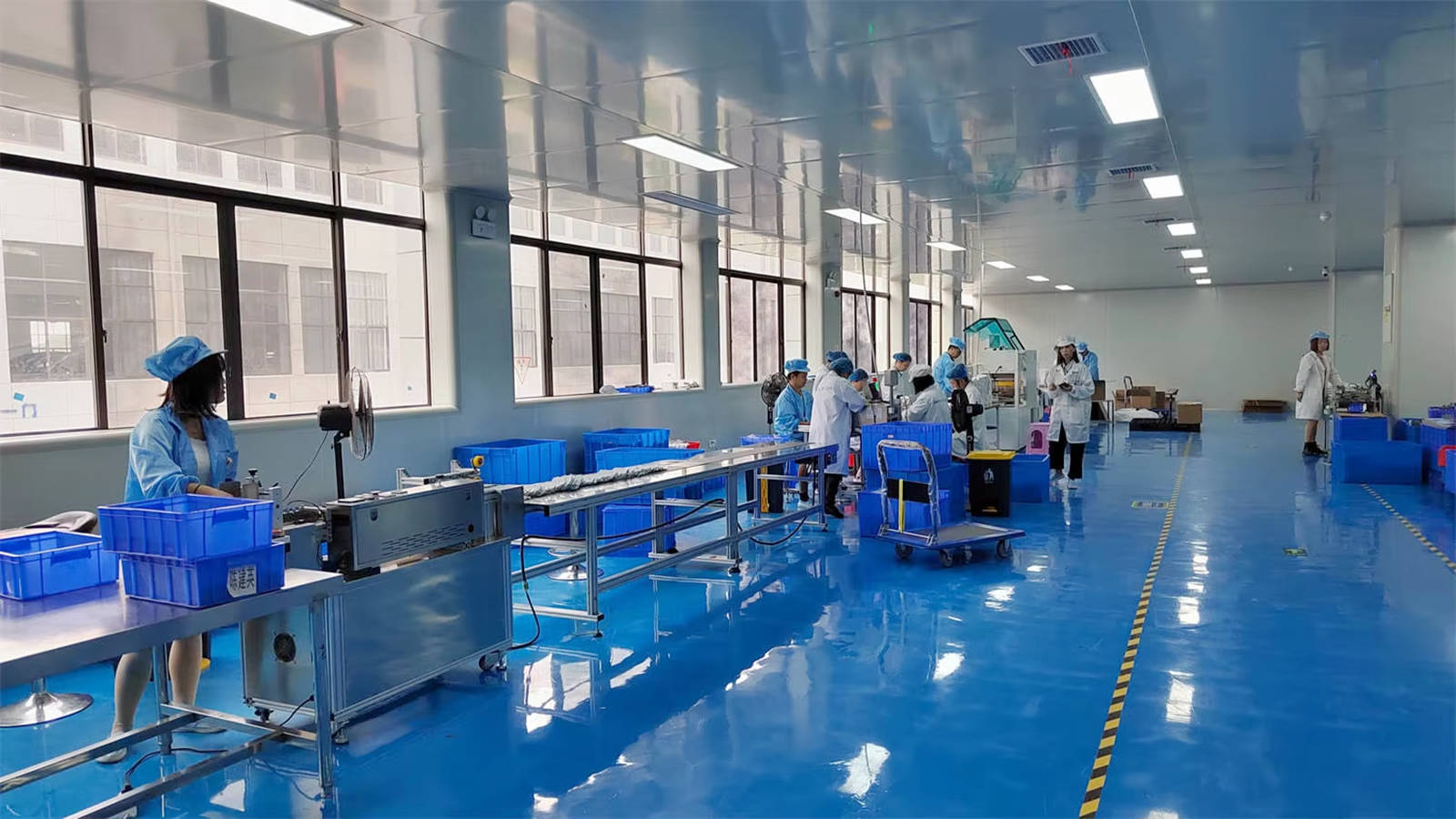
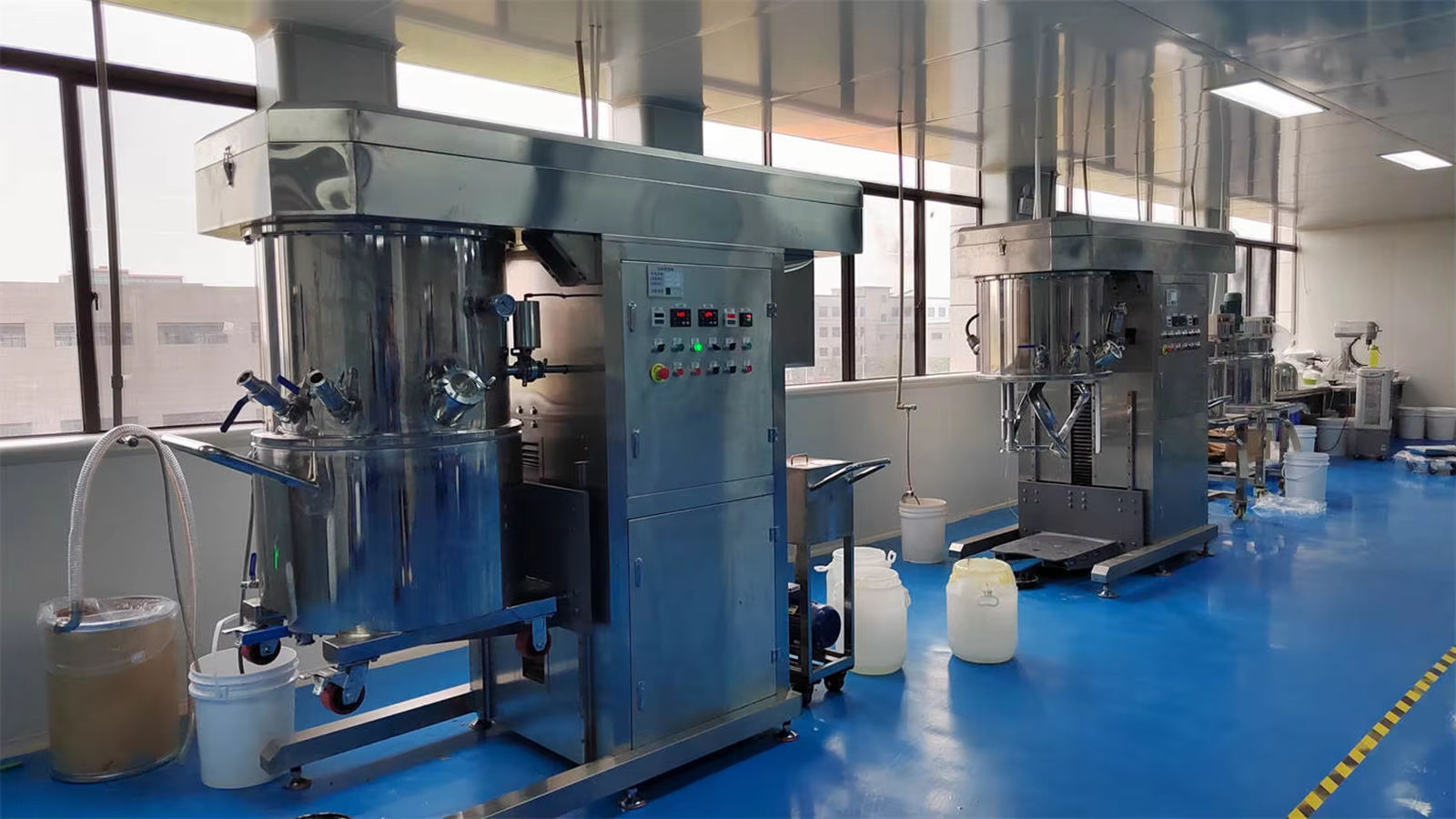
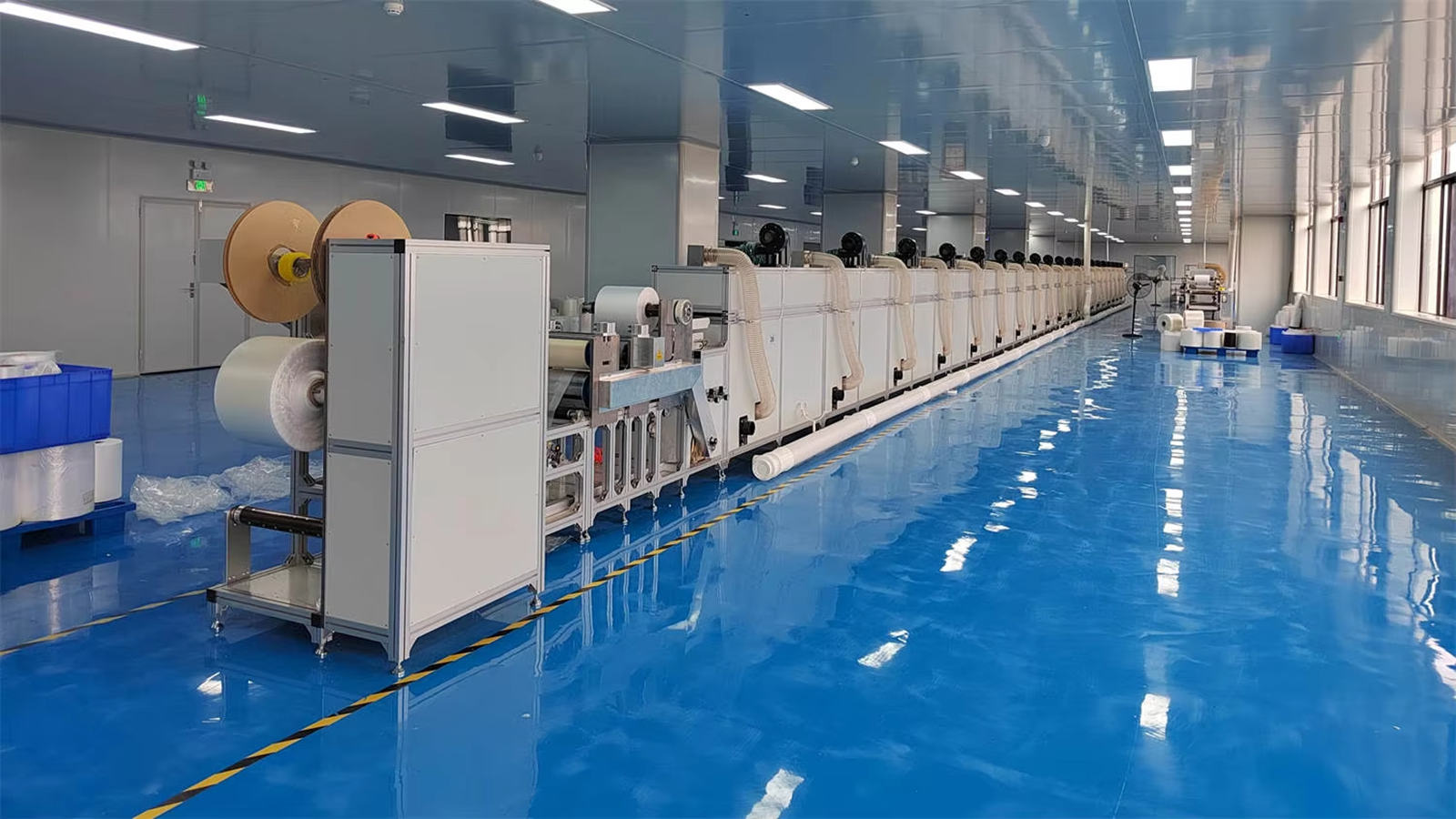
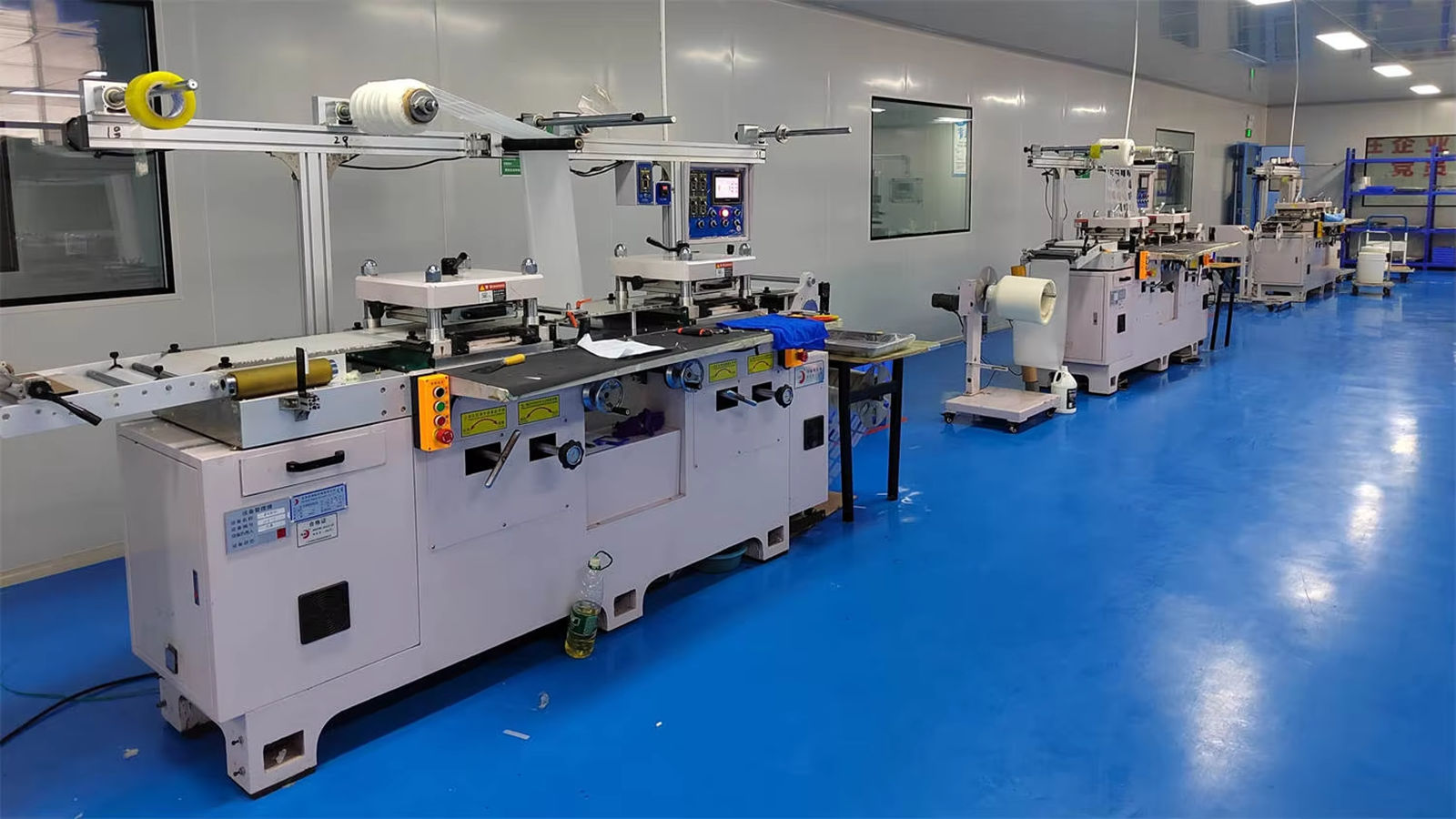
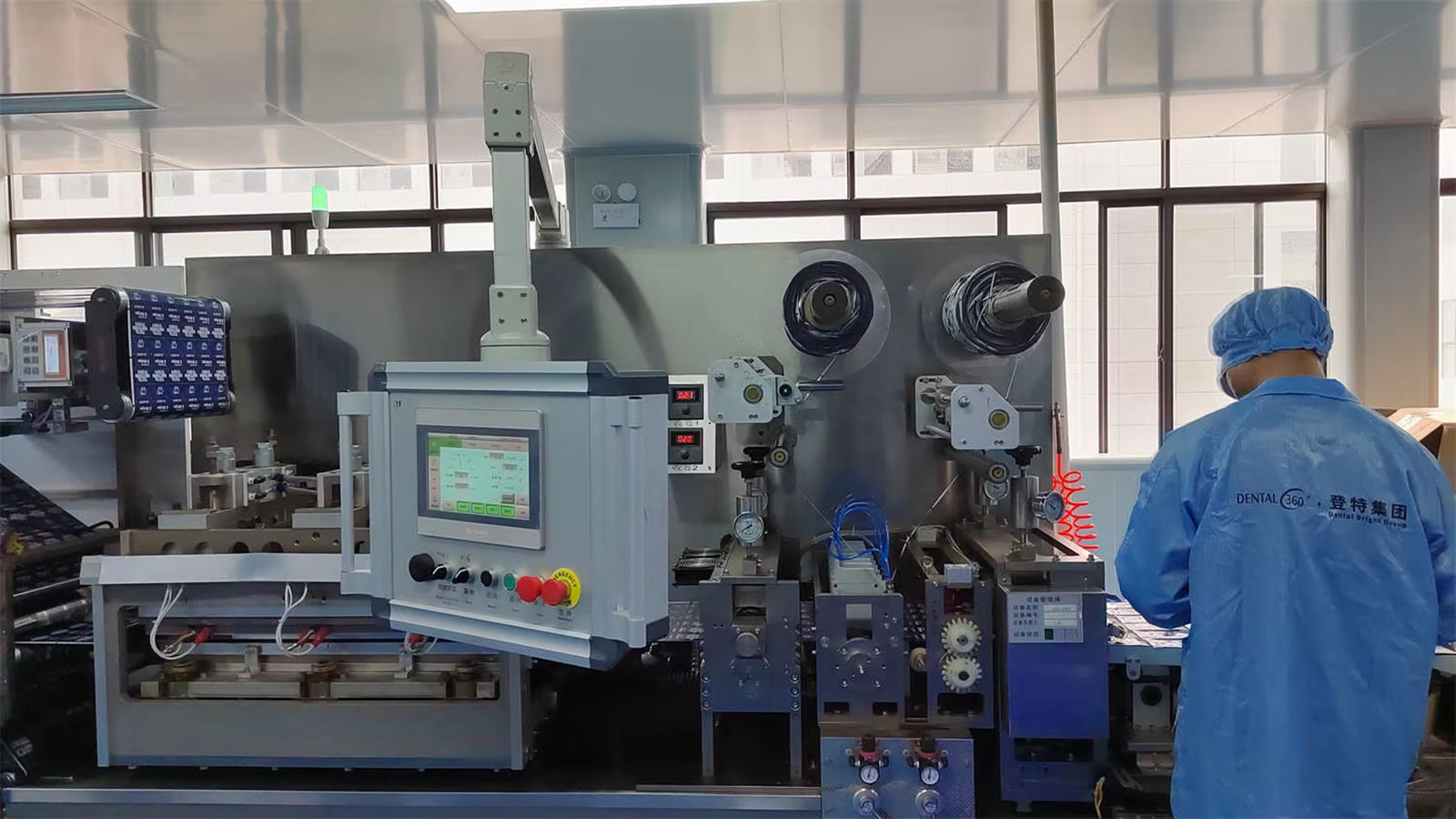
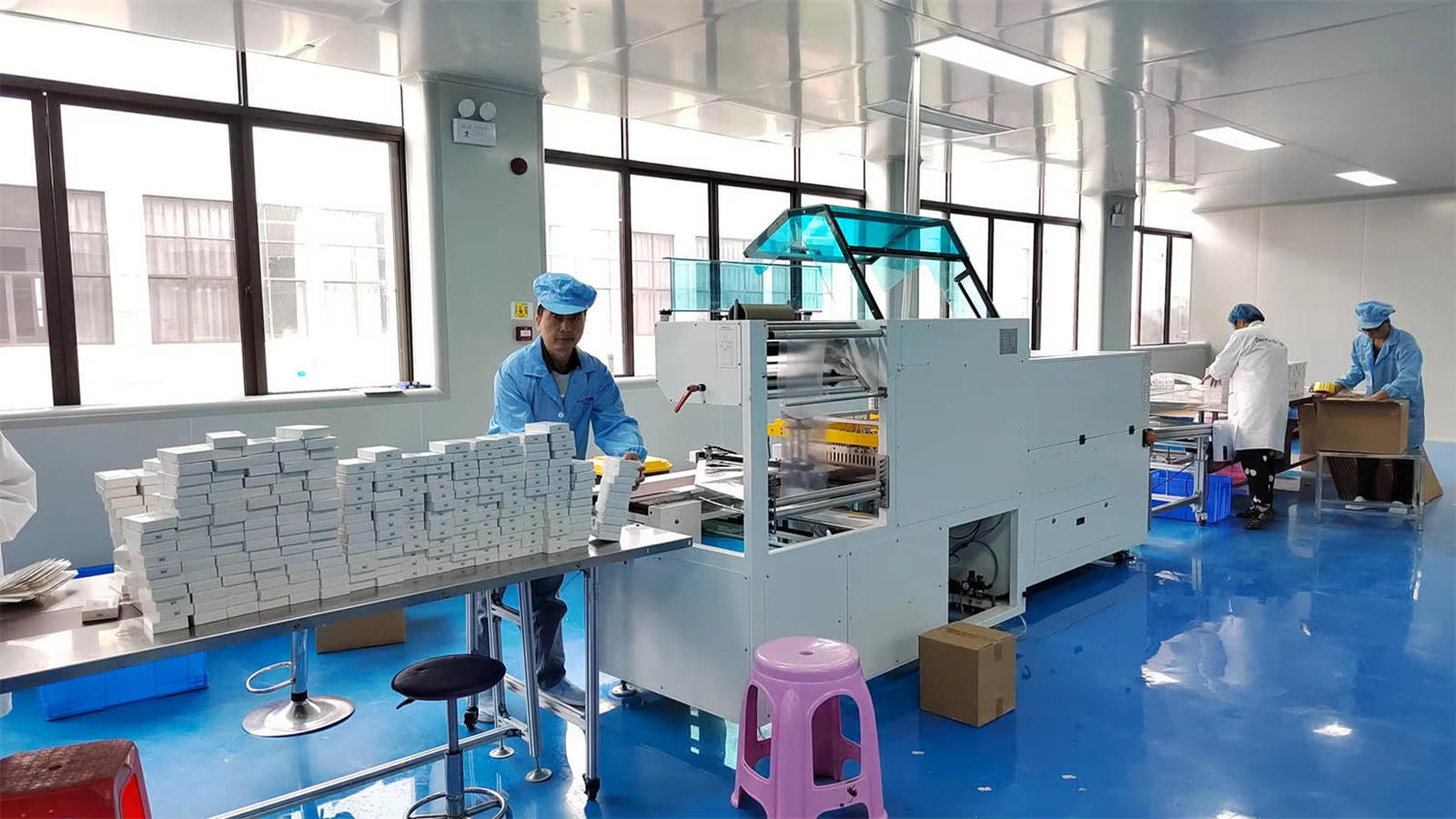
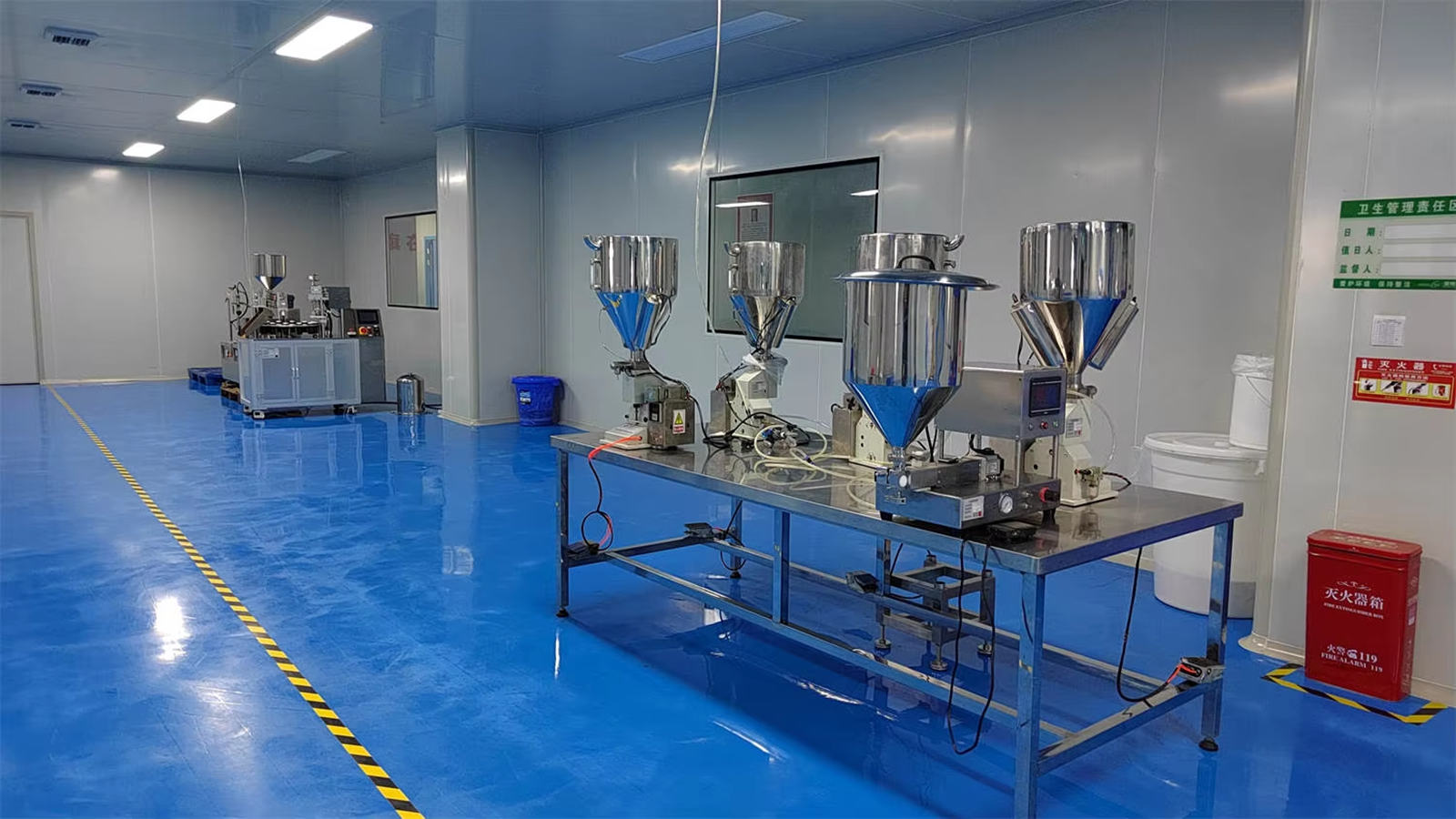
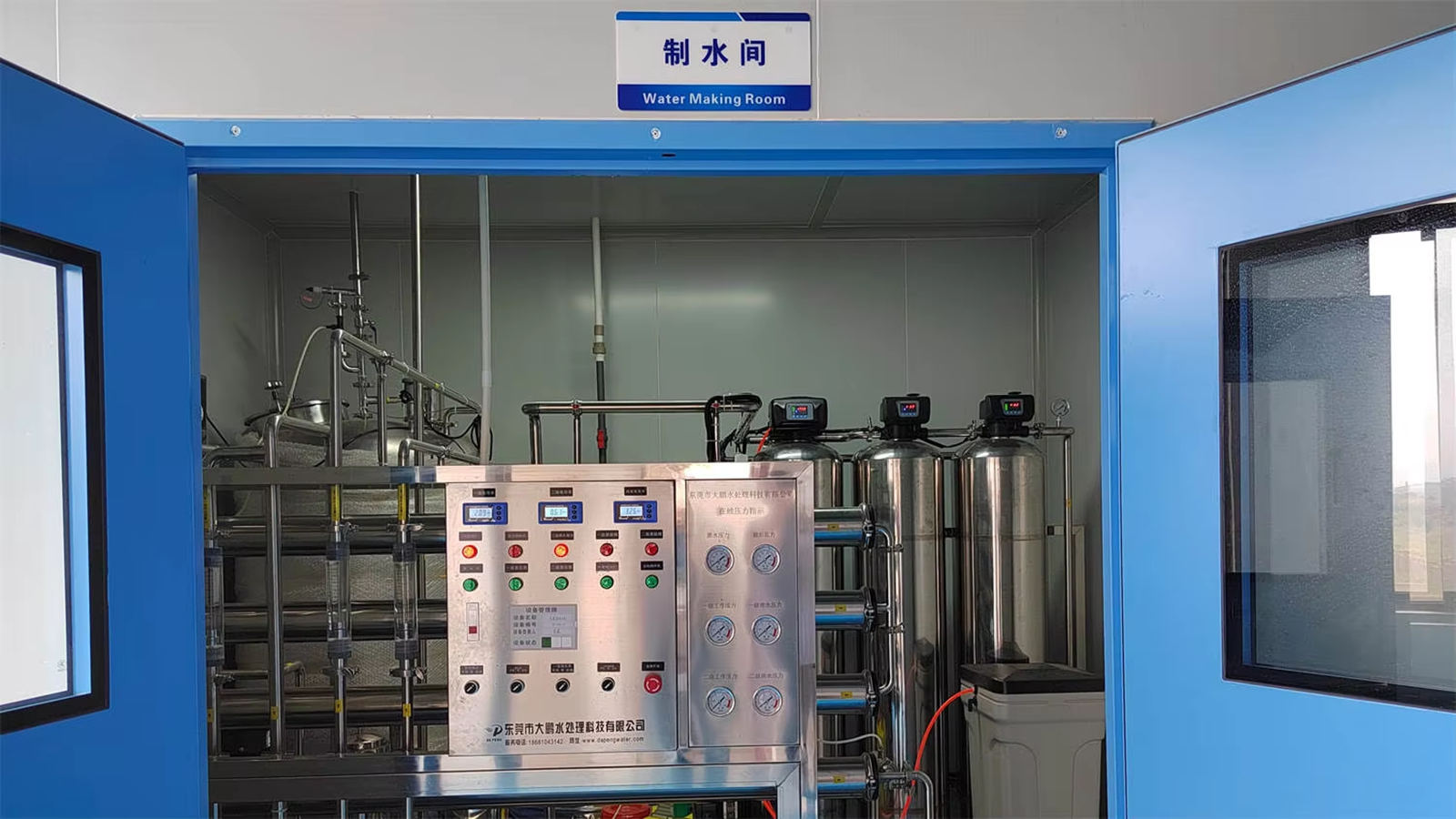
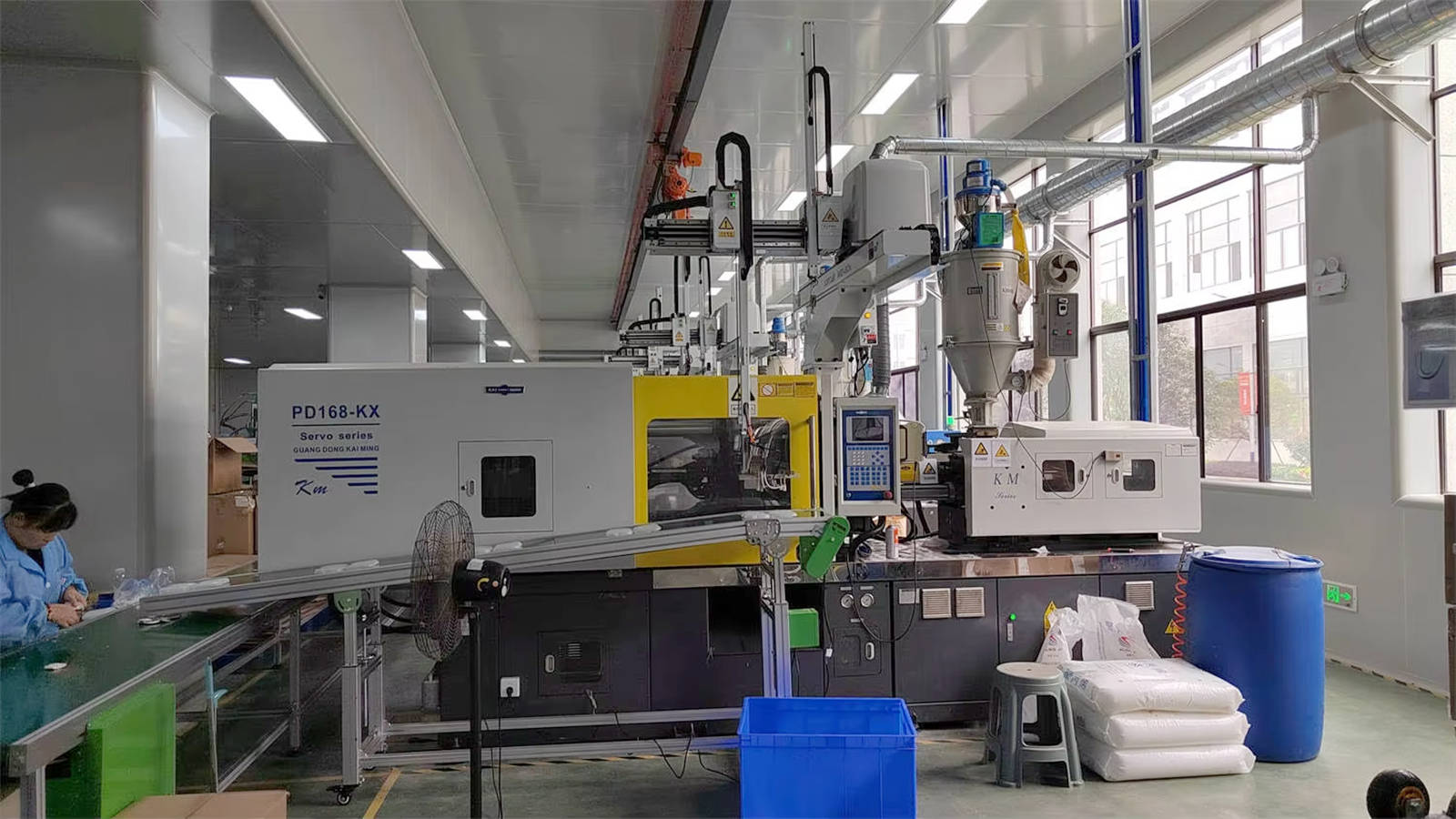
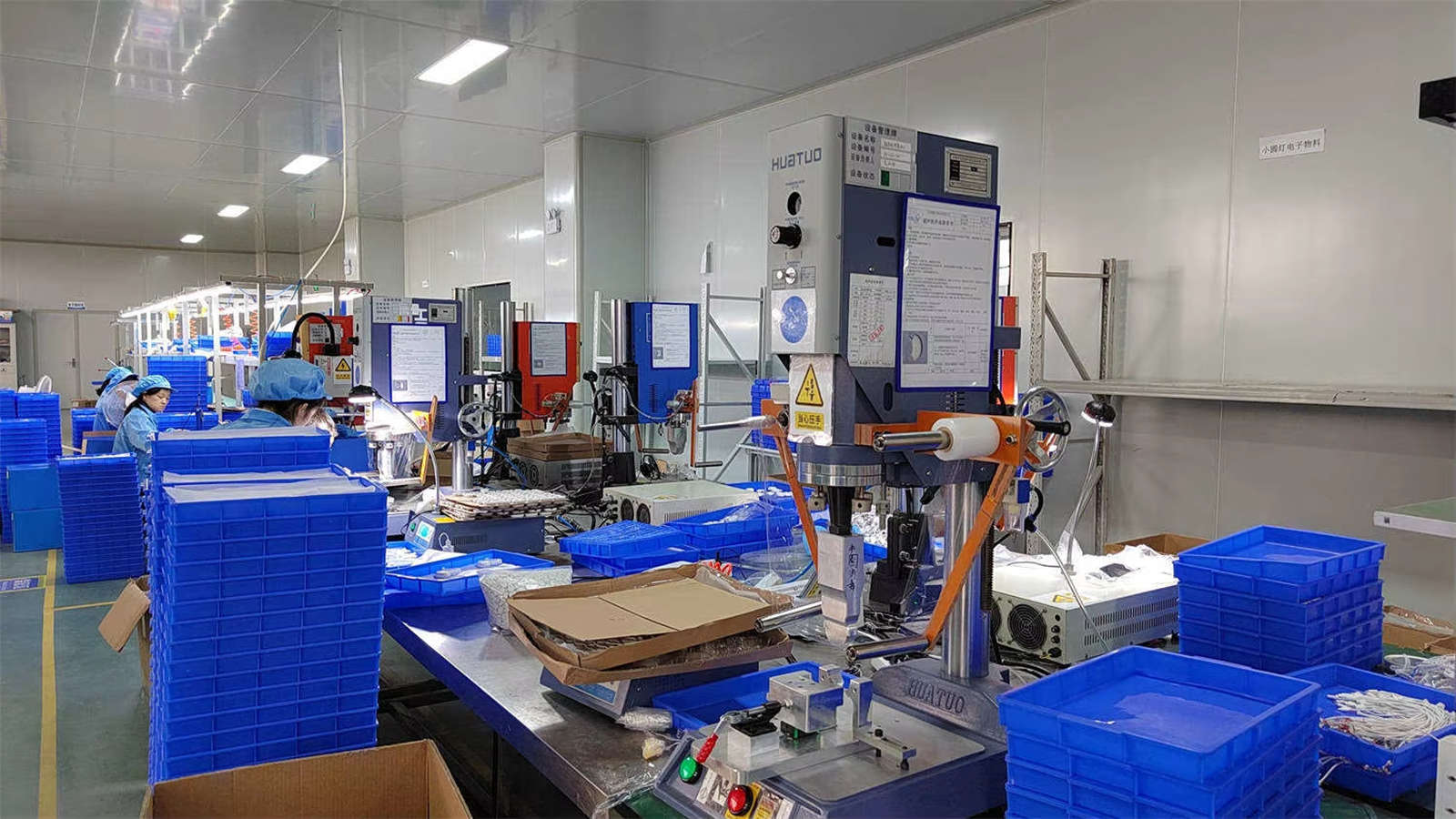
China's manufacturing sector remains the global benchmark for beauty electronics and hardware production. The convergence of upstream raw material suppliers, injection molding specialists, precision electronics manufacturers, and integrated logistics routes creates a highly competitive environment.
Beijing Durova Beauty Co., Ltd. leverages these advantages to benefit our B2B partners in several ways:
The microneedling industry is evolving beyond manual rollers. The integration of technology is creating new product categories that drive global market interest:
B2B buyers purchase home microneedling tools for several main applications:
Aesthetic clinics provide clients with low-depth (0.25mm) home care kits between clinical RF or laser treatments. This strategy helps maintain skin texture improvements and increases the practice's retail revenue.
Skincare and cosmetic brands co-pack micro-channeling rollers alongside active serums (such as hyaluronic acid, vitamin C, or peptide complexes). This combination increases product efficacy and raises the average order value.
Online retailers require reliable suppliers that offer custom branding, retail-ready packaging, and clear documentation. This regulatory alignment supports smooth operations on global e-commerce platforms.
Q1: Why is CE certification mandatory for importing home microneedling tools?
CE certification is a legal requirement in the European Economic Area (EEA) and is recognized in many global markets. It indicates that the product complies with EU health, safety, and environmental standards. For microneedling tools, which contact the skin, the certification verifies that materials are biocompatible, needles are sterilized, and any electronic parts comply with electrical safety standards.
Q2: What is the typical MOQ for custom OEM/ODM orders with Beijing Durova Beauty?
Our standard Minimum Order Quantity (MOQ) for custom branding (OEM), including custom colors, logo printing, and customized packaging, ranges from 500 to 1,000 units depending on the specific model. For wholesale of our standard inventory, the MOQ can be lower. Contact our B2B sales team to request a custom quote.
Q3: How does Beijing Durova ensure needle quality and prevent skin scratching?
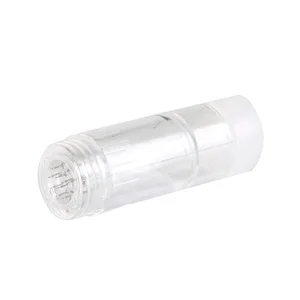
We use computerized die-cutting and injection molding machines to secure each needle at a precise 90-degree angle. During quality control, we inspect the needle tips under magnification to ensure there are no bent tips or burrs, preventing skin tearing or scratching during use.
Q4: What sterilization methods are used for the microneedle cartridges?
All our disposable needle cartridges undergo Ethylene Oxide (EO) gas sterilization. Each cartridge is individually sealed in medical-grade blister packaging with a sterilization indicator, protecting the tool's sterility until opening.
Q5: What are the main differences between manual derma rollers and electric derma pens?
Manual derma rollers enter and exit the skin at an angle, which can cause micro-tears if not used correctly. Electric derma pens insert needles vertically using an automated motor, reducing discomfort. Electric models also feature adjustable speeds and needle depths, and use disposable cartridges to improve hygiene.
Q6: What after-sales and technical support do you offer to distributors?
We provide a 1-year warranty on all electric devices. Our engineering team assists with technical troubleshooting, and we provide user manuals, video guides, and certificates to help our partners with localization and marketing efforts.
Professional and Home Skincare Devices
 Durova Beauty