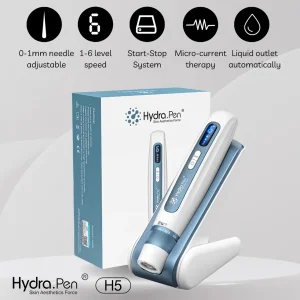
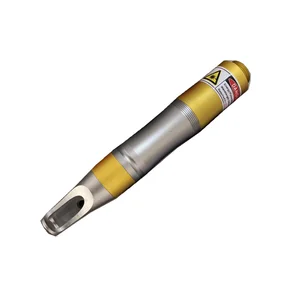
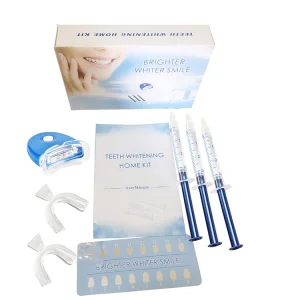
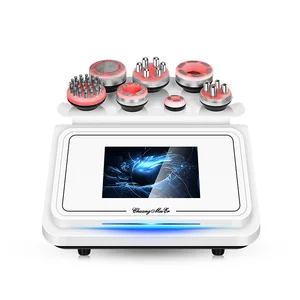
Explore our internationally certified aesthetic systems and advanced teeth whitening solutions designed for professional cosmetic integration.
The global professional aesthetic market has witnessed a major paradigm shift. The demand for advanced LED Teeth Whitening Systems has evolved from simple over-the-counter home cosmetics into complex clinical installations and brand-customized beauty platforms. According to international market analytics, the oral aesthetics sector is growing at a compound annual growth rate (CAGR) of over 6.5%. Procurement specialists representing beauty clinics, dental distribution networks, cosmetic franchises, and premium e-commerce brands are continuously searching for manufacturing partners capable of balancing cost structure with strict medical-grade safety standards.
When evaluating a Chinese manufacturer, professional buyers look for more than just a standard pricing sheet. They require deep technical and commercial documentation regarding spectral distribution, radiant intensity (irradiance), biocompatibility of materials, and batch consistency. In an industry flooded with low-performance novelty lighting setups, establishing a partnership with an authentic industrial manufacturer like Beijing Durova Beauty Co., Ltd. offers buyers significant structural advantages, ensuring long-term product viability, customer safety, and strong regulatory compliance.
Our core mission since establishment in 2014 has been to engineer high-efficiency, photothermally stable LED engines that safely trigger gel active ingredients, eliminating the risk of gingival tissue burns and transient tooth sensitivity. By optimizing the wavelength emission curve, we provide international brands with products that offer a clear market advantage.
Essential criteria for assessing professional LED manufacturing partners.
Emission range controlled within 460nm-490nm (blue) and 620nm-640nm (red).
Advanced heat dissipation prevents temperature rise in the dental pulp cavity.
Equipped with CE (MDR compliance path), RoHS, and biocompatible material reports.
Modern dental whitening relies heavily on photo-chemical oxidation. Using specific wavelengths of light accelerates the release of free radicals from peroxide-based formulas, speeding up the stain-removal process.
When hydrogen peroxide ($H_2O_2$) or carbamide peroxide ($CH_6N_2O_3$) is applied to the enamel surface, the gel penetrates the prism structure to reach chromophores inside the dentin. The natural breakdown of peroxide is a relatively slow process. However, introducing specific wavelengths of light causes a significant photo-chemical acceleration:
An analysis of the key differences between various teeth whitening light source options:
| Technology Parameter | Standard Blue LED Array | High-Output Semiconductor Laser | Traditional Halogen Source |
|---|---|---|---|
| Wavelength Precision | High (Narrow-band ±10nm) | Ultra-High (Monochromatic ±1nm) | Poor (Broad-band spectrum) |
| Working Wavelength | 465nm Blue / 630nm Red | 488nm / 810nm (Infrared) | 380nm - 700nm (Unfiltered broad spectrum) |
| Heat Generation Profile | Very Low (Cold light, requires minimal dissipation) | Moderate (Targeted heat, requires spot cooling) | High (Requires heavy filtration and cooling fans) |
| Clinical Safety | Excellent (Safe for home and clinic settings) | High (Requires direct professional supervision) | Moderate (Elevated risks of enamel dehydration) |
| System Lifespan | > 50,000 Hours | > 20,000 Hours | < 3,000 Hours |
| Manufacturing Cost | Optimized (Ideal for scaled production) | High (Suited for premium medical applications) | Low (Outdated technology, declining use) |
Located in Beijing, China, Beijing Durova Beauty Co., Ltd. operates a modern manufacturing facility configured specifically for global OEM/ODM production. By utilizing automated and semi-automated production machinery, we maintain tight control over product consistency, build quality, and unit economics.
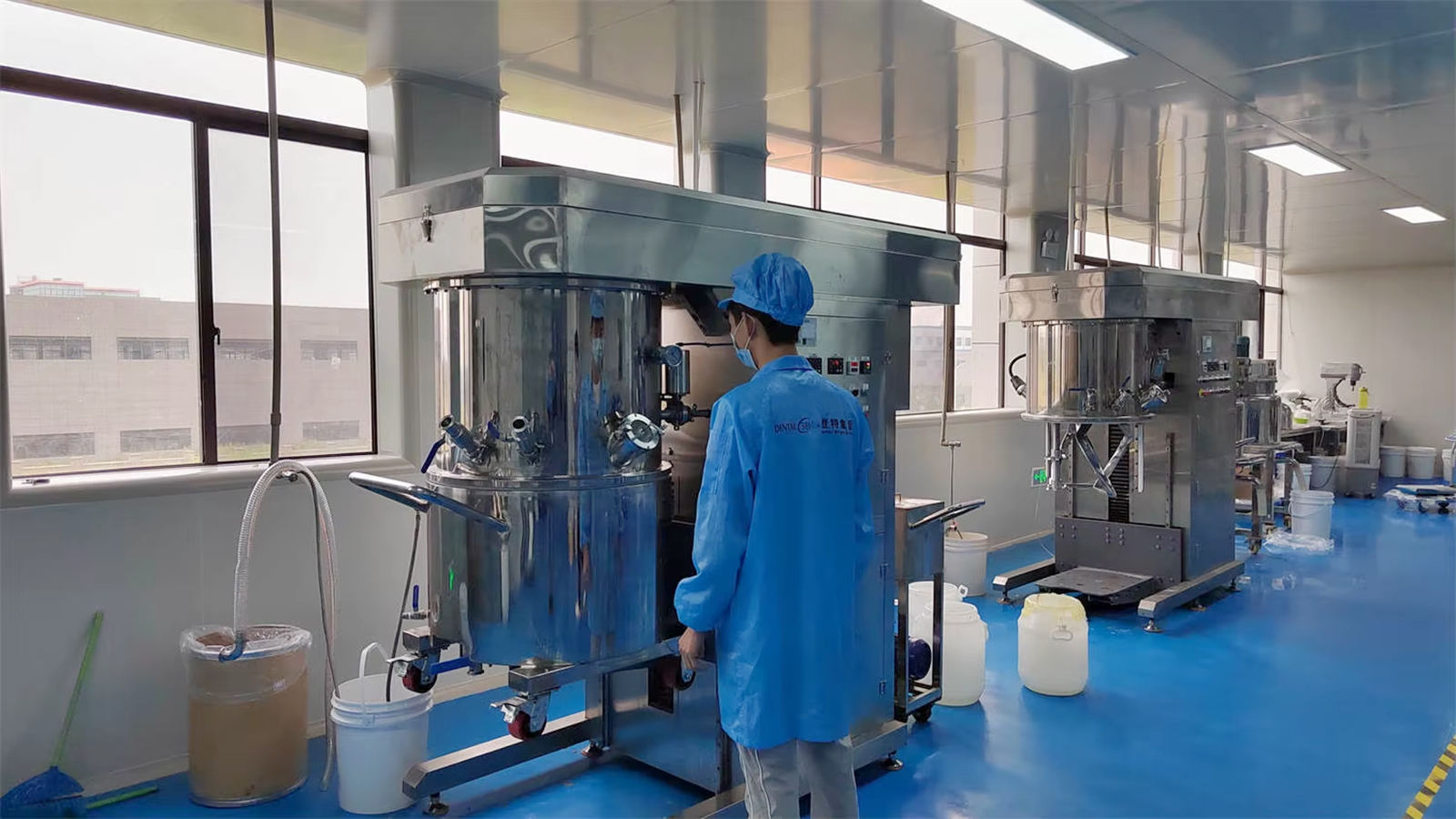
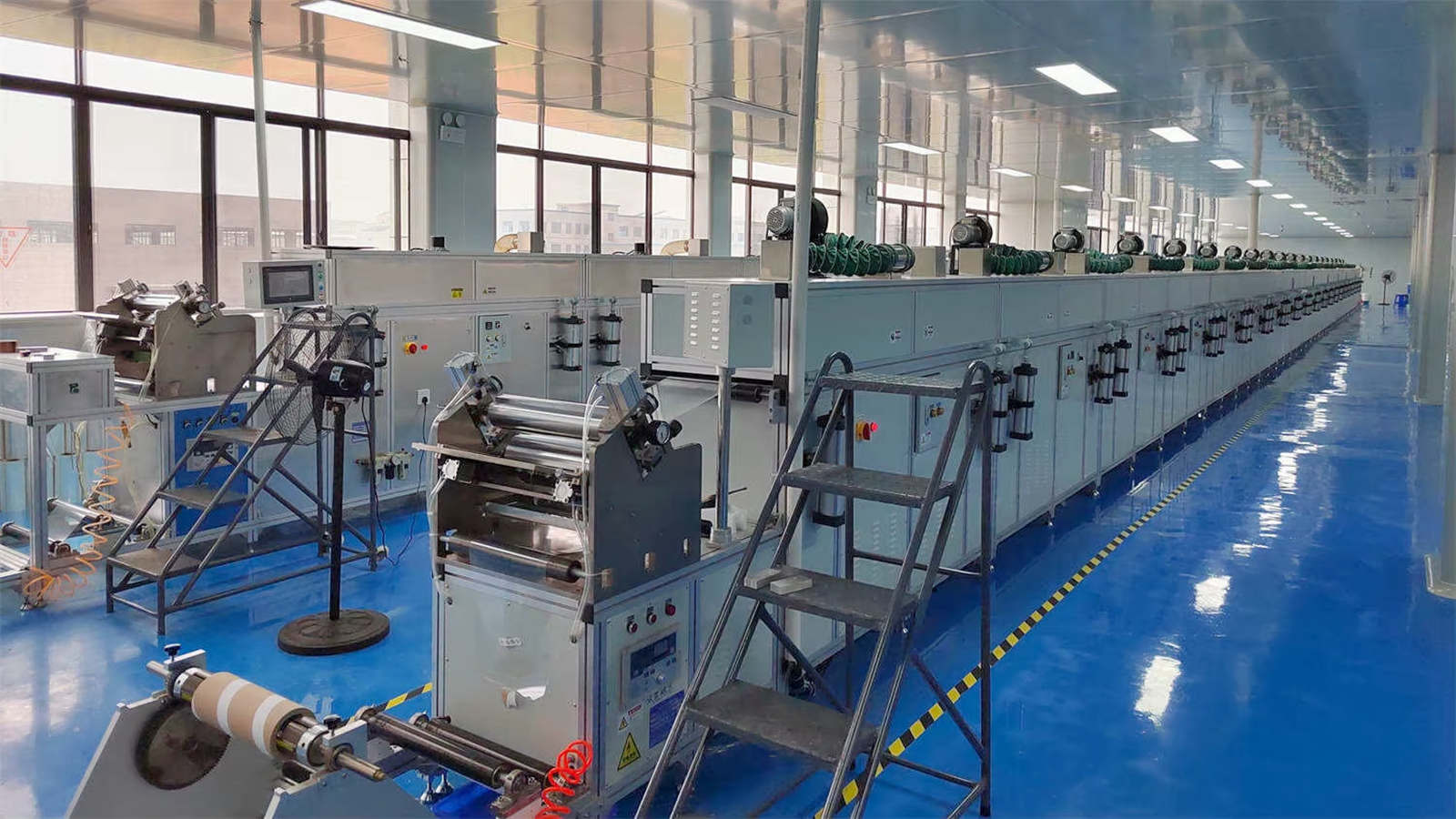
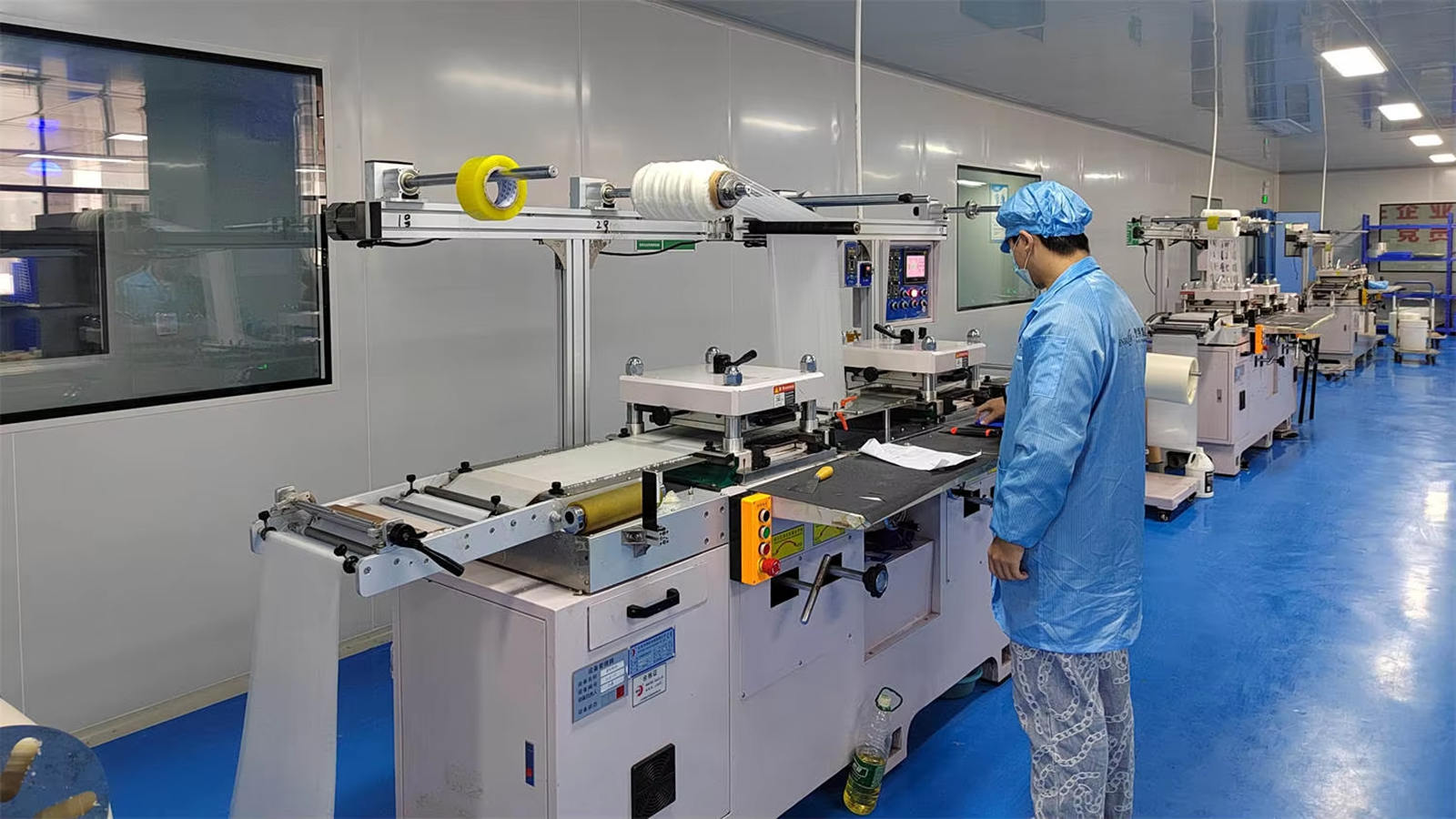
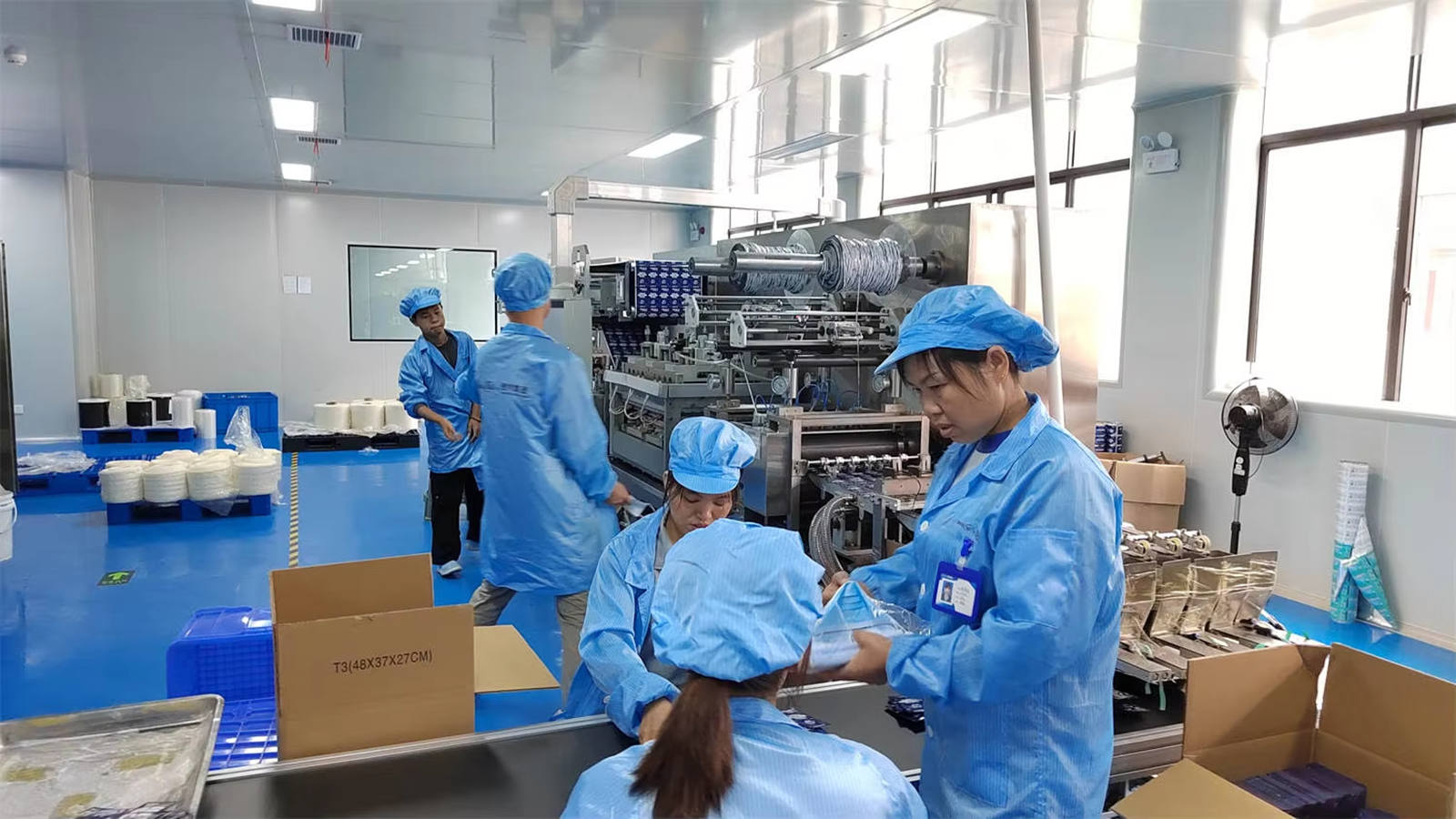
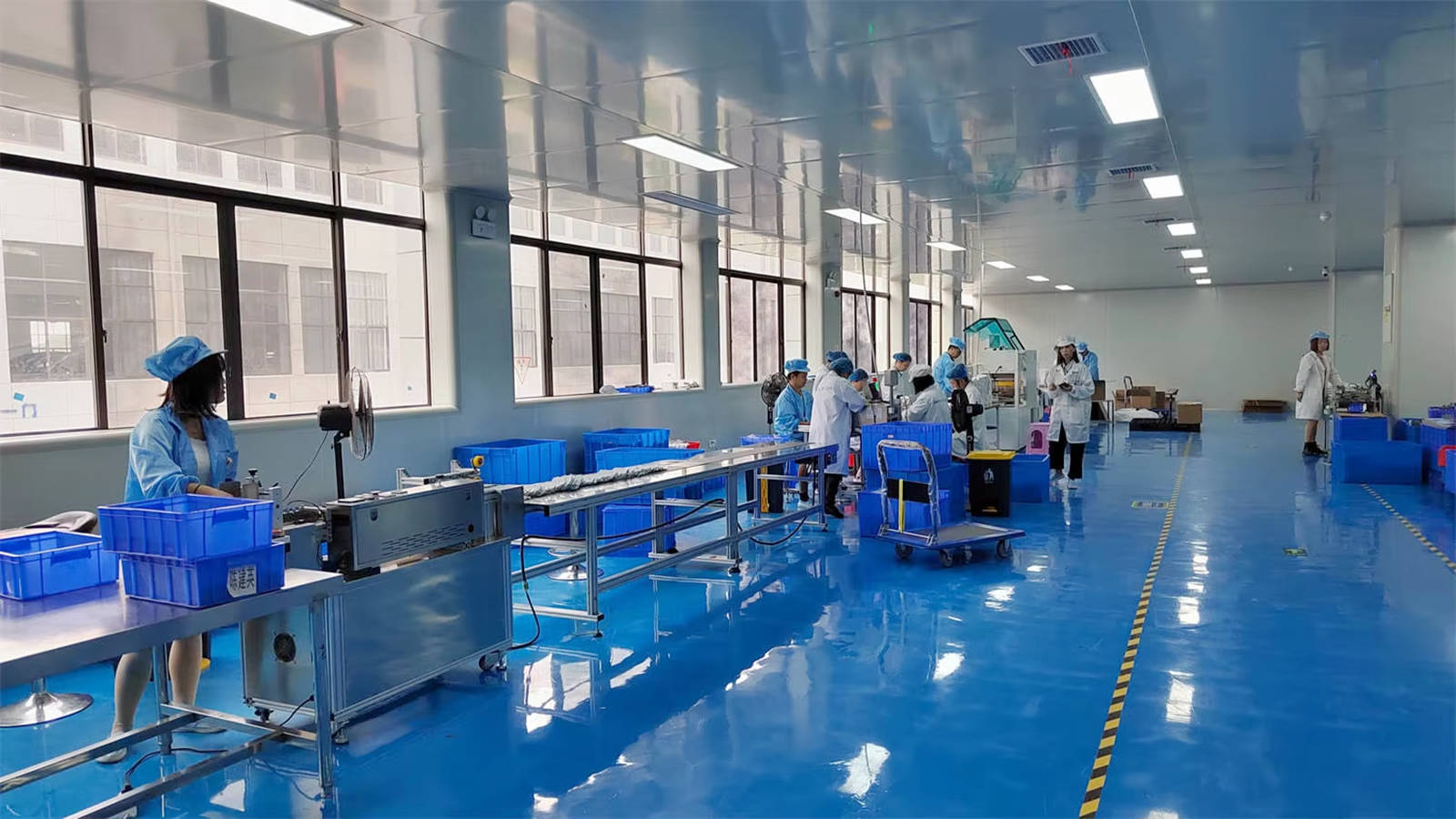
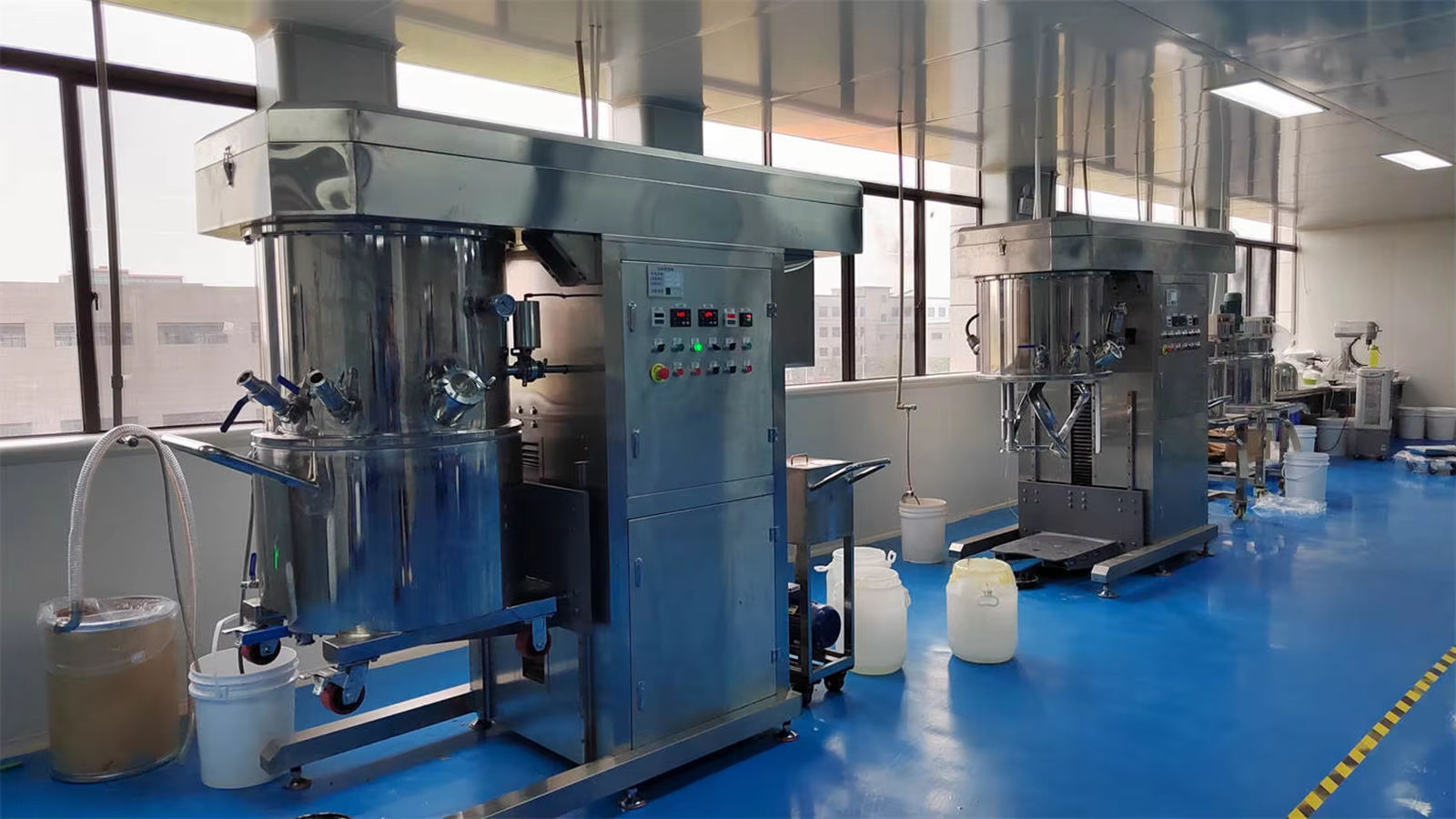
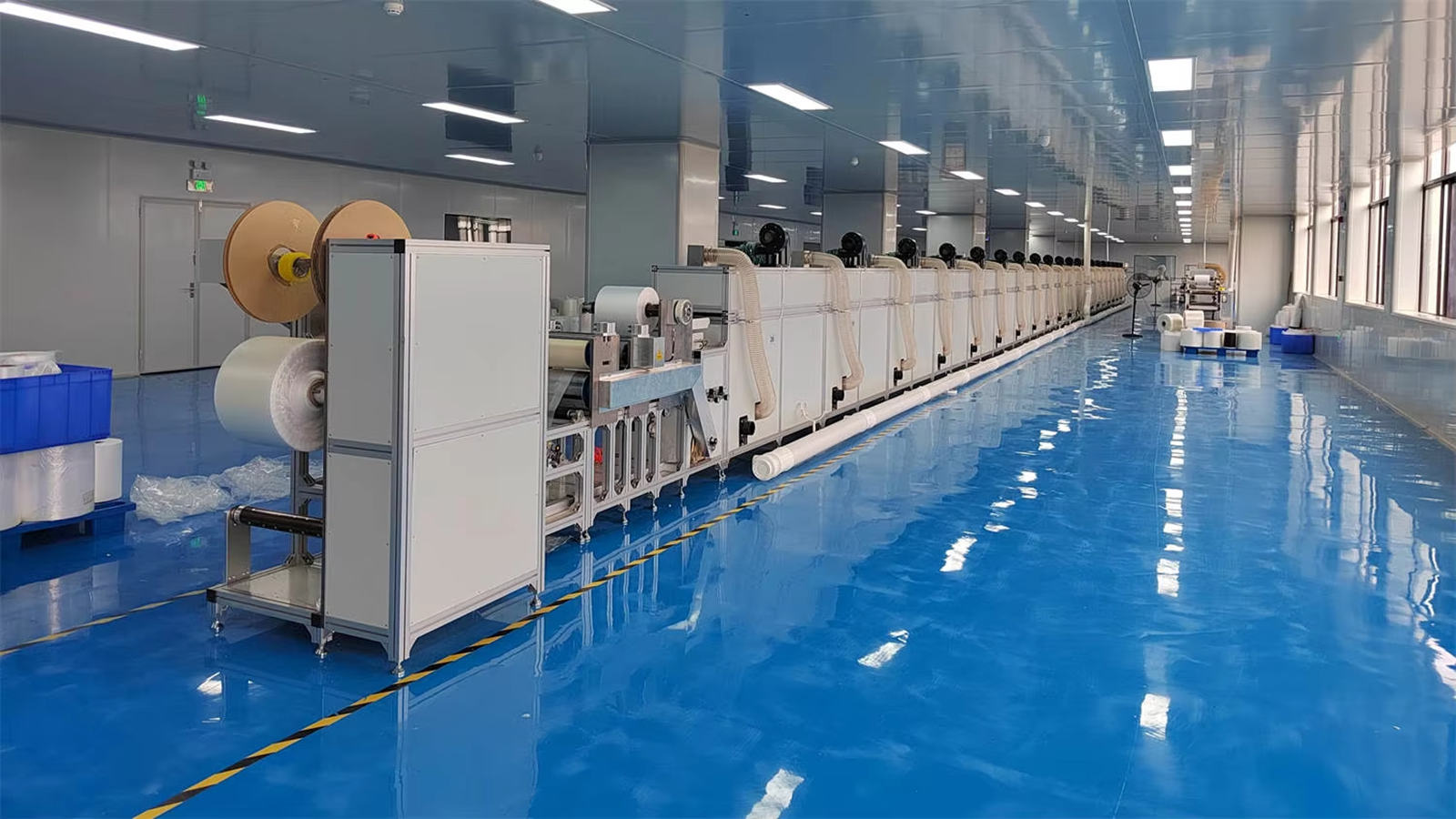
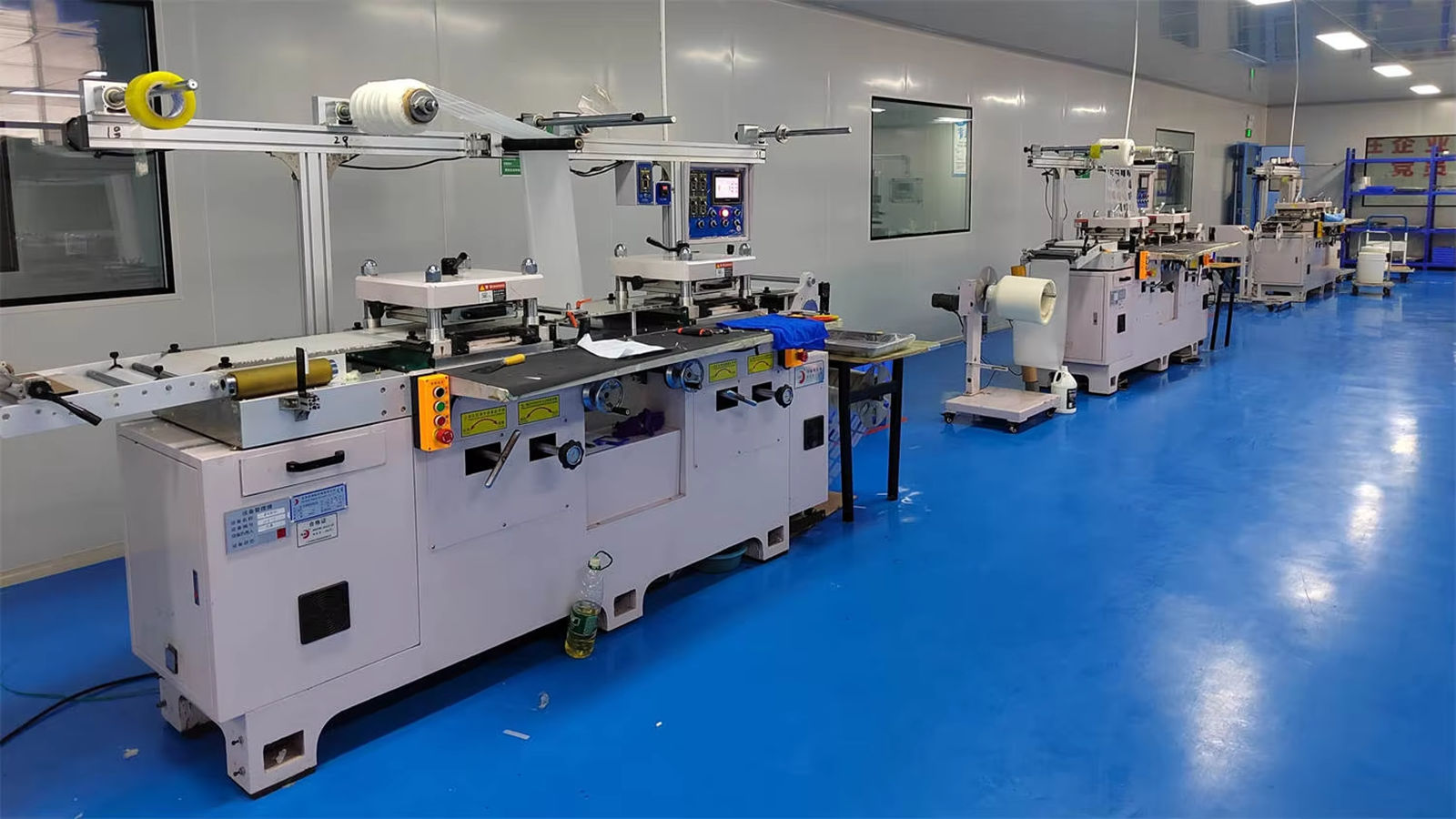
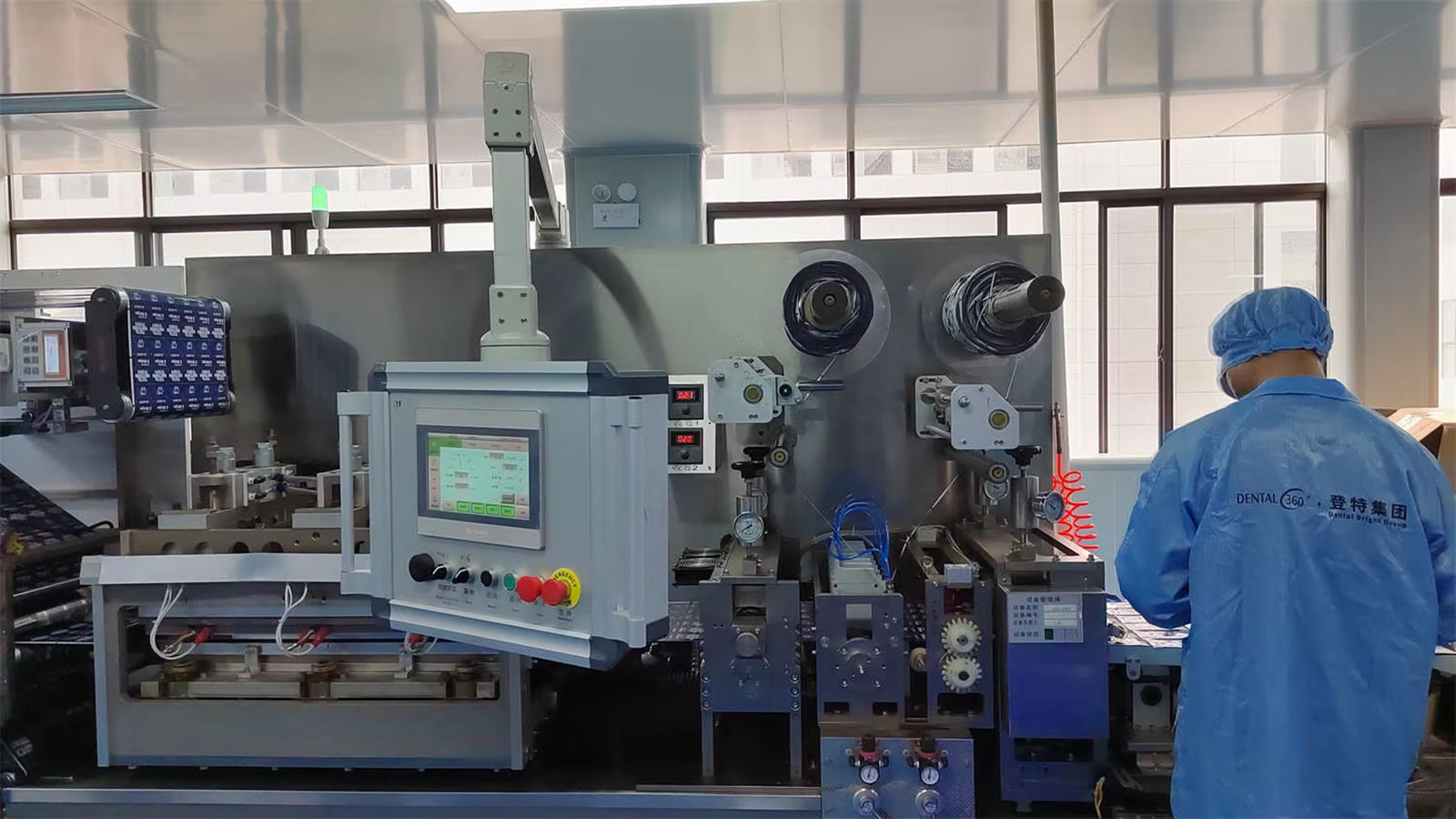
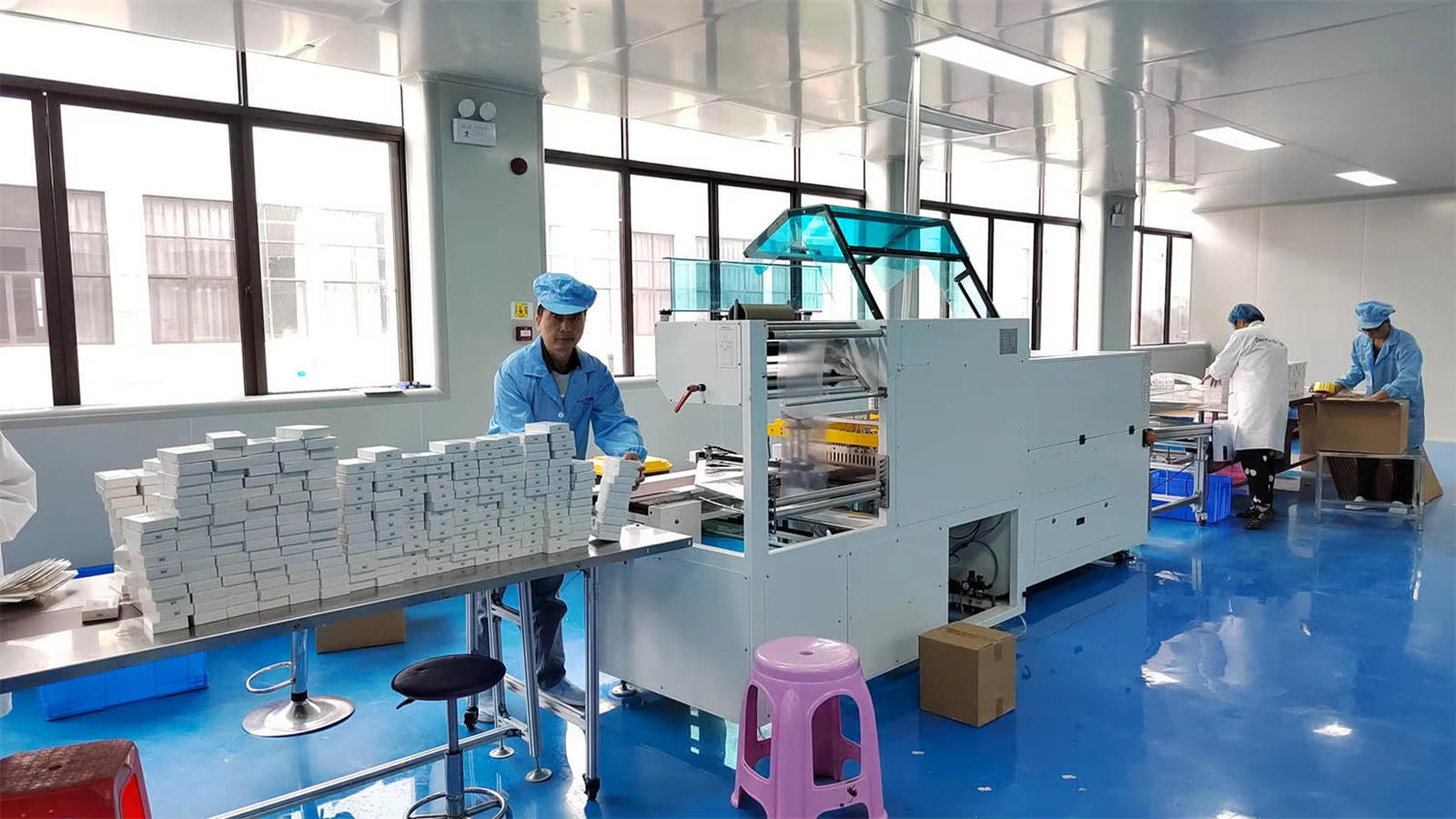
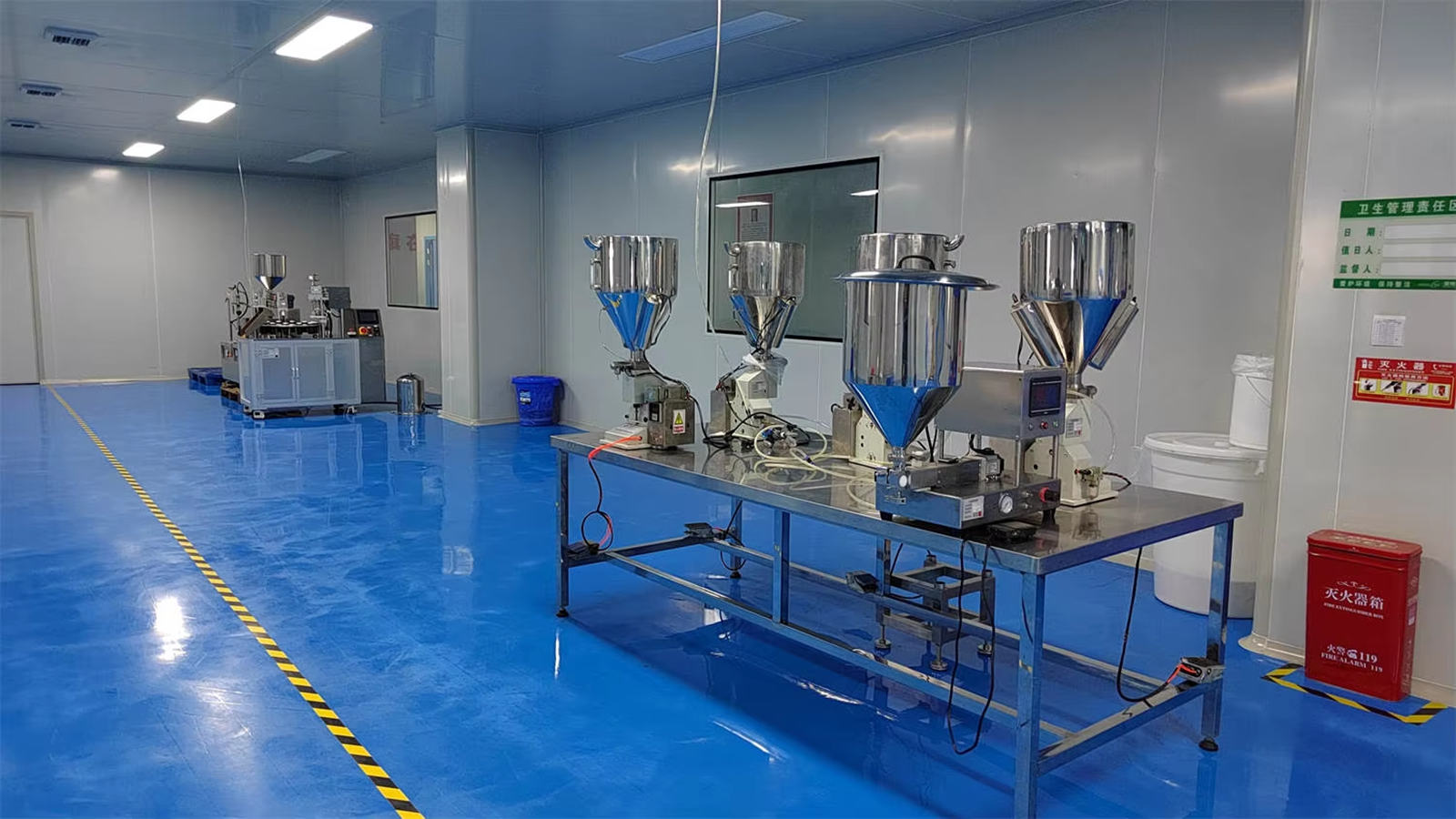
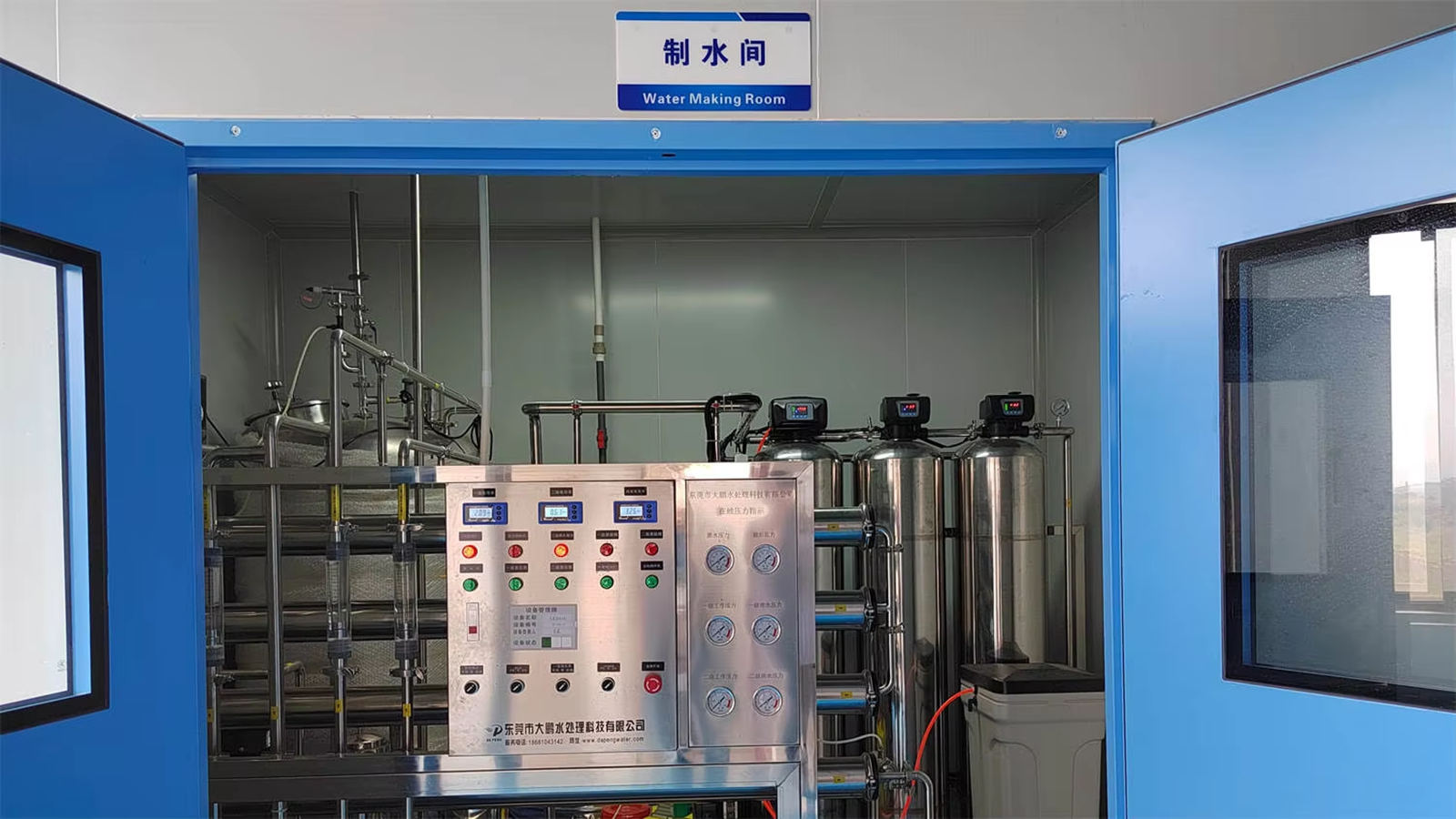
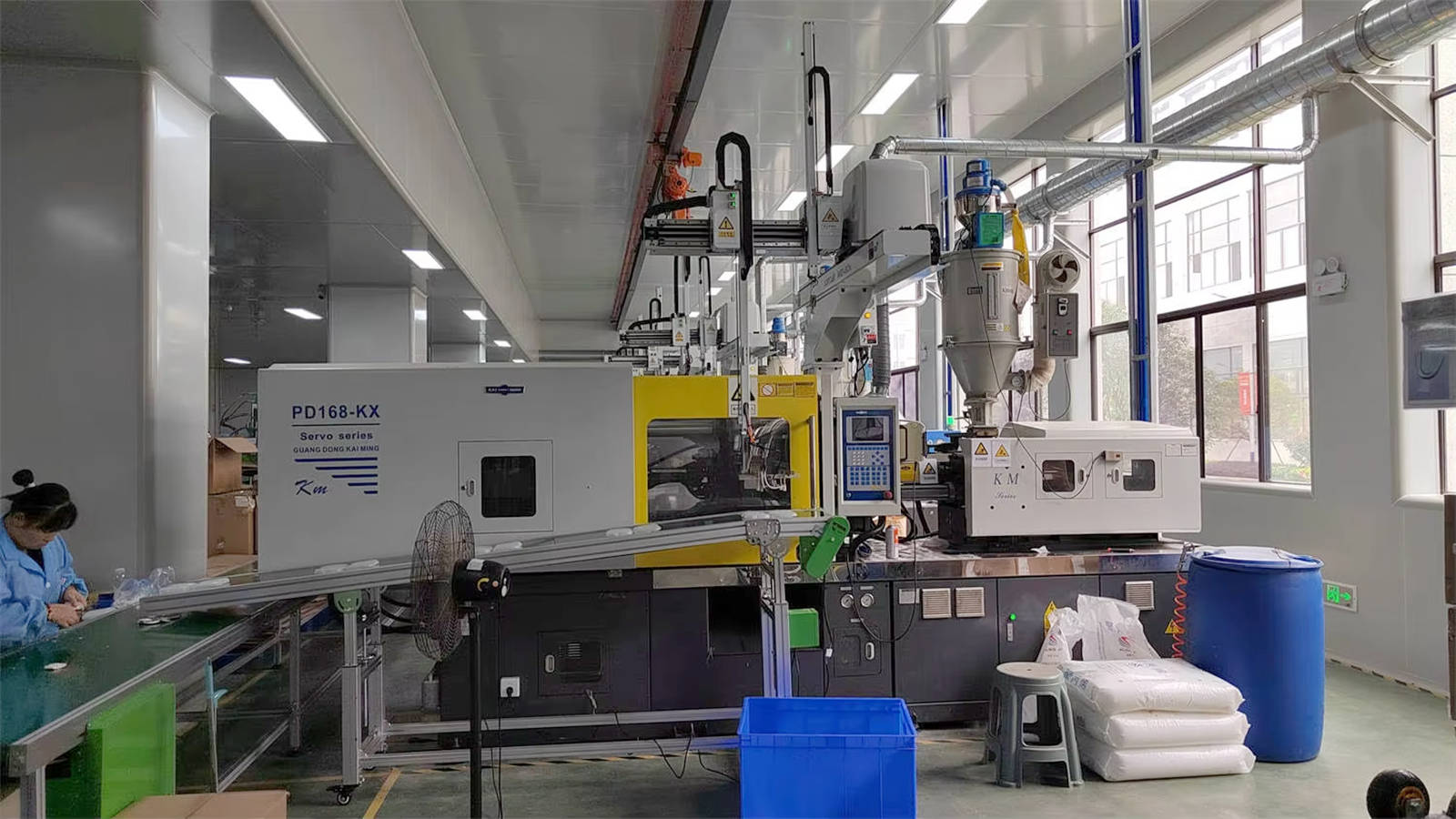
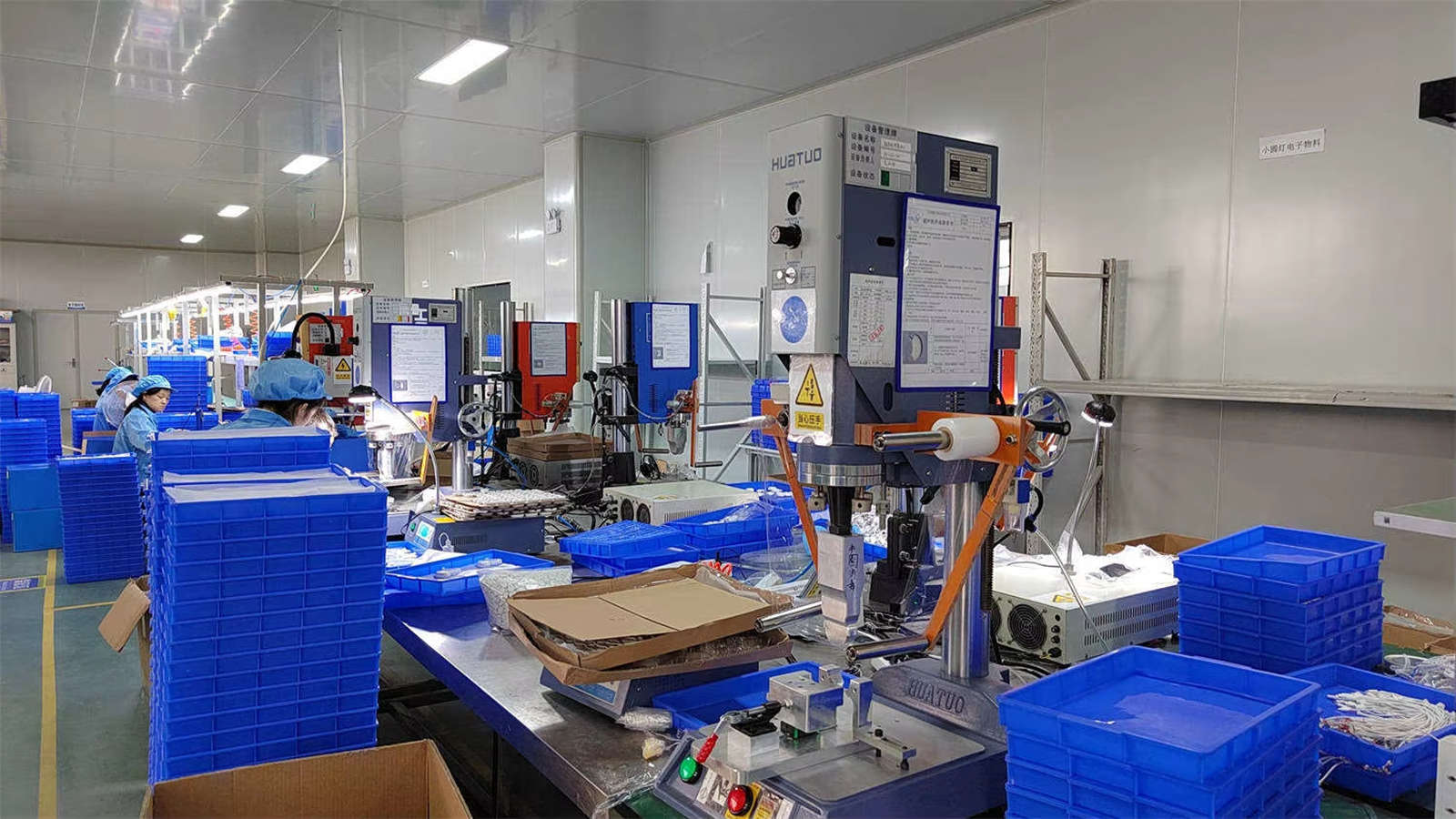
Our manufacturing flow is structured to ensure chemical purity, stable electronic assembly, and clean final packaging. The production line is organized into specialized areas:
We support our global partners with complete compliance documentation for simplified import procedures:
Operating in the international cosmetic and medical device sectors requires strict compliance with regional regulations. Each market has specific technical and safety requirements that must be met.
For example, importing teeth whitening devices into the European Union requires alignment with the CE Medical Device Regulation (MDR), particularly for products that include active chemical whitening agents. Our manufacturing processes conform to ISO 13485 standards, which ensures clean assembly environments and consistent batch-to-batch tracking. Additionally, all electronics are certified under RoHS to confirm the absence of hazardous materials.
In North America, complying with FDA guidelines is essential. We assist our clients with the necessary paperwork and technical documentation required for local registration. Material selection is also a top priority: all mouthpieces are made from biocompatible, BPA-free medical-grade silicone that has passed cytotoxicity and irritation testing (ISO 10993). This high standard of production helps our clients avoid regulatory delays and liability issues.
We provide comprehensive OEM and ODM support, helping brands take a product from initial design to final production with minimized technical risk.
We collaborate with your team to design custom product shapes, engineer custom PCB layouts for the LED drivers, and configure battery capacities to match your target specifications.
We offer custom peroxide concentrations (Hydrogen Peroxide, Carbamide Peroxide) and non-peroxide alternatives (like PAP) to meet regional cosmetic regulations.
Our facility provides custom packaging options, color printing, and secure shipping coordination to streamline the delivery process to your warehouses.
Review answers to common technical and regulatory questions regarding professional LED teeth whitening systems.
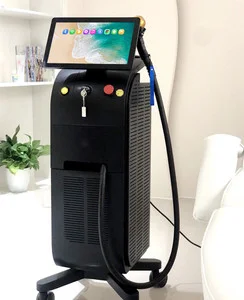
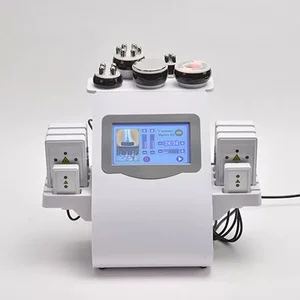
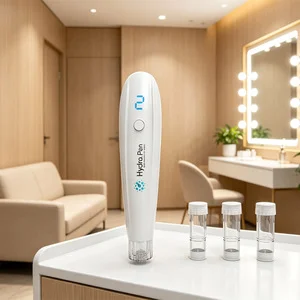
Expand your clinic services or product catalog with our selection of hair removal, body contouring, and advanced microneedling equipment.
 Durova Beauty