Top 10 Portable Tattoo Removal Systems Suppliers & Exporters

Global Procurement Report & B2B Industry White Paper: Analyzing Technological Innovation, Supply Chain Logistics, and Regulatory Compliance

1. Executive Summary & Market Landscape

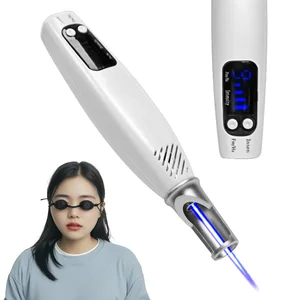
The global demand for non-invasive cosmetic modifications has experienced exponential growth, driven by shifting cultural perceptions of body art and rapid advancements in laser dermatology. Among these trends, the demand for **portable tattoo removal systems** has emerged as a high-growth sector. Aesthetic clinics, mobile medspas, and cosmetic practices worldwide are increasingly seeking compact, reliable, and high-performance devices that deliver clinical-grade results without the large footprint and excessive capital expenditure associated with traditional console lasers.

As search intent moves from general research toward transaction-focused and specification-driven inquiries, global importers must understand the technical, regulatory, and supply chain factors that define a reliable partner. This white paper, curated by senior B2B sourcing strategists and medical-aesthetic compliance experts, evaluates the key market dynamics, factory supply chain integration, technological options, and regulatory pathways essential for importing portable tattoo removal systems.

15.6%
CAGR (2024-2030)
72%
Global Shift to Portability
100%
CE/MDR Compliant Output

2. Technical Specifications & Technological Distinctions

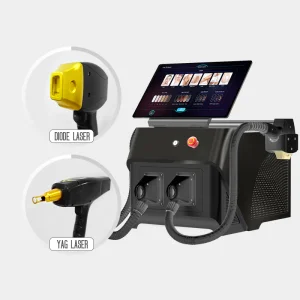
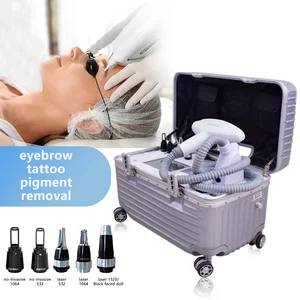
Understanding the physics of laser-skin interactions is critical for choosing the right system. The two primary technologies governing portable tattoo removal are Q-Switched Nd:YAG Lasers and Picosecond Lasers. These technologies target ink pigments via specific wavelengths, causing them to fragment into particles small enough to be naturally cleared by the body's lymphatic system.

Information Gain Highlight: Conventional Q-switched lasers rely primarily on a photothermal effect, heating the ink particle to shatter it. Modern Picosecond systems utilize a photoacoustic effect, delivering energy in trillionths of a second (picoseconds). This rapid pulse delivery minimizes thermal damage to the surrounding dermal tissue, reducing the risk of hyperpigmentation, scarring, and client discomfort, while significantly reducing the number of sessions required for complete clearance.

Wavelength Specifications and Treatment Efficacy

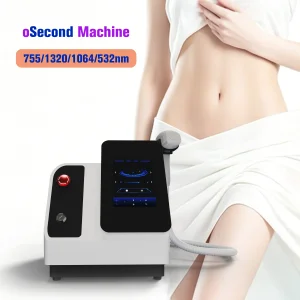
  • 1064 nm Wavelength: Ideally suited for deep dermal penetration, specifically targeting dark blue, black, and dark brown pigments. Safe for higher Fitzpatrick skin types due to minimal melanin absorption.
  • 532 nm Wavelength: Designed for epidermal treatments, targeting red, orange, and warm tone pigments. Due to higher melanin absorption, precise energy calibration is vital.
  • 755 nm / 1320 nm (optional handpieces): The 755nm Alexandrite wavelength targets green and blue inks, while the 1320nm wavelength is commonly utilized in carbon peeling treatments (often marketed as "Black Doll" facials) for dermal rejuvenation.

Active Q-Switching vs. Passive Q-Switching

Active Q-switched lasers employ an electro-optic modulator (Pockels cell) to control pulse delivery. This offers high pulse energy stability and a short pulse duration. Passive systems use saturable absorbers, which are more cost-effective but yield less pulse consistency. For high-volume clinical applications, active Q-switching is recommended for predictable therapeutic outcomes.

Cooling Systems & Continuous Operation

Portability often presents thermal management challenges. High-quality portable systems incorporate integrated TEC (Thermoelectric Cooling) or advanced closed-loop water-to-air cooling. This ensures continuous operation for 8–10 hours, protecting the optical cavity and laser diode assembly from premature degradation.

3. Global Purchasing Trends & B2B Demands

B2B buyers, including medical distributors, franchise spa owners, and import agencies, must carefully evaluate long-term cost of ownership when choosing a supplier. Device reliability, ease of maintenance, and the availability of replacement handpieces directly impact clinic profitability.

Purchasing Strategy: Look for modular designs where internal electronics, water pumps, and laser cavities are separated. In the event of a component failure, a modular configuration allows local technicians to swap parts quickly, preventing prolonged clinic downtime.

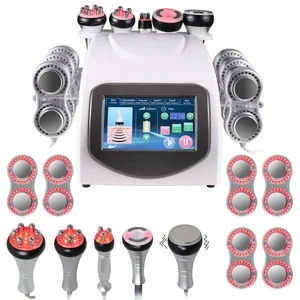
Additionally, modern aesthetic clinics require devices with multi-functional capabilities. Systems that combine Nd:YAG laser removal with IPL hair removal or RF skin tightening—using interchangeable handpieces—deliver a faster return on investment (ROI). This versatility allows practitioners to maximize the utility of a single console footprint.

4. Supply Chain Advantages of Chinese Aesthetic Device Manufacturers

China's aesthetic equipment manufacturing sector, particularly in key industrial clusters like Beijing, has evolved from low-cost assembly to high-precision, R&D-driven production. As a leading manufacturer established in 2014, **Beijing Durova Beauty Co., Ltd.** represents this transition, combining advanced engineering with robust supply chain networks.

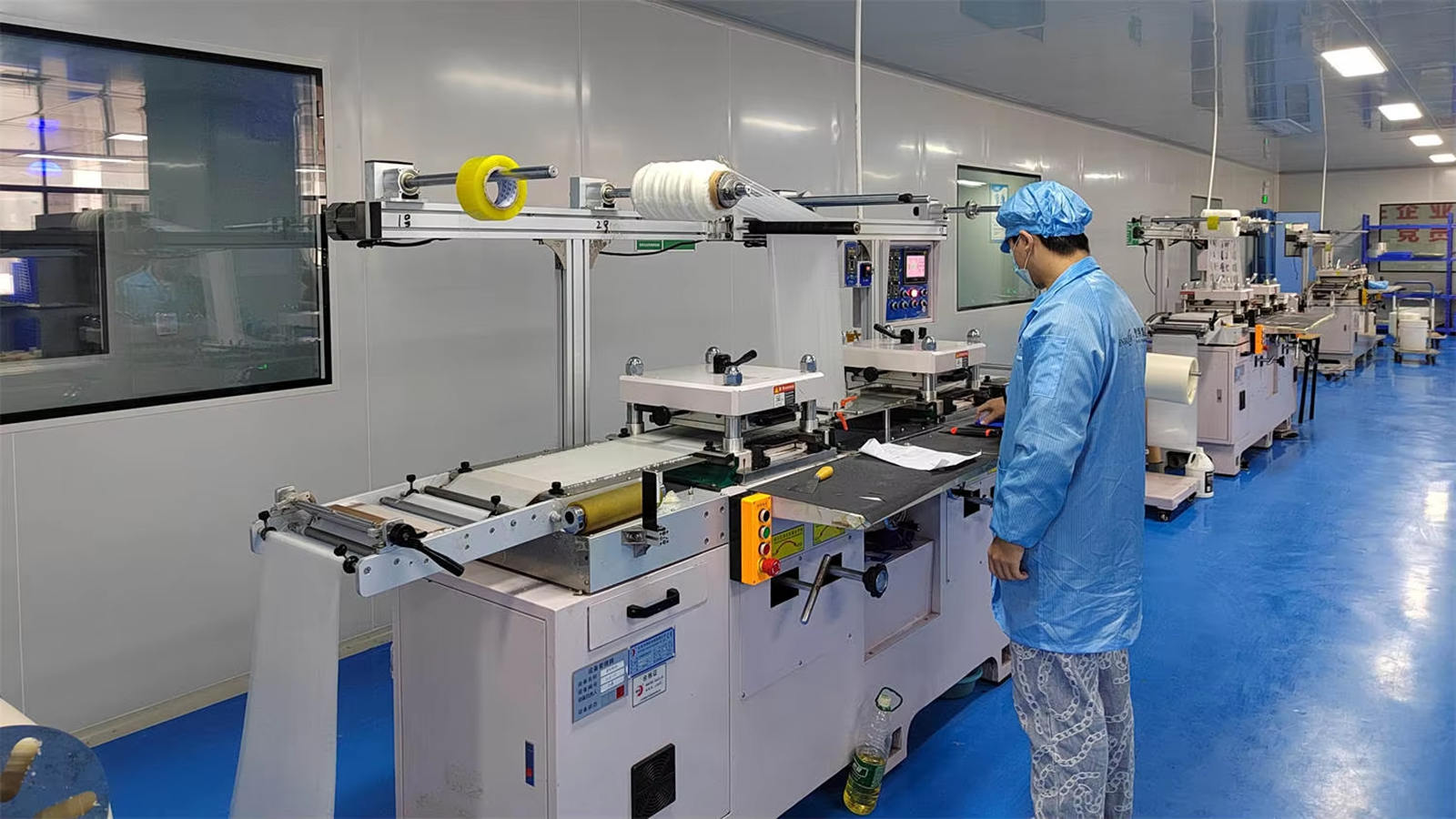
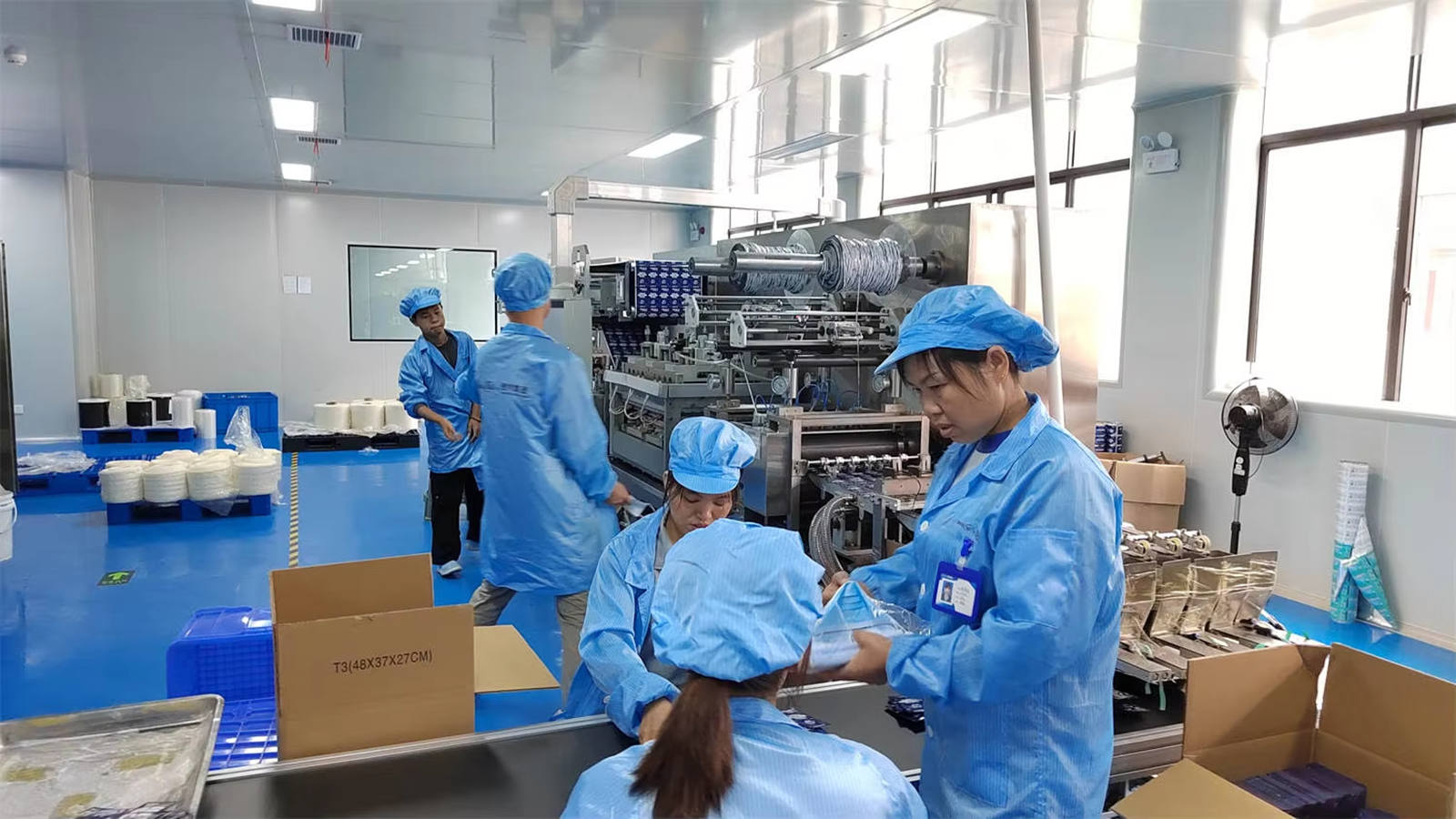
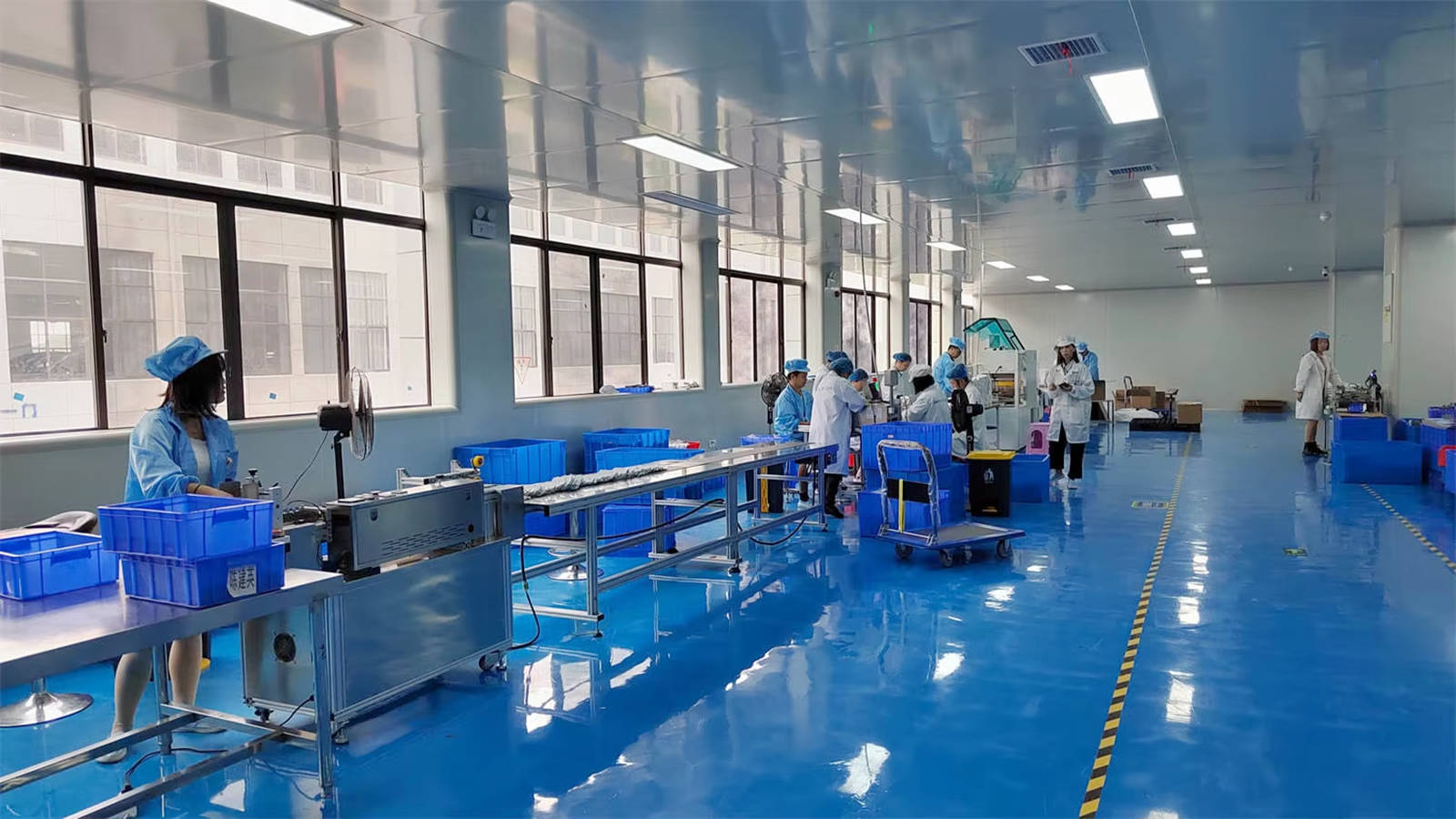
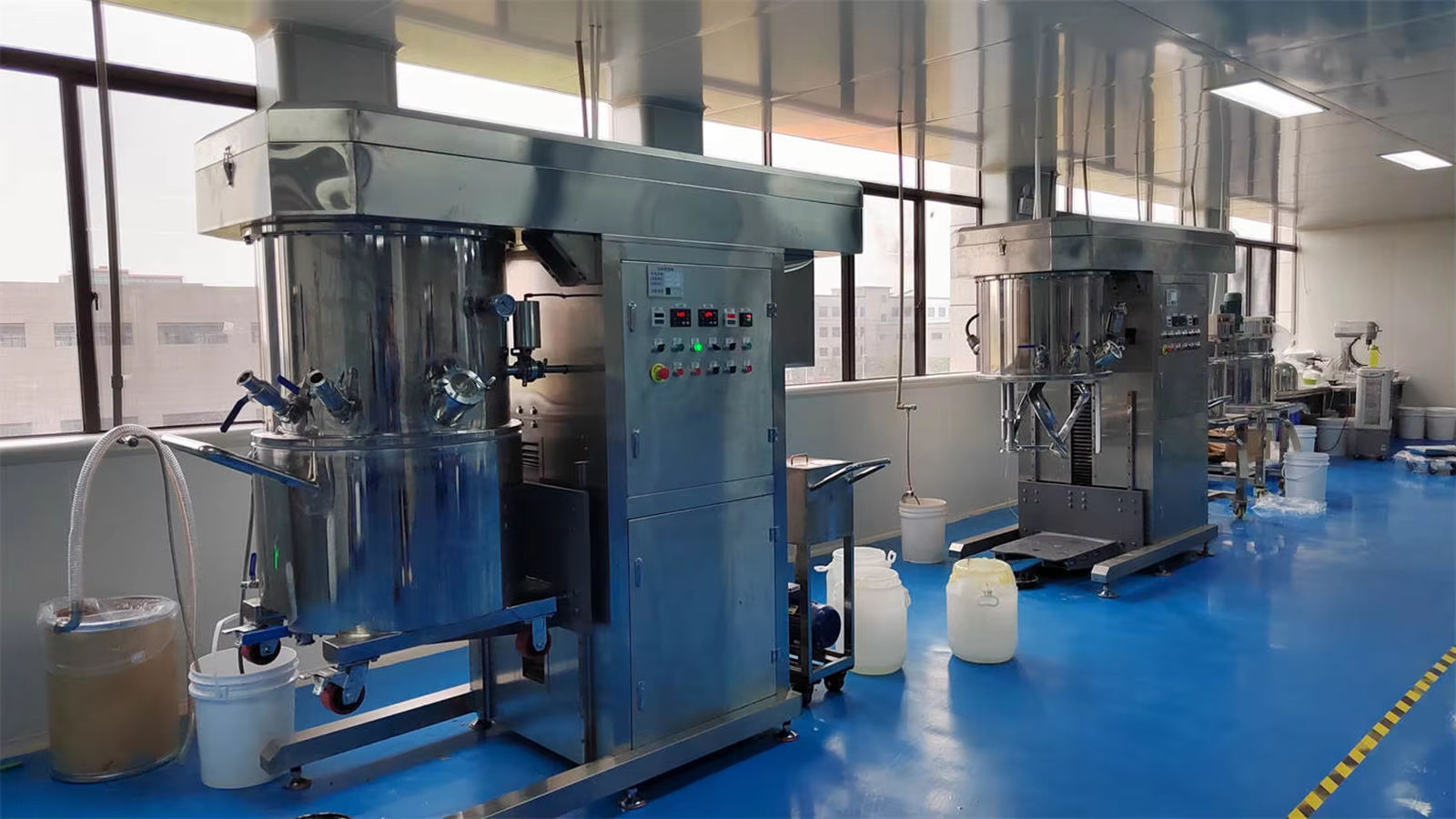
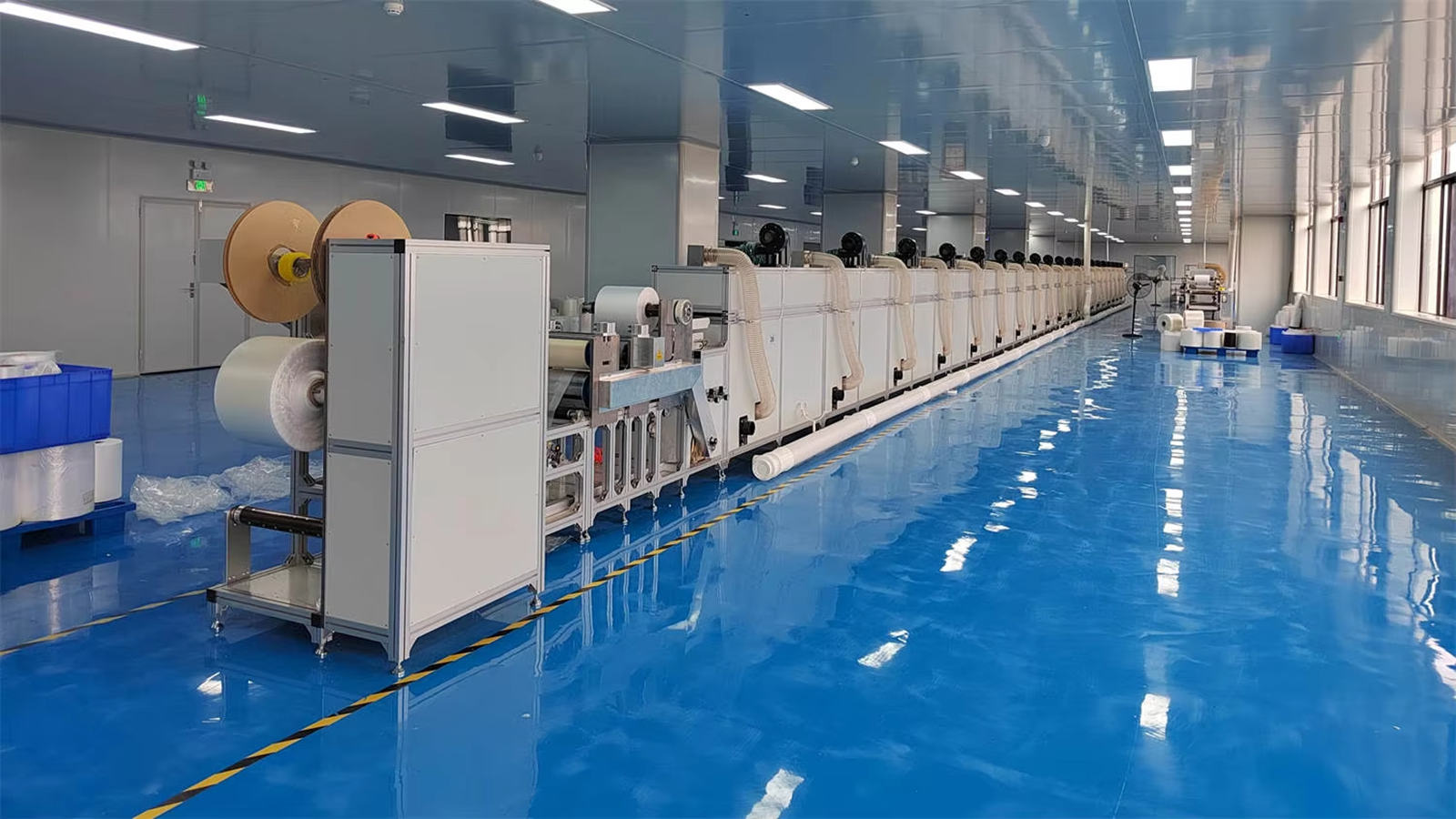
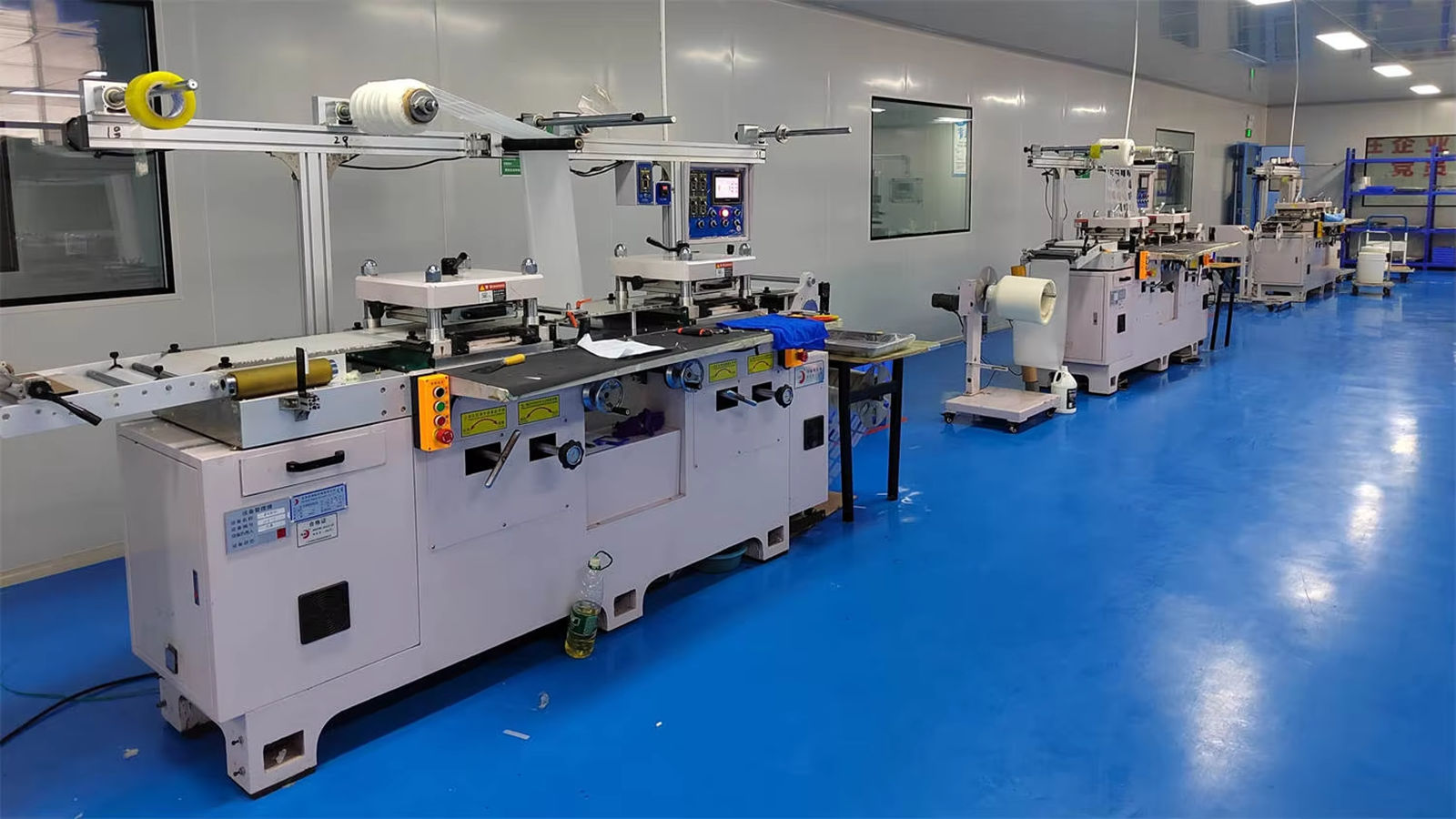
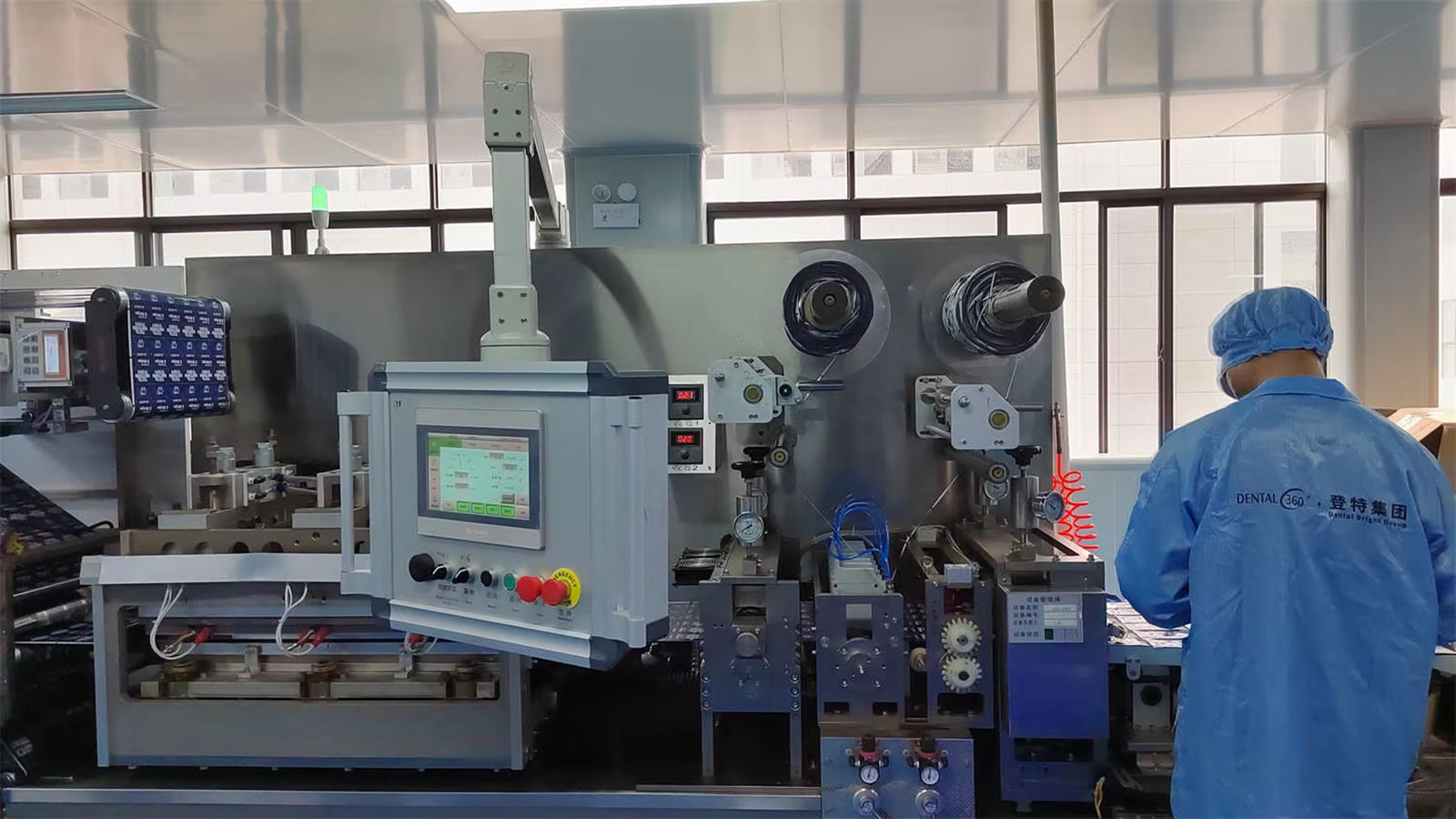
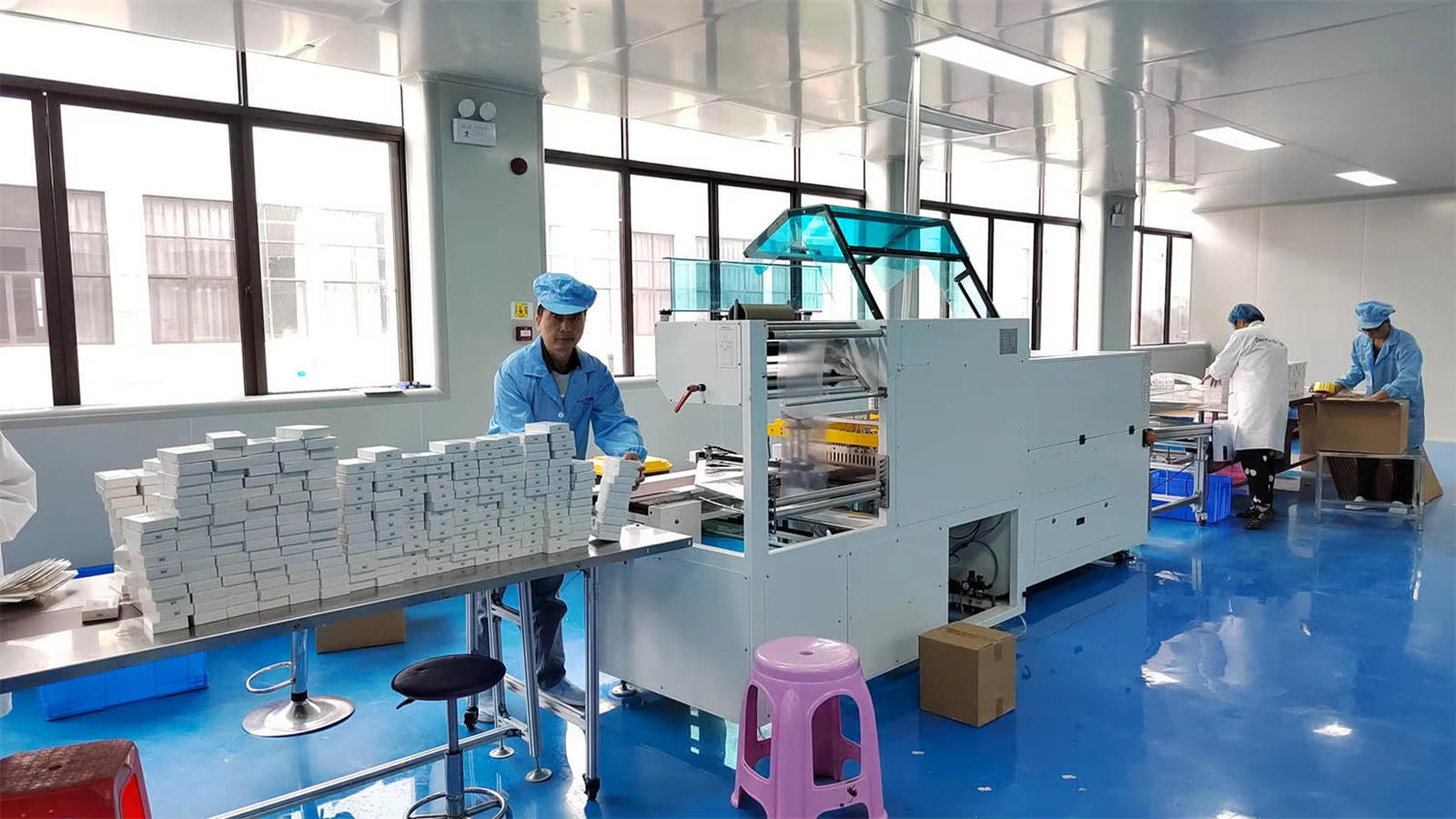
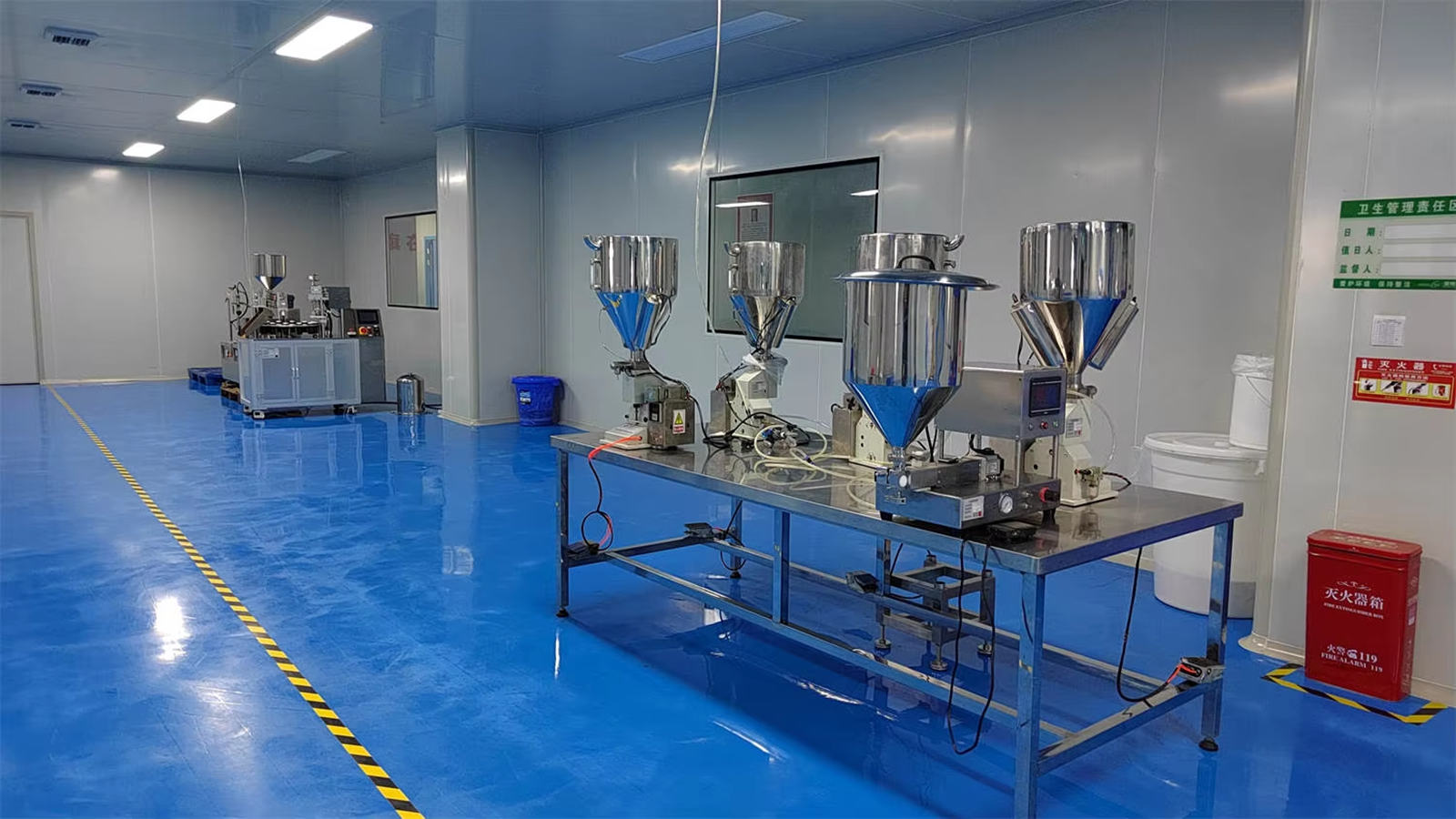
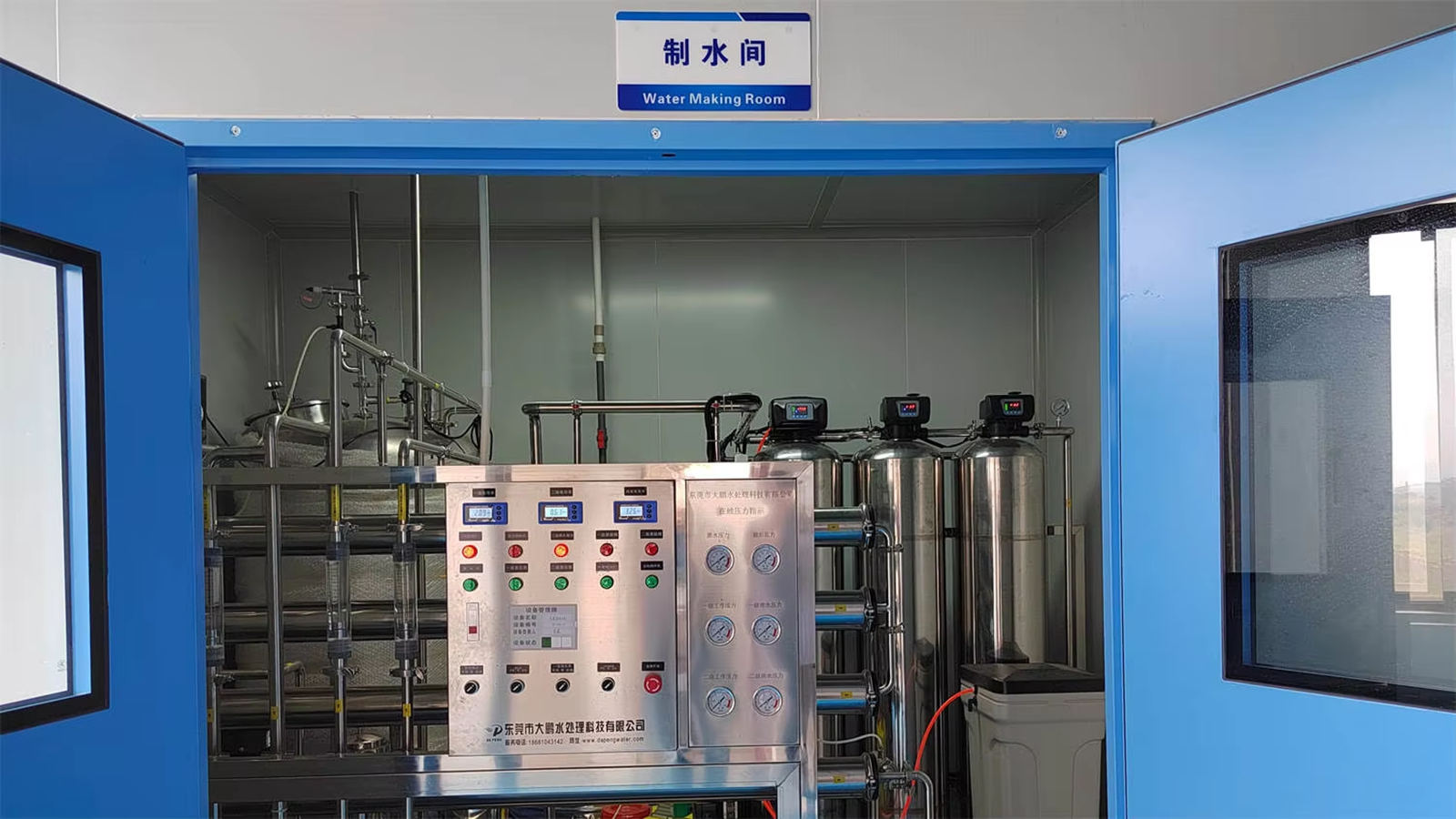
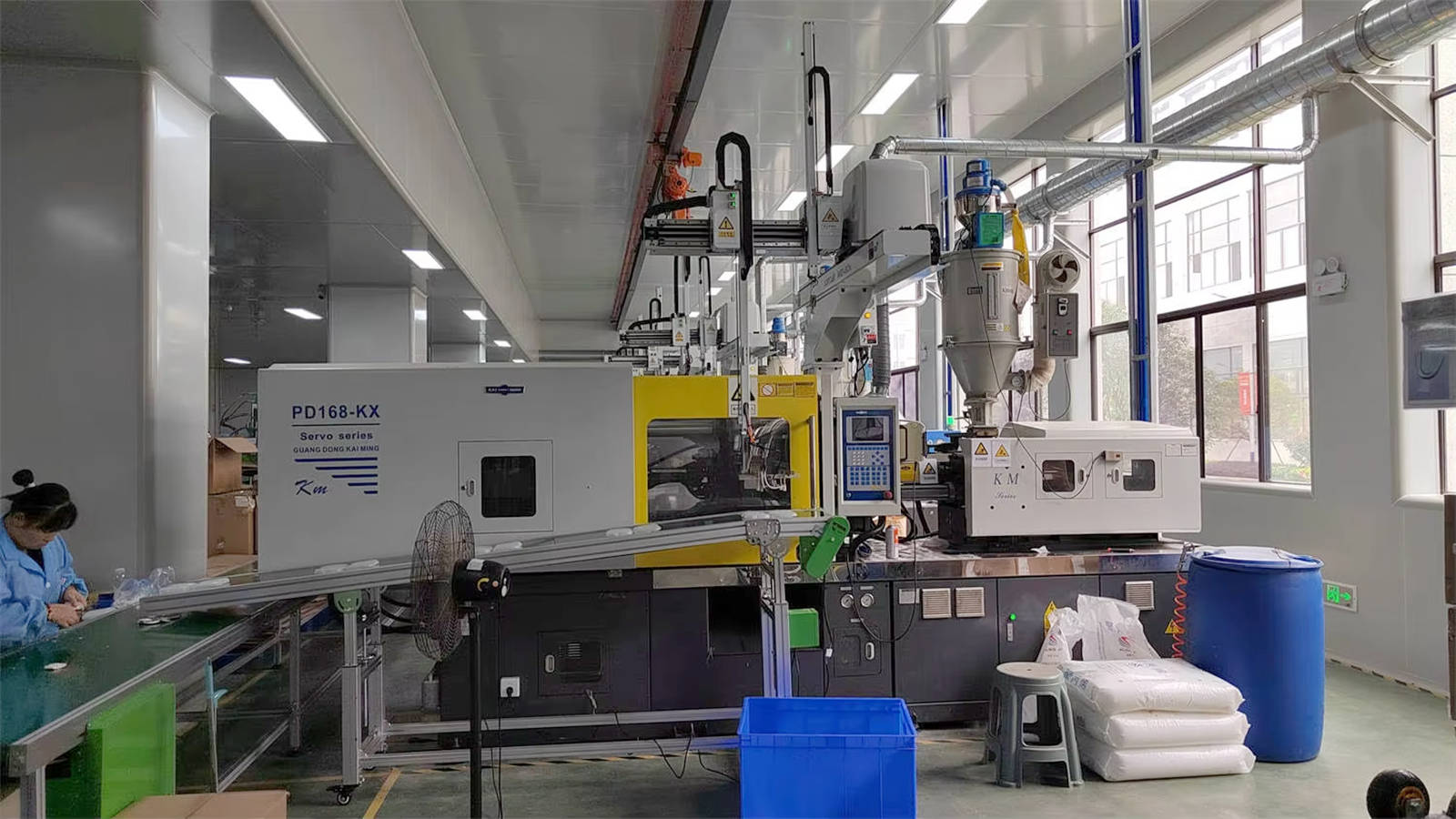
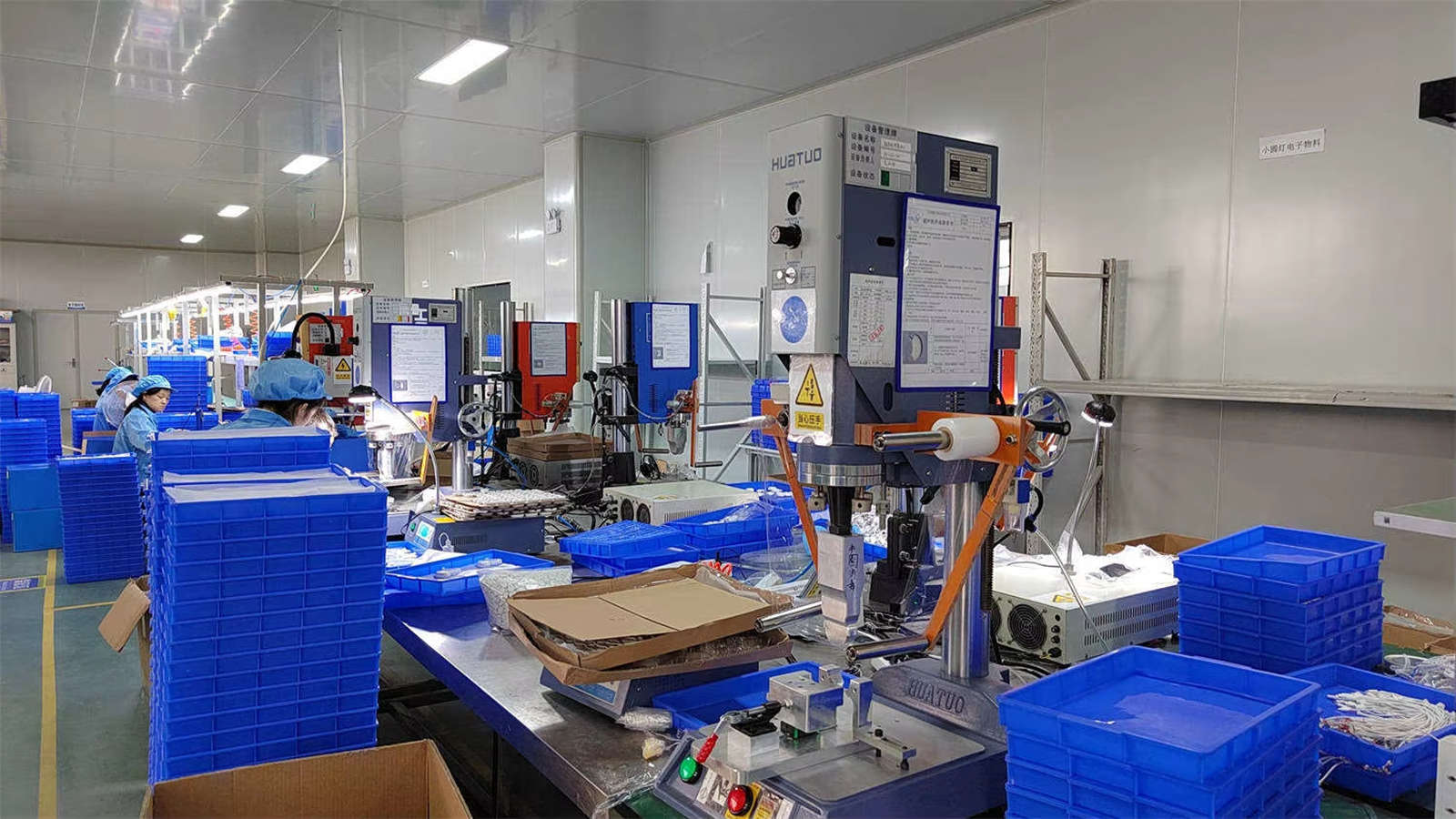
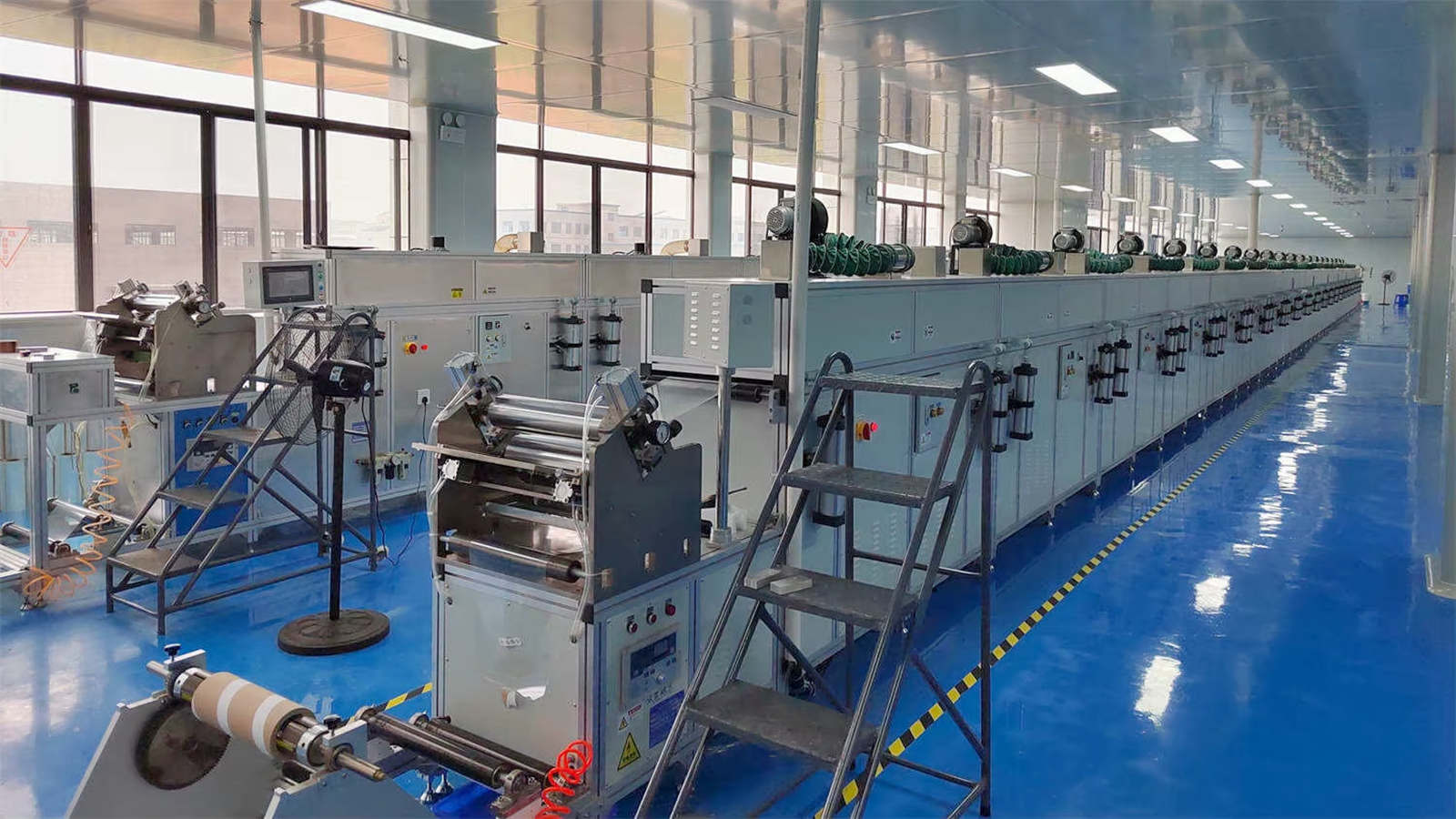
The core advantage of Chinese medical-aesthetic manufacturing lies in vertical integration. Our facilities control everything from basic injection molding and sheet metal fabrication to cleanroom optical alignment and final cosmetic filling. This integration ensures strict quality control at every stage of production.
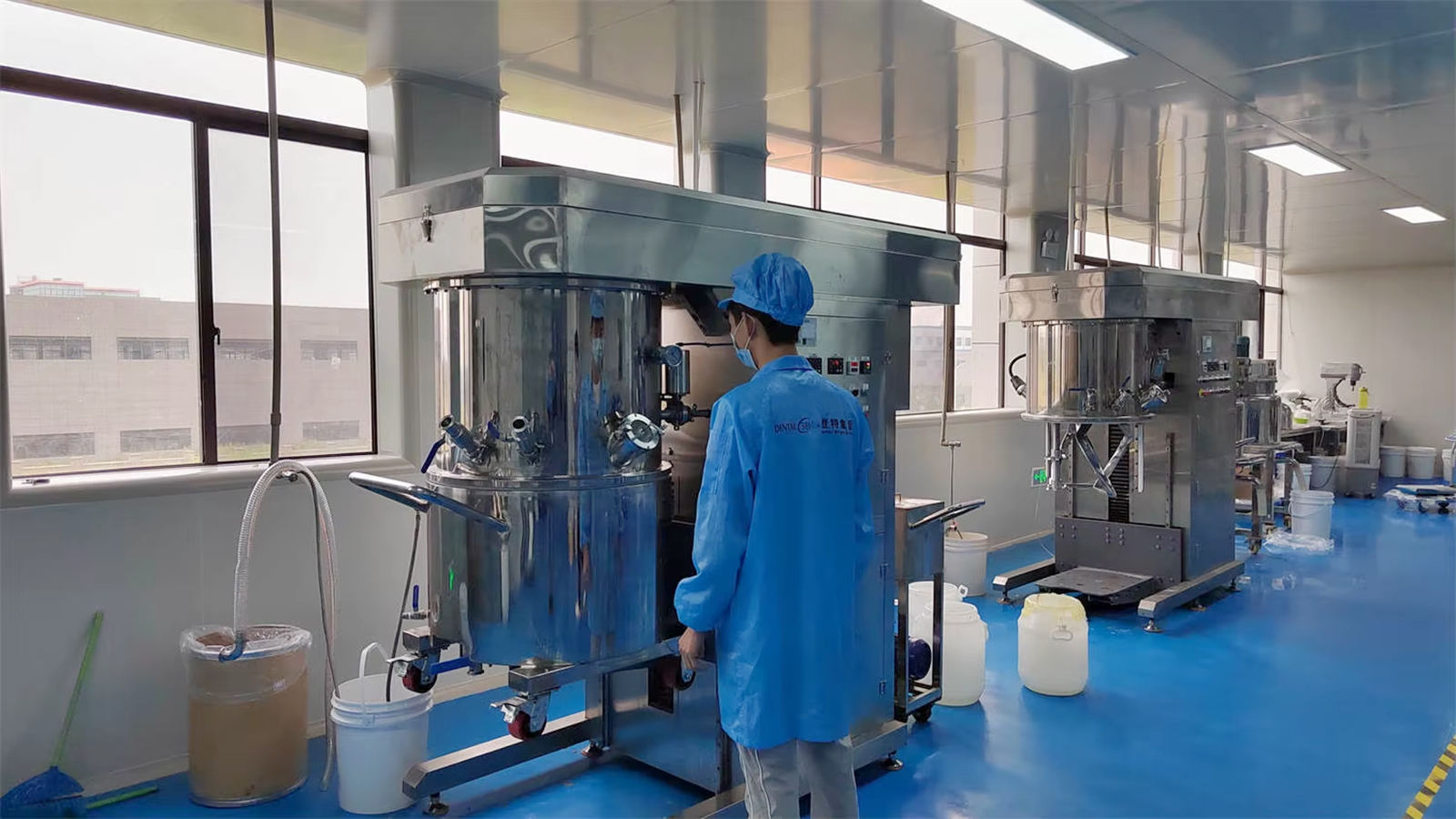
Glue Making Process
Glue Making Process
Coating Line
Precision Coating Line
Die-cutting Process
Automatic Die-Cutting
Inner Packing Line
Inner Packaging Area
Outer Packing Area
Outer Carton & Logistics Prep
Vacuum Homogenizing Emulsifying Machine
Coating Line Machine
Technical Coating Line
Die-cutting Machine
High-Speed Die-Cutting Machine
Inner Packing Machine
Outer Packing Machine
Filling Machine
Automatic Filling Machine
Water Making Machine
High-Purity Water Purification
Horizontal Injection Molding Machine
Ultrasonic Welder
Ultrasonic Precision Welder

This comprehensive manufacturing infrastructure enables us to offer professional OEM/ODM customization services. We support custom shell colors, software interfaces, localized language settings, and logo branding, allowing distributors to build brand equity with minimal barrier to entry.

5. Compliance, Regulatory Frameworks & Localization Support

Navigating the global regulatory landscape is a vital consideration for international medical device importers. In the European Union, the transition from the Medical Device Directive (MDD) to the **Medical Device Regulation (MDR 2017/745)** has raised the requirements for aesthetic lasers, classifying them under Annex XVI, which requires clinical evaluation even for non-medical claims.

In the United States, portable tattoo removal lasers fall under FDA Class II medical devices, requiring a **510(k) premarket clearance**. Reliable manufacturers must provide full technical documentation, including electromagnetic compatibility (EMC) testing (IEC 60601-1-2) and electrical safety testing (IEC 60601-1).

Regulatory Checklist for Importers:
  • Ensure the manufacturer holds an active ISO 13485 Medical Devices Quality Management System certification.
  • Verify CE/MDR declaration of conformity issued by an accredited notified body.
  • Confirm electrical certifications match destination country requirements (e.g., UL standards for North America, CE marks for Europe).
  • Ensure user manuals and software interfaces are legally compliant in destination markets, featuring accurate warnings and instructions for use (IFUs).

6. Localized Application Scenarios

The applications for portable tattoo removal systems span several major sectors in the wellness and aesthetic industries:

  • Boutique Aesthetic Clinics: For clinics with limited space, a compact desktop Q-switched or Picosecond laser offers clinical performance without occupying the valuable space of a floor-standing console.
  • Mobile Medspas & On-Call Practitioners: A lightweight, ruggedly cased portable laser system allows practitioners to transport equipment securely, offering in-home treatments or operating across multiple spa locations.
  • Tattoo Studio Partnerships: Many modern tattoo studios now offer fading services, using laser treatments to lighten old tattoos to make cover-ups easier and more creative. A portable machine is a natural addition to these businesses.

Frequently Asked Questions (FAQ)

What is the difference between nanosecond (Q-switched) and picosecond portable lasers?
Nanosecond lasers deliver energy in billionths of a second, relying on photothermal energy to heat and shatter ink particles. Picosecond lasers deliver energy in trillionths of a second, using photoacoustic waves to shatter ink into microscopic particles with minimal heat generation, resulting in faster clearance and fewer side effects.
Which wavelengths are required to target colored tattoo inks?
The 1064nm wavelength is the industry standard for black, dark blue, and dark green inks. The 532nm wavelength targets red, orange, and yellow pigments. For light blue or bright green inks, a 755nm Alexandrite or specialized handpiece is typically required.
How does a portable system maintain stable cooling during continuous clinic operations?
High-quality portable units feature Thermo-Electric Cooling (TEC) modules combined with silent radiators and high-flow water pumps. This ensures the laser medium and cavity maintain a stable temperature, preventing overheating and power drop-offs during busy clinic schedules.
What certifications should B2B importers verify before purchase?
Importers should verify ISO 13485 for quality management, CE/MDR certification for the European Union, and FDA 510(k) clearance for the US market. Additionally, ensuring testing compliance with IEC 60601-1 and IEC 60601-1-2 standards is essential for legal compliance.
What is the expected lifespan of a portable laser chamber?
The lifespan depends on the quality of the flashlamp and crystal rod. Premium Xenon lamps generally deliver between 1 million and 3 million shots before showing power decay, while high-performance imported lamps can exceed 5 million shots.
Can portable systems support skin rejuvenation treatments besides tattoo removal?
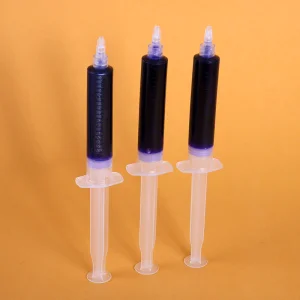
Yes. By using a 1320nm wavelength tip combined with a carbon paste, portable Nd:YAG lasers can perform carbon peels (skin rejuvenation, pore minimization, and sebum control). They can also target benign epidermal pigmentations like freckles and age spots.