
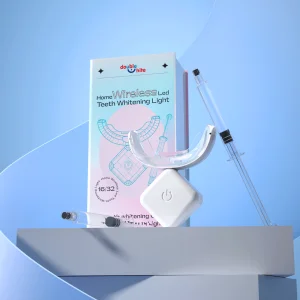
Top China Collagen Supplements Factories & Suppliers

The Ultimate Global OEM/ODM Strategic Whitepaper: Scientific Roadmap, Supply Chain Resilience & Synergistic Bio-Aesthetic Systems

1. Executive Analysis: China's Dominance in Collagen & Aesthetic Supply Chains

The global nutricosmetics and bio-aesthetic industry is undergoing a paradigm shift. Oral collagen supplements, once considered a niche wellness trend, have evolved into a scientifically verified category within clinical skincare regimens. Concurrently, China has consolidated its position as the premier global powerhouse for both the biosynthesis of high-purity collagen peptides and the engineering of advanced transdermal cosmetic delivery systems.

Historically, the supply chain for collagen relied heavily on European and South American animal-byproduct extraction. However, modern research into bioavailability, molecular weight optimization, and recombinant humanized collagen (rhCollagen) has transformed sourcing strategies. China’s advanced biotech clusters now lead the world in high-throughput enzymatic hydrolysis and precision fermentation. This technological acceleration ensures a consistent supply of ultra-low molecular weight peptides (<1,000 Daltons) that meet the strict requirements of international pharmaceutical, nutricosmetic, and dermatological brands.

85%+
Global rhCollagen Supply
Synthesized in China’s bio-tech industrial zones.
<1K Da
Target Peptide Weight
Maximizes intestinal lining absorption for faster results.
100k
Class Cleanrooms
GMP-compliant manufacturing ensuring zero heavy-metal toxicity.
120+
Export Destinations
Fully compliant with FDA, EFSA, CE, and ISO regulations.

2. Scientific & Technology Roadmap: Recombinant Collagen & Peptide Bio-Synthesis

Understanding the distinction between traditional extraction methods and advanced biosynthesis is crucial for international buyers evaluating Chinese collagen factories. The industry is currently divided into two core technical pathways:

Micro-Enzymatic Hydrolysis
Utilizing specific biological endopeptidases to cleave native collagen fibers into bioactive tripeptides (Gly-Pro-Hyp sequence). This targeted cleavage maintains structural integrity while reducing the Dalton weight, ensuring clinical efficacy in skin elasticity and joint health.
Recombinant Fermentation
Expressing human-derived collagen gene sequences within microbial hosts (such as Pichia pastoris). This produces biocompatible Type I, II, or III humanized collagen molecules that are 100% homologous to human tissue, eliminating immunogenicity risk and BSE/TSE pathogen concerns.
Liposomal Nano-Encapsulation
Encapsulating unstable peptide sequences inside double-layer phospholipid membranes. This shield protects active ingredients from gastric acid degradation, facilitating direct lymphatic absorption and significantly boosting metabolic bioavailability.

China’s leading suppliers are transitioning rapidly toward synthetic biology. Traditional marine collagen extracted from cod skin scales remains a highly cost-effective and sought-after raw material for standard dietary supplements. However, the premium clinical-grade market is increasingly dominated by patented Recombinant Humanized Collagen. As a buyer, prioritizing suppliers with in-house genomics and high-capacity fermentation bioreactors guarantees long-term supply stability and product differentiation.

3. Synergistic Bio-Aesthetics: Device-Driven Transdermal Integration

The modern beauty industry recognizes that systemic ingestible collagen supplements achieve optimal results when paired with localized mechanical or thermal micro-injury therapies. This combination represents a powerful approach to anti-aging. By leveraging advanced delivery devices, practitioners trigger a natural wound-healing cascade, stimulating fibroblasts to actively synthesize endogenous collagen, which uses the ingested amino acids as structural blocks.

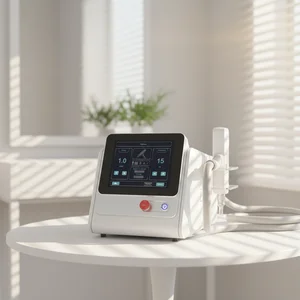
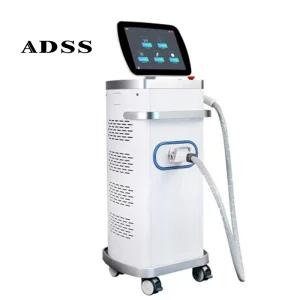
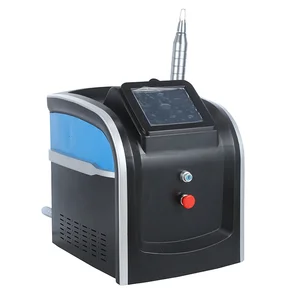
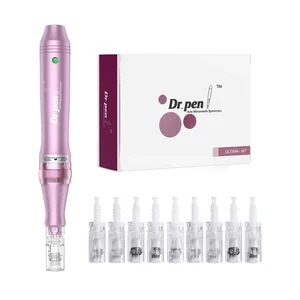
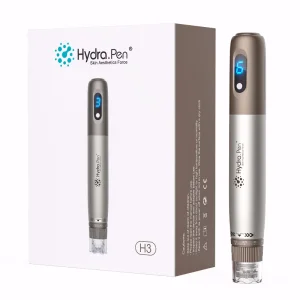
As an established pioneer in this integrated ecosystem, Beijing Durova Beauty Co., Ltd. (founded in 2014) has developed a comprehensive suite of professional aesthetic devices that complement oral collagen regimens. Operating from Beijing, China, Durova utilizes extensive manufacturing and engineering resources to design systems that maximize skin rejuvenation. Many of Durova's products, including advanced microneedle systems and laser equipment, have obtained CE certification, reflecting a dedication to global regulatory and performance standards.

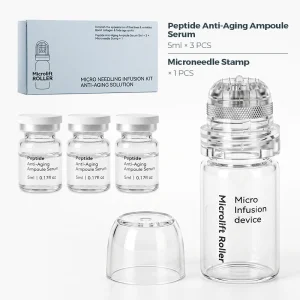
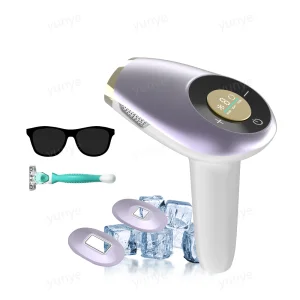
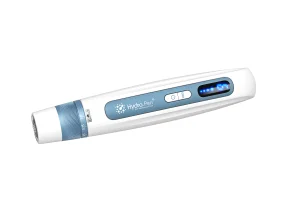
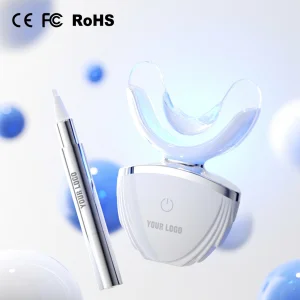
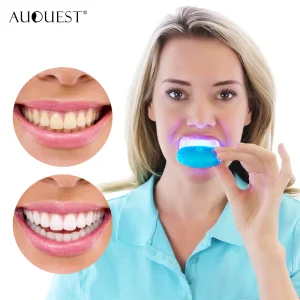
Durova's product line includes professional microneedle systems (such as the Dermapen M7 and Hydra Pen H3/H5), non-invasive teeth whitening technology, high-power IPL/diode laser hair removal systems, and targeted radio frequency cavitation devices. These mechanical micro-channeling platforms break down the stratum corneum barrier, creating temporary pathways that facilitate the absorption of topical collagen serums, while oral supplements support the skin structure from within.

Manufacturing Excellence

China Factory 4.0: Standardized Production & Quality Control

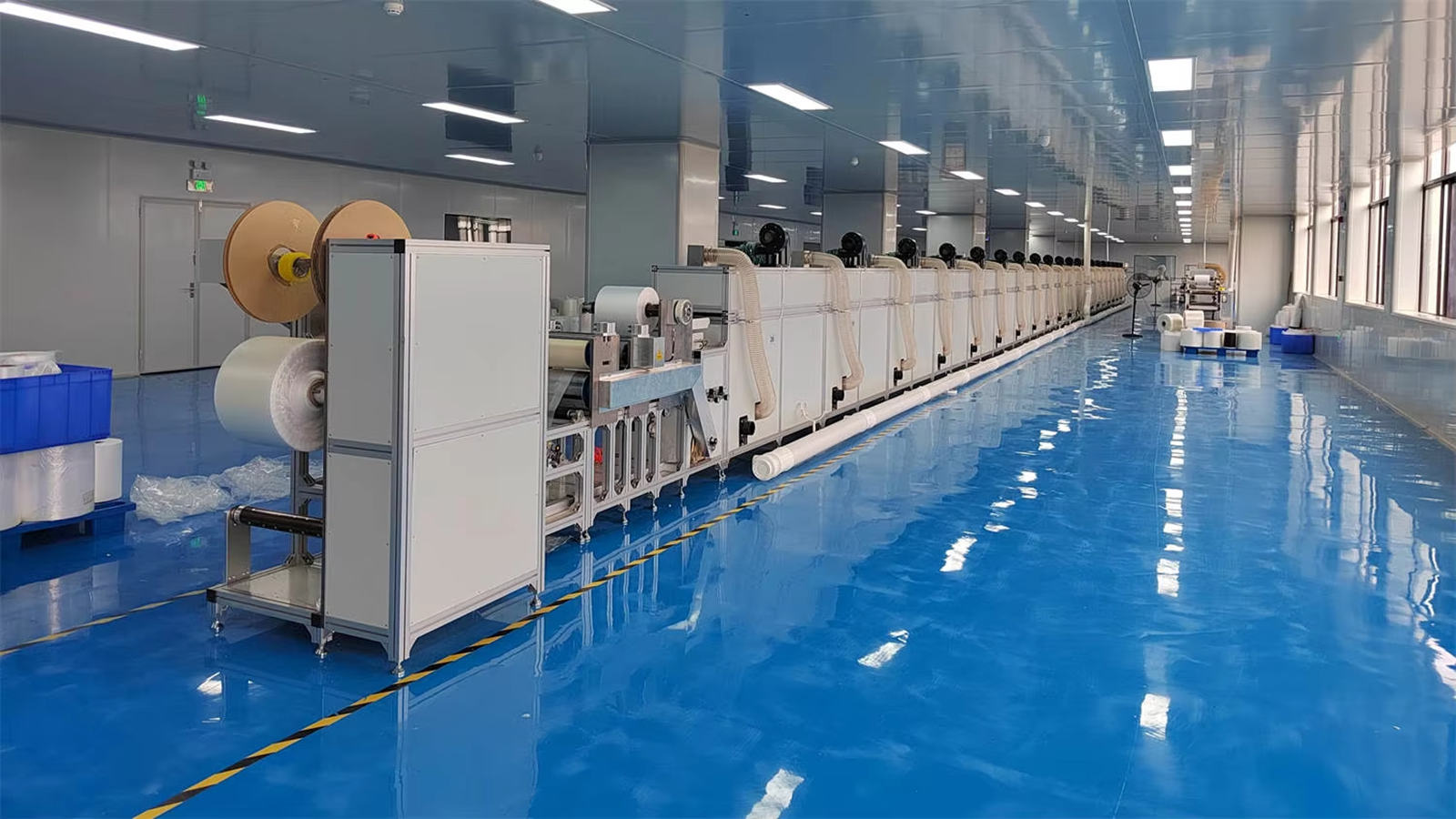
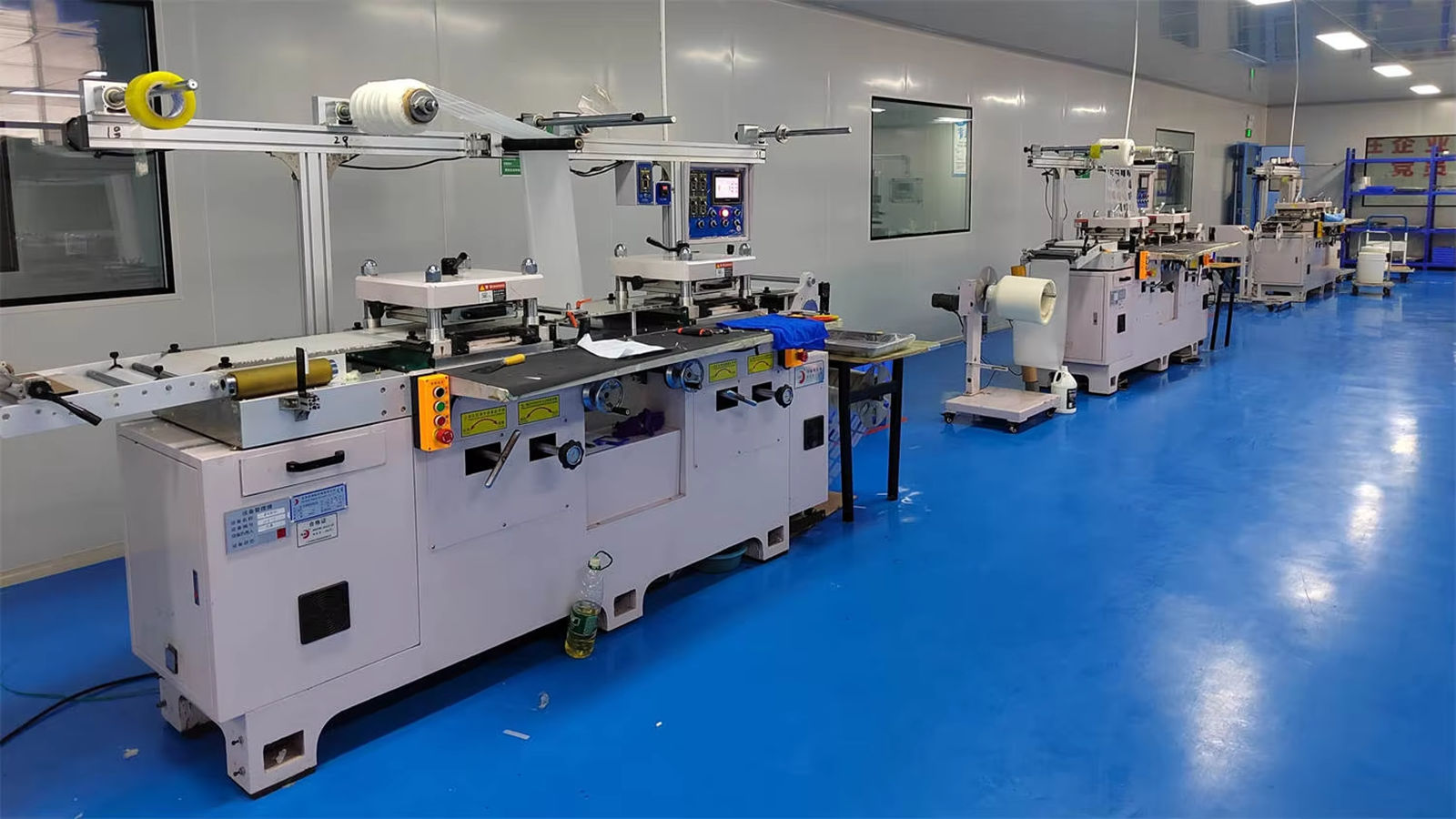
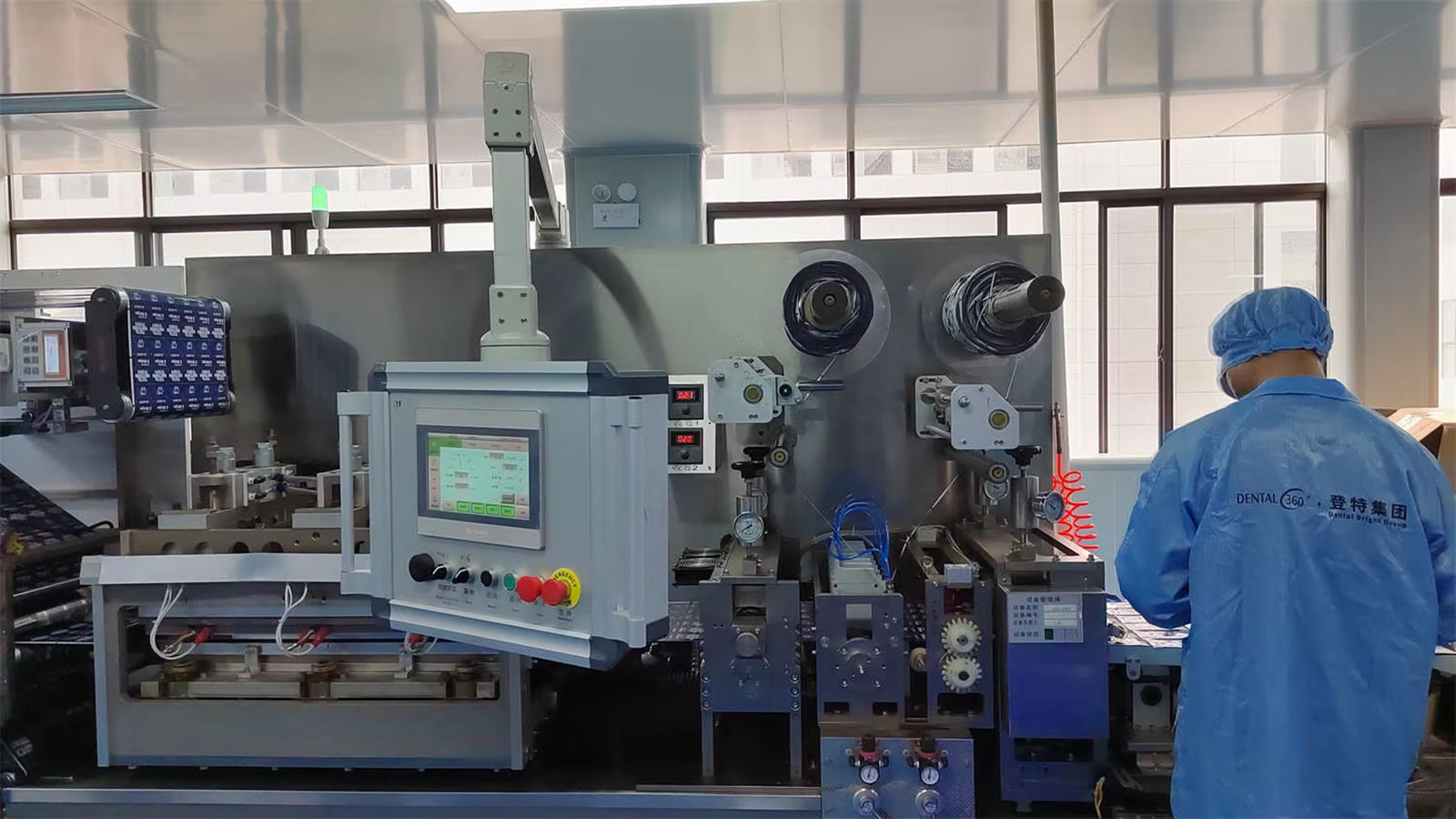
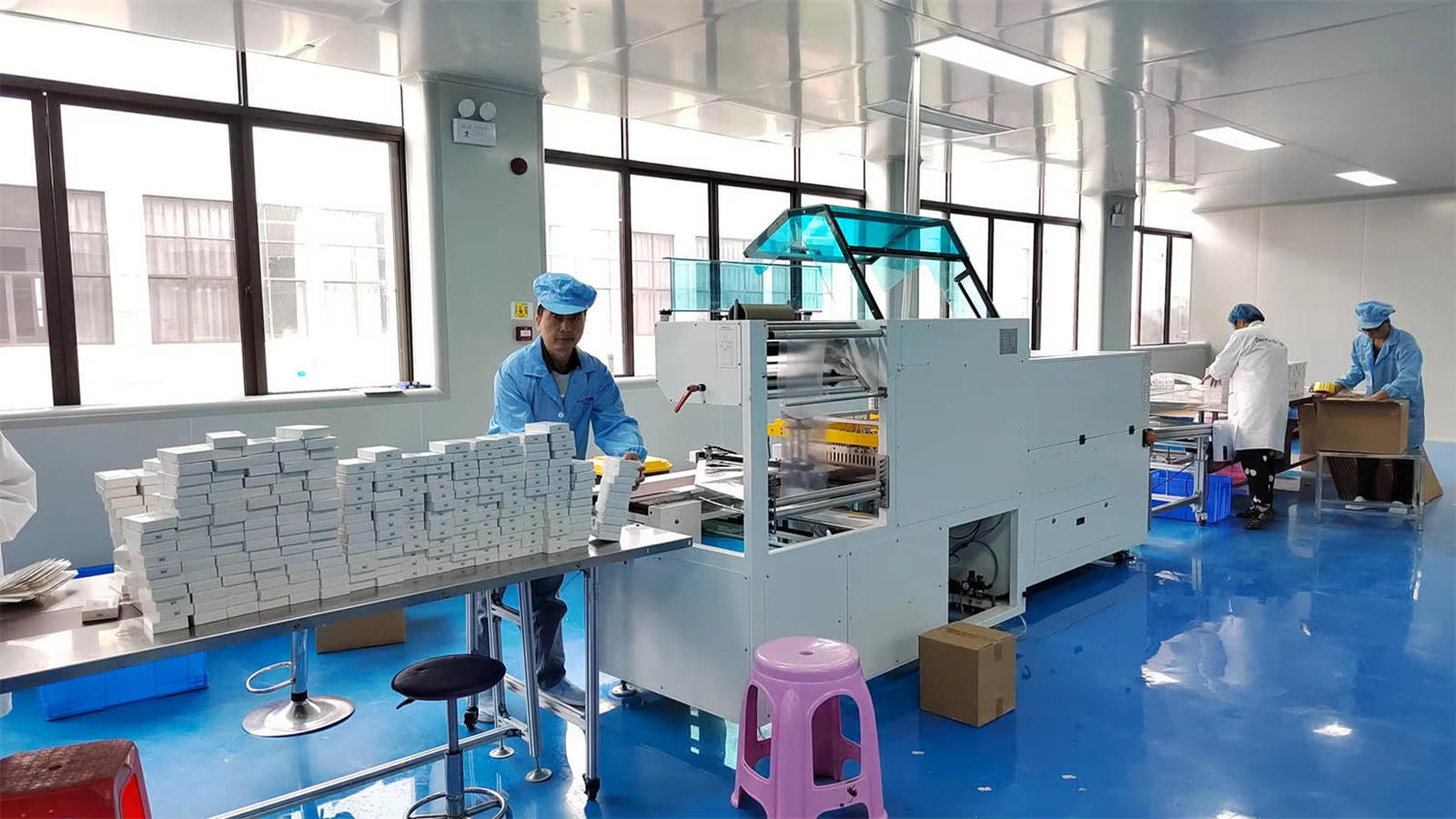
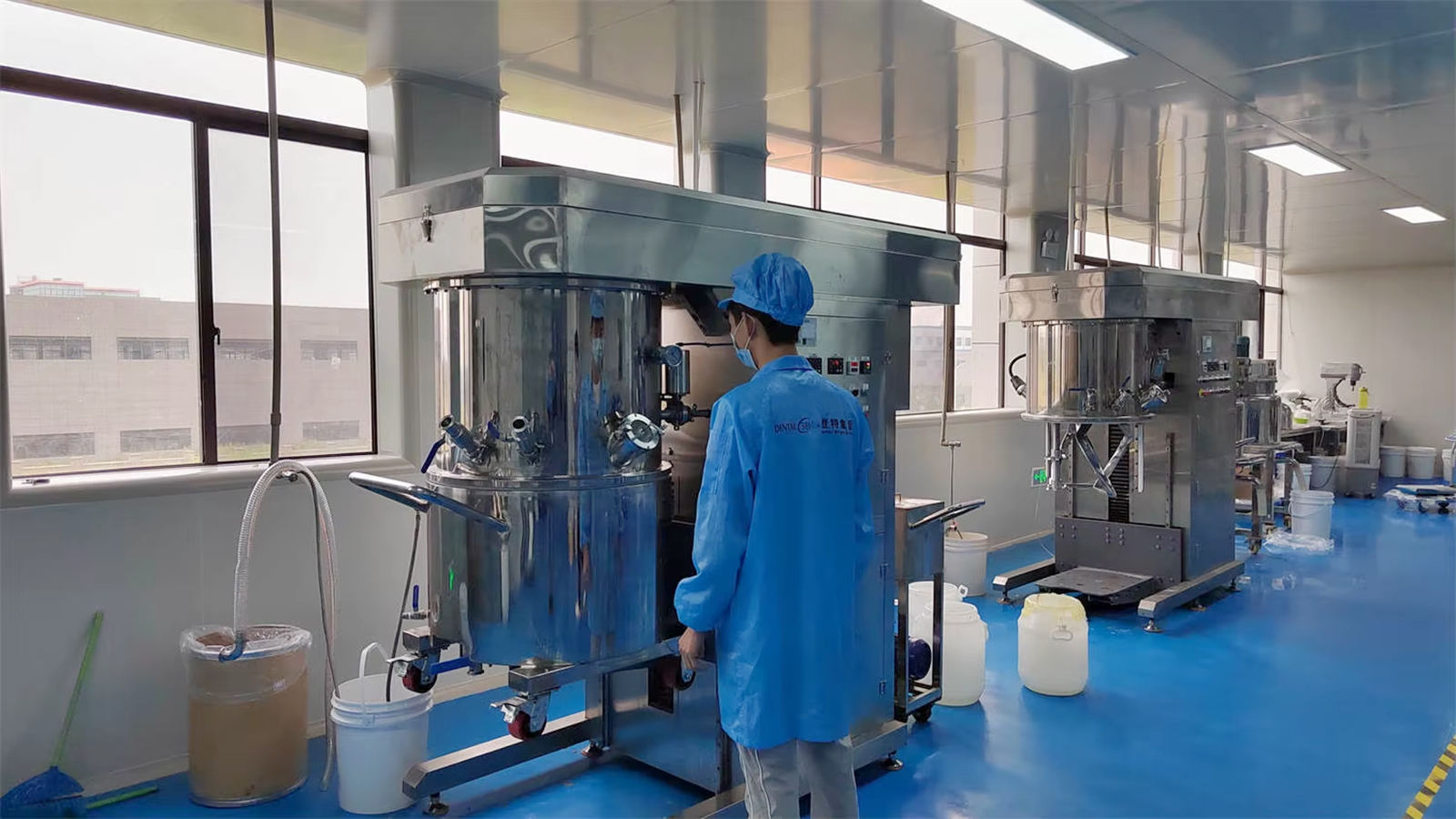
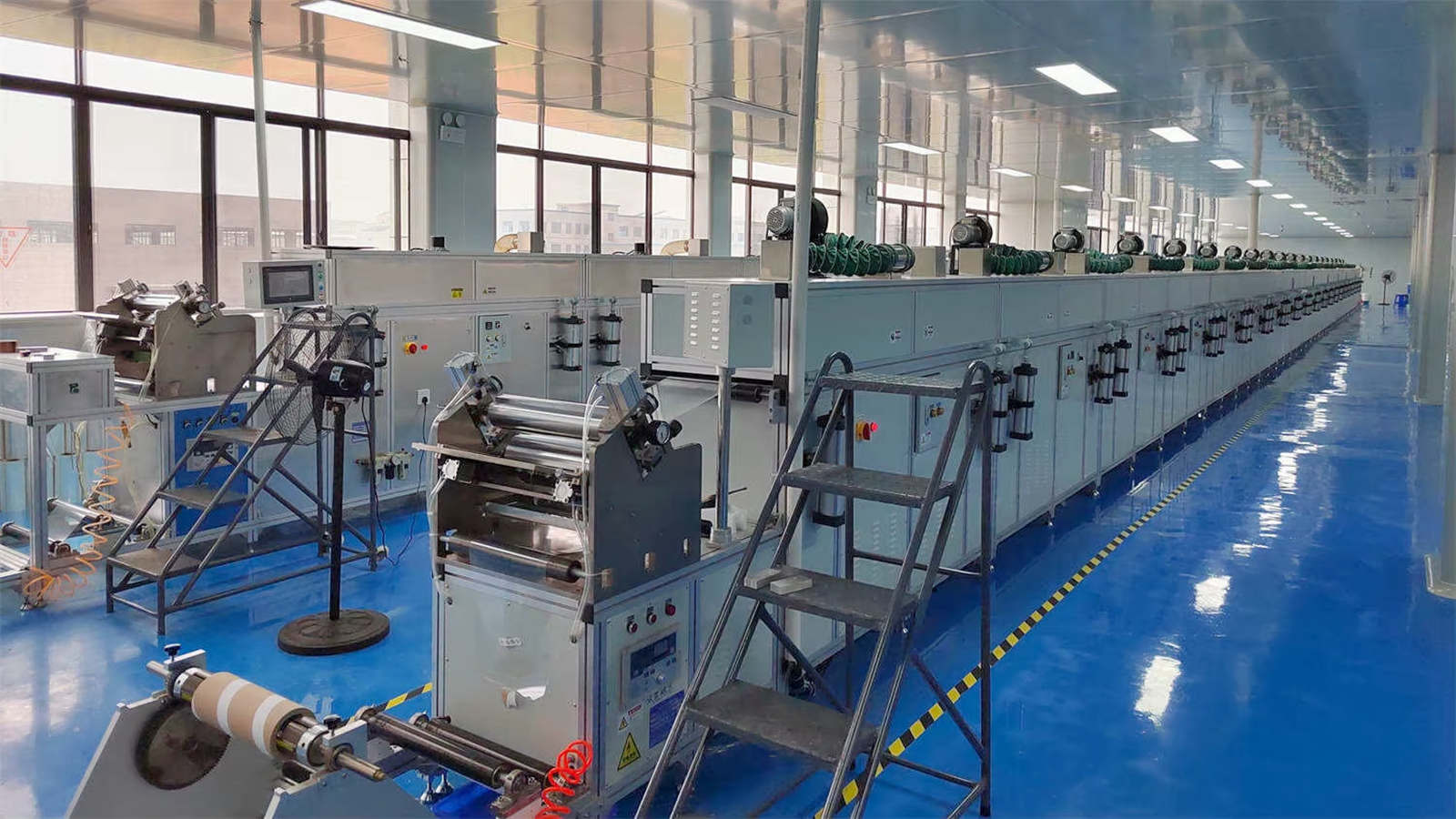
Ensuring high batch-to-batch consistency requires state-of-the-art automation. Below is an overview of the key processing phases inside our partner facilities, displaying real-time equipment and workflow controls.
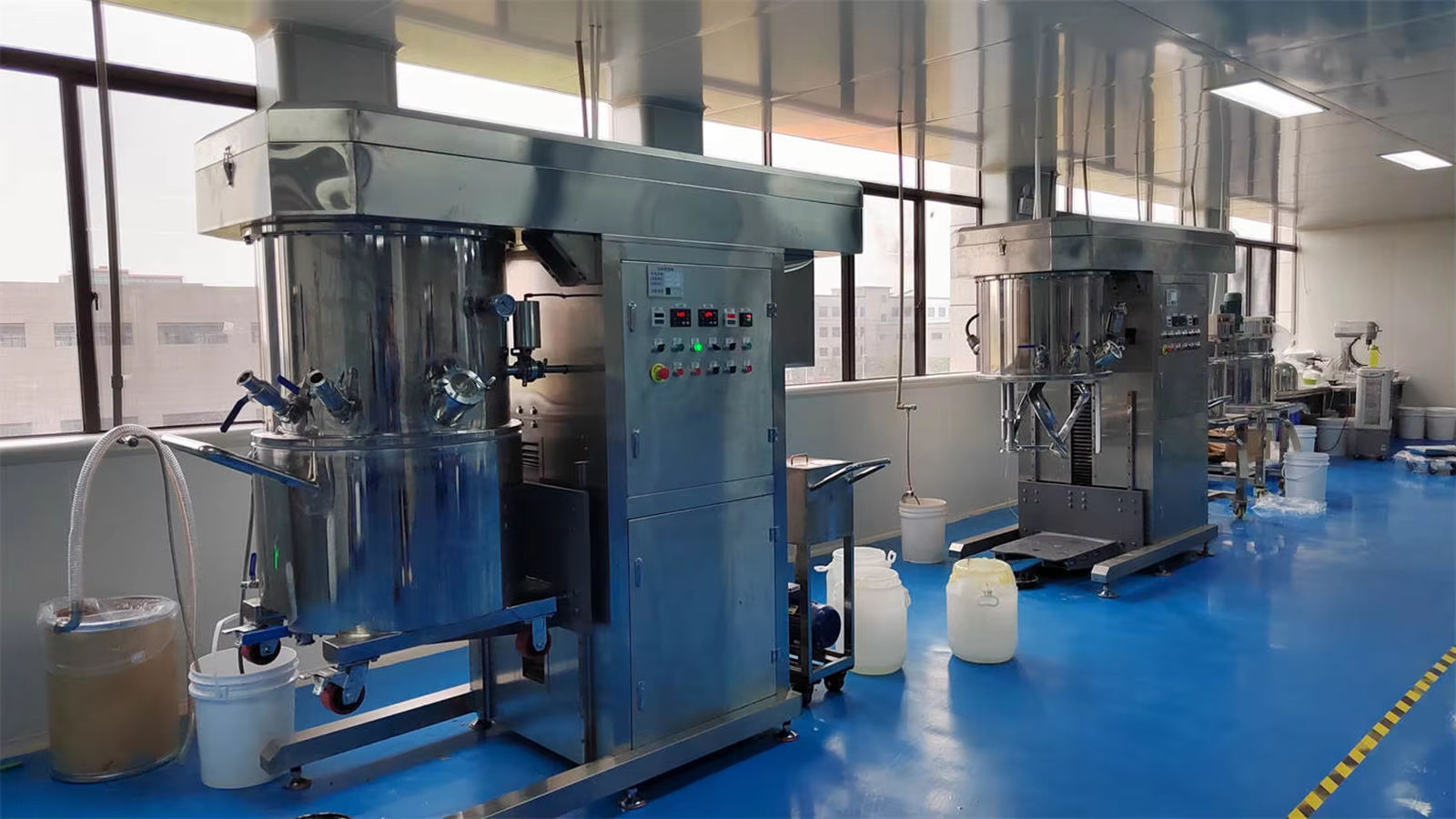
Glue Making Process
Glue Making
Coating Process
Coating
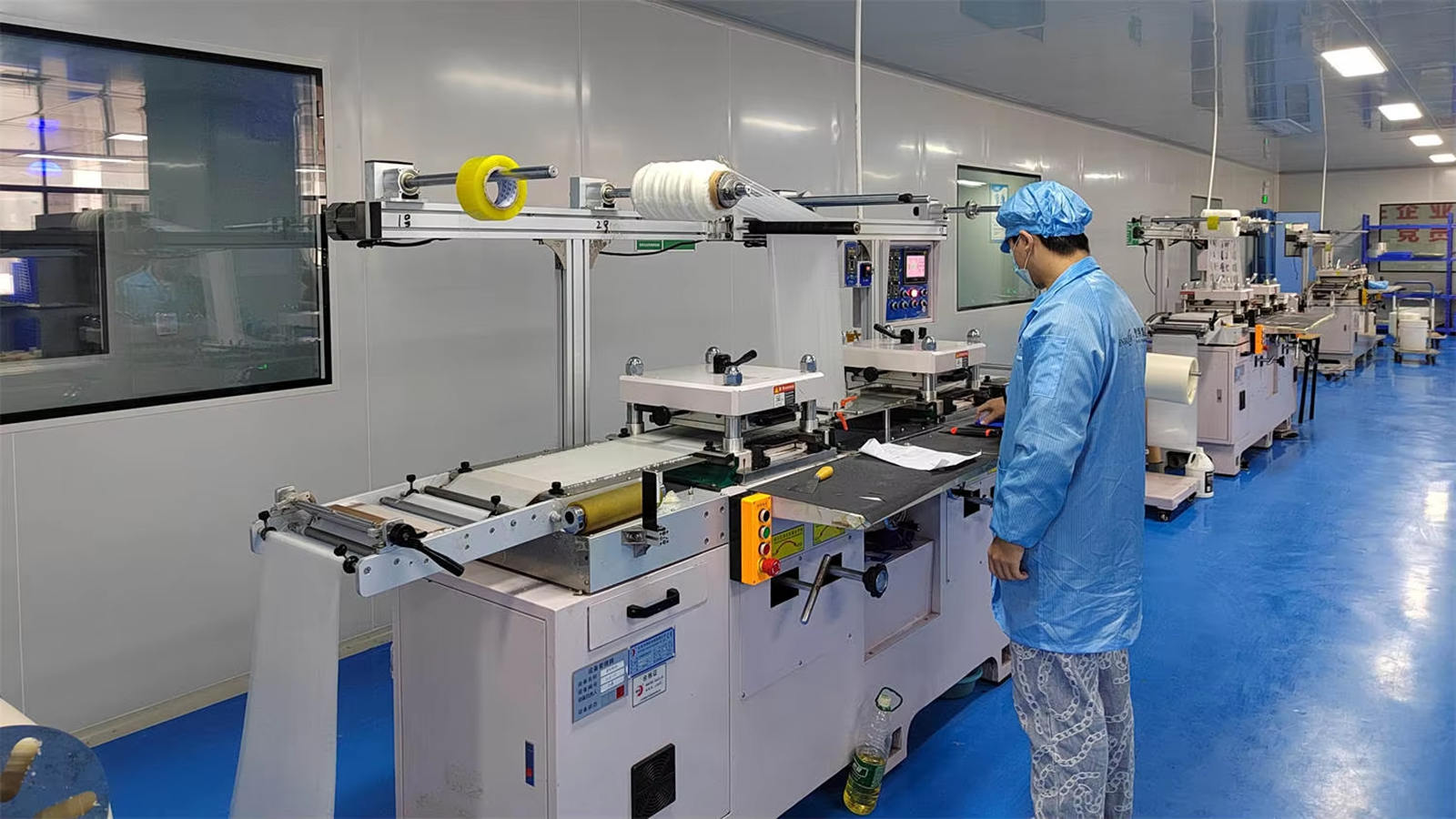
Die-cutting Process
Die-cutting
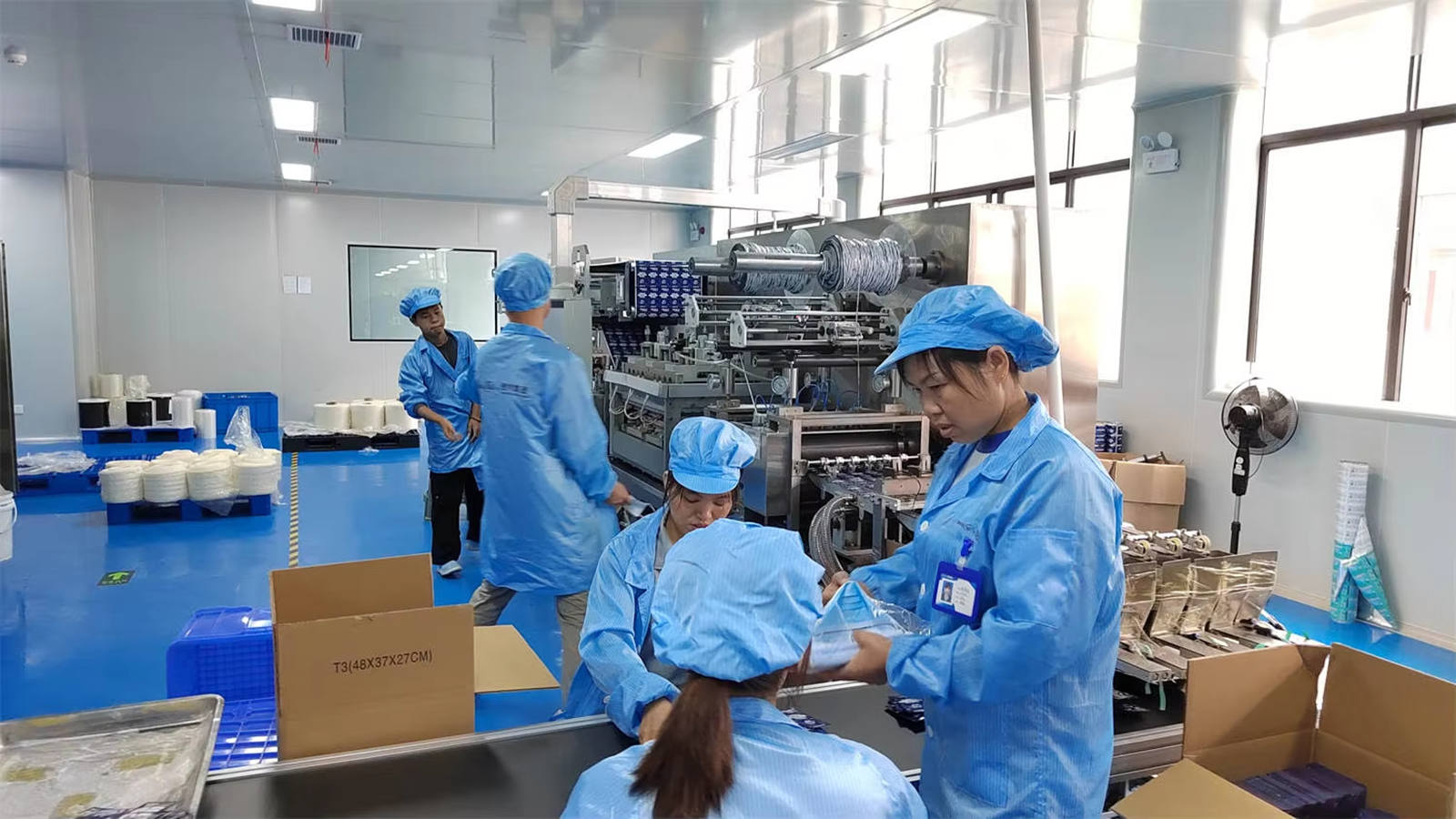
Inner Packing Line
Inner Packing
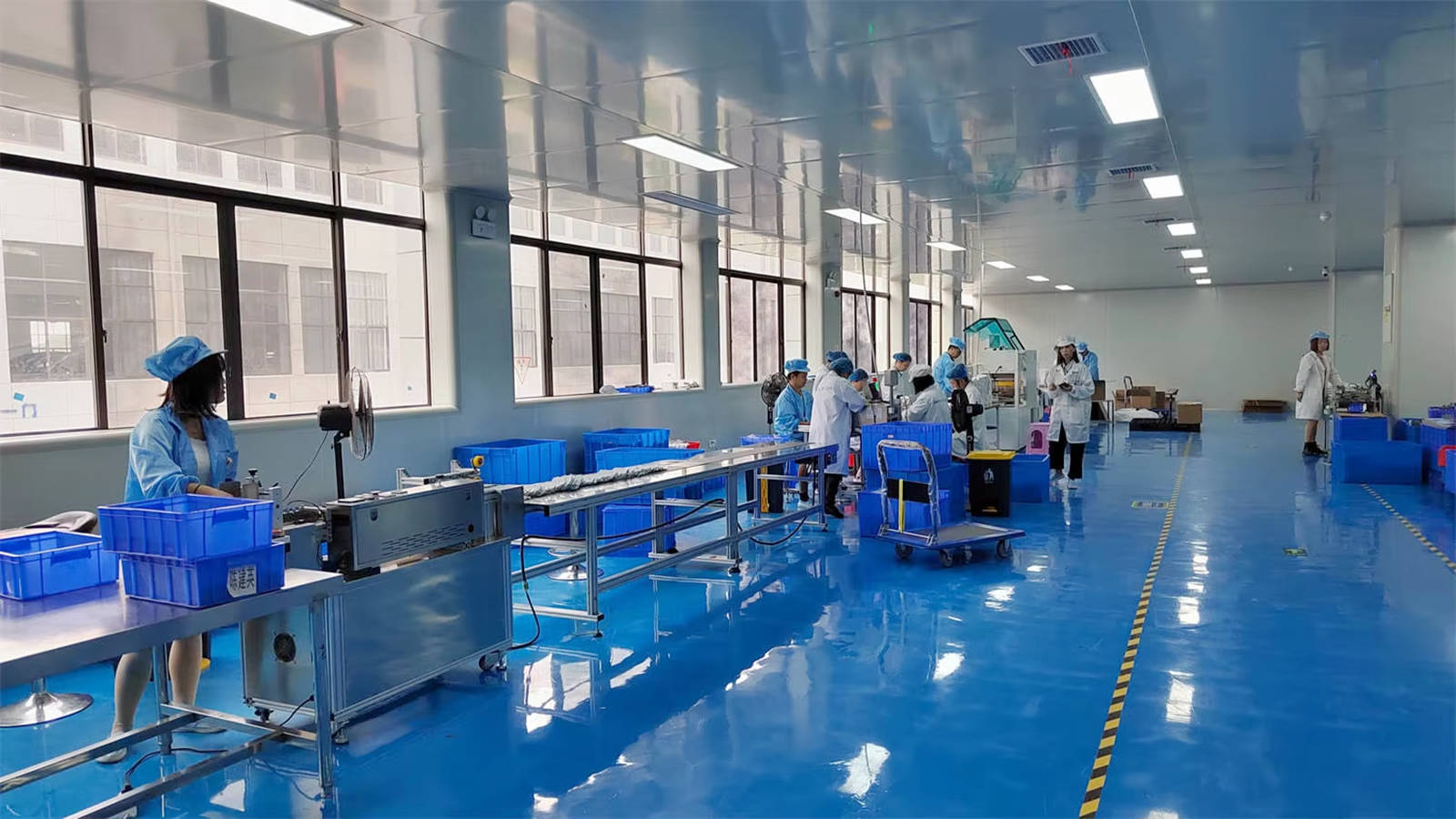
Outer Packing Department
Outer Packing
Vacuum Homogenizing Emulsifying Machine
Coating Line System
Coating Line
Die-cutting Machine Unit
Die-cutting Machine
Inner Packing Machine
Outer Packing Machine
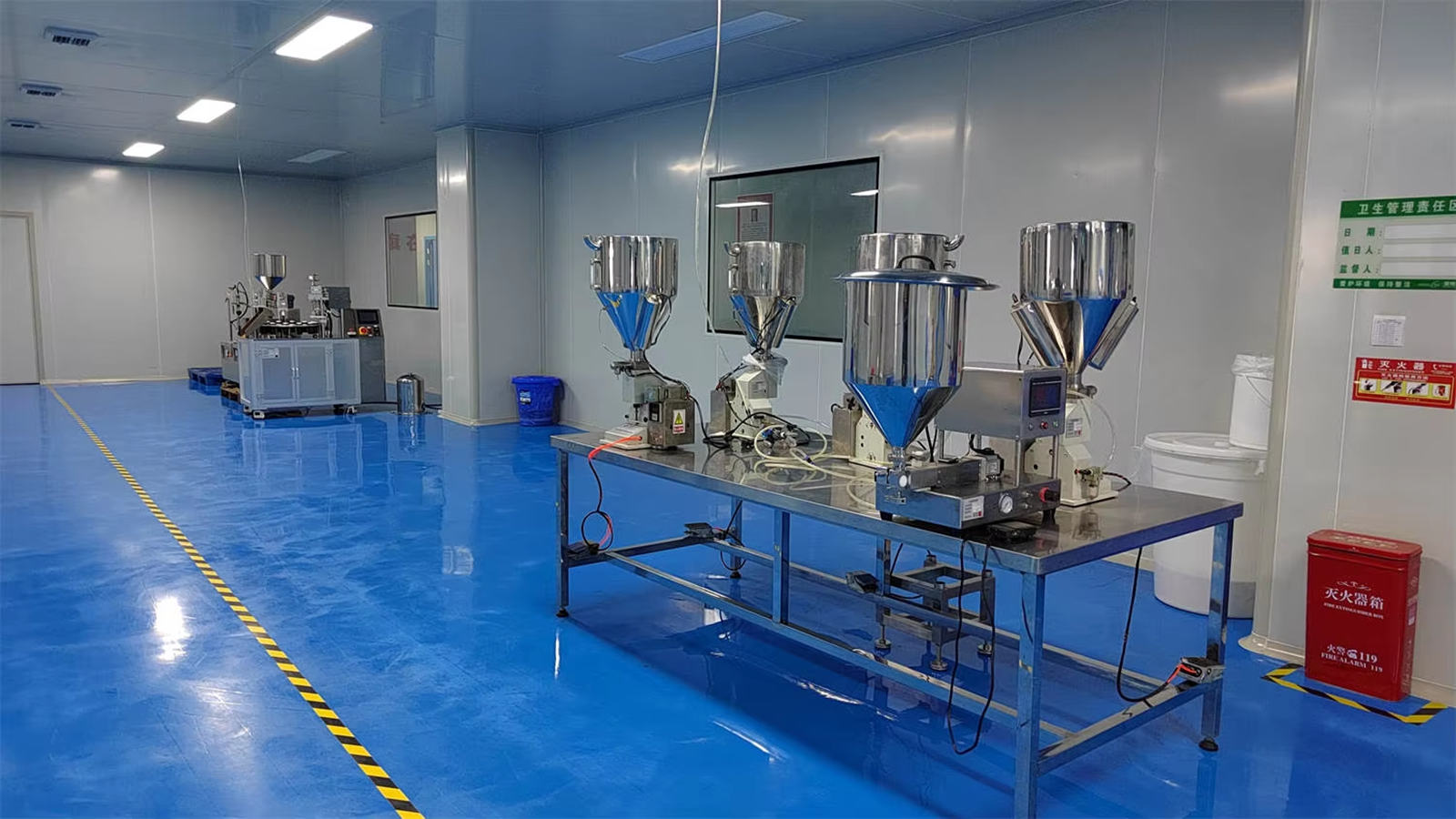
Automated Filling Machine
Filling Machine
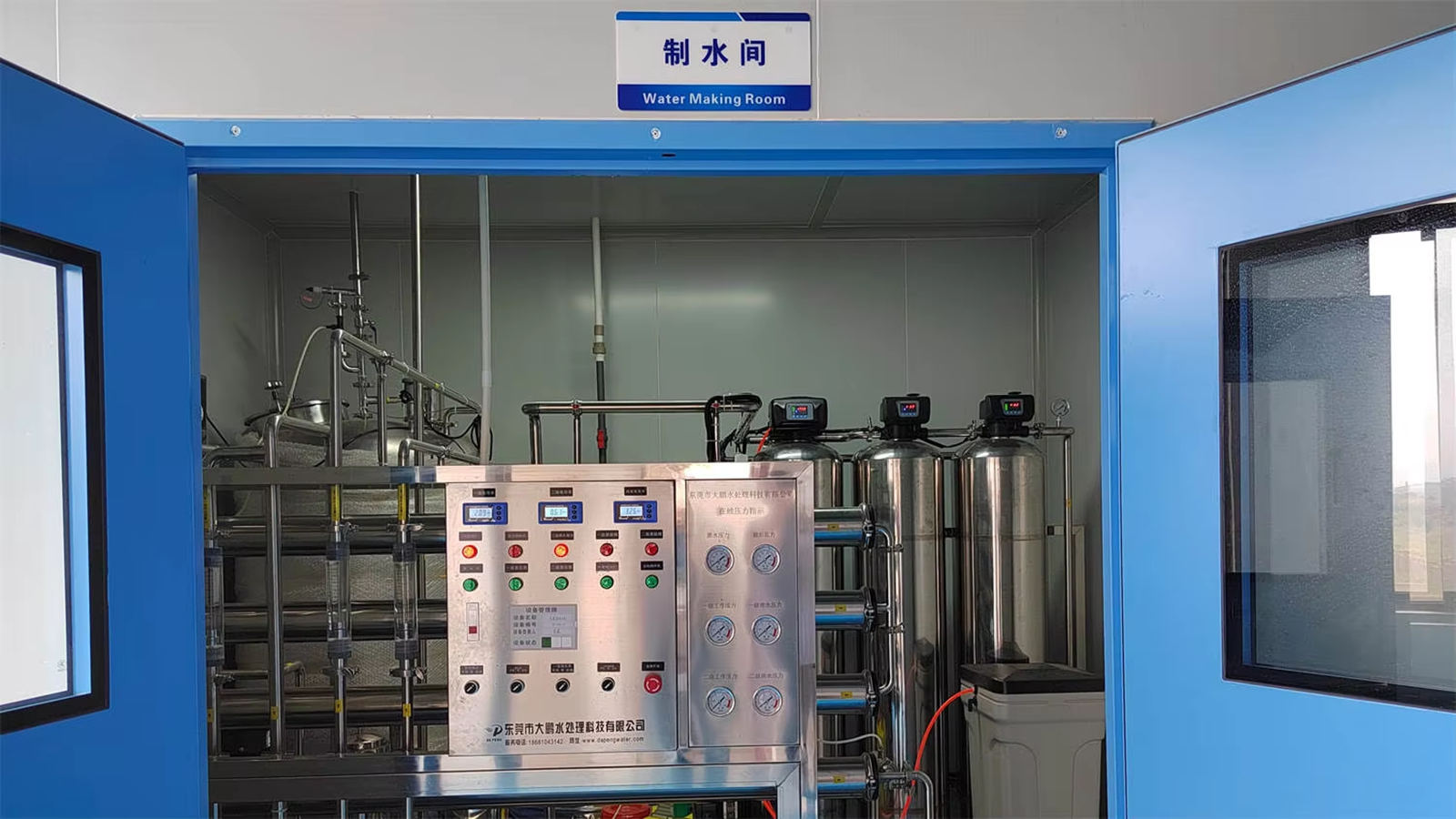
Water Purification System
Water Making Machine
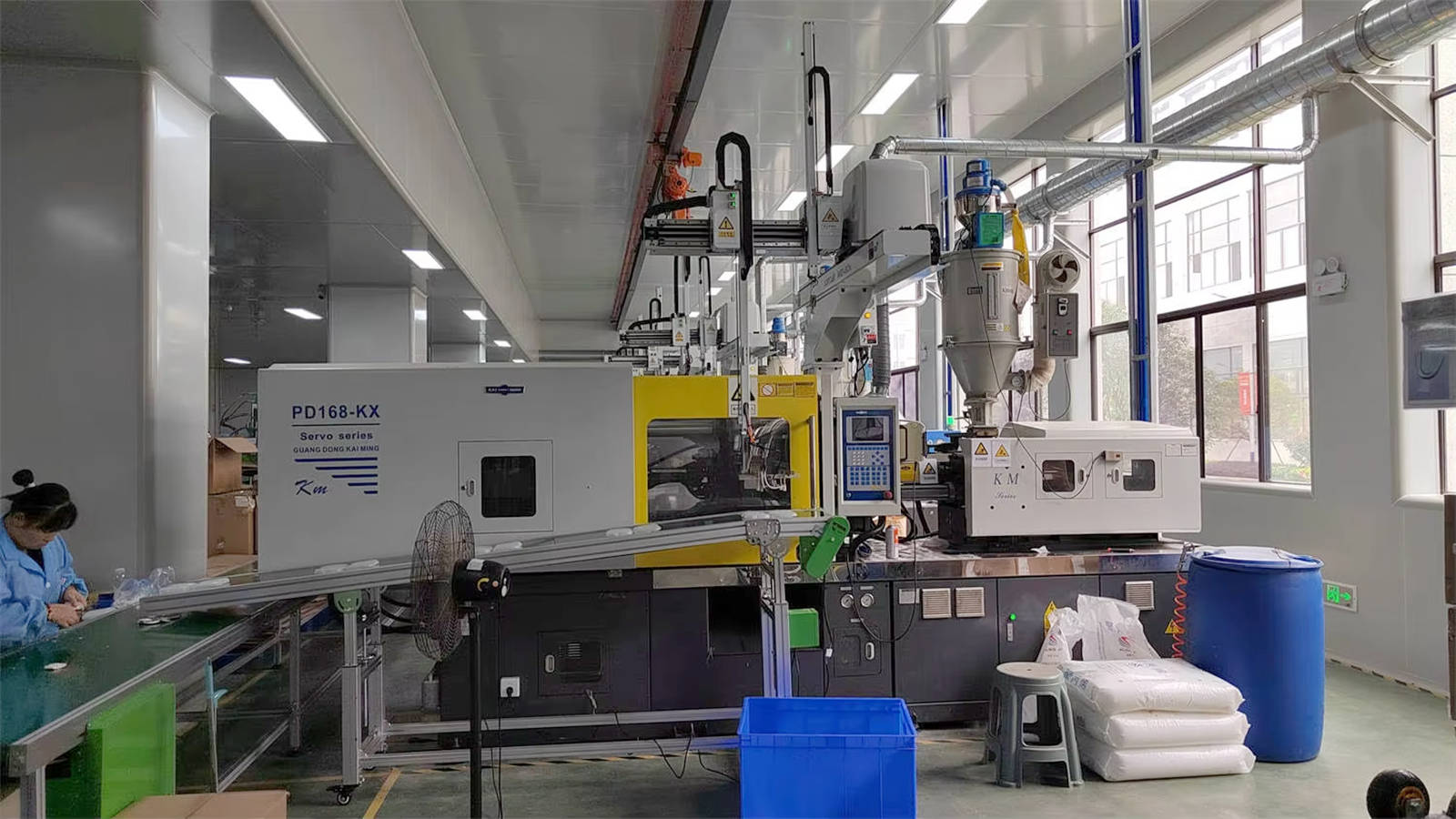
Horizontal Injection Molding Machine
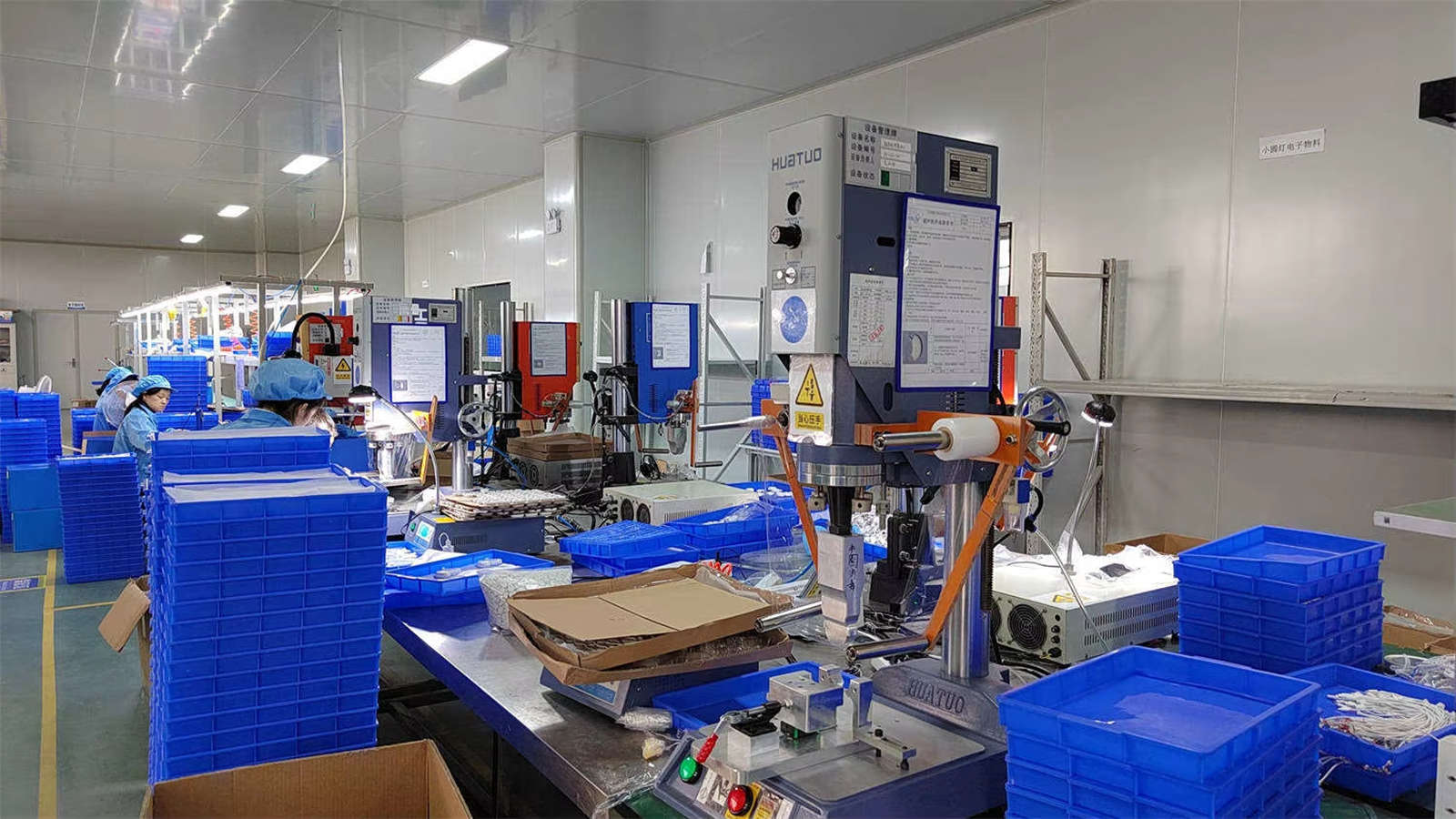
Ultrasonic Welder Station
Ultrasonic Welder

5. Global Procurement Demands: OEM/ODM Customization & Supply Chain Dynamics

Procuring collagen supplements at a global scale requires navigating complex parameters beyond basic pricing. Procurement officers must evaluate factory capacity, formulation versatility, packaging capabilities, and logistical infrastructure.

Leading Chinese factories offer diverse, comprehensive OEM and ODM customization services. Formulas can be tailored to incorporate synergistic active ingredients such as Hyaluronic Acid, Coenzyme Q10, Astaxanthin, Biotin, and Vitamin C to target specific consumer needs.

Popular Delivery Systems & Specifications

Suppliers offer several distinct delivery formats, each serving a specific market preference:

  • Soluble Powders: Typically packaged in bulk drums or single-serve stick packs. Standard specifications include instant dispersion properties and neutral odor/taste profiles, which are achieved through advanced charcoal filtration and deodorization.
  • Liquid Collagen Ampoules / Shots: Offering high bioavailability and concentration. These require specialized UHT sterilization lines and glass/PET aseptic vial filling technology to maintain product stability without heavy preservatives.
  • Pectin-Based Beauty Gummies: A fast-growing delivery format. Manufacturing demands precise temperature controls to avoid denaturing the active peptide chains during the gel-casting process.

6. Localization Support & Regulatory Compliance: Global Sourcing Protections

For international brands, the critical barrier in supply chain operations is compliance. Sourcing from factories without proper documentation can lead to customs seizures, product recalls, or legal challenges. Chinese manufacturing partners have invested heavily in acquiring global certifications to meet rigorous international standards.

When vetting a supplier, buyers must verify documentation according to the target market:

North America (FDA / FSMA)
Suppliers must maintain active FDA facility registrations and comply with FSMA requirements. The raw materials should possess GRAS status, accompanied by comprehensive heavy-metal profiles (covering Lead, Arsenic, Cadmium, and Mercury) that conform to California Proposition 65 limits.
European Union (EFSA)
Products destined for the EU must comply with EFSA guidelines. Marine sources require certified health certificates and full traceability back to FAO catching zones. Recombinant proteins must undergo thorough evaluation to satisfy EU Novel Food regulations.
Global Halal & Kosher Markets
Catering to diverse global demographics requires raw materials derived from certified Halal or Kosher slaughter houses. The manufacturing lines must undergo regular on-site audits to prevent cross-contamination.

Furthermore, top-tier factories utilize third-party validation laboratories, such as SGS, Eurofins, and Intertek, to verify chemical purity and microbiological safety. This documentation ensures clear custom clearance and provides consumer transparency that strengthens brand equity.

7. Deep FAQ: Sourcing & Manufacturing Intelligence

Q1: What is the primary difference between Type I and Type III collagen in supplement manufacturing?
Type I collagen constitutes approximately 90% of the body’s natural collagen supply. It is densely packed and primarily supports skin, hair, nails, and bone structure. Type III collagen is found in cardiovascular pathways, muscles, and internal organs. Most premium anti-aging beauty brands source a blend containing predominantly Type I peptides, with Type III added to provide comprehensive biological support.
Q2: How does molecular weight affect the absorption and efficacy of oral collagen?
Standard gelatin features a molecular weight exceeding 300,000 Daltons, which makes direct intestinal absorption difficult. Through enzymatic hydrolysis, factories break these proteins down into collagen peptides, typically ranging between 1,000 and 3,000 Daltons. Advanced suppliers produce premium grades under 1,000 Daltons, which bypass standard digestion and enter the bloodstream directly via peptide transporters (PEPT1) in the gut.
Q3: How do factories guarantee the removal of heavy metals from marine-derived collagen?
Marine sources can accumulate trace heavy metals from oceans. Quality-oriented Chinese manufacturers implement multi-stage purification processes. This includes activated carbon adsorption, ion exchange chromatography, and ultrafiltration membrane passes. Every batch is validated through Inductively Coupled Plasma Mass Spectrometry (ICP-MS) to ensure heavy metal levels remain well within limits set by USP, EP, and California Prop 65.
Q4: What are the advantages of Recombinant Humanized Collagen compared to animal-derived alternatives?
Recombinant Humanized Collagen (rhCollagen) is bio-engineered through microbial fermentation, matching the genetic sequences of human collagen. It offers zero risk of animal-borne pathogens (such as BSE), low immunogenicity, and high biocompatibility. Its clean, controlled synthesis appeals directly to the vegan and clean-beauty sectors.
Q5: What is the typical Minimum Order Quantity (MOQ) for private-label collagen supplement runs?
MOQs depend on the delivery format. For raw bulk collagen peptide powder, MOQs typically start at 500 kg to 1,000 kg. Custom formulated blends, custom packaging (such as stick packs), or liquid ampoules usually require minimum runs of 50,000 to 100,000 individual units to optimize automated filling lines.
Q6: How do manufacturers maintain taste and odor neutrality in collagen powders?
Raw collagen often carries a distinct animal or marine odor. Top factories utilize proprietary deodorization systems, which combine multiple carbon filtration steps with vacuum degasification and spray-drying parameters. This yields a clean, neutral, highly soluble powder that blends easily into coffee, juices, or functional beverages without affecting flavor profiles.
Q7: Can collagen supplements be combined with transdermal microneedle treatments?
Yes, this combination provides a comprehensive approach to skin rejuvenation. Microneedling devices (such as the Dermapen or Hydra Pen) stimulate localized healing and increase collagen production within the skin layers. Consuming high-purity oral peptides supplies the body with the necessary amino acids (such as glycine, proline, and hydroxyproline) to build and maintain the skin's structural matrix.